Specifying “الصوف المعدني” without distinguishing between basalt-based stone wool and slag-based variants introduces significant performance risks in industrial and commercial applications. Although vendors often group these materials under a single category, their chemical compositions dictate distinct behaviors regarding structural stress and long-term durability in corrosive environments.
This technical breakdown examines the critical differences required for accurate specification, from feedstock influence on corrosion resistance to mechanical rigidity under load. We analyze performance data showing how rock wool maintains integrity at temperatures exceeding 1000°C, while generic slag-based options often degrade around 650°C, helping you select the correct material density ranging from 40 ل 140 كجم/م3.
Quick Comparison Table: الصوف الصخري مقابل. الصوف المعدني
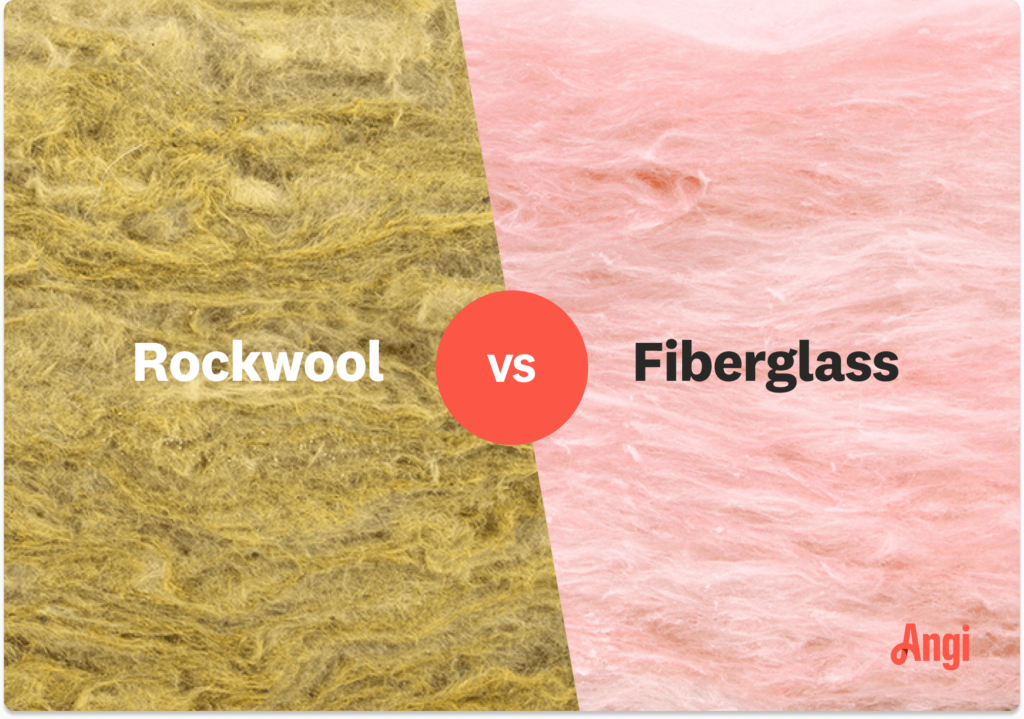
While “الصوف المعدني” serves as an umbrella term, technical Rock Wool (الصوف الحجري) is distinct from generic glass or slag variants. Rock Wool is manufactured from basalt at higher densities (40-140 كجم/م3) with a melting point over 1000°C, whereas generic mineral/الصوف الزجاجي is lighter (10–32 kg/m³) and typically degrades around 650°C.
| مقياس الأداء | الصوف الحجري (الصوف الصخري) | Generic Mineral Wool (Glass/Slag) |
|---|---|---|
| Base Feedstock | البازلت / Diabase Rock | Recycled Glass / Furnace Slag |
| Density Range | 40-140 كجم/م3 | 10–32 kg/m³ |
| نقطة الانصهار | > 1000درجة مئوية | ~650°C |
| الموصلية الحرارية (ل) | ~0.034–0.035 W/m·K | ~0.044 W/m·K |
| قيمة R (لكل بوصة) | R-4.0+ | R-3.4–3.7 |
Distinguishing Feedstock and Density Profiles
The primary difference between these materials lies in their base composition and the resulting physical structure. Stone wool manufacturers melt basalt and diabase rock to create fibers, whereas generic mineral wool production relies on recycled glass cullet or blast furnace slag. This feedstock difference dictates the density; stone wool requires a density of 40–140 kg/m³ to maintain structural stability, while glass-based variants achieve loft at much lighter weights of 10–32 kg/m³. Multi-directional fiber orientation in stone wool supports this higher density, preventing the slumping often seen in lower-density glass wool batts.
Performance Metrics: الحرارية, نار, and Acoustics
Material composition directly impacts performance thresholds, particularly in high-temperature environments. Stone wool withstands temperatures exceeding 1000°C before melting, making it suitable for fire-stopping applications compliant with ASTM E136. في المقابل, glass and slag wools degrade significantly at lower temperatures, typically around 650°C. Thermally, stone wool offers a lower thermal conductivity (λ ~0.034 W/m·K) compared to standard glass wool (λ ~0.044 W/m·K), yielding a higher R-value per inch. For acoustics, achieving an optimal flow resistivity of 15,000 Pa·s/m² requires the denser mass of stone wool, which effectively dampens airborne sound transmission better than lighter alternatives.
ما هو الصوف الصخري?
الصوف الصخري (الصوف الحجري) is a high-performance mineral fiber manufactured by spinning molten basalt or diabase rock at temperatures exceeding 1500°C. Unlike slag-based mineral wool, rock wool offers superior thermal stability with a melting point above 1000°C, making it the standard choice for fire-resistant assemblies and industrial insulation requiring structural integrity under extreme heat.
Defining Rock Wool: Basalt-Based Composition vs. Generic Mineral Wool
Rock wool is produced specifically from igneous rocks like basalt and diabase, which distinguishes it from slag wool that utilizes iron-ore waste (blast-furnace slag). The fiberization process involves melting these raw stones to create a matrix that is chemically distinct from generic “mineral wool.” Specifiers must distinguish this from slag-based products, as the basalt origin dictates the material’s superior mechanical strength and density.
Beyond mechanical properties, the chemical composition directly impacts long-term durability. Rock wool contains only trace sulfur, which avoids the corrosion risks associated with the approximate 5% calcium sulfide found in slag wool. This chemical purity renders the material non-corrosive to metal substrates, a critical factor for industrial installations involving carbon steel or stainless steel piping.
الصوف الصخري مقابل. Mineral Wool on Composition and Manufacturing
While both materials are fiberized in furnaces exceeding 1500°C, rock wool is engineered from 70–75% natural basalt and diabase, resulting in a high acidity coefficient (MK > 1.5) for superior chemical stability. Generic mineral wool (slag wool) relies primarily on blast-furnace slag, resulting in significantly lower chemical durability, higher sulfur content, and increased corrosion risk.
| ميزة | الصوف الصخري (الصوف الحجري) | Generic Mineral Wool (ذبح الصوف) |
|---|---|---|
| Primary Feedstock | 70–75% Basalt & Diabase | Blast-Furnace Slag (Iron Waste) |
| Acidity Coefficient (MK) | 1.5 - 2.0 (High Stability) | ~1.2 (Lower Stability) |
| Corrosion Risk (Sulfur) | Trace / Non-Corrosive | ~5% Calcium Sulfide (Risk) |
| Water Stability (pH) | Stable (pH < 4) | Unstable (pH > 6) |
| Eutectic Melting Point | تقريبا. 1265درجة مئوية | Degrades > 675درجة مئوية |
Raw Material Formulation: Basalt Rock vs. Iron Slag Ratios
The fundamental difference between true rock wool and generic mineral wool lies in the specific recipe of raw materials entered into the cupola or electric furnace. Rock wool is strictly formulated with approximately 70–75% natural igneous rock—specifically basalt, الدولوميت, and diabase—with only 25–30% recycled slag added to facilitate melting. This high rock content ensures a fiber rich in iron oxides (11–17%), which is critical for maintaining structural stability at high temperatures.
Slag wool formulations effectively invert this ratio, utilizing blast-furnace slag as the primary ingredient with minimal natural rock additives. While “الصوف المعدني” serves as an industry umbrella term for both products, slag-dominant wool differs significantly in oxide composition. Slag is rich in calcium and silica (90–95% combined oxides) but lacks the iron oxide necessary for high-performance fire resistance. Unless a product is explicitly specified as “الصوف الحجري” أو “الصوف الصخري,” it is often a slag-based variation with lower thermal and chemical thresholds.
Chemical Durability: Acidity Coefficients and Sulfur Content
The longevity of mineral fiber insulation is determined by its chemical resistance to moisture and potential corrosive byproducts. Engineers quantify this using the Acidity Coefficient (MK), which measures the ratio of acidic to basic oxides in the fiber. Rock wool consistently achieves an MK of 1.5–2.0, indicating superior stability against chemical attack. بالمقارنة, slag wool typically measures around 1.2, making the glassy fibers more susceptible to degradation over time.
Corrosion risk is a major differentiator in industrial and high-humidity applications. Slag wool often contains approximately 5% calcium sulfide (CaS), a byproduct of the iron desulfurization process. When slag wool gets wet, this sulfide can react to form hydrosulfuric acid, raising the local pH above 6 and posing a corrosion risk to adjacent pipes or metal studs. Basalt fibers, which maintain a stable pH below 4 and contain negligible sulfur, eliminate this risk, ensuring compatibility with steel and preventing corrosion under insulation (أيّ).
الصوف الصخري مقابل. Mineral Wool on Thermal and Fire Performance
Thermally, rock wool and mineral wool are nearly identical, delivering R-4.0 to R-4.2 per inch. In fire scenarios, both are non-combustible (Euroclass A1), but high-density rock wool offers superior heat resistance, withstanding temperatures over 2,000°F (1,093درجة مئوية) compared to the standard 1,400°F (760درجة مئوية) limit of some slag-based mineral wools.
Comparative Thermal Resistance and R-Value Efficiency
From a strict thermal insulation perspective, rock wool and general mineral wool (often containing slag) perform almost identically when manufactured to similar densities. Both materials typically provide a thermal resistance of R-4.0 to R-4.3 per inch of thickness. This represents a significant performance advantage—roughly 22% ل 37% higher—over standard fiberglass batts, which generally offer R-3.0 to R-3.2 per inch.
This high density allows standard 3.5-inch wall cavities to achieve R-15 ratings, while 5.5-inch framing can accommodate R-23 batts without requiring specialized compression. The thermal efficiency relies on the product density (typically 40–100 kg/m³ for boards) and fiber structure rather than the specific ratio of basalt rock to blast-furnace slag. بالتالي, for projects prioritizing كفاءة الطاقة alone, the distinction between “rock” و “mineral” wool is negligible provided the R-value specifications are met.
High-Temperature Limits and Fire Containment Capabilities
While thermal resistance is consistent, fire performance reveals the critical engineering difference between basalt-based rock wool and slag-heavy mineral wool. Both material categories achieve Euroclass A1 status (غير قابلة للاحتراق) and do not contribute fuel to a fire. لكن, the melting point of the fibers dictates their suitability for fire-stopping and high-temperature industrial applications.
General mineral wool products, particularly those with high slag content, typically resist temperatures up to approximately 1,400°F (760درجة مئوية) before physical degradation or sintering begins. في المقابل, pure stone wool fibers, derived from volcanic basalt, possess a melting point exceeding 2,150°F (1,177درجة مئوية) and can maintain structural integrity in temperatures over 2,000°F (1,093درجة مئوية). This higher threshold makes rock wool the mandatory specification for fire-rated partition walls, active fire barriers, and industrial systems operating in extreme heat environments where slag-based alternatives might fail prematurely.
الصوف الصخري مقابل. Mineral Wool on Acoustic, رُطُوبَة, and Structural Properties
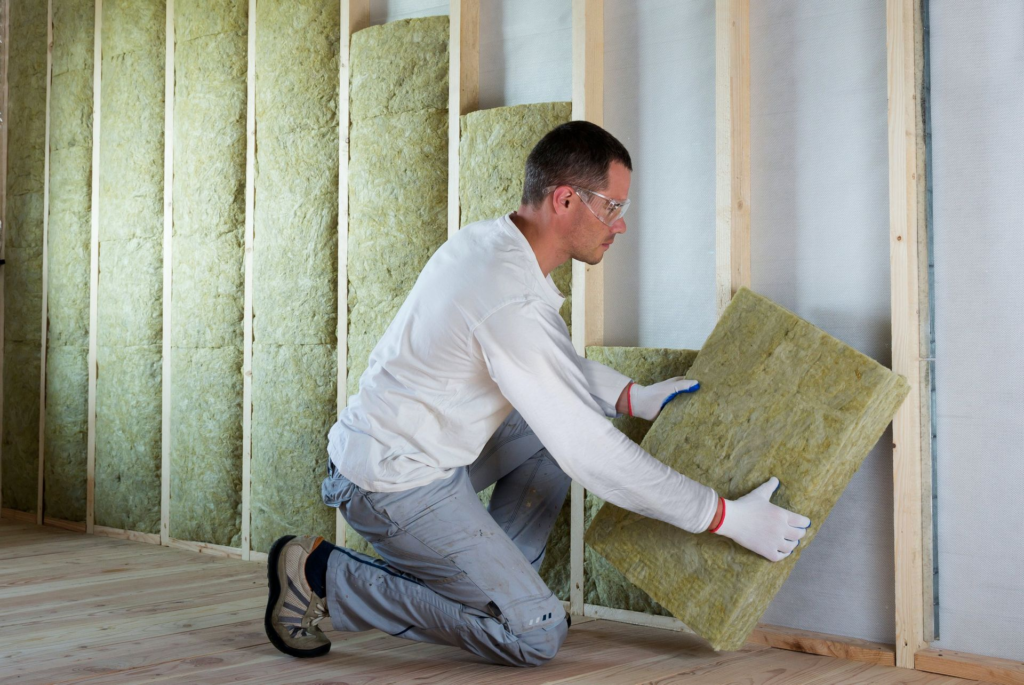
Rock wool generally outperforms standard mineral wool variants in acoustics due to its higher density range (60-200 كجم/م3), achieving Sound Transmission Class (شركة الاتصالات السعودية) ratings of 45–52 and Noise Reduction Coefficient (المجلس النرويجي للاجئين) values near 1.05. Structurally, its non-directional fiber orientation resists compression and sagging far better than lighter glass wools, while its inorganic basalt composition effectively repels liquid water and prevents mold growth even in humid conditions.
الأداء الصوتي: STC Ratings and Sound Absorption Capabilities
Rock wool distinguishes itself from lighter mineral wool variants, such as glass wool, primarily through its superior density. While standard acoustic glass wool typically ranges from 10 ل 32 كجم/م3, rock wool products are manufactured in density bands of 60 ل 200 كجم/م3. This increased mass allows rock wool to block airborne noise more effectively, making it the preferred choice for applications requiring high sound isolation.
In terms of quantifiable metrics, rock wool batts consistently achieve Sound Transmission Class (شركة الاتصالات السعودية) التقييمات بين 45 و 52 in standard wall assemblies, surpassing most fiberglass options. High-quality stone wool slabs also demonstrate Noise Reduction Coefficient (المجلس النرويجي للاجئين) values ranging from 0.95 ل 1.05. An NRC value exceeding 1.0 indicates that the material absorbs effectively 100% of the sound energy that strikes its surface, eliminating reflections and reverberation within a space.
Moisture Resistance and Long-Term Structural Stability
The manufacturing process of rock wool involves heating basalt and slag to temperatures exceeding 1,600°C, which eliminates organic matter. بالتالي, the final product is inorganic and provides no food source for mold, fungus, or bacteria. This inherent resistance to biological growth makes rock wool a safer option for building envelopes in humid climates compared to insulation types that may trap organic dust or moisture.
Structurally, rock wool fibers are non-directional, creating a rigid matrix that resists compression and deformation. Unlike softer fiberglass batts, which can slump or settle within wall cavities over time, high-density rock wool maintains its shape and loft. This dimensional stability ensures that the insulation’s R-value and acoustic performance remain consistent throughout the building’s lifespan, preventing the formation of thermal bridges or acoustic leaks at the top of stud bays.
متى تختار الصوف الصخري؟ (And When Mineral Wool Performs Better)
Specify rock wool (الصوف الحجري) for extreme environments requiring service temperatures above 650°C, Euroclass A1 fire resistance, or moisture stability (على سبيل المثال., CUI prevention). Choose slag-based mineral wool for moderate-temperature applications (below 600°C), interior acoustics, and dry building cavities where cost efficiency is prioritized over hydrological stability.
| Critical Factor | Basalt-Based Stone Wool | Slag-Based Mineral Wool |
|---|---|---|
| أقصى درجة حرارة الخدمة | ~800°C (Softening >1000درجة مئوية) | ~600–675°C (Disintegrates >675درجة مئوية) |
| Moisture Stability | عالي (مسعور, pH <4) | Moderate/Low (Hydrates in wet) |
| Corrosion Risk (أيّ) | Minimal (Trace sulfur only) | Higher (~5% Calcium Sulfide content) |
| Primary Use Case | Heavy Industry, Firestops, Wet Areas | Interior Acoustics, التدفئة والتهوية وتكييف الهواء, Dry Cavities |
Critical Scenarios for Rock Wool: High Heat, نار, and Moisture
High-Temperature Industrial Process: Rock wool is mandatory for systems exceeding 650°C. It withstands ~800°C continuously with a softening point greater than 1000°C, whereas slag wool begins to disintegrate and pulverize at these temperatures.
Corrosion Under Insulation (أيّ) Risk: Basalt-based stone wool is essential for cold or cyclic piping. Its chemistry (pH <4) remains stable and lacks the 5% calcium sulfide found in slag wool, preventing the formation of hydrosulfuric acid that attacks carbon steel.
Fire-Rated Assemblies: This is the default choice for firestops and structural steel protection requiring Euroclass A1 non-combustibility. The material maintains stability >1000درجة مئوية, ensuring fire barriers do not fail prematurely.
Wet Environments: Rock wool is required for exterior sheathing or below-ambient systems where condensation occurs. It resists the hydration breakdown common in slag fibers when exposed to persistent moisture.
Optimal Use Cases for Slag-Based Mineral Wool: Acoustics and Dry Interiors
Interior Acoustic Partitions: The high density of slag wool (often >3x that of fiberglass) makes it excellent for sound damping in office walls where moisture and high heat are absent.
Dry Building Cavities: Slag wool is suitable for standard R-value targets (على سبيل المثال., R-23 in 2×6 walls) in warm-side insulation where vapor barriers effectively prevent condensation exposure.
Moderate Thermal Service: This material is effective for equipment operating consistently below 600°C, providing similar thermal conductivity (λ ≈ 0.032–0.044 W/m·K) to stone wool at a lower material cost.
Non-Structural Fills: Slag wool is appropriate for loose-fill or batt applications in residential attics or floors that are not subject to compressive loads or water ingress.
Premium Rock Wool Insulation Engineered for Performance
Making the Right Specification Choice for Your Project
Precise specification requires moving beyond the generic ‘mineral wool’ label. Define the specific feedstock (basalt stone vs. slag), required melting point (>1000درجة مئوية), and density range (على سبيل المثال., 60–100 kg/m³ for facades) to ensure the material meets fire, صوتي, and thermal goals.
Defining the Material Standard: Basalt Stone vs. ذبح الصوف
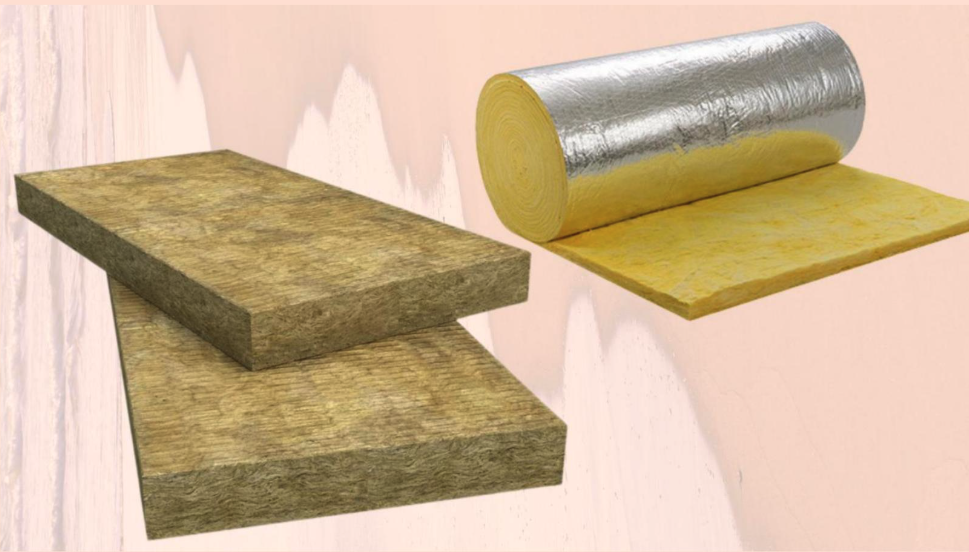
Specifying generic “الصوف المعدني” in construction documents creates a loophole that often leads to the substitution of lower-grade slag wool products. To guarantee safety and durability, specifications must explicitly mandate “basalt and gabbro” volcanic rock as the primary feedstock. This distinction ensures the insulation maintains a consistent yellowish-brown color and uniform fiber structure, avoiding the variable iron and alkali content inherent in blast furnace by-products.
The most critical technical differentiator is the melting point. Basalt-based stone wool withstands temperatures exceeding 1000°C, allowing it to maintain structural integrity and act as a fire barrier during extreme heat events. في المقابل, slag wool—derived principally from iron ore waste—often softens and pulverizes at temperatures as low as 675°C. Visual inspection serves as a final quality check; while stone wool is uniformly earth-toned, slag wool typically displays inconsistent off-white, gray, or greenish tones.
Matching Density and Thermal Data to Project Needs
Density requirements must align strictly with the structural application to prevent sagging and mechanical failure. For standard interior partitions, a density between 40–60 kg/m³ is sufficient, but load-bearing flat roof applications demand significantly higher densities of 100–150 kg/m³ to resist compression from foot traffic and equipment. For specialized acoustic barriers, where mass is the primary driver of sound attenuation, specifiers should demand high-density products reaching up to approximately 200 كجم/م3.
Thermal efficiency also depends on the specific product formulation rather than generic category averages. While both rock and glass wools may list a thermal conductivity (π القيمة) around 0.044 ث / م · ك, mineral wool batts typically deliver 22–37% higher R-values per inch compared to fiberglass in cavity applications. Specifiers should review declared thermal resistance values for the specific installed thickness, as performance can vary significantly despite identical conductivity ratings.