فكر في العزل كطبقة واقية للمبنى الخاص بك. تعمل الرغوة الصلبة مثل معطف واق من المطر البلاستيكي الذي يحبس الرطوبة, بينما الصوف الصخري وظائف مثل تنفس, سترة حجرية مقاومة للحريق.
يقارن هذا الدليل مقاييسهم الهامة, تحليل على المدى الطويل قيمة R استقرار, رموز السلامة من الحرائق, وإجمالي تكاليف المشروع لمساعدتك في اختيار المادة المناسبة لجدرانك الخارجية.
الصوف الصخري مقابل. رغوة جامدة (XPS/إبس)
بعبارات بسيطة: الصوف الصخري يشبه الدرع الحجري الذي يتحمل النار والحرارة دون أن يتغير شكله, في حين أن الرغاوي البلاستيكية تشبه المبردات الصلبة التي تعزل جيدًا في البداية ولكنها يمكن أن تتقلص أو تحترق بمرور الوقت.
ملفات تعريف المواد: الصوف الحجري مقابل. مقذوف (XPS) وموسعة (ربحية السهم) البوليسترين
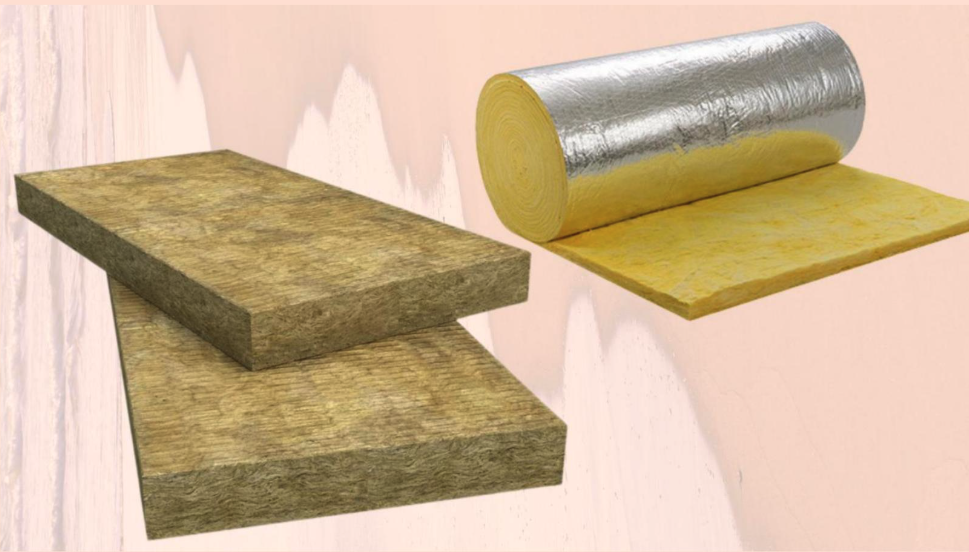
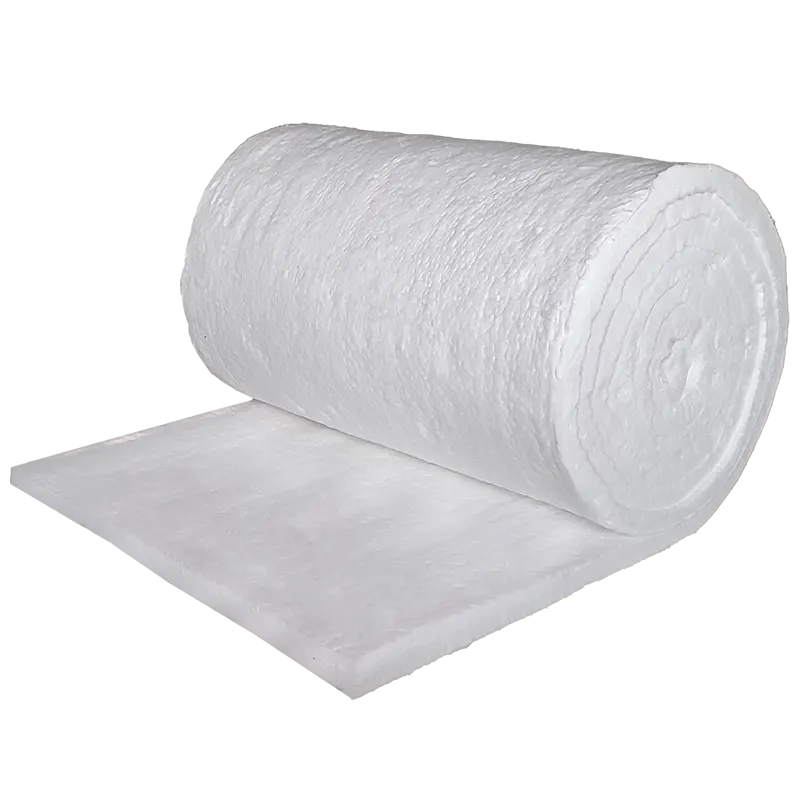
يستخدم الصوف الحجري أليافًا صخرية مغزولة لصنع ألواح صلبة. تسمح هذه الألواح بمرور الرطوبة ولن تشتعل فيها النيران. يمكنك التفكير في الأمر مثل حلوى القطن المصنوعة من الحجر.
يشكل XPS رغوة بلاستيكية صلبة ذات قشرة خارجية ناعمة. إنه يحافظ على الماء جيدًا ويعمل مثل لوح صلب. غالبًا ما يستخدمه البناة في الجدران التي يتم وضعها تحت الأرض لأنه من الصعب سحقها.
يتكون EPS من حبات بلاستيكية صغيرة مذابة معًا في كتلة. إنه خفيف الوزن وتكاليفه أقل من الخيارات الأخرى. هذه هي نفس مادة الرغوة البيضاء التي تراها تستخدم لتغليف الأجهزة الإلكترونية الجديدة.
لقطة المقاييس الحرجة: قيمة R, فئة النار & بيانات الاستقرار
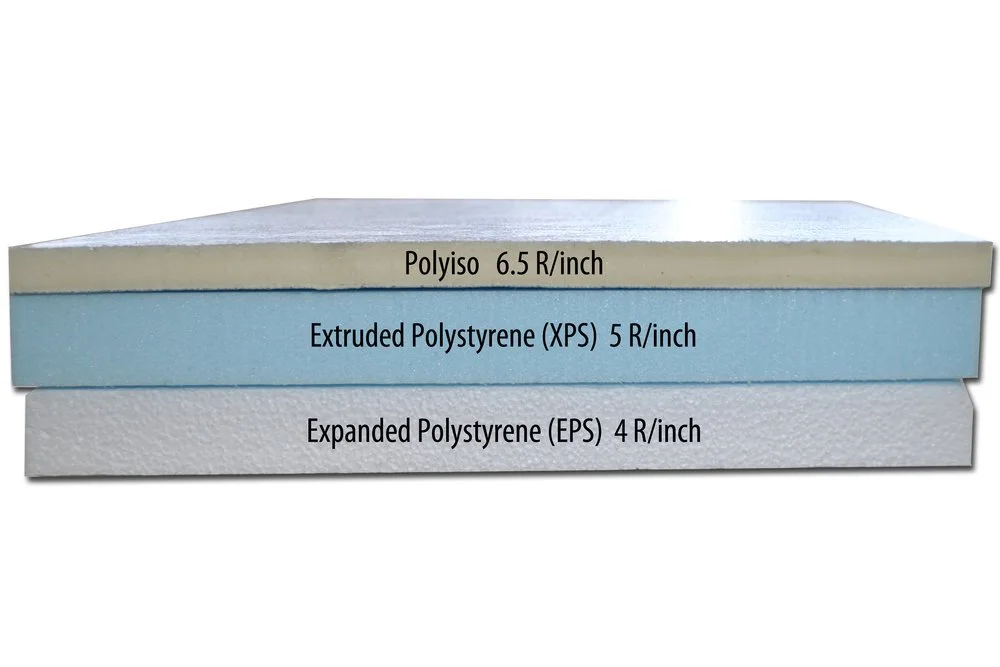
يأخذ XPS زمام المبادرة في الاحتفاظ بالحرارة عندما يكون جديدًا. إنه يوفر قيمة عزل تبلغ تقريبًا R-5.0 لكل بوصة. يتبع الصوف الصخري بشكل وثيق بأعداد أقل قليلاً.
حصل الصوف الصخري على أعلى تصنيف للسلامة من الحرائق. تم تصنيفها من فئة Euroclass A1 لأنها ببساطة لا تحترق. عادةً ما يتم تصنيف كلا النوعين من الرغوة من الفئة E ويعملان كوقود للنار.
يحتفظ الصوف الصخري بشكله الدقيق حتى عندما تتغير درجات الحرارة بشكل كبير. تواجه الرغاوي خطر الانكماش أو التزييف مع تقدم العمر. يمكن لهذه الحركة أن تخلق فجوات تسمح للحرارة بالهروب من المبنى.
الصوف الصخري مقابل. رغوة صلبة على الأداء الحراري & قيم R
بعبارات بسيطة: توفر الرغوة الصلبة مزيدًا من العزل لكل بوصة في البداية, لكن الصوف الصخري يحافظ على أدائه إلى الأبد بينما تفقد الرغوة قوتها العازلة ببطء مع تقدم العمر.
مقارنة قيمة R الأولية: كفاءة السماكة والأداء المقدر
غالبًا ما تكون الرغوة الصلبة هي الفائز إذا كان لديك مساحة محدودة جدًا للبناء. إنه يحزم الكثير من العزل في لوح رفيع. وهذا يجعله خيارًا شائعًا عندما تحتاج الجدران إلى البقاء نحيفة.
توفر رغوة Polyiso عادةً أعلى تصنيف, تقدم حوالي R-5.0 إلى R-6.0 لكل بوصة من السمك. تنخفض الرغاوي الأخرى مثل XPS وEPS بشكل طفيف ولكنها لا تزال تقدم بشكل عام أعدادًا أعلى لكل بوصة من الصوف المعدني.
الصوف الصخري أكبر قليلاً بالمقارنة. يوفر بشكل عام R-3.0 إلى R-4.2 لكل بوصة. ستحتاج إلى طبقة أكثر سمكًا قليلًا من الصوف الصخري لتتناسب مع معدل الدفء الأولي للوحة الإسفنجية عالية الأداء.
الاستقرار الحراري على المدى الطويل: انحراف القيمة R واتساق الأبعاد
وهنا يتغير الواقع الهندسي بشكل كبير. تواجه العديد من الرغاوي الصلبة ظاهرة تسمى الانجراف الحراري. وهذا يعني أن قدرتها على العزل تتناقص مع تقدم عمر المبنى.
فكر في الرغوة الصلبة مثل بالون مملوء بمادة خاصة, الغاز الثقيل. متأخر , بعد فوات الوقت, أن الغاز الخاص يتسرب ويحل محله الهواء العادي. كما يحدث هذا, تفقد المادة بعضًا من قوتها العازلة.
لا ينجرف الصوف الصخري لأنه يعتمد على الهواء المحبوس داخل الألياف الحجرية بدلاً من الغاز. يحافظ على مستوى أدائه المسمى إلى أجل غير مسمى دون آثار الشيخوخة. إنه استثمار مستقر لمبنى من المفترض أن يستمر لعقود من الزمن.
يقاوم الصوف الصخري أيضًا تغير الشكل عندما تتأرجح درجة الحرارة. يمكن للرغوة أن تتوسع وتتقلص بشكل كبير, مما قد يخلق فجوات في الطبقة العازلة لديك. يبقى الصوف الصخري أكثر استقرارًا من حيث الأبعاد بعشر مرات تقريبًا, منع تلك الفجوات تسرب الطاقة.
الصوف الصخري مقابل. رغوة صلبة على مقاومة الرطوبة & حماية الجدار الخارجي
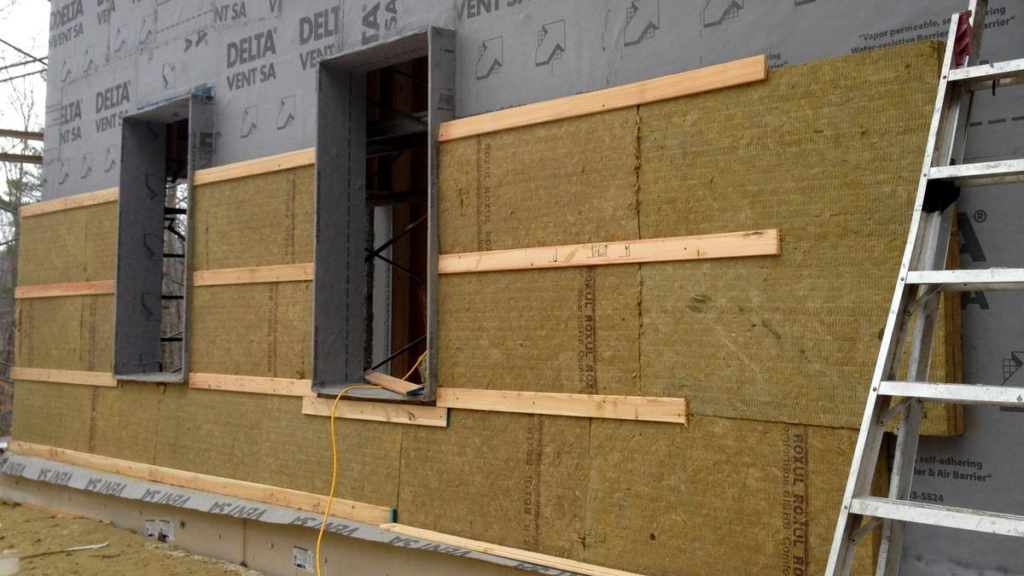
بعبارات بسيطة: فكر في الصوف الصخري وكأنه قميص رياضي يسمح بمرور الهواء ويسمح لبخار الرطوبة بالهروب, بينما تعمل الرغوة الصلبة مثل معطف واق من المطر البلاستيكي الذي يحبس الرطوبة داخل الجدار, والتي يمكن أن تؤدي إلى تعفن مخفي.
نفاذية البخار وديناميكيات التجفيف
ألواح الصوف الصخري هي مواد قابلة للتنفس بشكل طبيعي. بسمك قياسي 2 بوصة, يحافظون على معدل نفاذية بخار يبلغ حوالي 30 تجعيد. وهذا يسمح لبخار الرطوبة بالمرور بحرية عبر العزل حتى يجف المبنى بشكل طبيعي.
تعمل الألواح الرغوية الصلبة مثل XPS أو Polyiso بشكل مختلف تمامًا. تعمل عادةً كمثبطات بخار ذات نفاذية منخفضة. إذا دخلت الرطوبة إلى تجويف الجدار من الداخل, يمكن للرغوة أن تحبسها هناك مثل الحاجز.
الرطوبة المحاصرة هي السبب الرئيسي للعفن والعفن في المناخات الباردة. استخدام الصوف الحجري المنفذ يمنع تأثير حاجز البخار المزدوج الخطير. وهذا يضمن عدم تسرب حاجز البخار الداخلي, لا يزال من الممكن أن تجف مجموعة الحائط إلى الخارج.
إدارة المياه بالجملة واستقرار الأبعاد
تتوسع مواد البناء وتنكمش مع تغير درجات الحرارة. الصوف الصخري مستقر للغاية ويتحرك تقريبًا 10 مرات أقل من رغوة polyiso الصلبة. يضمن هذا الاستقرار بقاء الألواح مشدودة معًا دون تكوين فجوات.
الرغوة الصلبة عرضة للانكماش بمرور الوقت أو التحول مع تقلب درجات الحرارة. يمكن لهذه الحركة تفكيك اللحامات وكسر الختم الواقي. تعتمد تركيبات الرغوة على الشريط لإغلاق هذه اللحامات, والتي يمكن أن تتقشر أو تتحلل وتسمح بمرور الماء.
ألياف الصوف الحجري هي أيضًا كارهة للماء بشكل طبيعي, بمعنى أنها تصد الماء بدلاً من امتصاصه. هم غير الشعرية, حتى لا يمتصوا الماء إلى أعلى. يتم تصريف أي كميات كبيرة من المياه الموجودة خلف الكسوة بسرعة بدلاً من نقعها في اللوحة.
عزل الصوف الصخري الفاخر للصناعة & بناء
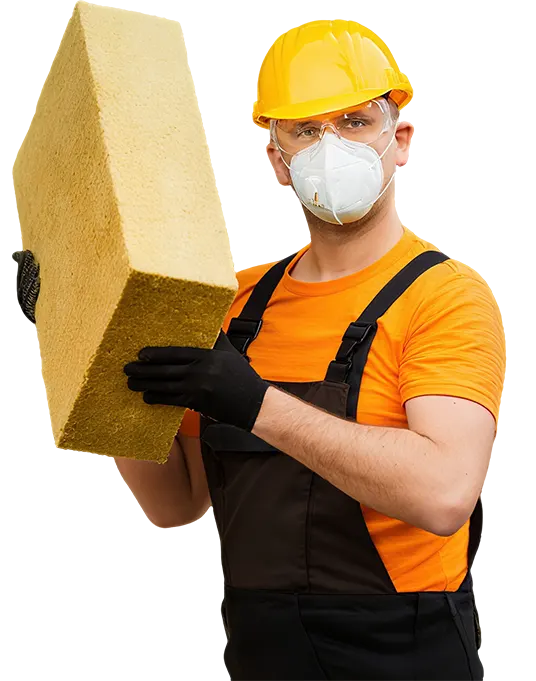
الصوف الصخري مقابل. الرغوة الصلبة للسلامة من الحرائق, متانة & التأثير البيئي
بعبارات بسيطة: الصوف الصخري مثل الحجر الذي يرفض أن يحترق, مما يجعلها أكثر أمانا للمباني الشاهقة, في حين أن الرغوة الصلبة عبارة عن مادة بلاستيكية يمكن أن تشتعل فيها النيران وغالبًا ما تتطلب دروعًا خاصة للوفاء بقوانين السلامة.
| ميزة | الصوف الصخري (الصوف الحجري) | رغوة جامدة (XPS/إبس) |
|---|---|---|
| تصنيف الحرائق | غير قابل للاحتراق (لن يحرق) | قابل للاحتراق (يمكن أن يحرق) |
| تحمل الحرارة | تصل إلى 1800 درجة فهرنهايت (982درجة مئوية) | يذوب/يشتعل عند درجات حرارة أقل بكثير |
| قواعد قانون النار | في كثير من الأحيان معفاة من الاختبارات المعقدة | يتطلب الحواجز الحرارية (NFPA 285) |
| الأساس المادي | الحجر الطبيعي والخبث المعاد تدويره | البلاستيك البتروكيميائي |
مقاومة الحريق والامتثال للقانون
يعمل الصوف الصخري تمامًا مثل الحجر الذي يصنع منه. عند تعرضه للنار, يجلس هناك دون حرق, ذوبان, أو خلق الدخان. يمكنه تحمل الحرارة الشديدة التي تصل إلى 1800 درجة فهرنهايت لأنه غير عضوي.
الرغوة الصلبة مصنوعة من البلاستيك, الذي يعمل كالوقود الصلب أثناء الحريق. لأنه يحترق بسهولة, تتطلب قوانين البناء عادةً أن تكون مغطاة بحاجز حراري مثل الفولاذ أو الحوائط الجافة السميكة. هذا يؤخر الرغوة من الاشتعال ونشر اللهب على الحائط.
للمباني الشاهقة أكثر 40 قدم, يؤدي استخدام الرغوة إلى إجراء اختبارات سلامة صارمة تُعرف باسم NFPA 285. غالبًا ما يتخطى الصوف الصخري هذه العقبات الإضافية لأنه لا يضيف أي وقود إلى المبنى. وهذا يجعله خيارًا أبسط للمهندسين المعماريين الذين يصممون المباني الشاهقة.
الاستقرار المادي والأثر البيئي
فكر في الرغوة الصلبة مثل بالون مملوء بغاز خاص. متأخر , بعد فوات الوقت, يمكن أن يتسرب هذا الغاز, مما يتسبب في فقدان الرغوة لبعض قوتها العازلة أو تغيير شكلها. يمكن أن يؤدي هذا الانكماش أو التزييف إلى خلق فجوات في الجدار حيث تتسرب الحرارة.
الصوف الصخري خامل كيميائيًا ويحافظ على شكله إلى أجل غير مسمى. لا يتقلص أو ينبعث منه غاز لأنه غير مصنوع من عوامل النفخ. وهذا يعني أن قيمة العزل التي تثبتها اليوم هي نفس القيمة التي ستحصل عليها بعد خمسين عامًا.
من وجهة نظر بيئية, يستخدم الصوف الصخري خبث الفولاذ المعاد تدويره والصخور الطبيعية. تعتمد العديد من الرغاوي على مواد كيميائية لها قدرة أكبر على تدفئة الكوكب. باستخدام الحجر بدلا من البلاستيك, يتجنب الصوف الصخري هذه المخاطر الكيميائية المحددة.
الصوف الصخري مقابل. رغوة صلبة عند التثبيت, تَعَب & التكلفة الإجمالية للمشروع
بعبارات بسيطة: تعمل الرغوة الصلبة مثل لوحة الملصقات خفيفة الوزن والتي يتم تعليقها بسرعة ورخيصة, في حين أن الصوف الصخري يشبه تركيب البلاط الحجري الثقيل الذي يكلف أكثر ويتطلب المزيد من القوة لتأمينه.
مقارنة أسعار المواد وديناميكيات عمالة التركيب
تعتبر الرغوة الصلبة عمومًا هي الفائز الواضح عند النظر إلى بطاقة السعر. تكاليف المواد عادة ما تقع بين $0.25 و $2.00 لكل قدم لوح اعتمادًا على المنتج المحدد. وهذا يجعله خيارًا صديقًا للميزانية لتغطية مساحات كبيرة بسرعة.
ألواح الصوف الصخري تأتي بتكلفة أولية أعلى. يمكنك أن تتوقع أن تدفع بين $0.80 و $1.50 لكل قدم مربع فقط للألواح نفسها. إن المواد الخام المستخدمة في صنع الصوف الحجري هي ببساطة أكثر تكلفة في إنتاجها من الرغوة البلاستيكية.
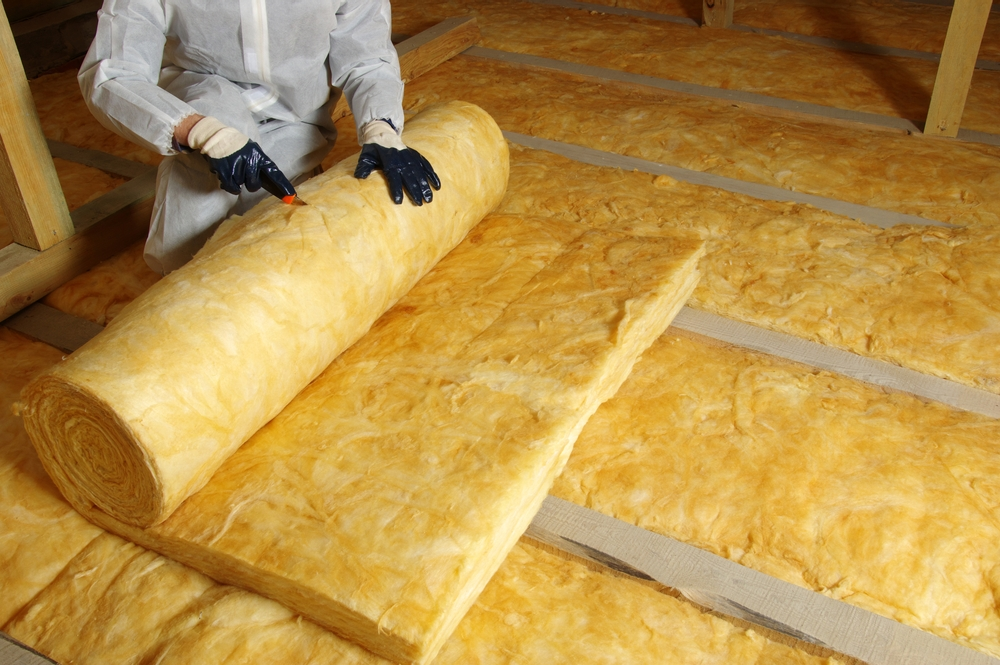
كما أن العمل المادي المطلوب لتثبيتها مختلف تمامًا. الرغوة الصلبة تأتي بحجم كبير 4×8 ملاءات قدم خفيفة وسهلة لشخص واحد لحملها. يمكن للعمال قطعها بسكين أساسي وربط اللحامات معًا في دقائق.
إجمالي تحليل التكلفة المثبتة لكل قدم مربع
عندما تجمع بين المادة والعمل, الصوف الصخري هو الخيار المتميز. عادةً ما يهبط إجمالي التكلفة المثبتة بين $1.40 و $4.00 لكل قدم مربع. ستدفع تصميمات الجدران المعقدة هذا الرقم نحو النهاية الأعلى.
توفر الرغوة الصلبة عائدًا أفضل على الاستثمار بشكل صارم من أجل قوة العزل. يسلم قيمة R 5 ل 6.5 لكل بوصة, بينما يوفر الصوف الصخري قيمة R تبلغ 3.0 ل 4.2. وهذا يعني أنك تحصل على المزيد من الحماية الحرارية مقابل كل دولار تنفقه على الرغوة.
يؤثر هذا الاختلاف أيضًا على سمك جدرانك. لتلبية قوانين البناء, ستحتاج إلى طبقة أكثر سمكًا من الصوف الصخري مقارنة بالرغوة الصلبة. وهذا يزيد من حجم المواد ويمكن أن يؤثر على التصميم العام للمبنى.
غالبًا ما يختار عمال البناء الصوف الصخري على الرغم من ارتفاع سعره. تقبل العديد من المشاريع التكاليف الإجمالية التي هي 10% ل 40% أعلى لأنهم بحاجة إلى ميزات أمان محددة. إذا كان المبنى يتطلب مواد غير قابلة للاحتراق أو جدران تسمح بخروج البخار, التكلفة الإضافية تستحق العناء.
متى تختار الصوف الصخري؟ (وعندما يكون XPS/EPS هو الخيار الأفضل)
بعبارات بسيطة: استخدم الصوف الصخري للجدران الخارجية التي تحتاج إلى مقاومة الحريق والسماح للرطوبة بالهروب, يتصرف مثل درع حجري قابل للتنفس. اختر رغوة XPS للأقبية والأرضيات الثقيلة حيث يجب أن تمنع المادة الماء وتدعم الوزن الثقيل, يتصرف مثل طوف مقاوم للماء.
| سيناريو التطبيق | أفضل خيار | لماذا يفوز |
|---|---|---|
| المناطق الحرجة للحريق | الصوف الصخري | غير قابلة للاحتراق; يقاوم الحرارة >1,000درجة مئوية. |
| الطوابق السفلية & التربة الرطبة | رغوة XPS | هيكل مقاوم للماء; يمتص <0.3% ماء. |
| البيئات الصاخبة | الصوف الصخري | الألياف الكثيفة تحبس الموجات الصوتية بشكل فعال. |
| تحت ألواح خرسانية | رغوة XPS | قوة ضغط عالية (ما يصل الى 100 رطل لكل بوصة مربعة). |
| المناخات الرطبة | الصوف الصخري | نفاذية عالية; يتيح للجدران أن تجف. |
أفضل حالات الاستخدام للصوف الصخري: السلامة من الحرائق & نفاذية البخار
فكر في الصوف الصخري وكأنه سترة من الصوف الثقيل لمنزلك. إنه يحافظ على الحرارة بداخله, ولكنه يسمح أيضًا للرطوبة من داخل المنزل بالهروب حتى لا تتعرض للجدران الرطبة. إنه الخيار الأفضل عندما تكون السلامة والتجفيف هي أهدافك الرئيسية.
هذه المواد إلزامية للمباني التي يجب أن تستوفي قواعد مكافحة الحرائق الصارمة. يمكن للصوف الصخري أن يتحمل درجات حرارة تزيد عن 1000 درجة مئوية دون أن يذوب أو يشتعل. وهذا يجعلها طبقة أمان مهمة للجدران الخارجية.
كما أنه الخيار الأمثل للمناطق الصاخبة, مثل شقق المدينة أو المباني القريبة من الطرق السريعة. يحبس هيكل الألياف الكثيفة الموجات الصوتية بشكل أفضل بكثير من الرغوة الصلبة. وهذا يخلق بيئة داخلية أكثر هدوءًا وسلامًا.
أخيراً, اختر الصوف الصخري عندما يحتاج تصميم حائطك إلى ذلك “يتنفس.” في المناخات الرطبة, غالبًا ما يتم احتجاز الرطوبة داخل الجدران. يسمح الصوف الصخري لهذا البخار بالمرور والتبخر, مما يساعد على منع نمو العفن الخطير.
أفضل حالات الاستخدام لـ XPS/EPS: أقل من الدرجة & تطبيقات التحميل العالي
فكر في رغوة XPS مثل لوح ركوب الأمواج. انها خفيفة الوزن, قوي جدا, ومقاوم للماء تمامًا حتى عندما يبقى في الماء لفترة طويلة. وهذا يجعلها بطلة أي عزل يلامس الأرض.
XPS هو الاختيار القياسي للأقبية والأساسات. بسبب بنيتها الخلوية المغلقة, فهو لا يمتص الماء تقريبًا (فقط حول 0.3%). يؤدي ذلك إلى إبقاء الطابق السفلي جافًا ودافئًا حتى لو كانت التربة بالخارج مبللة.
يجب عليك أيضًا استخدام XPS للأرضيات التي تحتاج إلى تحمل وزن ثقيل, مثل المرآب أو المستودع الصناعي. لديها قوة ضغط عالية, مما يعني أنه يمكن أن يدعم ما يصل إلى 100 رطل لكل بوصة مربعة دون أن يتم سحقها. يعد هذا أمرًا ضروريًا عند صب ألواح خرسانية ثقيلة فوق العزل.
للمشاريع ذات الميزانية المحدودة, ربحية السهم (البوليسترين الموسع) هو بديل جيد. إنها ليست قوية أو مقاومة للماء مثل XPS, لكنها أقل تكلفة. إنه يعمل بشكل جيد مع التحديثات الخارجية البسيطة حيث لا يحتاج العزل إلى دعم الأحمال الثقيلة.
كيفية اختيار أفضل عزل للجدران الخارجية لمشروع المبنى الخاص بك
بعبارات بسيطة: يعد اختيار المادة المناسبة بمثابة مقايضة بين الحجم والسلامة. إذا كان لديك مساحة صغيرة جدا, اختر الرغوة الصلبة لأنها رقيقة وقوية. إذا كنت تريد مبنى يقاوم الحريق بشكل طبيعي ويسمح للجدران الرطبة بالجفاف, اختيار الصوف الصخري.
تحديد قيود المشروع: المناطق المناخية وسمك الجدار
خطوتك الأولى هي التحقق من القواعد الخاصة بموقعك المحدد. وزارة الطاقة (وزارة الطاقة) يحدد الحد الأدنى من أهداف العزل, المعروفة باسم قيم R, هذا التغيير يعتمد على مدى برودة مناخك. أنت بحاجة إلى معرفة هذا الرقم المستهدف قبل أن تنظر إلى المواد.
بمجرد حصولك على هدفك, انظر إلى المساحة المادية المتوفرة في جدرانك. الرغاوي الصلبة مثل XPS أو Polyiso كثيفة جدًا, مما يعني أنها توفر مقاومة عالية للحرارة في لوح رفيع جدًا. هذا يشبه ارتداء التكنولوجيا الفائقة, سترة حرارية رقيقة تبقيك دافئًا بدون حجم كبير.
يعمل الصوف الصخري بشكل مختلف ويتطلب سمكًا أكبر للقيام بنفس المهمة. إذا كنت تقوم بتجديد مبنى قديم حيث يتم احتساب كل بوصة من المساحة الأرضية, قد يكون من الضروري استخدام المظهر الجانبي الرقيق للرغوة الصلبة. غالبًا ما تدفع أكثر مقابل الرغوة, لكنه يوفر مساحة قيمة داخل المبنى.
وزن أولويات الأداء: السلامة من الحرائق, التحكم في الرطوبة, والميزانية
يجب عليك أن تقرر ما إذا كانت السلامة من الحرائق هي أولويتك القصوى المطلقة. الصوف الصخري مصنوع من الحجر الفعلي, لذلك لا يمكن أن يحترق ولا يحتاج إلى مواد كيميائية خاصة ليكون آمناً. وهذا يجعله الاختيار القياسي للمباني الشاهقة حيث تكون قواعد مكافحة الحرائق صارمة للغاية.
يعد التعامل مع المياه فرقًا رئيسيًا آخر بين هذه المواد. تعمل الرغوة الصلبة كحاجز بلاستيكي يمنع الماء تمامًا, وهو مثالي للأقبية أو ظروف التربة الرطبة. الصوف الصخري يشبه سترة الصوف; فهو يتنفس ويسمح لبخار الماء بالهروب, مما يساعد على تجفيف الجدران الرطبة لمنع التعفن.
أخيراً, انظر إلى أهدافك البيئية وميزانيتك. يمكن أن تكون الرغاوي القياسية أرخص، ولكنها غالبًا ما تستخدم مواد كيميائية أكثر ضررًا على البيئة. يعتبر الصوف الصخري بشكل عام أكثر صداقة للبيئة لأنه مصنوع من الخبث المعاد تدويره والصخور الطبيعية, على الرغم من أن تركيبه قد يكون أكثر تكلفة بسبب وزنه.
نبذة عن شركة العزل الحراري الصينية
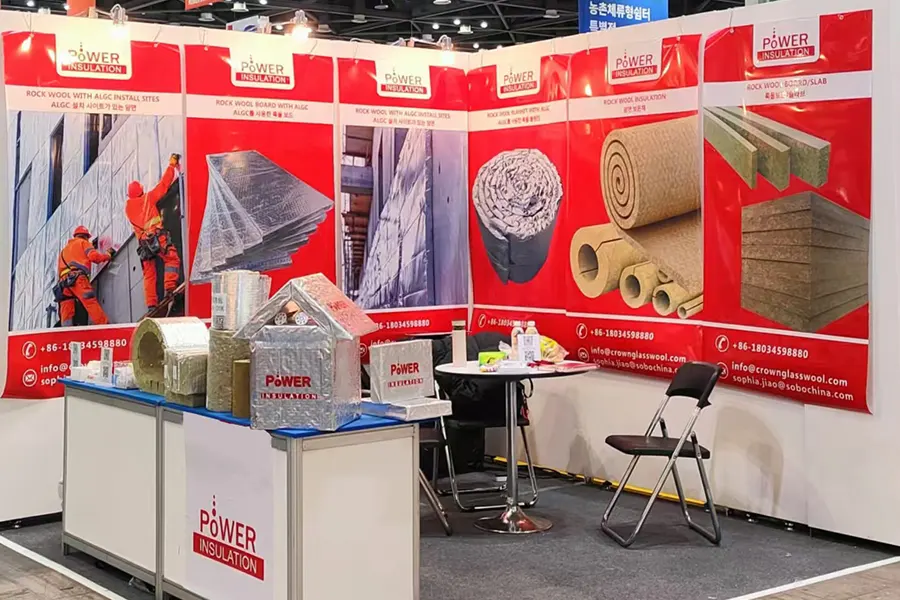
بعبارات بسيطة: شركة العزل الحراري الصينية هي شركة تصنيع كبيرة و مصنعي الصوف الصخري الذي يحول الصخور والمعادن إلى عوازل مقاومة للحريق للمباني والمصانع, على غرار الطريقة التي يحول بها المخبز الدقيق إلى خبز ولكن من أجل السلامة الصناعية.
البنية التحتية للتصنيع وقدرات التخصيص
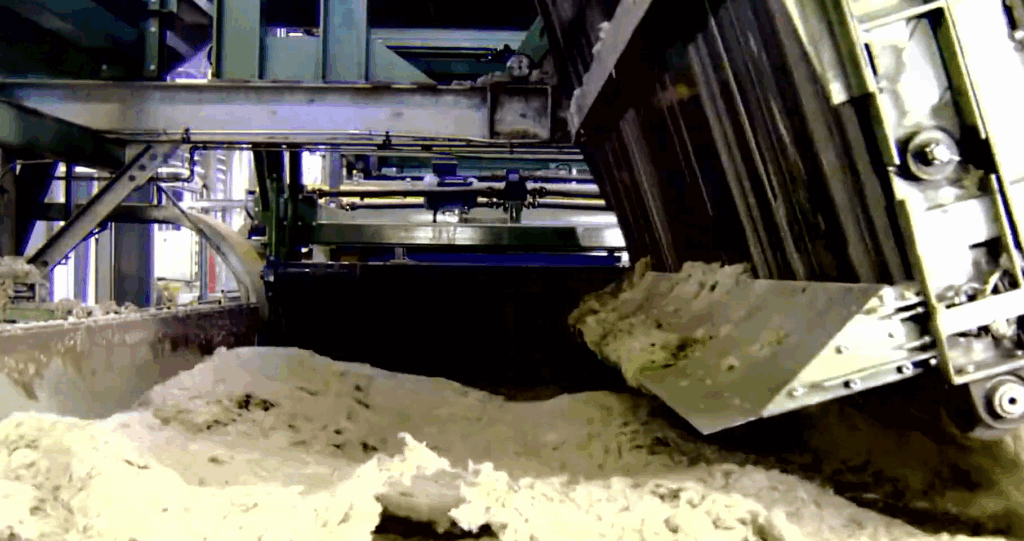
تدير الشركة مصنعًا ضخمًا يغطي 40,000 متر مربع. تتيح لهم هذه المساحة الكبيرة تحويل المعادن الخام إلى ألياف قوية وتشكيلها إلى منتجات نهائية. وهي مجهزة بآلات خاصة للتعامل مع الحرارة العالية اللازمة للمعالجة.
لديهم فريق من أكثر 26 المهندسين الذين يساعدون في تصميم هذه المنتجات. وهذا يعني أنه يمكنهم صنع العزل بأشكال محددة, الأوزان, أو الأحجام حسب ما يحتاجه العميل. إنه مثل طلب بدلة مصممة خصيصًا بدلاً من شراء واحدة من على الرف.
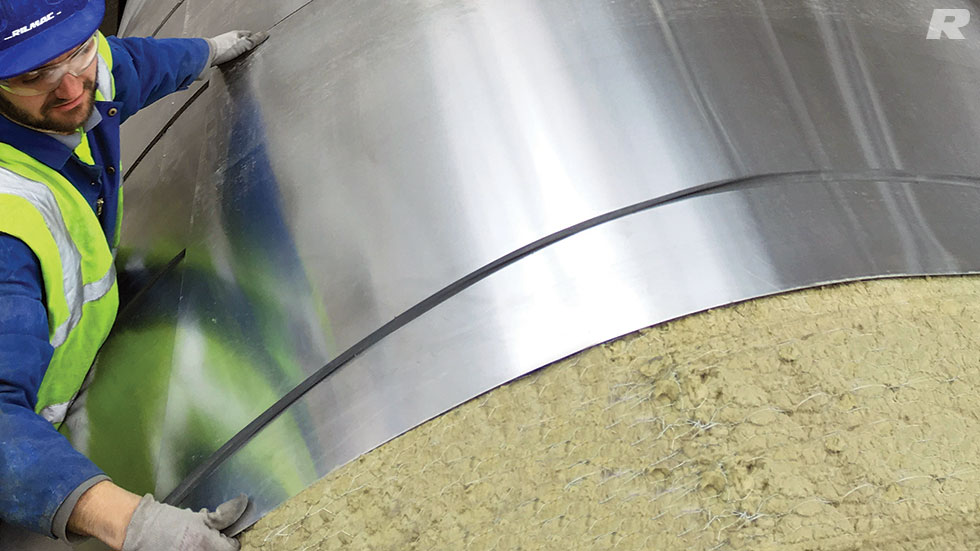
تنتج أجهزتهم بطانيات مرنة, لوحات صلبة, والأنابيب المجوفة. تم تصميم هذه الأجزاء لتتناسب تمامًا مع الأفران الصناعية أو داخل جدران المبنى. هذا التنوع يضمن لهم الحق “درع” لأي نوع من المعدات.
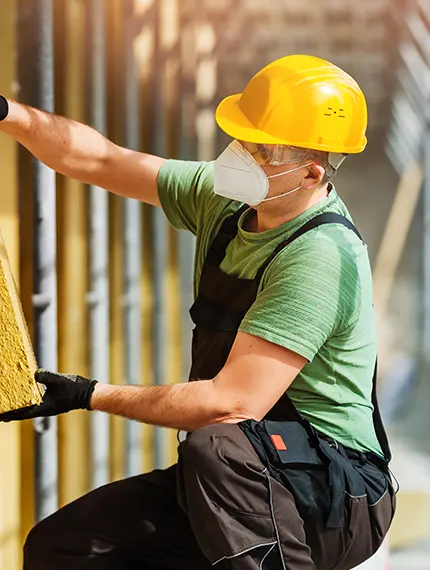
إنهم يستخدمون تقنية خاصة لصنع ألياف أكثر أمانًا للعمال في التعامل معها. تعمل هذه العملية أيضًا على تقليل المواد الكيميائية الضارة مثل الكلوريد. إنه يجعل العزل أفضل للبيئة وأكثر أمانًا للأشخاص الذين يقومون بتثبيته.
المعايير الفنية, الشهادات, ومقاييس الأداء
تتبع منتجاتها القواعد الدولية الصارمة مثل ASTM C612 وEN13501. تعمل هذه القواعد كبطاقة تقرير تثبت أن العزل يعمل بشكل صحيح. ويؤكد أن المادة آمنة للاستخدام في المنازل والمباني التجارية.
الصوف الصخري الذي يصنعونه فعال جدًا في منع الحرارة من الحركة. لديها تصنيف محدد يوضح أنها تحافظ على الحرارة داخلها أو تخرجها بكفاءة عالية. وهذا يساعد أصحاب المباني على توفير المال الذي ينفقونه على فواتير الطاقة مع مرور الوقت.
لديهم شهادات مهمة مثل ISO9001 و CE. فكر في ذلك كختم موافقة يثبت أن كل دفعة يقومون بها تلبي معايير السلامة العالية. يضمن بقاء الجودة كما هي مع كل طلب.
يصوغون العزل ليكون كثيفًا وثقيلًا. يساعد هذا الوزن الزائد على منع الضوضاء العالية من المرور عبر الجدران. كما أنه يمنع انتشار النار لفترة أطول, إعطاء الناس المزيد من السلامة أثناء حالات الطوارئ.
الأسئلة المتداولة
كيف تمنع نفاذية الرطوبة للصوف الصخري التعفن في مجموعات الحوائط?
يعمل الصوف الصخري كقميص رياضي قابل للتنفس للمبنى الخاص بك. إنها 98% مسامية, مما يسمح ببخار الماء (مثل البخار) للمرور من خلاله, حتى في حين أنه يمنع الماء السائل.
يتيح ذلك لأي رطوبة محاصرة داخل جدرانك الهروب والجفاف بشكل طبيعي. عن طريق ترك الجدار “يتنفس,” فهو يحافظ على جفاف الأزرار الخشبية والأغلفة.
في المقابل, يعمل العزل الرغوي بشكل أشبه بكيس بلاستيكي. يمكن أن يحبس الرطوبة داخل تجويف الجدار, مما يبقي الأشياء رطبة ويزيد بشكل كبير من خطر التعفن مع مرور الوقت.
ما هي النسبة المئوية النموذجية لتخفيض قيمة R في XPS؟ 15 سنين?
تعتمد الإجابة بشكل كبير على مدى رطوبة الرغوة. في الاختبارات المعملية الجافة, تفقد رغوة XPS القليل جدًا من قوتها العازلة (قيمة R) متأخر , بعد فوات الوقت.
لكن, اختبارات العالم الحقيقي تحكي قصة مختلفة, خاصة في المناطق الرطبة تحت الأرض. يمكن أن تفقد رغوة XPS حوالي 50% من قوتها في الحفاظ على الدفء بعد 15 سنوات لأنه يمتص الماء.
يختلف الصوف الصخري لأنه يطرد الماء بشكل طبيعي. ويحافظ على أدائه الحراري المستقر إلى الأبد, بغض النظر عن مقدار الوقت الذي يمر.
هل ألواح الصوف الصخري فعالة من حيث التكلفة لإعادة تأهيل الواجهات التجارية الحالية?
نعم, خاصة عندما تنظر إلى التكاليف طويلة المدى. في حين أن تكلفة المادة نفسها تتراوح ما بين 6 إلى 9 دولارات للقدم المربع, فهو يوفر المال في المجالات الحيوية الأخرى.
على سبيل المثال, الصوف الصخري مقاوم للحريق بشكل طبيعي. وهذا يعني أنك لا تحتاج إلى شراء وتطبيق طبقات الحماية من الحرائق باهظة الثمن التي يتطلبها العزل الرغوي.
يمكنك أيضًا توفير فواتير الطاقة كل عام. زيادة 30 سنين, عادةً ما يؤدي توفير الطاقة وتكاليف الصيانة المنخفضة إلى تحقيق عائد قوي يتراوح بين 5 و6% على استثمارك.
ما هو تأثير ضوء الشمس (التعرض للأشعة فوق البنفسجية) في عملية التثبيت للصوف الصخري مقابل. XPS?
يعمل ضوء الشمس مثل الكريبتونيت في عزل الرغوة, لكنها ليست مشكلة بالنسبة للصوف الصخري. إذا بقيت رغوة XPS في الشمس لأكثر من ذلك 30 ل 60 أيام, فيبدأ بالتحلل والتحول إلى غبار.
وهذا يجبر البناة على السباق ضد الزمن. يجب عليهم جدولة أغطية وقائية صارمة لمنع تعرض السطح للتلف.
يتعامل الصوف الصخري مع الشمس بشكل أفضل. قد يتغير لونه قليلاً, لكنها تظل قوية وتحافظ على قوتها العازلة حتى أثناء التأخير الطويل في البناء.