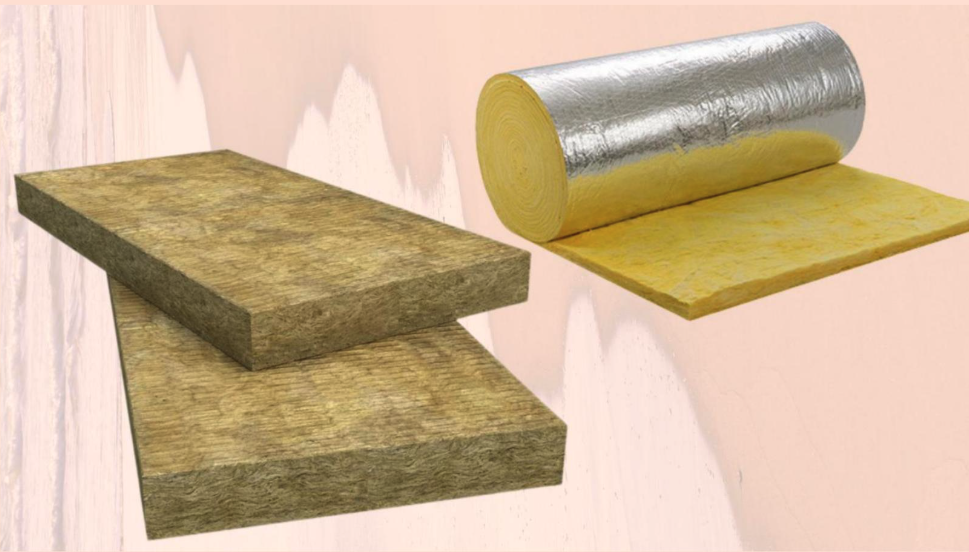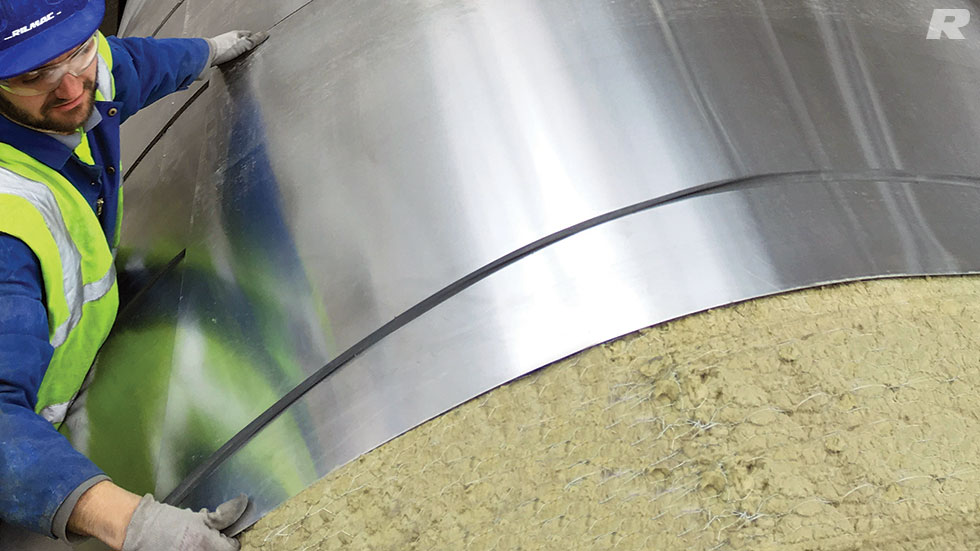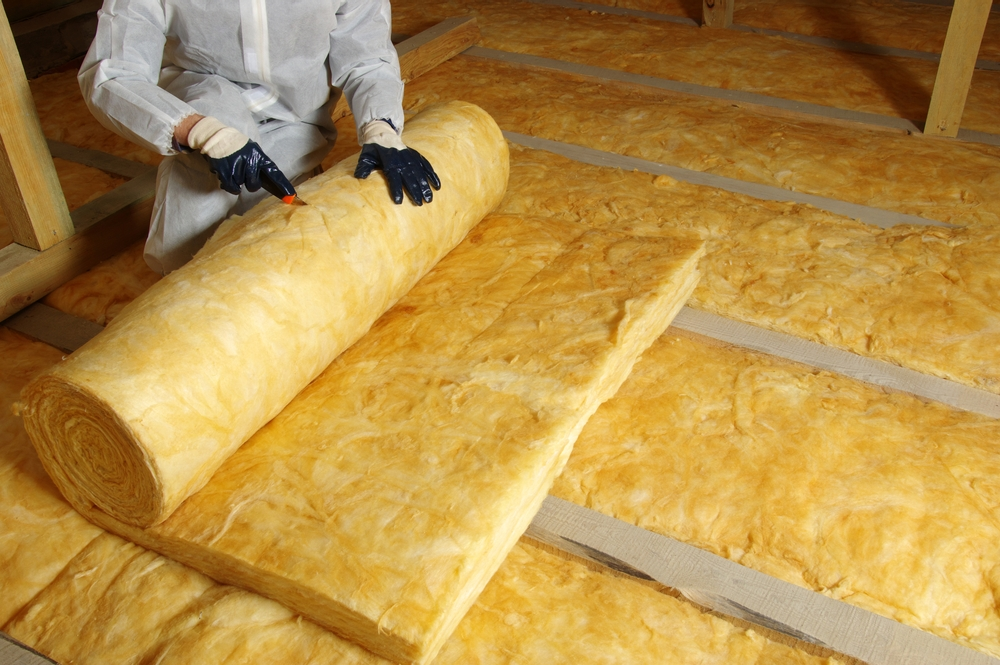
Effective ceramic fiber recycling is the critical line of defense against steep environmental disposal fees and potential regulatory non-compliance. Many industrial facilities treat used refractory ceramic fiber (RCF) as simple waste, overlooking both its recyclable potential and the specific handling protocols required for safe disposal. This approach not only inflates operational costs through ever-increasing landfill fees but also exposes companies to liabilities tied to improper waste management and long-term environmental impact.
This guide provides a technical breakdown of the entire ceramic fiber lifecycle, from use to disposal. We will cover validated recycling methods, outline compliant environmental disposal protocols for non-recyclable materials, and detail the health risks associated with fiber handling. The goal is to establish a clear standard operating procedure for managing RCF waste, helping your facility improve sustainability metrics and ensure a safer, more cost-effective operation.
What is Ceramic Fiber Recycling
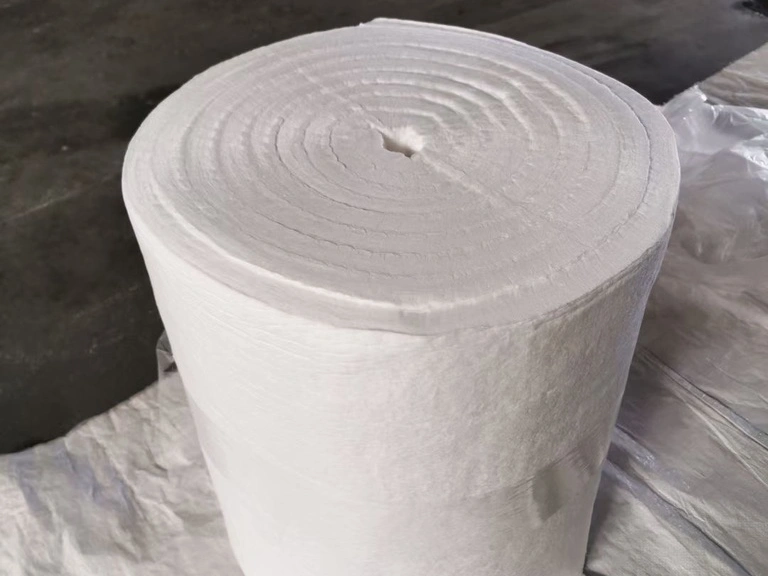
Ceramic fiber recycling is a critical practice in high-temperature industries, driven by regulatory compliance and ESG goals, using hybrid mechanical and thermal processes to recover up to 95% of material for reuse in new insulation and composite products.
Industrial Drivers for Recycling
The push to recycle ceramic fiber is a direct response to tightening environmental regulations and health standards. Industries like steel, aerospace, and petrochemicals face increasing pressure to manage waste streams responsibly. Compliance with health and safety standards, such as those from OSHA and REACH, is a major factor. This operational necessity also aligns with corporate Environmental, Social, and Governance (ESG) commitments, making recycling a key component of a sustainable business model.
Recycling Processes and Material Recovery
Modern recycling techniques are multi-stage, combining mechanical processes like shredding with advanced thermal treatments such as vitrification. This hybrid approach is effective, enabling material recovery rates to reach as high as 95% from used fiber waste. For materials contaminated during industrial use, licensed thermal and chemical processing facilities are required to ensure safe handling and proper decontamination before the fibers can be recovered.
Applications for Recycled Materials
Recovered ceramic fibers are repurposed into valuable industrial materials, offering a practical alternative to landfill disposal. The primary applications for these recycled fibers are new, lower-grade insulation products and composite materials suitable for various industrial uses. While achieving a complete 100% circular loop remains a technical challenge, this recovery pathway provides a viable route toward greater sustainability for high-temperature industries that rely on ceramic fiber insulation.
Environmental Impact of Ceramic Fiber
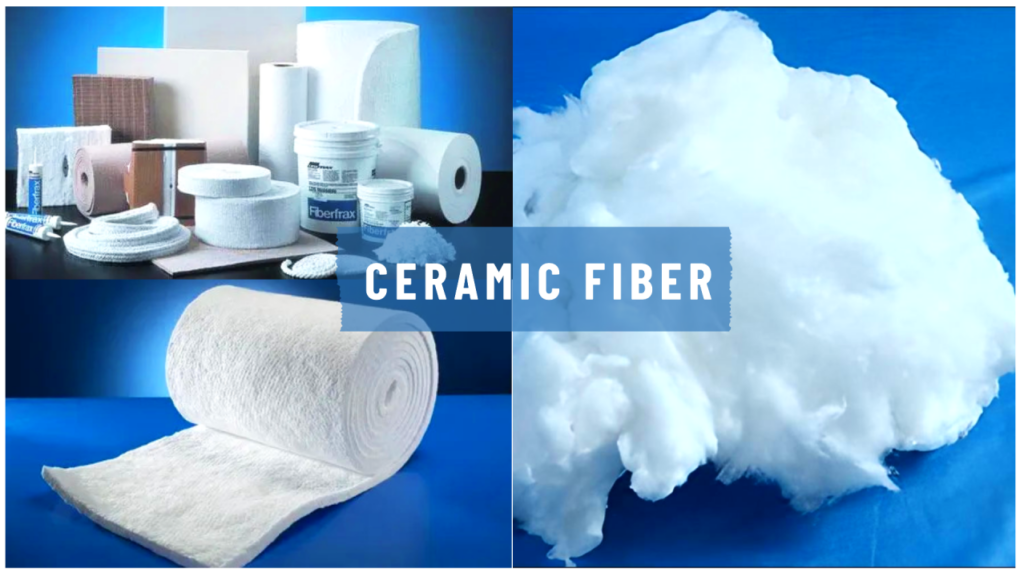
The environmental profile of ceramic fiber is defined by a trade-off: its high-performance insulation saves significant operational energy, but its production is energy-intensive and its disposal presents long-term challenges.
Energy Consumption During Manufacturing
The production of ceramic fiber is an energy-intensive process, which remains a primary environmental concern. The high-temperature melting required to create the fibers contributes heavily to the industry’s carbon footprint. Manufacturers are actively adopting more efficient heating technologies to mitigate this impact, focusing on designs that reduce ambient heat loss.
- As of 2026, energy-efficient manufacturing advancements are delivering up to 30% reductions in process heat loss.
- Ongoing investment in alternative heating methods, such as microwave technology, aims to further lower energy consumption and improve production efficiency.
- These improvements help balance the energy invested in production against the significant energy savings the final product provides during its operational life.
Bio-Persistence and Material Safety
The environmental persistence of traditional fibers is a key issue. In response, the industry is shifting toward low bio-persistent (LBP) fibers that dissolve more readily within biological systems. This innovation directly reduces long-term ecological and health risks associated with fiber exposure.
- LBP fibers are engineered with rapid dissolution rates to minimize their impact if inhaled or released into the environment.
- The development of bio-based raw materials is an emerging trend to create more sustainable fiber alternatives that align with circular economy principles.
- These innovations address both environmental safety and workplace health standards, making the material safer throughout its lifecycle.
Waste Management and Recycling Challenges
Managing ceramic fiber waste at the end of its service life is a significant operational challenge. While overall recycling rates are still low, circular economy models are being developed to improve fiber recovery and create new value streams from used materials.
- Current recycling rates for post-consumer ceramic fiber are below 20%, which means most used material ends up in landfills.
- New circular models focus on recovering fibers from composite waste for reuse in new insulation products, reducing the need for virgin materials.
- Enhanced waste management protocols are being implemented to support greater material recovery and improve the industry’s sustainability footprint.
Methods for Recycling Ceramic Fiber
The industry is shifting from basic mechanical and chemical processing to integrated, multi-stage systems that combine techniques to achieve material recovery rates as high as 95%.
Mechanical and Chemical Recycling
Foundational recycling practices for used ceramic fiber involve both mechanical breakdown and chemical transformation. These methods serve as the initial stages in most recycling workflows. Mechanical processes, such as industrial shredding and re-fiberizing, physically break down used insulation materials into a reusable fibrous form. Chemical processes like vitrification take a different approach, melting the waste fibers to create a stable, non-hazardous, glass-like substance.
Hybrid and Multi-Stage Approaches
Modern recycling operations are moving toward integrated systems that combine different techniques for higher efficiency and material recovery. These hybrid systems merge mechanical pre-processing with subsequent chemical treatments to improve purification and maintain the quality of the recovered fibers. By using a multi-stage workflow, facilities can maximize the amount of material repurposed while minimizing the final volume of waste that requires disposal. This approach is becoming the industry standard for achieving high recovery yields.
| Recycling Method | Process Description | Typical Recovery Rate |
|---|---|---|
| Mechanical Recycling | Physical breakdown of used materials through shredding or grinding into reusable fiber forms. | Variable; primarily used as a pre-processing step for other methods. |
| Chemical Recycling (Vitrification) | Melting fibers at high temperatures to create a stable, non-leachable, glass-like slag. | Focuses on safe encapsulation rather than direct fiber recovery. |
| Hybrid / Multi-Stage Systems | Combines mechanical and chemical processes to maximize purification and material yield. | Up to 95% |
Advanced Decontamination and Fiber Separation
Newer recycling technologies are designed to address material integrity and safety concerns, often driven by strict regulatory standards from bodies like OSHA and REACH. Advanced decontamination processes focus on removing impurities, such as binders or contaminants from industrial use, before the fibers are repurposed. In parallel, selective recycling techniques use sophisticated sorting systems to isolate specific fiber types.
This separation improves the quality and consistency of the final recycled product, reduces potential environmental exposure, and creates higher-value raw material for new manufacturing.
Health Risks of Ceramic Fiber: Facts and Solutions
Key Health Risks Associated with Fiber Exposure
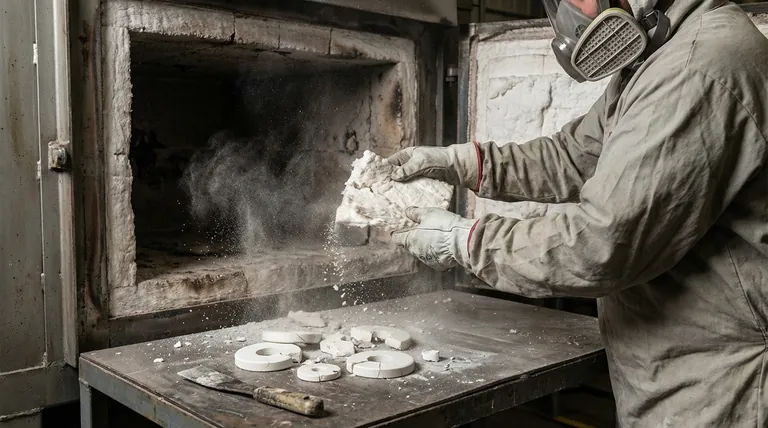
Occupational exposure to ceramic fibers can pose significant health risks, particularly to the respiratory system. In 2026, industry awareness is focused on mitigating long-term complications through proactive safety measures and material science improvements. The primary concern is the inhalation of fine, airborne fibers during handling, installation, or removal of insulation materials.
- Risk of developing lung cancer from prolonged or repeated inhalation.
- Potential for pleural plaques, a non-cancerous thickening of the lung lining that can indicate significant past exposure.
- General respiratory complications and irritation, including chronic coughing and shortness of breath.
Regulatory Standards and Exposure Limits
To protect workers, regulatory bodies like OSHA enforce strict exposure limits for airborne ceramic fibers. These standards are a critical part of industrial safety protocols in high-temperature environments. Compliance is not optional; it’s a fundamental requirement for operating safely and avoiding legal penalties. These regulations are periodically reviewed to reflect the latest scientific findings.
- Adherence to occupational exposure limits, such as a Time-Weighted Average (TWA) of 0.5 fibers per cubic centimeter (f/cm³).
- Implementation of industry-wide stewardship programs that promote best practices for handling and safety.
- Continuous air quality monitoring to ensure workplace safety standards are consistently met and adjusted as needed.
Engineering Controls and Workplace Safety Protocols
Effective solutions for minimizing fiber exposure rely on a combination of engineered systems and standardized workplace practices. The goal is to contain or remove fibers at the source, preventing them from becoming airborne. These controls are the first line of defense in any facility handling ceramic fiber materials.
- Installation of advanced ventilation and dust collection systems to manage airborne particles effectively.
- Use of HEPA-equipped vacuums and wet-cleaning methods for workplace maintenance instead of dry sweeping.
- Mandatory use of personal protective equipment (PPE), including appropriate respirators, gloves, and coveralls for all personnel in high-risk areas.
- Comprehensive worker training on safe handling techniques, decontamination, and emergency procedures.
Innovations in Safer Fiber Materials
Manufacturers are actively developing alternative fiber materials with improved safety profiles. These innovations aim to reduce inherent health risks without compromising the critical thermal performance required in industrial applications. The market is steadily shifting towards these next-generation materials as a primary risk mitigation strategy.
- Development of more soluble fiber variants that the body can clear from the lungs more easily and quickly.
- Production of larger-diameter fibers that are less likely to be inhaled deeply into the sensitive regions of the respiratory system.
- Increased focus on low bio-persistent (LBP) and bio-soluble fiber products as safer, commercially viable alternatives in many applications.
Challenges and Limitations in Recycling
Effective ceramic fiber recycling is currently constrained by material degradation, high energy costs, regulatory complexity, and a lack of specialized infrastructure.
Technical and Regulatory Hurdles
Recycling ceramic fiber faces major technical and regulatory roadblocks. Because the material is non-biodegradable, it poses significant health and contamination risks, placing it under strict compliance rules from bodies like OSHA and REACH. These standards dictate handling and processing protocols, adding layers of operational complexity and cost that can deter wider adoption of recycling programs.
- Separating ceramic fibers from other industrial waste is a complex and often incomplete process.
- Improper disposal can lead to environmental contamination and health hazards, requiring specialized handling.
- Meeting stringent regulatory standards for waste management adds significant operational costs.
Material Quality Degradation
The recycling process itself can damage the structural integrity of ceramic fibers, reducing their quality and suitability for reuse in demanding high-temperature applications. Each processing cycle shortens and weakens the fibers, which diminishes their thermal performance. Complete material recovery is not yet achievable with current technology.
- Each processing cycle can shorten and weaken the fibers, diminishing their thermal performance.
- Even advanced hybrid methods that combine mechanical shredding and vitrification only achieve about 95% material recovery at best.
- Contaminants can easily be introduced during collection, further degrading the final recycled product.
High Energy Demand and Cost
Current recycling techniques, such as vitrification or mechanical shredding, are extremely energy-intensive. The high operational costs associated with these processes often make recycling economically unviable on a large scale. The financial return from the recovered material frequently fails to offset the substantial expense of energy, labor, and hazardous waste management.
- Processes required to break down and reform fibers consume substantial amounts of energy.
- The cost of managing hazardous waste byproducts during recycling adds to the financial burden.
- The economic value of the recovered material may not justify the high cost of processing.
Environmental Disposal Methods for Waste Fibers
Regulatory Compliance for Waste Management
By 2026, the disposal of industrial waste fibers is guided by strict international standards. Regulations like REACH (Registration, Evaluation, Authorisation and Restriction of Chemicals) and OSHA (Occupational Safety and Health Administration) govern the entire waste lifecycle. Adherence ensures that chemical safety is maintained and that workers are protected during collection, handling, and transport. Proper documentation is not optional; it is a required component for demonstrating full compliance with environmental and safety protocols.
Best Practices for Fiber Collection and Handling
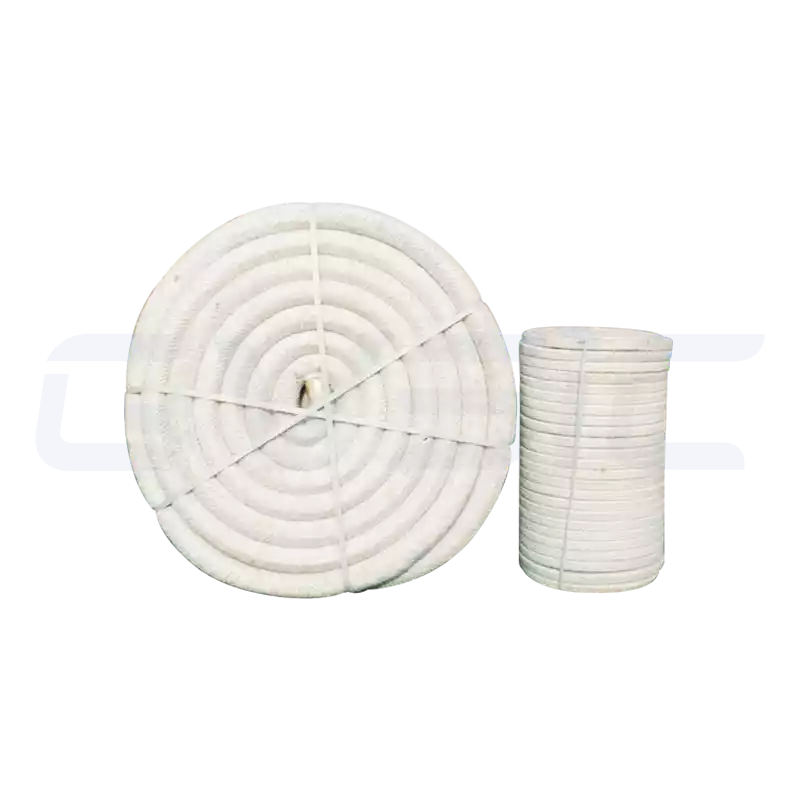
Effective waste management starts at the source with disciplined on-site collection. The primary goal is containing fibers to prevent airborne release. Immediately after removal, waste fibers must be placed in sealed, clearly labeled containers. Direct landfilling or incineration is no longer a best practice; the industry standard is to partner with professional recycling facilities.
| Disposal Method | Key Characteristics | Compliance & Outcome |
|---|---|---|
| Specialized Recycling Facility | Sealed transport; hybrid recovery (mechanical/thermal); partnership with licensed handlers. | Achieves up to 95% material recovery; meets ESG goals; REACH/OSHA compliant. |
| Direct Landfilling/Incineration | Unsealed disposal; risk of airborne fiber release; no material recovery. | Violates regulations; causes environmental contamination; creates health hazards. |
Advanced Recycling and Recovery Technologies
Modern recycling technologies are enabling a circular economy for ceramic fiber waste. Hybrid methods that combine mechanical shredding, thermal processing, and chemical treatments achieve material recovery rates of up to 95%. These innovations turn industrial waste back into usable materials for low-grade insulation or composites. The adoption of low bio-persistent fibers also simplifies the disposal process, as these materials dissolve more quickly and pose fewer long-term environmental risks. Investment in these technologies is driven by clear ROI from cost savings, improved resource efficiency, and sustainability targets.
Custom Ceramic Fiber for High-Temperature Performance
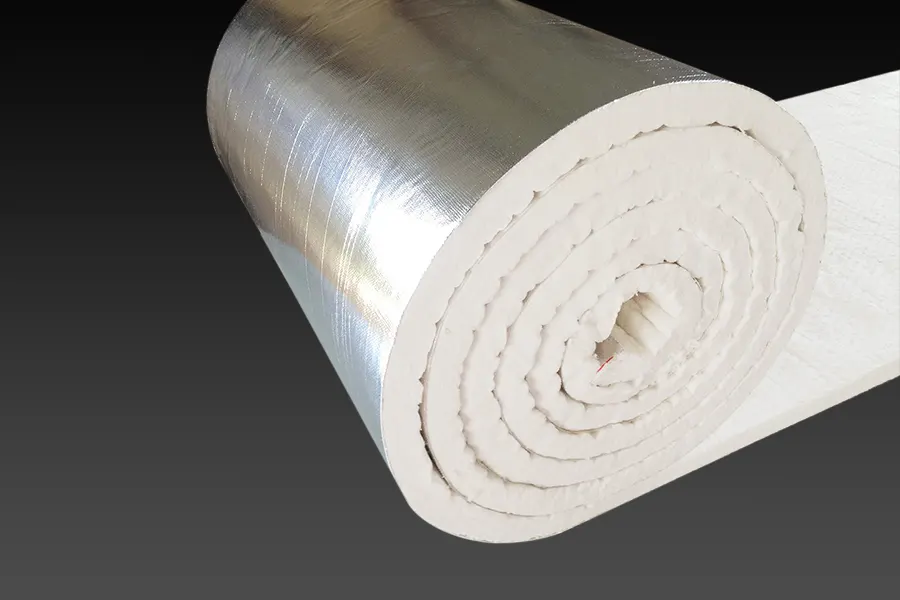
Why Choose RPower?
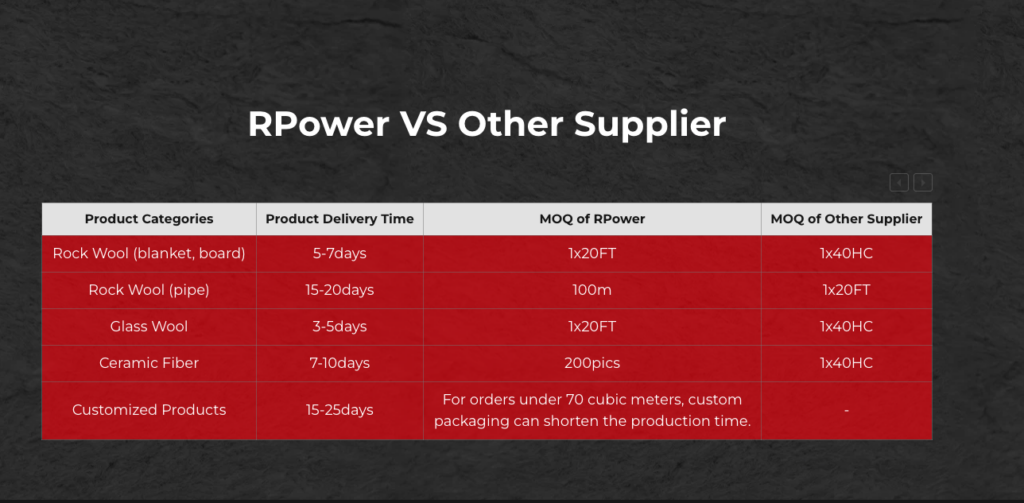
From raw fiber production to global delivery, we manage every stage internally to ensure consistent quality, complete traceability, and a reliable supply chain. Our vertically integrated process guarantees stable performance, adherence to specifications, and dependable supply for projects of any scale.
Flexible OEM / ODM / Private Label Services
We support diverse B2B needs—from fully customized materials built to exact specifications to pre-engineered or ready-to-market solutions. Clients can rely on our flexibility to translate engineering, branding, and market requirements into efficient, certified production.
Advanced Fabrication Capabilities
With advanced equipment and technical expertise, we produce precise and complex insulation components beyond standard forms. Our processes include CNC shaping, die-cutting, composite layering, and surface treatments that enhance durability and resistance.
Quality and Sustainability
All RPower products are manufactured in ISO-certified facilities and meet international standards for safety and performance. Our materials are CE-compliant, feature low thermal conductivity and high thermal stability, and are available in sustainable, bio-soluble fiber options for safer and more eco-friendly applications.
Frequently Asked Questions
Is ceramic fiber eco-friendly?
Ceramic fiber presents a complex environmental profile. Its manufacturing process is energy-intensive, requiring high temperatures to melt raw materials. However, its primary application as high-performance insulation saves substantial energy over its operational lifespan, often leading to a net reduction in emissions. Growing industry focus on recycling, driven by ESG commitments and regulations like REACH, is improving its lifecycle sustainability. Advanced recycling can now recover up to 95% of materials, reducing landfill waste and the need for virgin production.
Is ceramic fiber the same as fiberglass?
No, they are different materials designed for distinct applications. The key difference is their temperature resistance and composition. Ceramic fiber is an alumina-silica-based material engineered for extreme-temperature industrial applications, typically rated for continuous use above 1260°C (2300°F). Fiberglass is a silica-based material used for lower-temperature applications, such as building insulation and boat hulls, with a much lower melting point, generally below 540°C (1000°F).
What is the carbon footprint of ceramics?
The carbon footprint of high-performance ceramics, including ceramic fiber, is significant during the production phase. It is primarily driven by the immense energy required to power electric arc furnaces, which melt raw materials like alumina and silica at temperatures nearing 2000°C. However, this initial carbon cost is typically offset during the product’s use phase. As a highly effective insulator in furnaces, kilns, and engines, ceramic fiber dramatically reduces heat loss, leading to substantial long-term energy savings and a lower net carbon footprint over its entire lifecycle.