When it comes to high-performance insulation, two materials consistently come up: ceramic fiber and fiberglass. Both have their unique strengths and applications, but how do you choose the right one for your project?
Whether you’re insulating industrial equipment, commercial spaces, or even residential projects, understanding the differences can save you time, money, and headaches. In this guide, we break down everything you need to know in a clear, approachable, yet professional way.
| Feature / Aspect | Ceramic Fiber | Fiberglass (Glass Wool) |
| Material Composition | Alumina and silica fibers | Silica sand and recycled glass fibers |
| Forms Available | Blankets, boards, modules, ceramic fiber insulation tape | Batts, rolls, loose-fill, rigid panels |
| Temperature Resistance | Up to ~2300°F (1260°C) | Up to ~1000°F (538°C); melting temperature of fiberglass ~1400–1600°C |
| Acoustic Performance | Minimal sound absorption | Strong sound absorption, ideal for walls and ceilings |
| Durability | Maintains integrity under extreme heat and thermal cycles | Performs well under moderate conditions; may degrade with moisture or high heat |
| Cost | Higher upfront cost | More budget-friendly and widely available via glass wool suppliers or rockwool insulation supplier networks |
| Primary Applications | Industrial furnaces, kilns, boilers, high-heat equipment, thermal barriers | Residential and commercial buildings, HVAC, acoustic insulation, general thermal insulation |
What Is Ceramic Fiber?
1. Definition and Composition
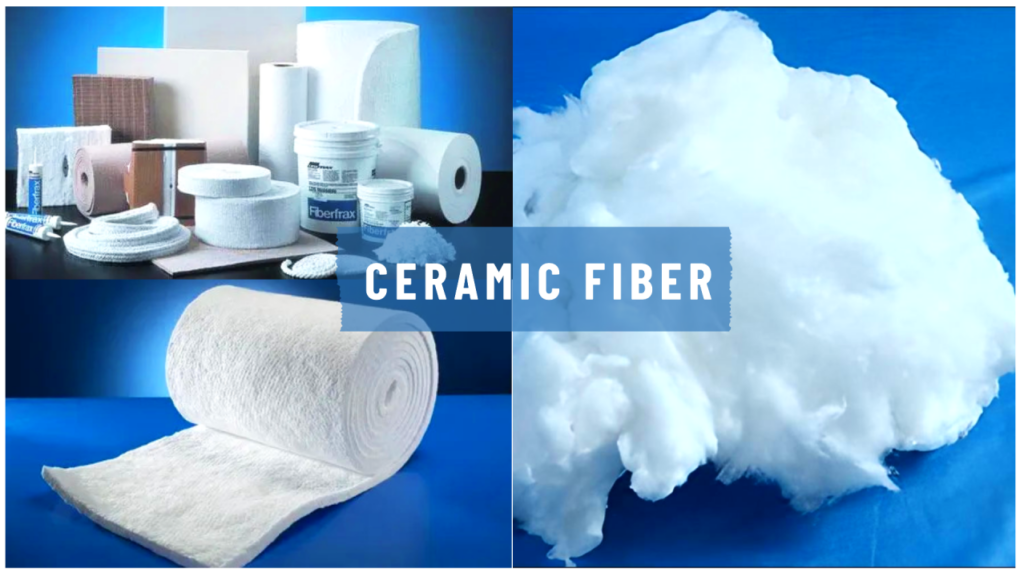
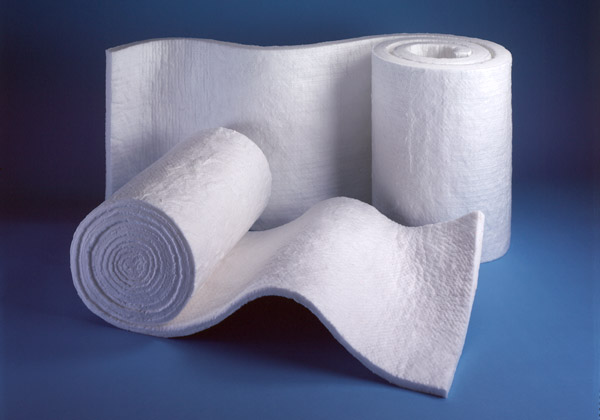
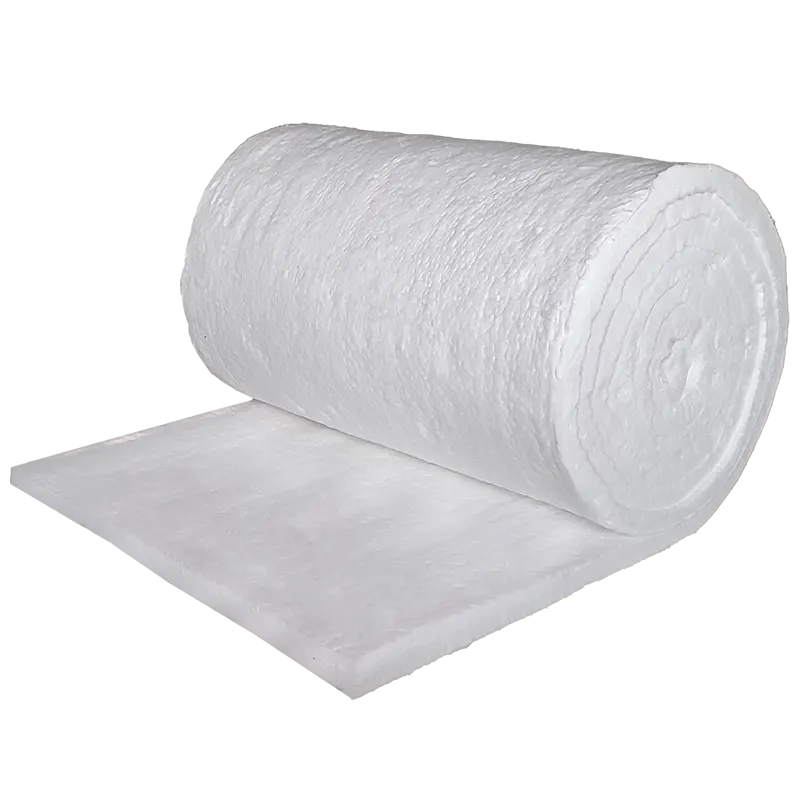
Ceramic fiber is a type of refractory insulation made from alumina and silica. It is lightweight, heat-resistant, and commonly used in high-temperature industrial environments.
- Core Materials
Made from high-purity alumina and silica fibers that form a dense, heat-resistant mat.
- Temperature Resistance
Can withstand extreme heat without deforming or breaking down.
- Flexibility
Despite its heat resistance, ceramic fiber is flexible and easy to cut into various shapes or wrap around equipment.
- Forms Available
Available as blankets, boards, modules, and ceramic fiber insulation tape for wrapping pipes and joints.
2. Typical Applications
Ceramic fiber is favored in settings where high heat resistance is crucial.
- Industrial furnaces and kilns
- Heat treatment ovens and boilers
- Fireproof doors and panels
- Pipe insulation using ceramic fiber insulation tape
- Thermal barriers in manufacturing plants
What Is Fiberglass?
1. Definition and Composition
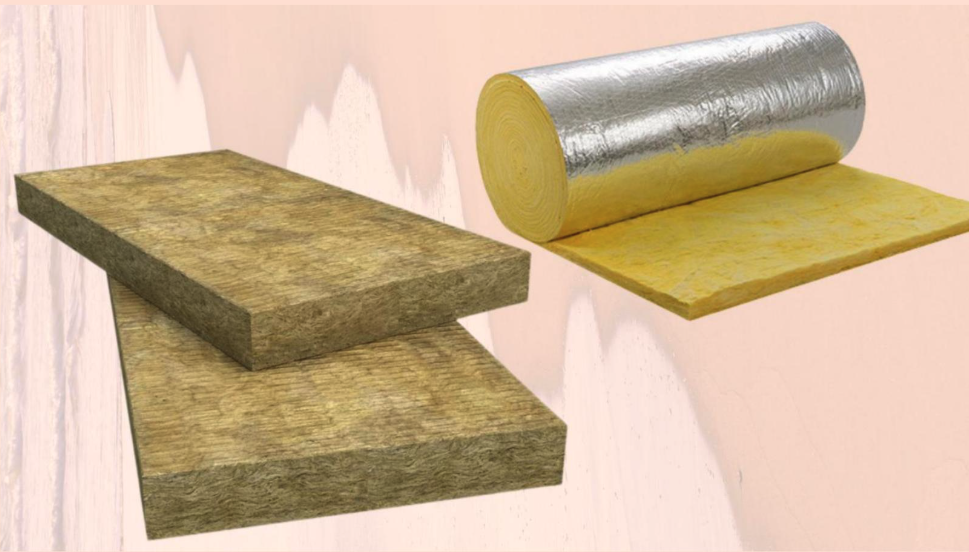
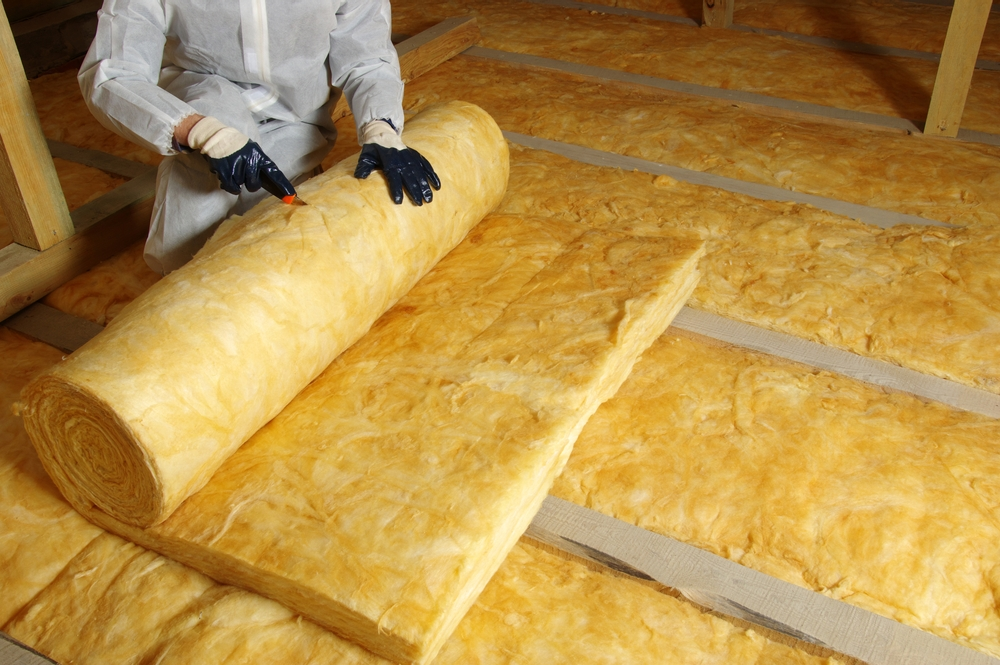
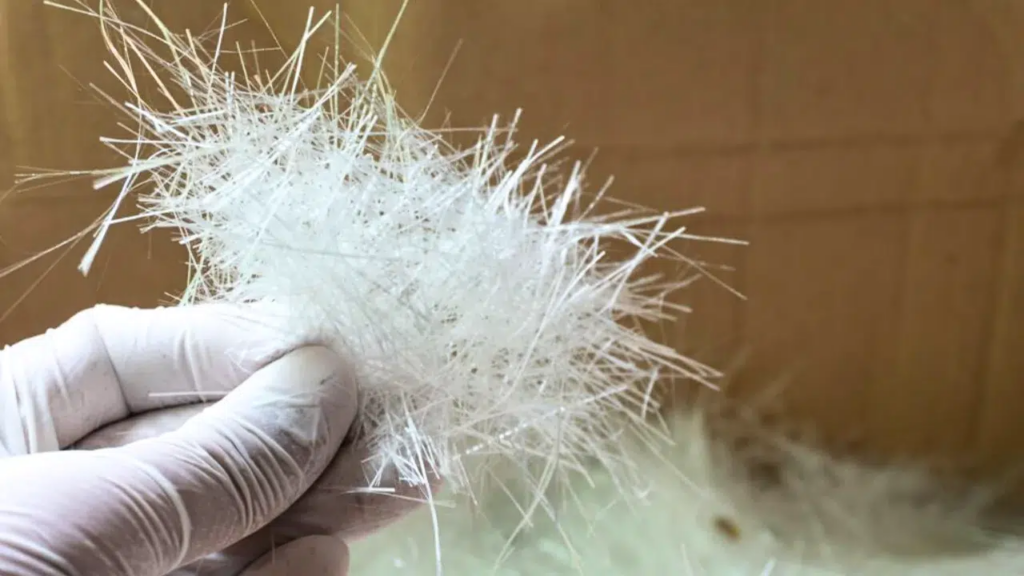
Fiberglass insulation, also known as glass wool, is made from fine glass fibers spun into a fluffy mat. It’s widely used for thermal and acoustic insulation in residential, commercial, and industrial buildings.
- Core Materials: Primarily made from silica sand and recycled glass.
- Thermal Properties: Provides excellent insulation for moderate temperature ranges.
- Acoustic Properties: Absorbs sound waves, making it ideal for walls and ceilings.
- Forms Available: Batts, rolls, loose-fill, and rigid panels.
- Keyword Note: Available through trusted glass wool suppliers and sometimes in combination with rockwool options via a rockwool insulation supplier.
2. Common Uses
Fiberglass is versatile and widely adopted in building construction.
- Wall cavities and ceiling insulation
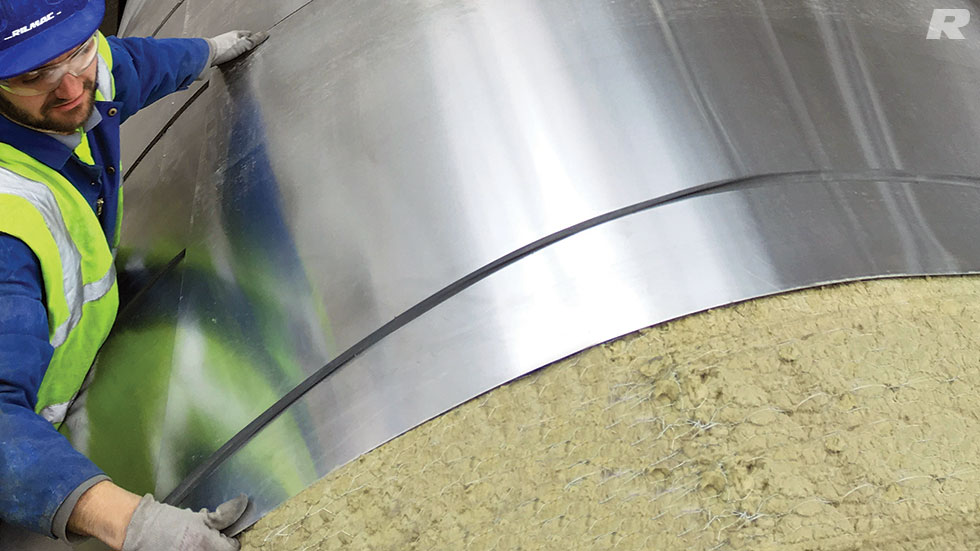
- HVAC duct insulation
- Soundproofing residential and commercial spaces
- Lightweight panels in industrial projects
- Reinforcing roofing and piping systems
Ceramic Fiber vs. Fiberglass: Key Differences
1. Temperature Resistance
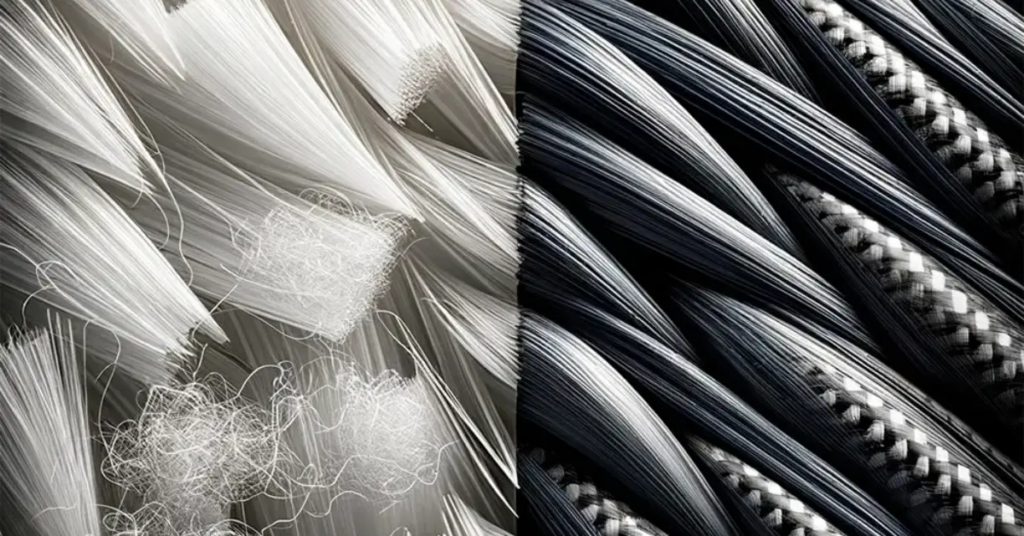
- Ceramic Fiber: Can withstand temperatures up to 2300°F (1260°C) or higher, making it suitable for extreme heat applications.
- Fiberglass: Typically handles temperatures up to 1000°F (538°C), depending on the product grade. The melting temperature of fiberglass is generally around 1400–1600°C, but insulation performance drops at lower sustained temperatures.
- Conclusion: For high-heat industrial applications, ceramic fiber is the clear winner.
2. Durability and Lifespan
- Ceramic Fiber: Maintains integrity in extreme thermal cycles and high-stress environments.
- Fiberglass: Performs well in moderate conditions but can degrade over time if exposed to moisture or excessive heat.
- Conclusion: Long-term industrial performance favors ceramic fiber, while fiberglass is excellent for residential and commercial insulation.
3. Installation and Flexibility
- Ceramic Fiber: Flexible and available in custom forms such as tape, blankets, or boards; easy to wrap around irregular surfaces.
- Fiberglass: Available in batts, rolls, and loose-fill; easier for wall cavities and ceilings but less adaptable to complex shapes.
- Conclusion: For pipes, curved equipment, or retrofits, ceramic fiber (especially ceramic fiber insulation tape) offers more versatility.
4. Cost Considerations
- Ceramic Fiber: Higher upfront cost due to specialized heat-resistant materials.
- Fiberglass: More budget-friendly; widely available from glass wool suppliers or combined offerings via rockwool insulation supplier networks.
- Conclusion: Fiberglass is ideal when cost is a priority, ceramic fiber when extreme performance is required.
5. Acoustic Performance
- Fiberglass: Strong sound absorption, widely used for acoustic control.
- Ceramic Fiber: Minimal sound absorption; primary purpose is heat resistance.
- Conclusion: For noise control applications, fiberglass is preferable.
Ceramic Fiber Insulation: Advantages and Disadvantages
Advantages:
- Extremely high heat resistance
- Flexible and versatile for industrial applications
- Available in blankets, boards, and insulation tape
- Long lifespan under harsh conditions
Disadvantages:
Higher cost compared to fiberglass
- Can release fine dust during handling; requires protective gear
- Not ideal for soundproofing or standard building insulation
- Less commonly available than fiberglass
Fiberglass Insulation: Pros and Cons
Advantages:
- Cost-effective and widely available
- Excellent acoustic and thermal insulation for buildings
- Easy to install in walls, ceilings, and floors
- Compatible with many construction applications
Disadvantages:
- Lower heat resistance than ceramic fiber
- Performance can degrade if exposed to moisture
- Less suitable for extreme industrial environments
About RPower — Your Trusted Insulation Partner
Choosing the right insulation material is critical, but partnering with a reliable supplier makes all the difference. At China Thermal Insulation Co., Ltd., we specialize in high-performance industrial and building insulation, including ceramic fiber, fiberglass, rockwool, and more.
Why work with us?
- Professional-grade products from certified manufacturers
- Custom solutions for industrial and commercial projects
- Sourcing from trusted glass wool suppliers and rockwool insulation supplier networks
- Fast delivery and technical support
- Competitive pricing for bulk and project orders
Whether you need high-heat ceramic fiber insulation tape or cost-effective fiberglass insulation, we provide reliable solutions tailored to your needs.
👉 Contact us today for a quote or expert guidance!
Choosing Between Ceramic Fiber and Fiberglass
1. Application-Based Decision
- High-temperature industrial processes → ceramic fiber
- Residential and commercial building insulation → fiberglass
- Pipes, irregular surfaces, or retrofits → ceramic fiber with tape
2. Budget Considerations
- Fiberglass is the cost-effective choice for standard insulation
- Ceramic fiber is an investment for durability under extreme heat
3. Safety and Handling
- Both materials are generally safe with proper precautions
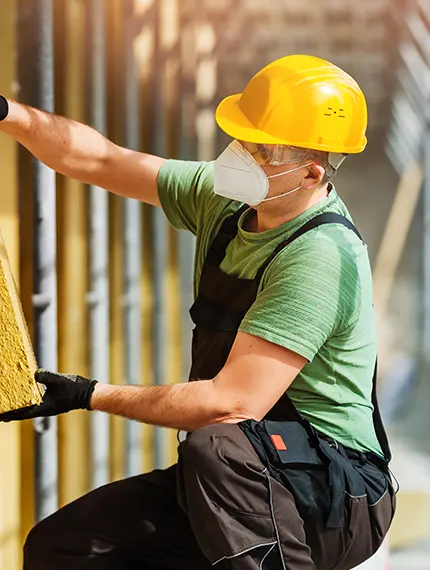
- Fiberglass requires gloves, masks, and long sleeves during installation
- Ceramic fiber handling also benefits from dust masks, gloves, and protective clothing
Final Thoughts: Which Insulation Should You Choose?
Choosing between ceramic fiber and fiberglass comes down to temperature requirements, budget, and application. Ceramic fiber excels in industrial heat resistance and flexibility, especially with ceramic fiber insulation tape for pipes and equipment. Fiberglass is cost-effective, widely available, and ideal for building insulation, acoustic control, and general thermal performance.
By understanding these differences and sourcing from trusted glass wool suppliers or a rockwool insulation supplier, you can make the best choice for your project’s needs.
Whether you prioritize high-heat resistance, sound absorption, or cost-efficiency, this guide provides the clarity you need to make an informed decision.