Kommerzielles Akustikdesign scheitert, wenn Ingenieurteams Schallabsorption und Geräuschisolierung als austauschbare Messgrößen betrachten. Während typische Wandmontagen die Übertragung blockieren könnten, Die Steuerung des internen Nachhalls erfordert spezielle Materialeigenschaften, um Sprachverständlichkeit und Komfort für den Nutzer zu gewährleisten. Bei China-Wärmedämmung, Wir bieten technische Dämmlösungen aus Steinwolle, die strenge Akustik- und Brandschutzstandards erfüllen – entdecken Sie unser gesamtes Sortiment unter https://chinathermainsulation.com/
um Ihr nächstes kommerzielles oder industrielles Projekt zu unterstützen.
Wir untersuchen, wie die Fasermatrix von Steinwolle die Schallenergie steuert, Einzelheiten zu den Dichteanforderungen – von 45 kg/m³ bis 140 kg/m³ – erforderlich, um niederfrequenten Lärm effektiv zu bewältigen. In diesem Leitfaden wird die Korrelation zwischen der Materialstärke und den NRC-Zielen von 0,80–1,00 aufgeschlüsselt, Bereitstellung umsetzbarer Daten zur Einhaltung der ASTM C423-Teststandards und HUD-Geräuschcodes für Mehrfamilienhäuser.
Die Wissenschaft der Schallabsorption: STC vs. NRC
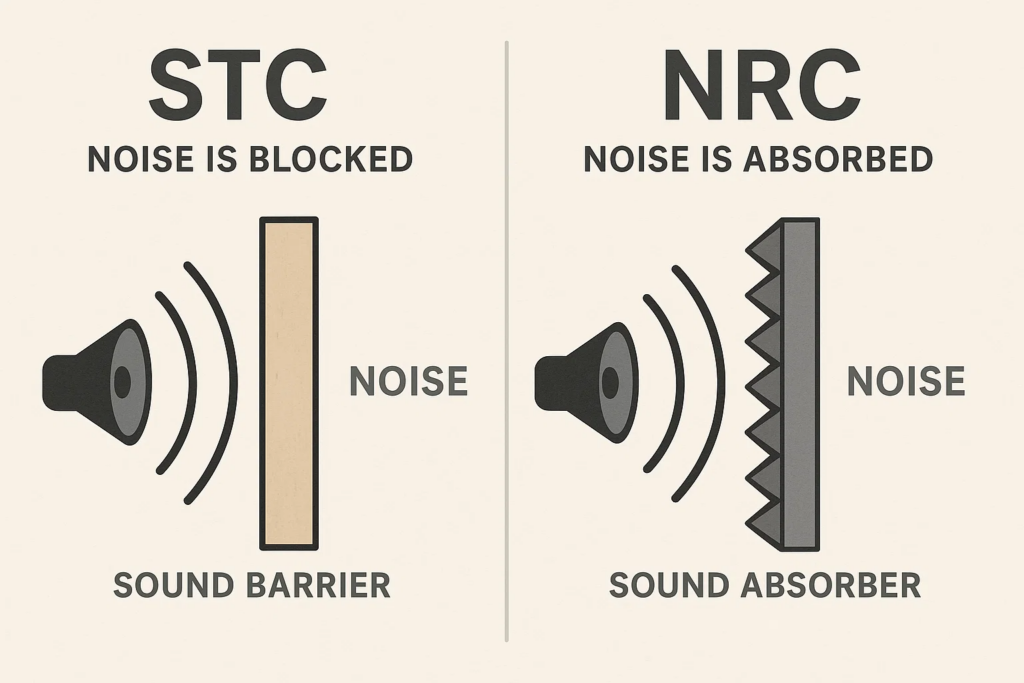
NRC (Geräuschreduzierungskoeffizient) misst, wie viel Schall ein Material in einem Raum absorbiert, um Echos zu reduzieren, bewertet auf einer Skala von 0.0 Zu 1.0. Im Gegensatz, STC (Tonübertragungsklasse) quantifiziert, wie wirksam eine Wand oder Trennwand die Übertragung von Luftschall zwischen Räumen verhindert. Während NRC die interne Akustik steuert, STC schreibt die Geräuschisolierung vor.
Definieren der Kernmetriken: Absorption (NRC) vs. Isolierung (STC)
Die Akustiktechnik stützt sich auf zwei unterschiedliche Metriken, um unterschiedliche Probleme zu lösen: Geräuschreduzierungskoeffizient (NRC) und Tonübertragungsklasse (STC). NRC fungiert als primärer Indikator für die interne Raumakustik, Messung des Prozentsatzes der Schallenergie, die eine Oberfläche absorbiert, anstatt sie zurück in den Raum zu reflektieren. Ein Material mit einem NRC von 1.0 absorbiert 100% des einfallenden Schalls, Reflexionen effektiv eliminieren, wohingegen eine Oberfläche mit einem NRC von 0.0, wie Beton, reflektiert Schall und erzeugt Nachhall.
Im Gegensatz, STC dient als Standard für “Bauakustik” und Isolation. Es misst die Dezibelreduzierung des Luftschalls, wenn dieser durch Trennwände wie Wände dringt, Fenster, oder Türen. Für ein effektives Akustikdesign muss zwischen diesen Anforderungen unterschieden werden. Zum Beispiel, Hohe NRC-Werte sind für die Sprachverständlichkeit in Großraumbüros unerlässlich, Gleichzeitig sind hohe STC-Bewertungen erforderlich, um die Privatsphäre zwischen angrenzenden Hotelzimmern oder sensiblen Konferenzbereichen zu gewährleisten.
Wie Dichte und Faserstruktur von Steinwolle den Klang steuern
Steinwolle kontrolliert den Schall durch poröse Absorption, wo es dicht ist, zufällig orientierte Fasermatrix (typischerweise 45–140 kg/m³) erzeugt einen hohen Luftstromwiderstand. Da Schallwellen das Material durchdringen, die Fasern erzeugen viskose Reibung, Schallenergie in Wärme umwandeln. Mit zunehmender Dichte und Dicke wird die Wirkung erheblich gesteigert NRC-Werte von ~0,70 bis >1.10, Verbessert insbesondere die Niederfrequenzdämpfung im Vergleich zu leichteren Glasfaseralternativen.
| Dichteprofil (kg/m³) | Materialstärke | Typisches NRC | Primäre akustische Anwendung |
|---|---|---|---|
| Standard (RWA45 ≈ 45 kg/m³) | 25 mm (1″) | 0.70 – 0.80 | Allgemeine Sprachverständlichkeit und Trennwände. |
| Mittelklasse (RW3 ≈ 60 kg/m³) | 50 mm (2″) | 1.05 – 1.10 | Breitbandabsorption für Studios/Büros. |
| Robust (RW6 ≈ 140 kg/m³) | 50–100 mm (2–4″) | > 1.10 | Niederfrequenzdämpfung und mechanische Geräusche. |
Die Physik der porösen Absorption und der Fasermatrix
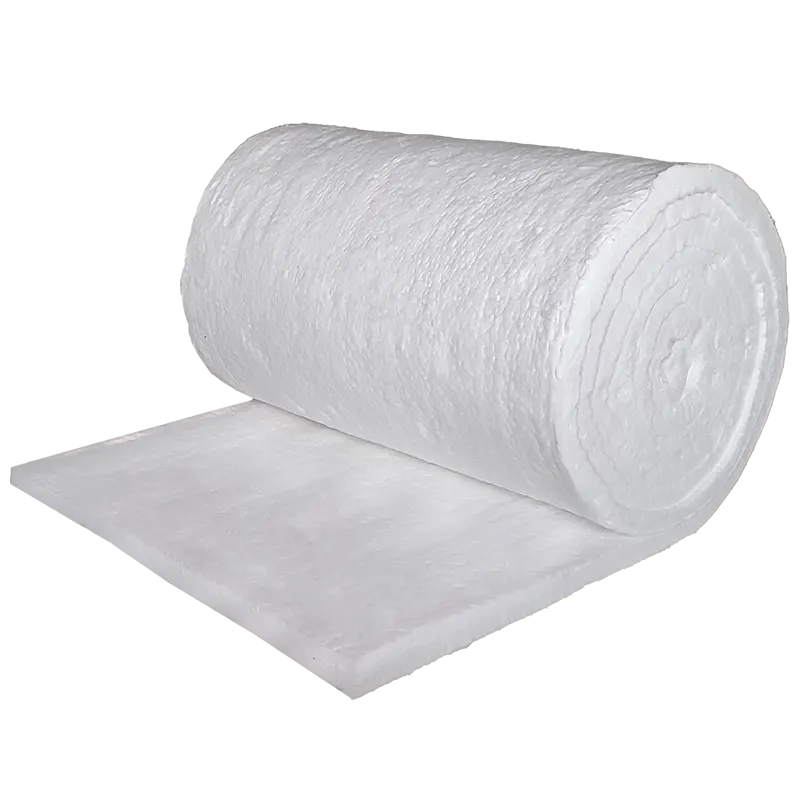
Steinwolle fungiert als poröser Absorber, Verwendung eines zufälligen Netzwerks von Mineralfasern um einfallende Schallwellen einzufangen. Im Gegensatz zu reflektierenden Oberflächen, die Geräusche zurück in einen Raum reflektieren, Durch diese Faserstruktur kann der Schalldruck tief in das Material eindringen. Der Absorptionsmechanismus beruht auf viskoser Reibung und Luftströmungswiderstand. Während Luftpartikel in der dichten Fasermatrix vibrieren, Durch die Reibung an den Mineralsträngen wird kinetische akustische Energie in Wärme umgewandelt, Ableitung der Schallenergie.
Die zufällige Ausrichtung der Fasern erzeugt einen gewundenen Weg für Schallwellen. Diese komplexe Innengeometrie ist bei der Breitbandabsorption effektiver als einheitliche Strukturen, da sie Schallwellen dazu zwingt, mit einer größeren Faseroberfläche zu interagieren. Dieser Prozess reduziert die Nachhallzeit im umgebenden Raum erheblich, Damit ist es eine entscheidende Komponente für die Kontrolle des Echos und der Sprachverständlichkeit.
Installationstechniken für maximale Schalldämpfung

Um die Schalldämpfung zu maximieren, sind strategische Installationstechniken erforderlich, die über die Materialauswahl hinausgehen. Schaffung spezifischer Luftspalte hinter den Paneelen, bekannt als ASTM E795 Typ E200 oder E400 Halterungen, Verbessert die Niederfrequenzabsorption erheblich. Außerdem, Durch die Eliminierung flankierender Pfade durch luftdichte Abdichtung mit Neopren-Dichtungsstreifen und akustischer Dichtungsmasse wird sichergestellt, dass die Baugruppe ihre STC-Nennleistung erreicht.
Optimierung von Lufthohlräumen und Einbautiefen
Standardisierte Montagepraktiken bestimmen, wie akustische Materialien in realen Szenarien im Vergleich zu Labortests funktionieren. ASTM E795 definiert spezifische Montagekonfigurationen, wie Typ A für die direkte Montage auf einer starren Unterlage und Typ E400 für Platten, die mit einem installiert werden 400 mm (etwa 16 Zoll) Luftraum hinter ihnen. Mithilfe dieser Bezeichnungen können Berater vorhersagen, wie sich ein Absorber verhält, wenn er über einem Hohlraum oder einer abgehängten Decke installiert wird, anstatt direkt an eine Wand geklebt zu werden.
Das Einbringen eines Lufthohlraums hinter einem porösen Absorber verändert dessen akustische Leistung grundlegend, indem die Absorptionseffizienz in Richtung niedrigerer Frequenzen verschoben wird. Eine Hohlraumtiefe von 200 mm bis 400 mm verschiebt das Teilchengeschwindigkeitsmaximum der Schallwelle in das Widerstandsmaterial, Effektive Erfassung längerer Wellenlängen, die mit mechanischen Geräten verbunden sind. Für Maschinenräume und Industrieräume, Durch die Verwendung dieser Typ-E-Montagekonfigurationen wird die installierte Leistung an die Niederfrequenzanforderungen angepasst, die bei den Standard-NRC-Bewertungen häufig übersehen werden.
Flankierende Wege abdichten und mechanisch entkoppeln
Die Blockierung von Luftschall hängt von der Integrität der Barriere ab, Daher sind luftdichte Verschlüsse für die Aufrechterhaltung hoher STC-Werte von entscheidender Bedeutung. Kleine Öffnungen oder Lücken erzeugen flankierende Pfade, die es dem Schall ermöglichen, die Baugruppe vollständig zu umgehen. Für bedienbare Komponenten wie Türen und Fenster, Die an allen vier Seiten angebrachte, langlebige Neopren-Dichtung sorgt für eine Kompression, Luftdichter Verschluss, wohingegen poröse Filzmaterialien den Schallaustritt oft nicht verhindern können.
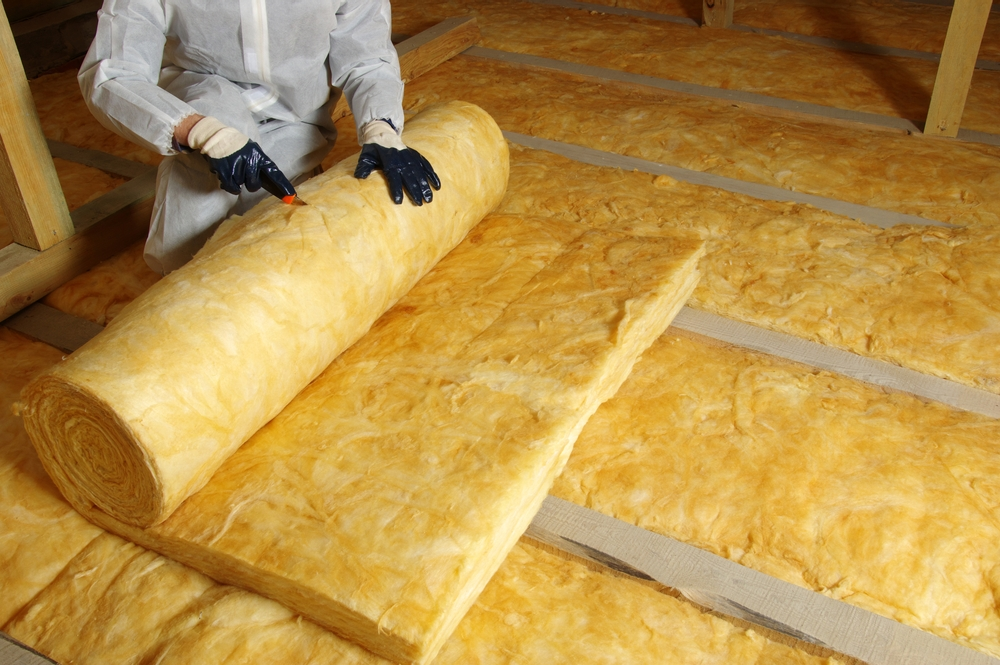
Die physikalische Entkopplung verhindert die Vibrationsübertragung zwischen den Deckschichten und dem Tragwerk. Techniken wie die Verwendung belastbarer Kanäle, versetzte Noppen mit 2×6 Rahmen, oder abgehängte Seildecken unterbrechen den direkten Weg für Körperschall. Diese Isolierung ist besonders wichtig bei Hochleistungswänden, bei denen starre Verbindungen andernfalls die Dämpfungsschichten überbrücken und die Gesamtisolationsfähigkeit der Baugruppe beeinträchtigen würden.
Durchdringungen von Versorgungsleitungen stellen ein weiteres Risiko für Schalllecks dar und müssen beim Bau berücksichtigt werden. Kanäle und Rohrisolierung sollte gerade verlaufen und sicher verbunden sein, Alle Verbindungen und Ringräume sind vollständig verstemmt, um Lücken zu vermeiden. Durch die ordnungsgemäße Abdichtung dieser Durchdringungen wird sichergestellt, dass die Wandkonstruktion als durchgehende Barriere fungiert, Beibehaltung der durch das Design beabsichtigten akustischen Isolierung.
Vergleich akustischer Steinwollmatten vs. Akustikplatten
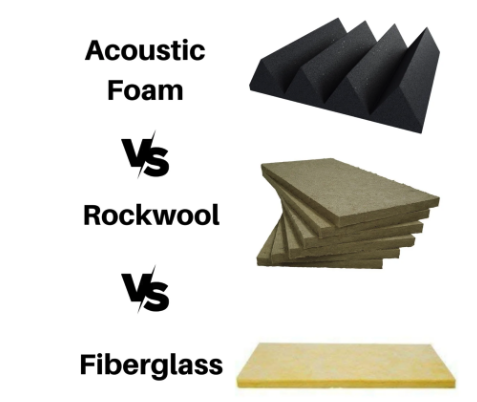
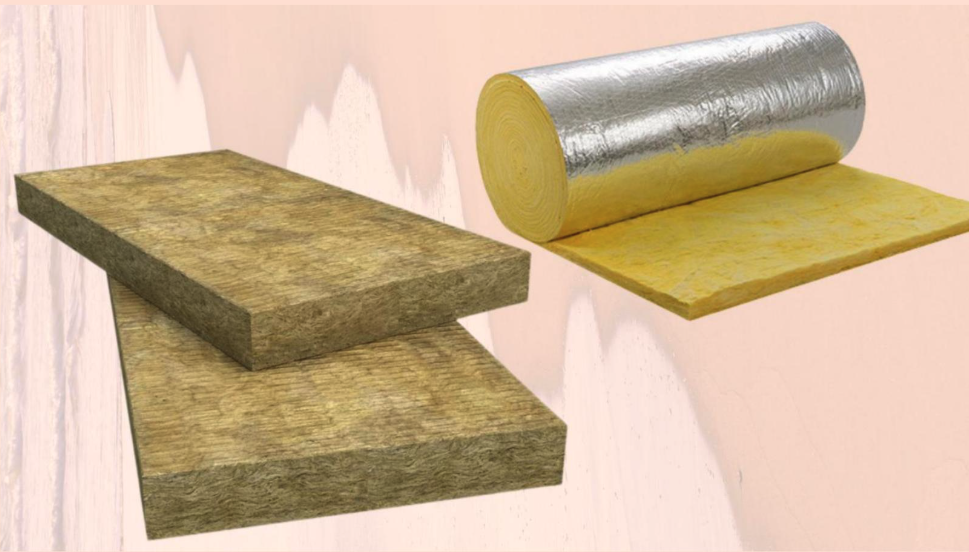
Akustische Steinwollmatten, mit Dichten von 40–80 kg/m³, übertreffen Panels bei der Niederfrequenzabsorption und den STC-Bewertungen (45–52), Damit sind sie ideal für die mechanische Lärmbekämpfung. Im Gegensatz, Glasfaser-Akustikplatten bieten ein geringeres Gewicht und steifere Strukturen für eine einfachere Handhabung, rahmenlose Installation in allgemeinen Büroräumen, Allerdings fehlt ihnen oft die extreme Hitzebeständigkeit (>1000°C) und Bassabfangfähigkeiten von Mineralwolle.
Ingenieurprofil: Dichte, NRC, und Niederfrequenzleistung
Mineralwollmatten weisen Konfigurationen mit höherer Dichte auf, typischerweise im Bereich von 40 Zu 80 kg/m³. Diese erhöhte Masse führt zu einer überlegenen Schallübertragungsklasse (STC) Bewertungen von 45 Zu 52, Bietet stärkere Isolationsfähigkeiten als leichtere Glasfaseralternativen. Während Glasfaserplatten einen wettbewerbsfähigen Geräuschreduzierungskoeffizienten erreichen (NRC) Bewertungen zwischen 0.90 Und 0.95, Mineralwolle reicht bis zu 1.05 NRC. Dieser Leistungsunterschied ist am deutlichsten bei der Absorption von Frequenzen darunter 250 Hz, wobei die Dichte eine entscheidende Rolle bei der Dämpfung spielt.
Das Faserige, Die nicht starre Struktur der Steinwolle sorgt für eine effektive Energieumwandlung auf Reibungsbasis, Damit ist es das bevorzugte Material für Bassfallen in industriellen Umgebungen. Glasfaserplatten sind auf die Steifigkeit angewiesen, um ihre Form zu behalten, Ein Konstruktionskompromiss, bei dem die Masse geopfert wird, die erforderlich ist, um starke mechanische Vibrationen und die Übertragung von Geräuschen im unteren Drehzahlbereich effektiv zu blockieren.
Betriebstauglichkeit: Installation, Brandschutz, und langfristige Haltbarkeit
Steinwolle Die Matten halten Temperaturen über 1000 °C stand und erfüllen die ASTM E136-Standards für Nichtbrennbarkeit, Bietet im Vergleich zu Standard-Glasfaser überlegene Sicherheit für Industriebereiche mit hoher Hitze. Auch die langfristige Haltbarkeit begünstigt Mineralwolle, das seine Form behält, ohne durchzuhängen. Bei Glasfaserplatten kommt es häufig zu Ablagerungen oder Zersetzung, wenn sie Feuchtigkeit ausgesetzt werden, die ihre akustischen Eigenschaften im Laufe der Zeit verändern können.
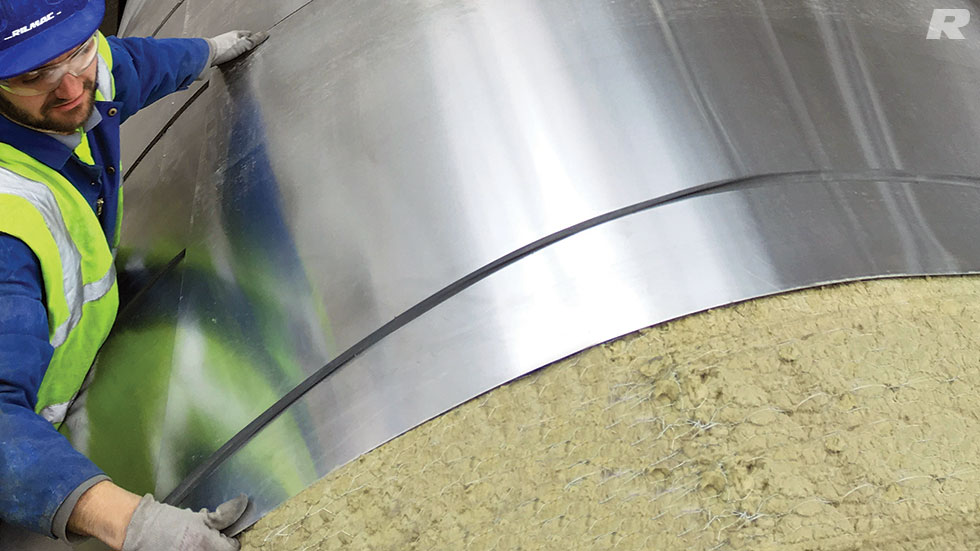
Die Montagegeschwindigkeit begünstigt Glasfaserplatten aufgrund ihrer Steifigkeit, rahmenloses Design, das eine direkte Montage ermöglicht. Mineralwolle muss gerahmt und umwickelt werden, um die Fasern aufzunehmen, Erhöhung der Komplexität der Montage. Folglich, Ingenieure spezifizieren Steinwolle für versteckte Hohlraumfüllungen und Brandschutzwände, bei denen die strukturelle Belastbarkeit von größter Bedeutung ist, während Paneele typischerweise als oberflächenmontierte ästhetische Behandlungen zur Kontrolle des Nachhalls in Büros und Gewerberäumen dienen.
Leistungsstarke Isolierungslösungen aus Steinwolle
Spezifizieren für Mehrfamilien-Lärmcodes
Lärmschutzvorschriften für Mehrfamilienhäuser folgen im Allgemeinen den HUD-Standards, die akzeptable Außengeräusche definieren 65 Ldn oder niedriger und schreibt einen maximalen Innengeräuschpegel von vor 45 Dezibel. Projekte in „Normalerweise inakzeptabel“.’ Zonen (65-75 Ldn) erfordern eine zusätzliche Dämpfung von 5 Zu 10 Dezibel über die Standardkonstruktion hinaus, um den Vorschriften zu entsprechen.
HUD-Außengeräuschstandards und Innenziele
Das Ministerium für Wohnungsbau und Stadtentwicklung (HUD) legt die regulatorische Grundlage für den Lärmschutz in Wohngebieten durch ein dreistufiges Klassifizierungssystem fest. Die Grundnorm legt eine Außenlärmbelastung von fest 65 Durchschnittlicher Schallpegel Tag-Nacht (Ldn) oder niedriger als “Akzeptabel.” Auf dieser Ebene, Es wird davon ausgegangen, dass die Standardgebäudekonstruktion eine ausreichende Schalldämpfung bietet, um den erforderlichen Grenzwert für den Innenlärm von zu erreichen 45 Dezibel ohne spezielles Eingreifen.
Standorte, die diesen Basiswert überschreiten, unterliegen strengeren Klassifizierungen, die Auswirkungen auf die Designspezifikationen haben. Außenexpositionswerte liegen dazwischen 65 Und 75 Ldn werden kategorisiert als “Normalerweise inakzeptabel,” während Pegel übersteigen 75 Ldn gelten als “Inakzeptabel.” Die frühzeitige Identifizierung dieser Zonen in der Standortplanungsphase ist von entscheidender Bedeutung, da Projekte in Zonen mit höherem Dezibelpegel spezielle akustische Behandlungen umfassen müssen, um eine Wohnbebauung zu ermöglichen.
Dämpfungsanforderungen für Zonen mit hohem Dezibelpegel
Projekte innerhalb der “Normalerweise inakzeptabel” Die Reichweite muss eine verbesserte Schallisolierungsfähigkeit aufweisen, um den Bundesstandards zu entsprechen. Die Vorschriften schreiben einen abgestuften Ansatz zur Dämpfung vor, der auf der Schwere der Lärmbelastung basiert. Für Standorte mit einer Größe zwischen 65 Und 70 Ldn, Die Gebäudehülle muss mindestens Folgendes bieten 5 Dezibel zusätzliche Dämpfung, die über das hinausgeht, was die Standardkonstruktion bietet. Wenn die Standortexposition auf das steigt 70 Zu 75 Ldn-Band, der Bedarf steigt auf 10 Dezibel zusätzliche Dämpfung.
Die Überprüfung der Konformität erfordert eine präzise Messung mit Instrumenten, die nach ANSI S1.4-1971-Standards kalibriert sind. Für diese Beurteilungen muss eine A-gewichtete Skala mit schneller Messreaktion verwendet werden. Um das vollständige akustische Profil eines Standorts zu erfassen, Die Integrationsprotokolle müssen alle kontinuierlichen Prozesse berücksichtigen, intermittierend, und impulsive Schallquellen, die in den Bereich fallen 80 Zu 130 Dezibelbereich.
Häufig gestellte Fragen
Wie stark wirkt sich eine kleine Lücke in der Isolierung auf die STC-Gesamtbewertung aus??
Kleine Lücken verschlechtern die STC-Leistung erheblich, da sie einen direkten Bypass für Luftschall bieten. Selbst kleine Öffnungen machen die Vorteile von Masse und Dämpfung zunichte, Dadurch wird die Bewertung der Wand effektiv näher an die Bewertung der Lücke selbst gesenkt. Um die Integrität der Baugruppe aufrechtzuerhalten, ist eine vollständige Umfangsabdichtung unerlässlich.
Bestimmt die Dichte der Verkleidung (Z.B., Glasfasergelege) Auswirkungen auf das NRC haben?
Ja, Die Dichte der Verkleidung hat direkten Einfluss auf die Schallabsorption. Hochdichte Glasfasergelege führen typischerweise zu NRC-Bewertungen zwischen 0.75 Und 0.85 in Kombination mit a 6-7 PCF-Kern. Während diese Verkleidungen für Haltbarkeit sorgen, Sie müssen akustisch transparent genug bleiben, damit Schallwellen zur wirksamen Ableitung in den Faserkern eindringen können.
Was sind die wichtigsten Schallfrequenzziele für gewerbliche Bauvorschriften??
Handelskodizes zielen in erster Linie auf die ab 125 Hz bis 4000 Hz-Bereich mit STC-Bewertungen, wobei die IBC ein Minimum an STC vorschreibt 50 für Mehrfamilienhäuser. Jedoch, kritische niederfrequente mechanische Geräusche (63 Hz und 80 Hz) fällt oft außerhalb der standardmäßigen STC-Prüfung, Es sind zusätzliche Minderungsstrategien wie OITC-Bewertungen oder spezielle Niederfrequenzisolierung erforderlich.
Was ist der typische STC-Gewinn, wenn Steinwolle zu einer Standard-Trockenbaugruppe hinzugefügt wird??
Das Hinzufügen von Steinwolle oder Mineralwolle zu einem Standardhohlraum verbessert in der Regel die STC-Bewertung der Baugruppe um 5 Zu 10 Punkte. Dieser Anstieg resultiert aus der Absorption der Hohlraumresonanz durch die Isolierung, Dies trägt dazu bei, die Schallenergie zu reduzieren, die durch den Hohlraum zwischen den Bolzen übertragen wird.