Los fabricantes de equipos industriales se enfrentan a un desafío distinto: Aislar maquinaria compleja que opera mucho más allá de los límites térmicos de los materiales de construcción estándar.. Ya sea diseñando calderas comerciales o sistemas de escape marinos, Integrar un aislamiento que resista vibraciones continuas y temperaturas de hasta 750 °C es fundamental tanto para la seguridad como para el rendimiento..
Esta guía examina cómo se diseña soluciones de lana de roca abordar requisitos específicos de OEM, desde la amortiguación acústica hasta la seguridad contra incendios en espacios confinados. Analizamos especificaciones técnicas para tableros de alta densidad que van desde 60 a 180 kg/m³ y explorar solicitud Estrategias para componentes que requieren protección no combustible con puntos de fusión superiores a 1.177°C..
¿Qué es la lana de roca??
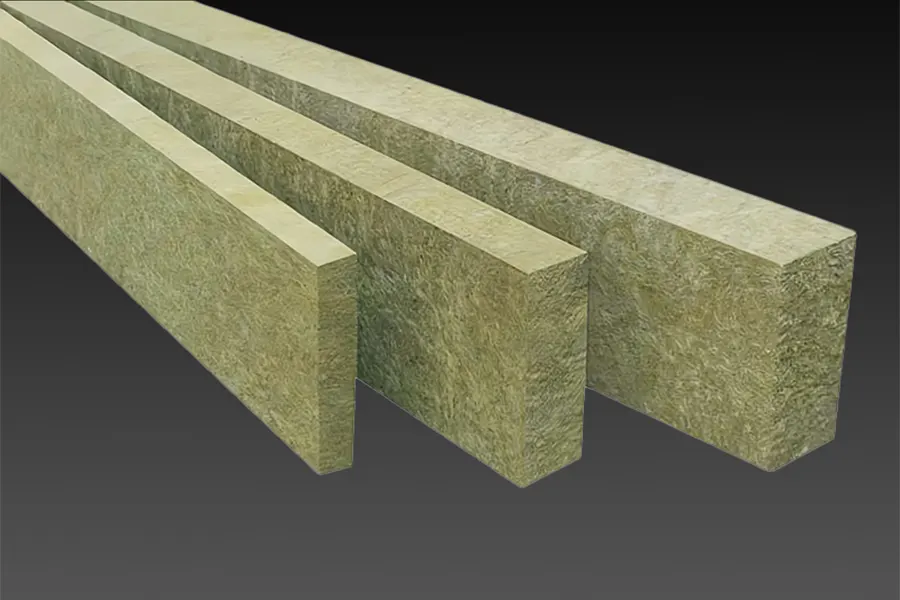
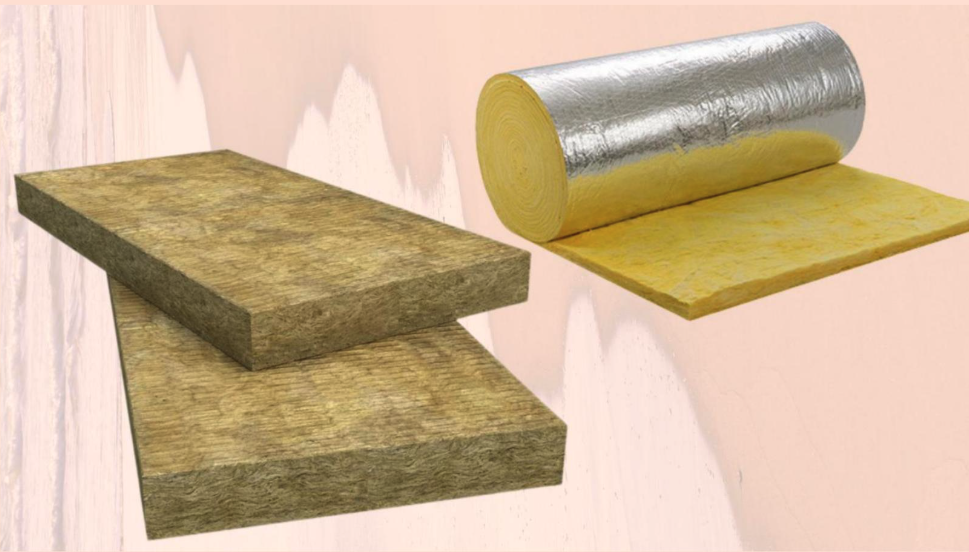
lana de roca, también conocida como lana de roca, Es un material aislante fibroso producido al fundir basalto y escoria de alto horno a temperaturas superiores a 1.000°C.. Para aplicaciones OEM, está diseñado en tableros de alta densidad (60–180 kg/m³), esteras cableadas, y secciones de tubería que brindan protección térmica no combustible, amortiguación acústica, y rigidez estructural de los equipos.
Ingeniería de Composición y Fibras
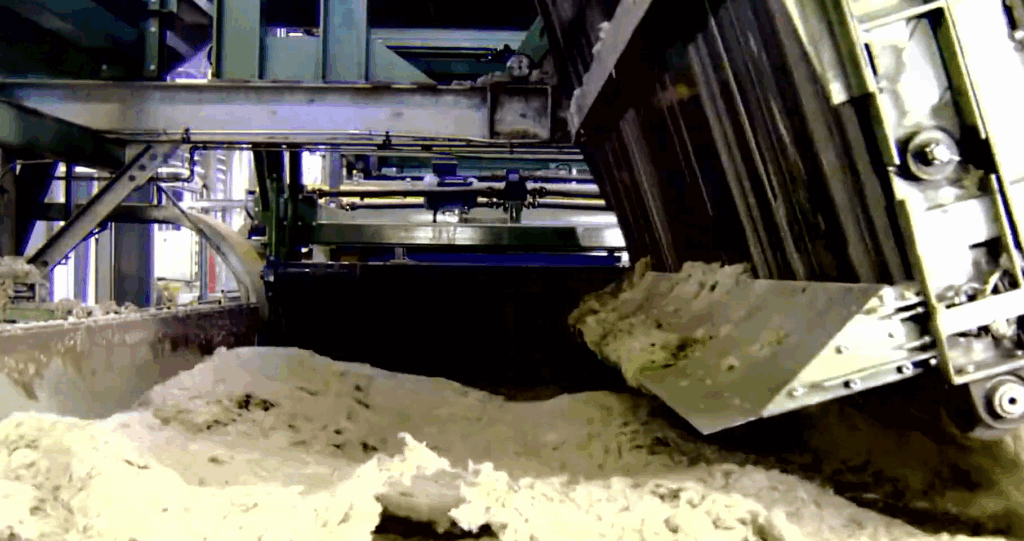
La producción de lana de roca de calidad industrial comienza hilando basalto fundido y escoria industrial hasta obtener fibras a temperaturas superiores a los 1.000°C.. A diferencia del aislamiento residencial, Estas fibras están unidas con resinas termoendurecibles específicas diseñadas para crear una matriz dimensionalmente estable.. Esta ingeniería permite que el material resista la vibración mecánica y el asentamiento., Lo cual es fundamental para el aislamiento integrado en maquinaria en funcionamiento o carcasas de equipos vibratorios..
Porque el material procede de rocas y escorias minerales., naturalmente alcanza el estado no combustible, cumpliendo con estándares rigurosos como ASTM E136 y Euroclase A1. Los fabricantes también diseñan las fibras para que sean hidrófobas., logrando un factor de resistencia al vapor de agua de μ ≈ 1.0. Esta propiedad garantiza que el aislamiento permanezca abierto al vapor para evitar que la humedad quede atrapada y al mismo tiempo repele el agua líquida., una característica vital para proteger las carcasas metálicas de corrosión bajo aislamiento (CUAL).
Beneficios clave de rendimiento de la lana de roca para la fabricación OEM
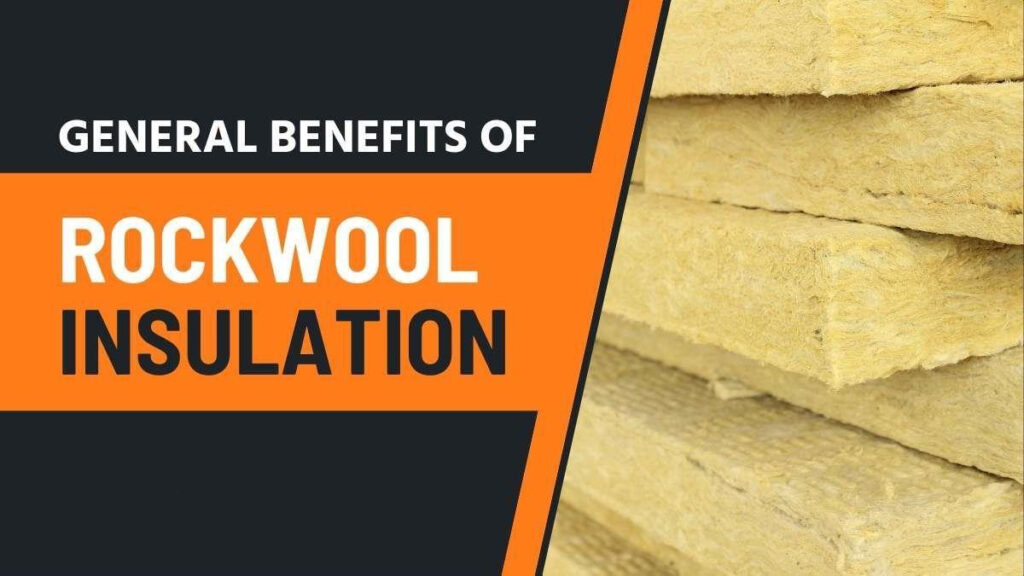
La lana de roca ofrece a los fabricantes de equipos originales una combinación única de alta resistencia térmica (Valor R ≈ 4.0 hr·ft²·°F/Btu por pulgada) y no combustible hasta 750°C. Su rango de densidad (64–176 kg/m³) proporciona una amortiguación acústica excepcional (CNR ≈ 1.05) y estabilidad de vibración, lo que lo hace ideal para carcasas de equipos de paredes delgadas y aparatos industriales de alta temperatura..
Precisión térmica y resistencia al fuego a altas temperaturas
Los equipos OEM a menudo funcionan bajo estrictas restricciones térmicas., Requiere aislamiento que ofrezca un rendimiento constante sin degradarse con el tiempo.. La lana de roca proporciona una conductividad térmica predecible (λ ≈ 0,035–0,045 W/m·K), permitiendo a los ingenieros lograr una alta eficiencia dentro de ensamblajes compactos. Tableros delgados que van desde 25 a 50 mm normalmente rinde valores R entre 1.0 y 1.25 m²·K/W (R-4 a R-7 imperiales), Permitir a los fabricantes cumplir los objetivos energéticos sin aumentar la huella de los electrodomésticos o las carcasas de maquinaria..
Absorción acústica y estabilidad física en diseños compactos
La densidad física de la lana de roca de calidad OEM., normalmente entre 60 y 176 kg/m³, Crea una matriz fibrosa que disipa eficazmente la energía del sonido.. Las variantes de alta densidad pueden alcanzar coeficientes de reducción de ruido (NRC) arriba a 1.05, Amortiguando significativamente el zumbido de baja frecuencia de los motores., compresores, y fans. Este rendimiento acústico permite a los fabricantes silenciar equipos industriales y electrodomésticos residenciales sin agregar capas de insonorización separadas..
Aplicaciones de la lana de roca más allá de la construcción
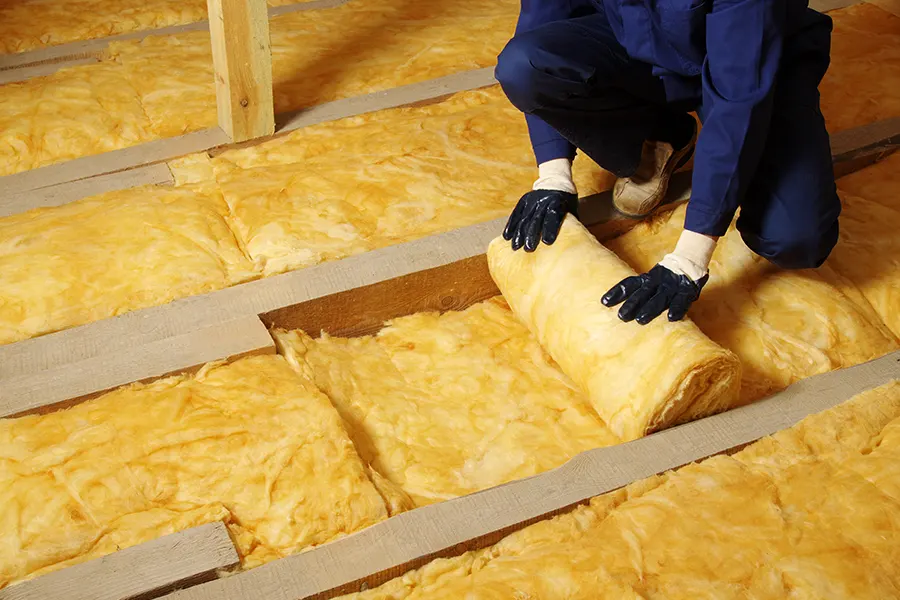
Más allá del estándar aislamiento de edificios, La lana de roca es esencial en los sectores industriales y OEM debido a su alto punto de fusión. (aprox. 1177°C). Las aplicaciones clave incluyen revestimientos térmicos para hornos industriales., calderas, y hornos que funcionan entre 200 y 600 °C, así como aislamiento contra incendios para embarcaciones marinas, plataformas marinas, y sistemas de tuberías mecánicas que requieren incombustibilidad Clase A1.
Equipos de procesamiento y calefacción industrial
Los entornos industriales dependen de la estructura de fibra basada en basalto de la lana de roca., que soporta temperaturas que superan con creces las capacidades de aislamiento de edificios estándar. En aplicaciones como hornos, calderas, y hornos, Las temperaturas internas del proceso oscilan frecuentemente entre 200 °C y 600 °C.. La lana de roca sirve como rotura térmica crítica en estos montajes., utilizando su alto punto de fusión de aproximadamente 1177°C (2150°F) para mantener la integridad estructural donde otros materiales se degradarían o derretirían.
Los ingenieros OEM especifican tableros de lana de roca de alta densidad y tapetes cableados para revestir los revestimientos de los equipos de manera efectiva.. Esta estrategia de aislamiento limita la transferencia de calor desde la cámara de combustión interna o de calentamiento a la carcasa exterior.. Al contener el calor, El aislamiento garantiza que las superficies exteriores del equipo sigan siendo seguras para los operadores., Cumplir con las normas de seguridad y maximizar la eficiencia térmica dentro de la unidad de procesamiento..
Marina, Costa afuera, y sistemas mecánicos
Los sectores marino y offshore exigen un aislamiento que funcione bajo rigurosas normas de seguridad contra incendios mientras gestiona sistemas mecánicos de alta temperatura.. Las líneas de productos especializadas se dirigen a estos entornos para aislar redes de tuberías de alta temperatura., líneas de escape, y maquinaria de proceso en plataformas y buques marinos. A diferencia de los bloques de construcción generales, Estos grados industriales a menudo presentan densidades más altas para resistir vibraciones y tensiones mecánicas comunes en las operaciones marítimas..
El cumplimiento de las normas de seguridad contra incendios es el principal impulsor de la adopción de lana de roca en estos sectores.. El material alcanza la Clase de reacción al fuego A1 y cumple con los estándares de no combustibilidad ASTM E136., Lo cual es fundamental para la seguridad contra incendios en zonas mecánicas confinadas.. Esta certificación garantiza que la capa aislante no aporta combustible a un incendio., Preservar la compartimentación y proteger el acero estructural de fallas rápidas por calor durante eventos de emergencia..
Soluciones premium de fabricación de lana de roca
Cómo los fabricantes de OEM utilizan la lana de roca en equipos y componentes
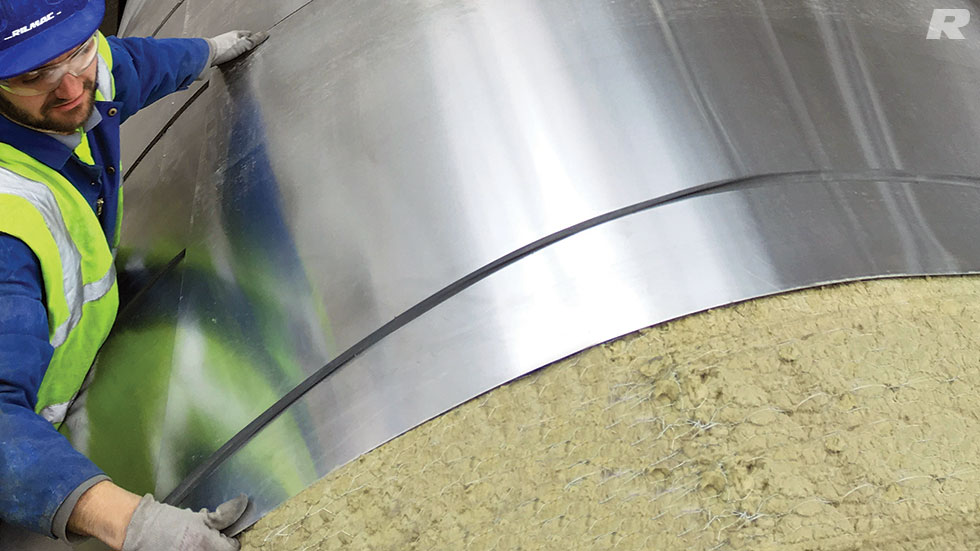
Los fabricantes OEM integran lana de roca como núcleos diseñados a medida, utilizando tableros rígidos, envolturas de láminas, y secciones con ranuras en V para adaptarse a geometrías de equipos complejas, como calderas y puertas cortafuegos.. Estos componentes se seleccionan por su capacidad para soportar temperaturas de servicio continuo de hasta 1200 °F. (650°C) al mismo tiempo que proporciona estabilidad estructural y protección contra incendios no combustible en conjuntos prefabricados.
| Factor de forma del componente | Especificación de densidad | Aplicación OEM principal |
|---|---|---|
| Tableros Rígidos & Losas | 60–180 kg/m³ (4–11 libras/pie³) | Carcasas de electrodomésticos, núcleos sándwich, puertas cortafuegos |
| Lámina & Envolturas con ranuras en V | 64–128 kg/m³ (4–8 libras/pie³) | Tanques de gran diámetro, calderas curvas, conductos |
| Tapetes con cable flexible | 70–100 kg/m³ (4.4–6,2 libras/pie³) | Superficies irregulares de la maquinaria, sistemas de escape |
| Secciones de tubería preformadas | 70–120 kg/m³ (4.4–7,5 libras/pie³) | Tubería de proceso, líneas hidráulicas, pilas de escape |
Elegir las especificaciones de lana de roca adecuadas para su industria
Seleccionar la lana de roca correcta requiere adaptar la densidad a la tensión mecánica y la carga térmica.. Para carcasas de aparatos de precisión, tableros delgados de alta densidad (100–180 kg/m³) en el rango de 30 a 150 mm proporcionan el soporte estructural necesario. En cambio, El aislamiento de tuberías industriales requiere densidades medias. (70–120 kg/m³) para resistir vibraciones mientras maneja temperaturas de hasta 1200°F. Los puntos de referencia clave incluyen una conductividad térmica de ≤0,035 W/(m·K) y clasificación de fuego no combustible A1.
| Tipo de aplicación | Densidad objetivo (kg/m³) | Requisito de ingeniería primaria |
|---|---|---|
| Carcasas de electrodomésticos (Tablero delgado) | 100–180 kg/m³ | Rigidez en un espacio limitado (30–150 mm) |
| Tuberías industriales | 70–120 kg/m³ | Estabilidad dimensional bajo vibración. |
| Envolturas flexibles para equipos | 70–100 kg/m³ | Conformabilidad a geometrías irregulares. |
| Núcleos de paneles sándwich | 85–150 kg/m³ | Fuerza compresiva & resistencia al fuego |
Hacer coincidir la densidad y el factor de forma con la carga de la aplicación
Las aplicaciones industriales específicas dictan los requisitos de forma física y densidad del aislamiento para garantizar la longevidad y el rendimiento.. Los fabricantes de equipos originales (OEM) de electrodomésticos suelen utilizar placas delgadas. (30–150 mm de espesor) con altas densidades que van desde 100 a 180 kg/m³. Este perfil de alta densidad garantiza que el material mantenga la rigidez dentro de las carcasas compactas de las máquinas., evitando que se desplome o se asiente durante la vida útil del aparato.
Los sistemas de tuberías industriales exigen distintos perfiles de densidad, generalmente cae entre 70 y 120 kg/m³. Estas densidades específicas permiten que el aislamiento mantenga la estabilidad dimensional a pesar de la vibración constante y los ciclos térmicos comunes en las plantas de procesamiento.. A diferencia de los bloques estándar de grado de construcción, La integración de precisión para estas aplicaciones exige tolerancias de fabricación estrictas de ±3 mm para garantizar un ajuste perfecto que evite los puentes térmicos..
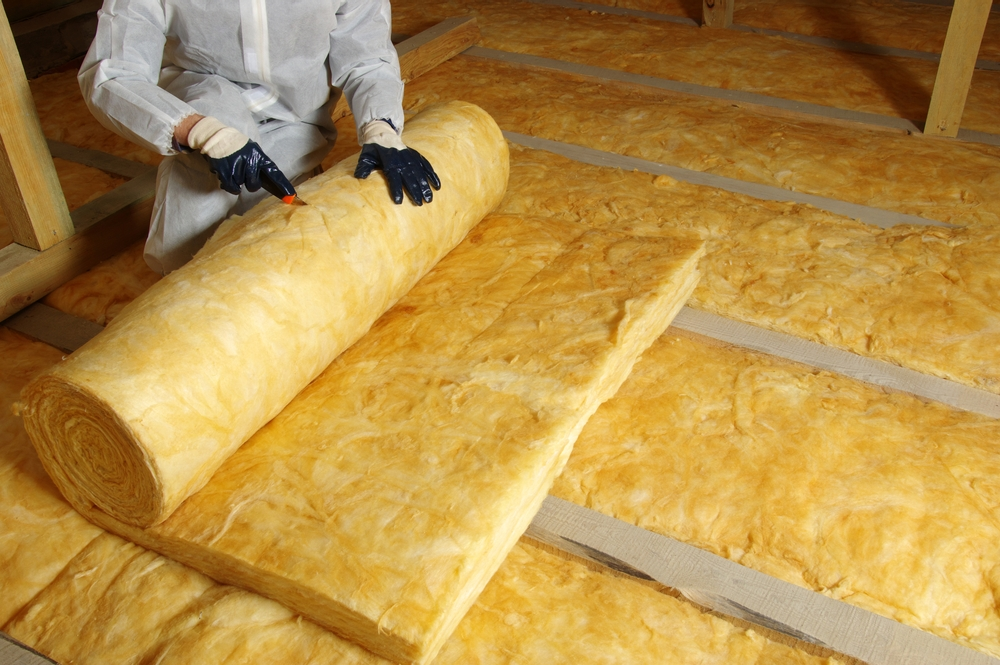
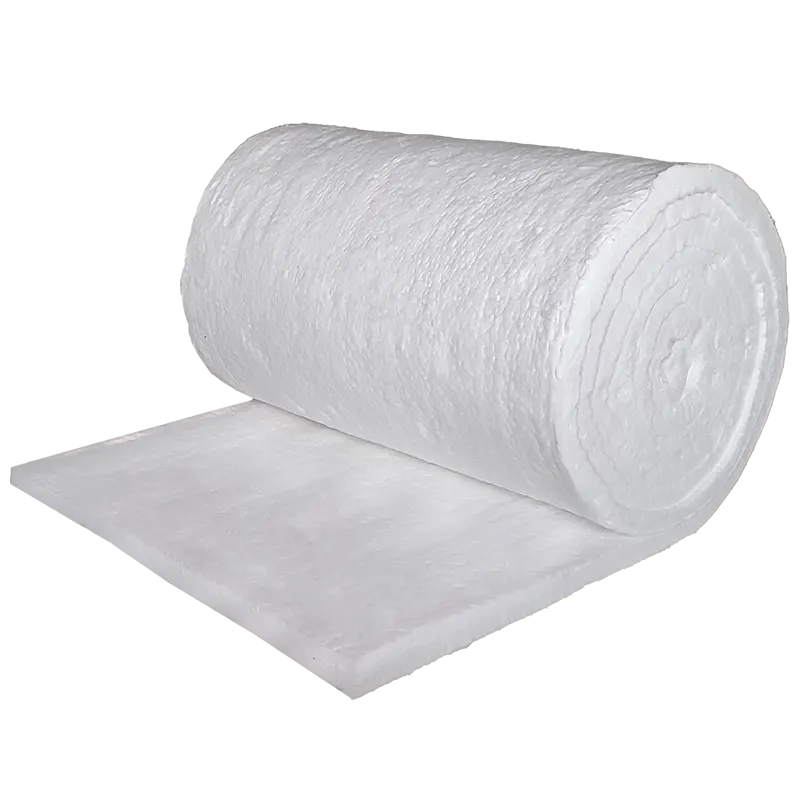
Para equipos generales que presentan formas irregulares., Los productos flexibles en rollo o manta son la solución estándar.. Por lo general, utilizan densidades de 70 a 100 kg/m³., Equilibrando la necesidad de eficiencia térmica con la flexibilidad requerida para envolver geometrías complejas sin comprometer la integridad estructural del aislamiento..
Métricas térmicas críticas y estándares de cumplimiento
Los datos cuantitativos de rendimiento térmico y el cumplimiento de las normas internacionales de seguridad no son negociables para la verificación industrial.. Una conductividad térmica básica de ≤0,035 W/(m·K) a 24°C es necesario para garantizar la eficiencia en entornos con altas temperaturas. Para aplicaciones de tableros delgados (50–120 mm), Los ingenieros apuntan específicamente a una conductividad de 0.038 con/(m·K) para equilibrar eficazmente la resistencia al calor con limitaciones de espacio reducido.
Los productos de lana de roca de alta temperatura deben demostrar la capacidad de soportar amplios rangos operativos., a menudo desde 120°F hasta 1200°F (aprox. 650°C), sin degradación física ni fallo del aglutinante. Más allá de la capacidad térmica, Los requisitos de seguridad contra incendios exigen estrictamente una clasificación de reacción al fuego A1. (Incombustible) Cumple con estándares como BS EN 13501-1 o ASTM C612, Garantizar que el material contribuya con una carga de combustible cero en caso de una falla del sistema..
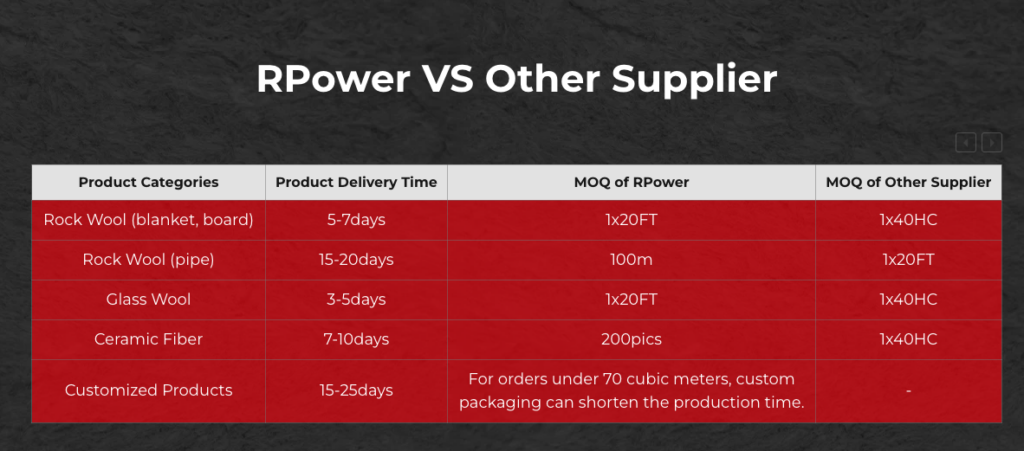
Ejemplos de casos de RPower
La lana de roca RPower satisface diversas necesidades de los OEM, desde hornos industriales pesados que requieren una resistencia de hasta 800 °C hasta aparatos de precisión para el servicio de alimentos que necesitan protección contra la corrosión. Los fabricantes aprovechan su baja conductividad térmica. (0.032 con/(m·K)) para reducir el espesor de la carcasa manteniendo temperaturas superficiales seguras, y su contenido ultra bajo de cloruro (≤1 ppm) evita daños a los componentes de acero inoxidable.
Gabinetes para hornos industriales de alta temperatura
Rótula Las placas mantienen la integridad estructural a temperaturas de funcionamiento de hasta 800 °C., convirtiéndolos en una solución robusta para las pieles internas de hornos industriales, calderas, y calentadores de proceso. En estos ambientes, El aislamiento debe resistir ciclos térmicos intensos sin perder su forma o valor aislante.. Las fibras a base de basalto del material., que tienen un punto de fusión superior a 1000°C, Proporcionar un margen crítico de seguridad contra incendios que protege al personal y la maquinaria adyacente de fallas catastróficas por calor..
La estabilidad mecánica es igualmente vital en equipos pesados propensos a vibraciones.. R Densidades de potencia entre 60 y 160 kg/m³ están diseñados para evitar la sedimentación, desplomándose, o degradación de la fibra bajo estrés operativo continuo. Esta rigidez garantiza que la capa de aislamiento permanezca uniforme durante la vida útil del equipo., evitando la formación de puentes térmicos que podrían provocar puntos calientes en el exterior del horno.
Revestimientos para electrodomésticos de precisión y OEM para servicios alimentarios
En el sector de servicios de alimentación comercial., el espacio suele ser escaso, Requiere aislamiento de alta eficiencia que ocupa un volumen mínimo.. La baja conductividad térmica de RPower de 0.032 con/(m·K) permite a los fabricantes utilizar delgadas 25 mm que alcanzan un valor R de aproximadamente 0.78 m²·K/W. Este rendimiento térmico permite que los electrodomésticos encajen en gabinetes estrechos y al mismo tiempo garantiza que las carcasas exteriores permanezcan frías al tacto., Cumplir con estrictos estándares de seguridad para cocinas comerciales..
La durabilidad en entornos de servicio de alimentos también depende de la compatibilidad química con los gabinetes metálicos.. RPower utiliza formulaciones especializadas con bajo contenido de cloro. (≤1 ppm) Diseñado específicamente para prevenir el agrietamiento por corrosión bajo tensión en componentes de acero inoxidable.. Esta protección es esencial para los electrodomésticos de alta gama que enfrentan repetidas expansiones térmicas y exposición a la humedad., asegurando la longevidad estructural del equipo junto con su eficiencia térmica.
Pensamientos finales
Fabricantes industriales ahora trate el aislamiento como un componente de precisión en lugar de un simple complemento. Utilizando lana de roca de alta densidad diseñada para cargas térmicas y mecánicas específicas., Los fabricantes de equipos originales garantizan la integridad estructural de los equipos que funcionan bajo estrés extremo.. Estas soluciones especializadas de lana de roca ofrecen resistencia al fuego y control acústico constantes., garantizar que la maquinaria cumpla con los estándares de seguridad y al mismo tiempo mantenga un tamaño compacto.
Seleccionar el grado de aislamiento adecuado influye directamente en la longevidad y eficiencia de los sistemas industriales.. Los ingenieros que hacen coincidir las especificaciones de densidad y aglutinante con las demandas operativas de su aplicación previenen fallas comunes como sedimentación o puentes térmicos.. Este enfoque estratégico para la selección de materiales protege los componentes sensibles del daño causado por el calor y maximiza la confiabilidad de los hornos., generadores, y embarcaciones marítimas a lo largo de su vida útil.
Preguntas frecuentes
¿Cuál es el espesor mínimo disponible para el aislamiento de lana de roca OEM??
Para aplicaciones OEM y de electrodomésticos, Los tableros comerciales de lana de roca suelen tener un grosor de entre 20 y 25 mm.. Normas técnicas como BS. 5422 a menudo especifica 20 mm como espesor mínimo efectivo para el aislamiento de equipos y HVAC para garantizar el manejo estructural y un rendimiento térmico suficiente.
¿Se puede moldear la lana de roca a medida para recintos de equipos no estándar??
Sí, Los fabricantes pueden moldear lana de roca en formas específicas., tubos, o losas de densidad controlada (80–200 kg/m³) durante la fase de curado. Esto permite ajustes precisos en carcasas no estándar donde los bloques disponibles en el mercado dejarían espacios o requerirían un corte manual excesivo..
¿Cuánta reducción de sonido? (STC) ¿La lana de roca sirve para recintos de generadores??
no hay un solo “típico” Valor STC porque la reducción de ruido depende en gran medida del conjunto completo, incluyendo masa de revestimiento y espacios de aire. Todavía, La lana de roca se utiliza ampliamente en aplicaciones acústicas y con clasificación de fuego A60 debido a su alta densidad y excelentes coeficientes de absorción acústica..
¿El sistema aglutinante se degrada bajo ciclos térmicos repetidos en equipos OEM??
Los aglutinantes fenólicos estándar generalmente permanecen estables hasta aproximadamente 250 °C.. En aplicaciones que superen esta temperatura, el aglutinante puede carbonizarse, pero la matriz de fibra de lana de roca inorgánica conserva su integridad estructural y resistencia térmica hasta temperaturas de servicio nominales de 650 a 780 °C. (DE 52271).