When talking about aislamiento de edificios, eficiencia energética, and indoor comfort, the valor R is a term that constantly appears—but many people only have a vague idea of what it really means.
En esta guía, we’ll clearly explain what is R-value, how to calculate it, what the r value of insulation represents, why different regions use different R-value standards, and what r value insulation for exterior walls you should consider. Let’s make insulation science easy, practical, and helpful for real applications.
What Is R-Value?

The R-value is a measurement that indicates how well a material resists heat transfer. In simple words, it shows how effectively insulation can prevent heat loss in winter and heat gain in summer.
Why R-Value Matters in Real Buildings
- Directly impacts energy consumption
A higher R-value reduces heating and cooling needs, lowering electricity or fuel bills over the life of a building.
- Improves indoor comfort
Better insulation keeps room temperature stable, preventing drafts, cold walls, and overheating.
- Supports sustainable construction
Higher insulation performance helps meet green building standards and energy codes.
- Influences material selection
Understanding R-value helps builders compare materials and select the right insulation thickness and type.
- Ensures long-term value
Good insulation isn’t just a one-time purchase—it continues delivering savings and comfort year after year.
So when people ask what is R-value, it’s more than just a number. It’s a key indicator of insulation quality and building performance.
R Value of Insulation: What Does It Actually Represent?

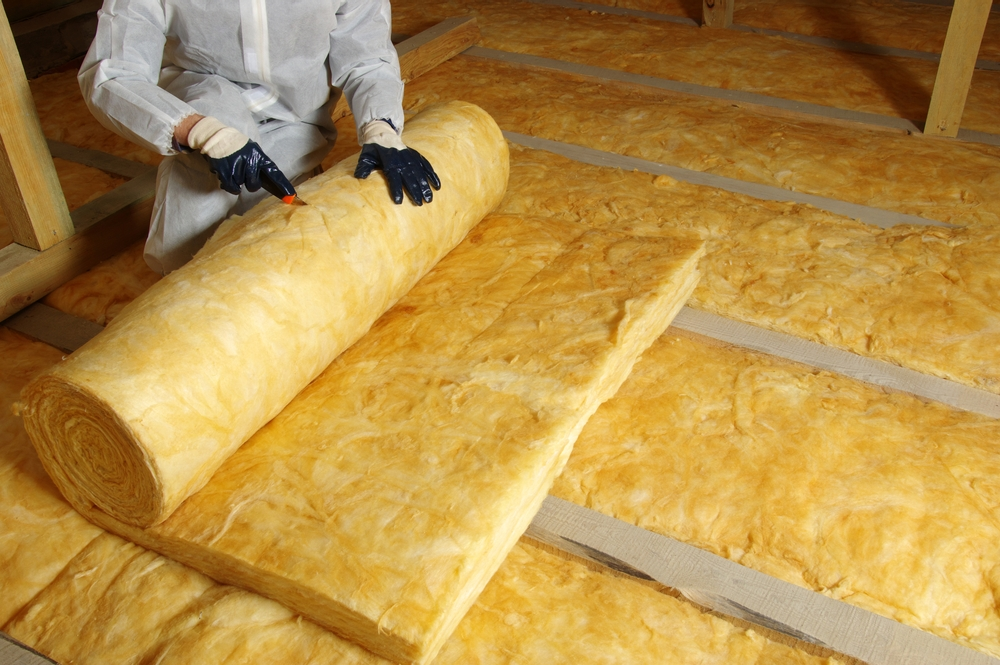
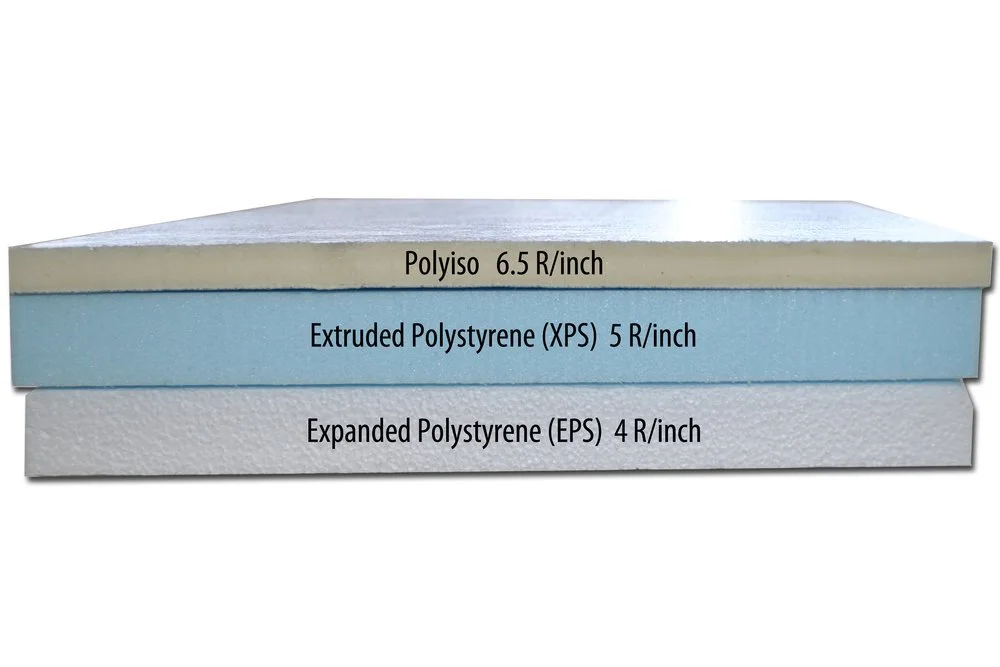
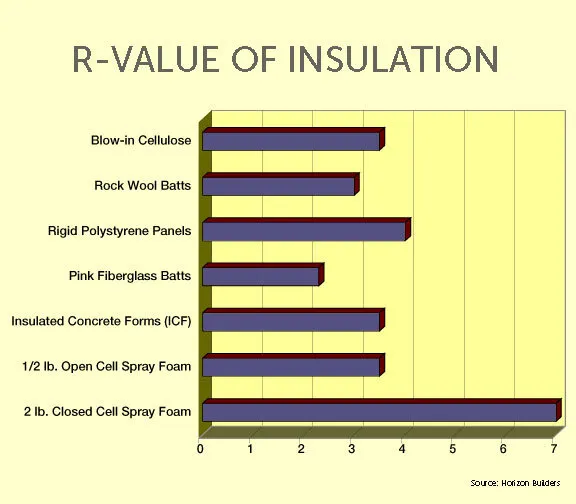
When we talk about the r value of insulation, we’re referring to how well a specific insulation material performs compared to others. Different insulation products naturally come with different R-values per inch, depending on their composition and density.
What Influences the R-Value of Insulation?
- Material Type
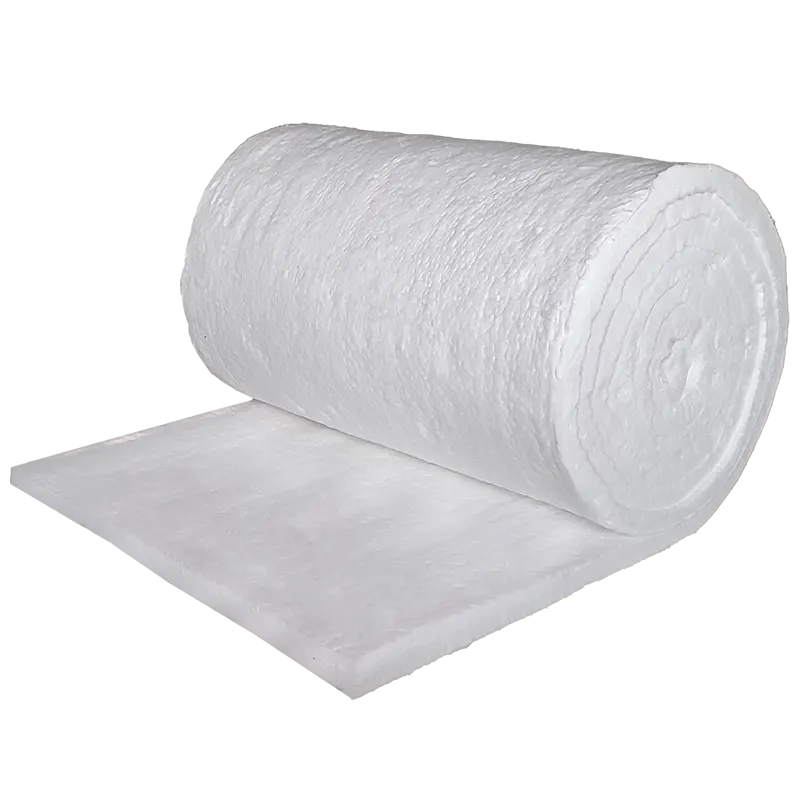
Fibra de vidrio, lana mineral, foam board, and spray foam each have different thermal resistance levels.
- Thickness and Density
Generalmente, thicker and denser insulation provides higher R-values, but quality also matters.
- Installation Quality
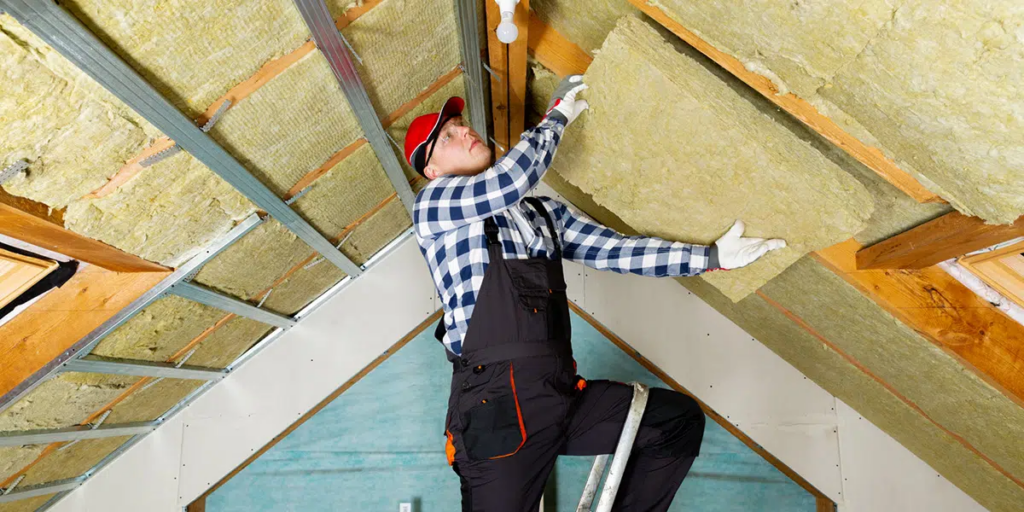
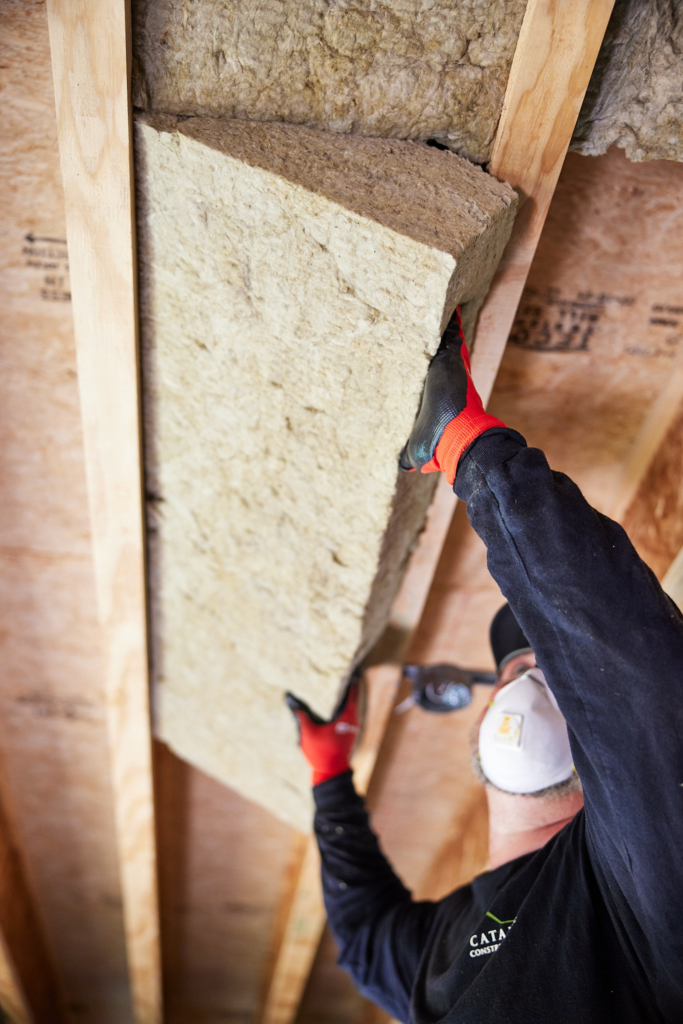
Poor installation, gaps, or compression can significantly reduce real performance.
- Environmental Conditions
Humedad, aging, and settling may slightly change insulation efficiency over time.
Typical R-Value Ranges for Building Areas
- Áticos & Roof Spaces: R-30 to R-60 depending on climate needs
- Exterior Walls: R-13 to R-23 in most residential applications
- Floors & Crawlspaces: R-19 to R-30
- Techos: Often aligned with attic insulation levels
Understanding these ranges helps you match the r value of insulation to your building’s performance goals.
How to Calculate the R-Value
Knowing how to calculate R-value helps you better evaluate insulation choices, especially when combining multiple layers in a wall or roof system.
Method 1: Basic R-Value Formula
The standard formula is:
R-value = Thickness (pulgadas) ÷ Thermal Conductivity (k-value)
Key points:
- Manufacturers test insulation and provide R-values, so you don’t always need to calculate manually.
- Thicker materials usually deliver higher R-values.
- R-value is often provided por pulgada, allowing easier comparison between materials.
Method 2: Total R-Value of Building Assemblies
In real construction, insulation isn’t alone—it works together with drywall, air gaps, sheathing, and exterior finishes. So we calculate Total R-value by adding all layers together.
Example Wall:
- Interior drywall: Riñonal-0.5
- Fiberglass insulation batt: R-15
- Sheathing: R-1
- Exterior cladding: Riñonal-0.5
Total R-value = 0.5 + 15 + 1 + 0.5 = R-17
Why This Matters
- Helps architects design effective wall systems
- Enables smarter budget vs performance decisions
- Ensures compliance with building codes
- Reflects real-world thermal resistance instead of only material performance
Understanding how to calculate the R-value lets you move beyond guessing and toward precise building evaluation.
What R Value Insulation for Exterior Walls?
One of the most common questions people ask is:
What r value insulation for exterior walls is appropriate?
The answer depends on climate, building type, and energy targets—but there are helpful general guidelines.
Recommended R-Values for Exterior Walls
- Warm or Mild Climates: R-13 to R-15 is generally sufficient
- Moderate Climates: R-15 to R-21 is often recommended
- Cold or Harsh Winter Regions: R-21 or higher is preferred
Why Choosing the Right Exterior Wall R-Value Is Important
- Prevents heat escaping during winter
- Reduces thermal gain during hot seasons
- Enhances comfort without overworking HVAC systems
- Improves long-term building durability
- Supports sustainability and energy-saving strategies
So when planning construction or renovation, selecting the correct what r value insulation for exterior walls is a key decision that influences both comfort and efficiency.
Different Regions Use Different R-Value Requirements
Not every part of the world has the same weather, so naturally not every region requires the same insulation performance. Climate conditions determine insulation needs and therefore create different regional R-value standards.
Why Regions Need Different R-Value Lists
- Cold regions need stronger thermal protection to prevent heat loss
- Hot regions need insulation to block heat penetration
- Mixed climates require balanced insulation to perform in both seasons
- Local building codes reflect energy policy and climate needs
General Regional R-Value Guidance
❄ Cold & Harsh Winter Regions
- Exterior Walls: R-19 to R-23+
- Attics/Roofs: R-49 to R-60
- Designed to reduce major winter heating losses
🌤 Moderate & Mixed Climate Regions
- Exterior Walls: R-13 to R-21
- Attics/Roofs: R-30 to R-49
- Balances heating and cooling efficiency needs
☀ Warm or Tropical Regions
- Exterior Walls: R-11 to R-15
- Attics/Roofs: R-30 to R-38
- Focuses mainly on reducing heat gain and maintaining cooling efficiency
Evaluating Insulation Efficiency Beyond R-Value
Although R-value is essential, insulation performance isn’t determined by R-value alone. Real-world efficiency depends on multiple factors.
Key Elements to Consider
- Air Tightness
Air leakage can undermine high R-values, so sealing matters. - Moisture Management
Wet insulation loses performance and can damage structures. - Installation Quality
Gaps, compression, or poor fitting reduce effectiveness. - Material Stability
Good materials maintain performance over time. - Environmental Responsibility
Eco-friendly products contribute to greener construction.
Looking at insulation from a holistic perspective ensures buildings truly perform—not just meet theoretical standards.
Conclusión: Choose the Right R-Value, Build Smarter, and Perform Better

Understanding what is R-value, how to calculate it, and how the r value of insulation varies by region and application empowers you to make better building decisions. Choosing the correct R-value helps lower energy bills, enhance comfort, improve sustainability, and increase building value over time. Whether you’re planning a new project or upgrading existing insulation, selecting the right what r value insulation for exterior walls and other building areas is essential for real performance.
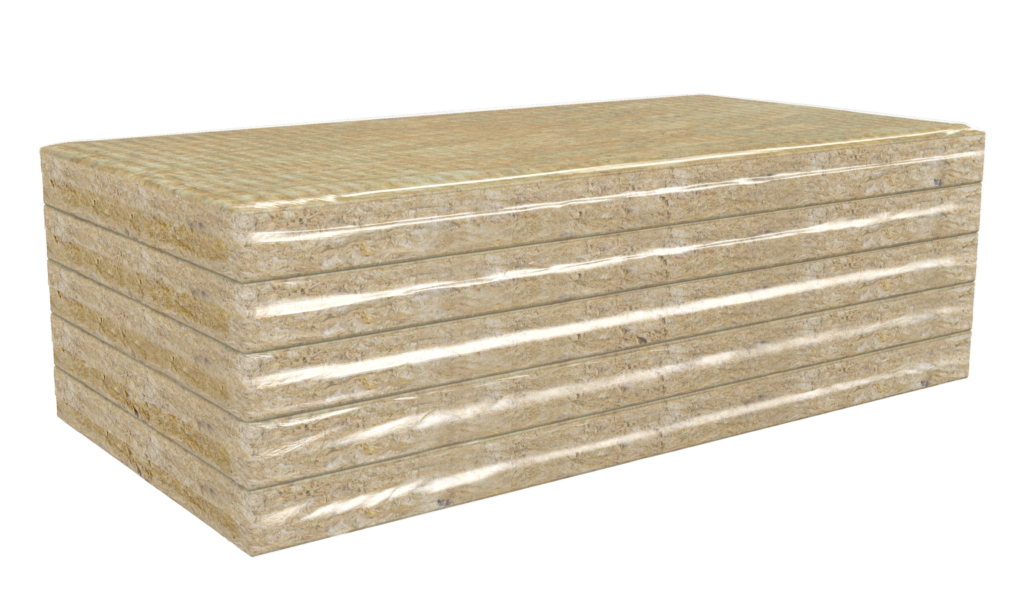
If you’re looking for reliable, high-performance insulation solutions, orientación experta, or quality materials, nuestro equipo está aquí para ayudar. As a professional insulation supplier and proveedor de aislamiento de lana de roca, we provide advanced insulation products and technical support to ensure your project meets modern standards of efficiency and comfort.
👉 Visit us today athttps://chinathermalinsulation.com/ to explore high-quality insulation solutions and get professional assistance for your next building project!