Finding the best thermal insulation is the critical step that separates efficient, safe industrial operations from those plagued by excessive energy costs and preventable safety incidents. In facilities with high-temperature pipelines, vessels, and processing equipment, a poorly specified material doesn’t just inflate utility bills; it creates immediate burn hazards, accelerates equipment corrosion, and can lead to costly unscheduled downtime. The wrong choice directly impacts your bottom line and your team’s safety.
This technical guide moves beyond simple material lists to provide a clear framework for your selection process. We analyze the core factors that matter in an industrial setting, comparing materials based on thermal performance, fire resistance ratings, acoustic dampening properties, and total lifecycle cost. The goal is to equip engineers and facility managers with the data needed to specify an insulation system that meets precise operational demands and delivers a measurable return on investment.
What Is Industrial Thermal Insulation
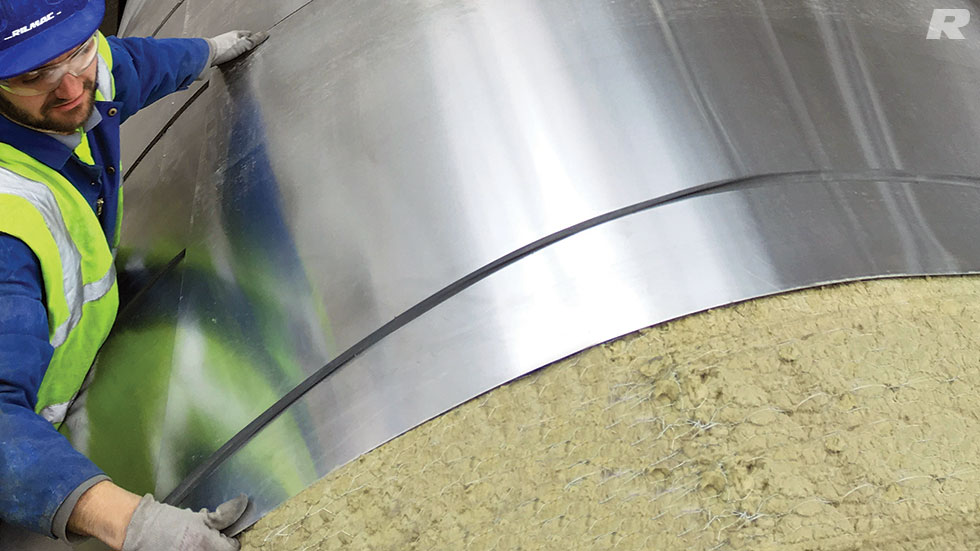
Industrial thermal insulation refers to materials and systems designed to control heat transfer in industrial facilities. It helps maintain stable process temperatures, improve energy efficiency, and protect equipment and workers. In sectors such as petrochemical, production d'électricité, and manufacturing, insulation is commonly installed on pipes, chaudières, réservoirs, and furnaces to reduce heat loss or gain. High-quality materials are typically sourced from experienced fabricants de matériaux isolants and reliable insulation material suppliers to ensure performance and safety.
Core Functions of Industrial Insulation
Industrial insulation plays several essential roles in maintaining efficient and safe operations.
- Maintain Process Temperatures
Insulation prevents heat loss from pipelines, reactors, and boilers, keeping processes stable and improving system efficiency. - Protect Equipment and Personnel
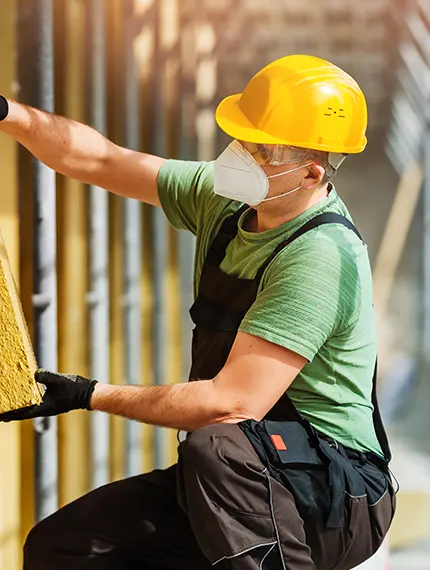
It creates a thermal barrier around high-temperature equipment, helping protect nearby components and reducing burn risks for workers. - Reduce Energy Consumption
By minimizing unwanted heat transfer, insulation lowers the energy needed to maintain operating temperatures.
How Thermal Insulation Reduces Heat Transfer
Insulation materials are designed to limit the three main types of heat transfer.
- Conduction: Low thermal conductivity slows heat flow through the material.
- Convection: Fibrous structures trap air and limit heat movement through air circulation.
- Radiation: Reflective surfaces can reduce radiant heat transfer.
Common Industrial Insulation Types
Industrial insulation materials vary depending on temperature requirements and applications. Most insulation material suppliers offer several major categories used across different industries.
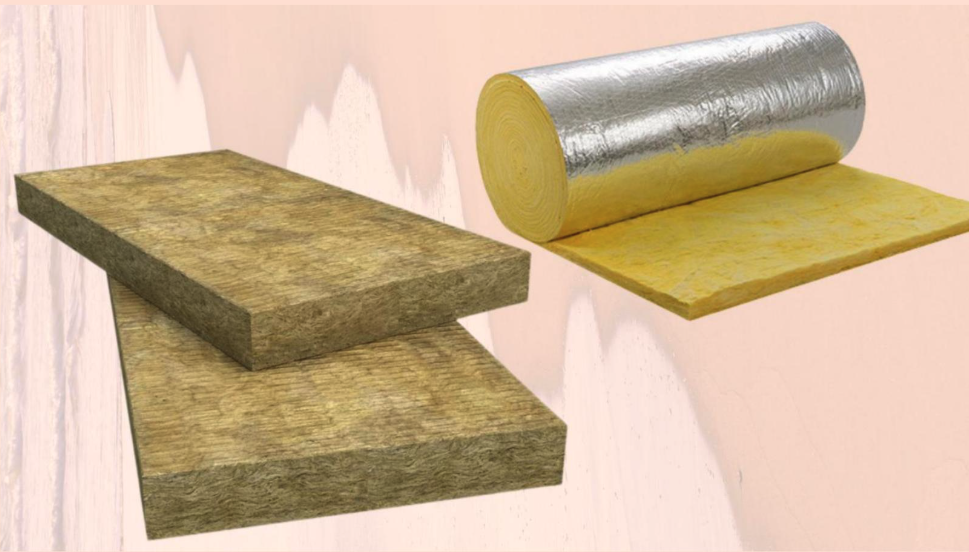
Standard Materials: Fiberglass and Mineral Wool
These are widely used for moderate-temperature applications.
- Common for piping, réservoirs, et systèmes CVC
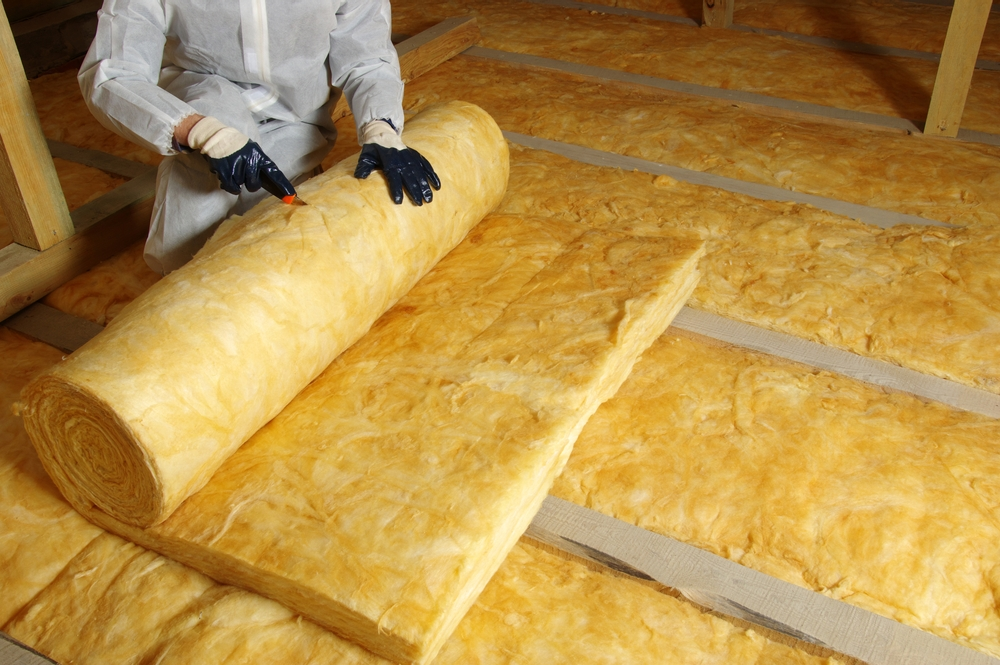
- Disponible sous forme de couvertures, planches, and pipe sections
- Cost-effective with reliable thermal performance
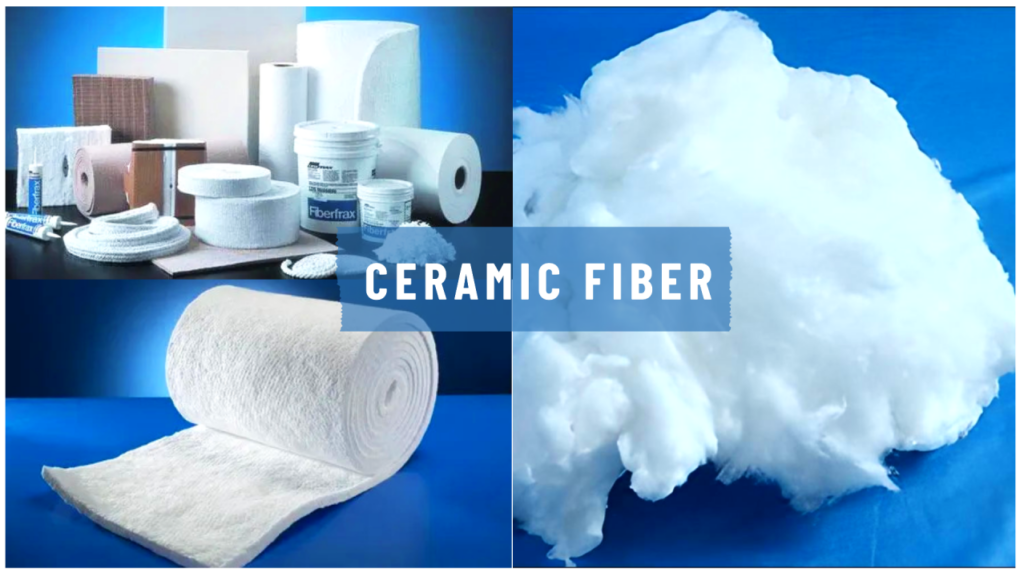
High-Temperature Insulation: Ceramic and Refractory Products
Used in extreme heat environments.
- Suitable for furnaces, fours, and reactors
- Withstand temperatures above 1000°C
- Common in metal, verre, and petrochemical industries
Advanced Materials: Aerogel and Vacuum Panels
These provide superior insulation in limited space.
- Extremely low thermal conductivity
- Ideal for complex equipment or tight installations
- Increasingly used in high-efficiency industrial systems
Key Factors in Choosing the Best Insulation Materials
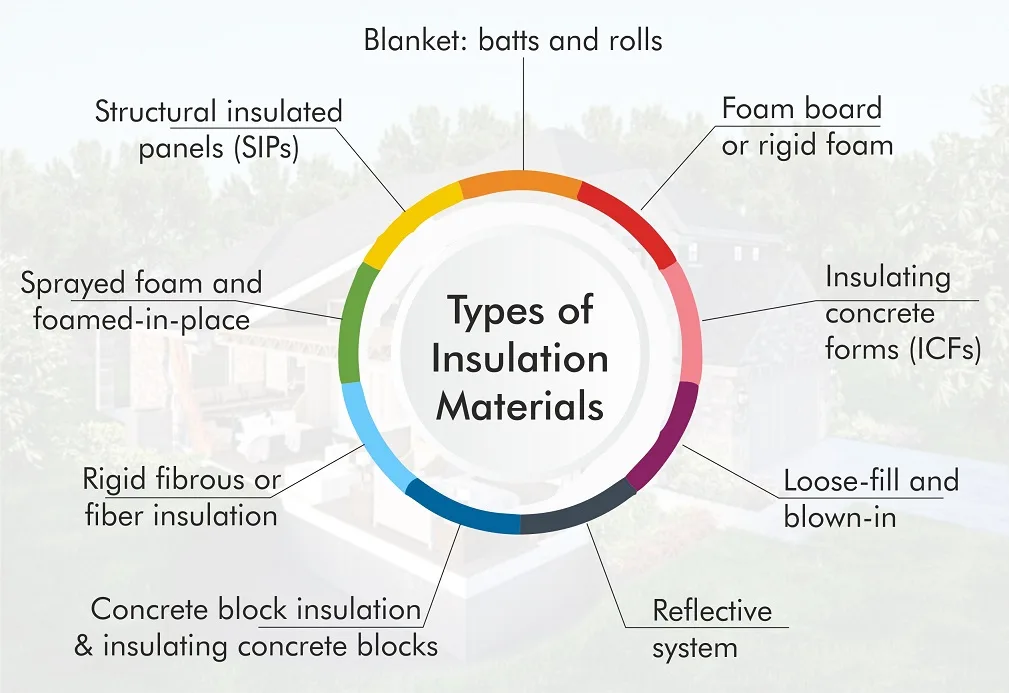
Selecting industrial insulation in 2026 requires a multi-criteria analysis, balancing thermal performance under extreme conditions with fire safety, chemical durability, and the correct physical format for the application.
Thermal Performance in Extreme Environments
For industrial applications in 2026, material selection goes beyond standard R-values. The primary factor is a material’s ability to perform consistently under continuous high temperatures, often exceeding 1,260°C. Key metrics include low thermal conductivity and minimal heat storage to maximize energy efficiency in furnaces, fours, and reactors.
- Evaluate materials based on their maximum continuous service temperature to ensure stability and prevent degradation.
- Prioritize materials with low thermal conductivity, such as ceramic or bio-soluble fibers, to reduce heat loss and lower operational energy costs.
- Consider thermal shock resistance, which is critical for equipment that undergoes rapid temperature cycling.
| Material Type | Température de service maximale | Key Application Benefit |
|---|---|---|
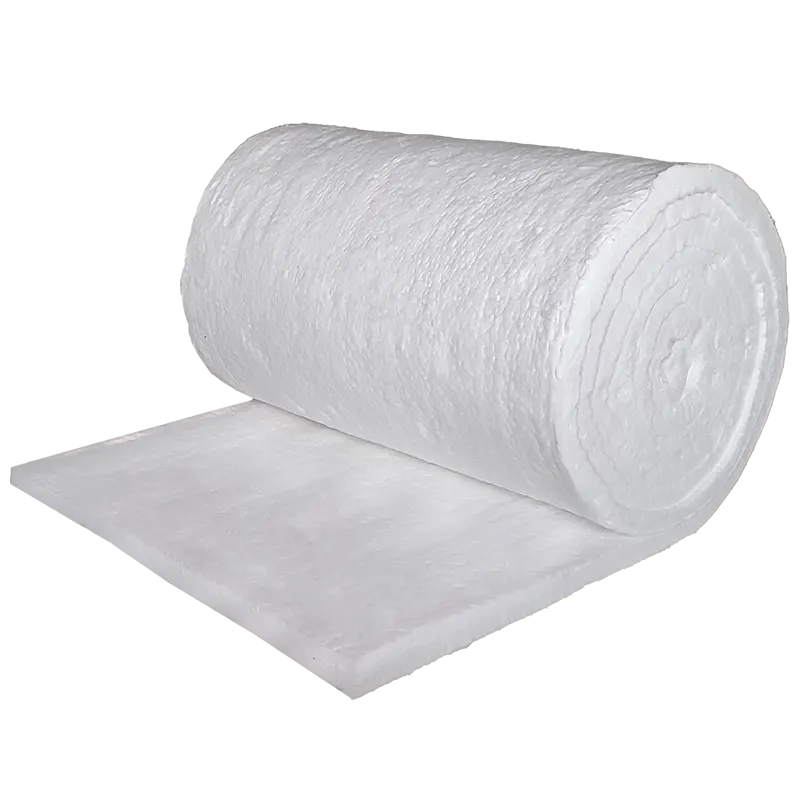
| Fibre Céramique | Up to 1430°C (2600°F) | Superior performance in extreme heat environments like furnaces and kilns. |
| Laine de roche (Laine minérale) | Up to 750°C (1382°F) | Excellent balance of thermal, feu, and acoustic insulation for process piping and equipment. |
| Fibre de verre (Laine de verre) | Up to 540°C (1000°F) | Cost-effective solution for lower-temperature industrial applications and HVAC systems. |
Fire Resistance and Safety Compliance
Industrial safety regulations require insulation that contributes to passive fire protection. The choice of material is often dictated by its fire resistance rating and compliance with international standards like ASTM and EN13501. Non-combustible materials are essential for protecting equipment, facilities, and personnel in high-risk areas.
- Select materials that are inherently non-combustible, such as ceramic fiber or rock wool, which achieve A-class fire ratings.
- Verify that the insulation meets necessary certifications, including ISO and CE standards for fire safety.
- Ensure the material is suitable for its role in fire containment systems for pipelines, turbines, or structural components.
Material Durability and Chemical Stability
Industrial insulation must withstand harsh conditions beyond heat, including exposure to chemicals, moisture, and mechanical stress. Material durability ensures a long lifecycle and reliable performance, preventing costly repairs and downtime. Stability in corrosive environments is a non-negotiable requirement in sectors like petrochemicals or heavy manufacturing.
- Assess the material’s resistance to chemical corrosion, particularly in petrochemical or manufacturing settings.
- Choose insulation with high mechanical strength and vibration resistance for applications in machinery or high-flow systems.
- Look for options with surface treatments or composite layers that improve resistance to moisture or physical abrasion.
Application-Specific Material Formats
The physical form of the insulation is as important as its composition. The right format ensures a proper fit, simplifies installation, and eliminates thermal bridging. Suppliers offer materials in various forms to suit different industrial equipment and structures, moving beyond one-size-fits-all solutions.
- Match the format—such as flexible blankets, rigid boards, modules, or textiles—to the specific geometry of the application.
- Utilize custom die-cutting and fabrication services for components requiring precise shapes, such as in OEM equipment.
- Consider modular insulation systems for lining large surface areas like furnaces and kilns, as they can speed up installation and maintenance.
Custom Ceramic Fiber for Extreme Temperatures
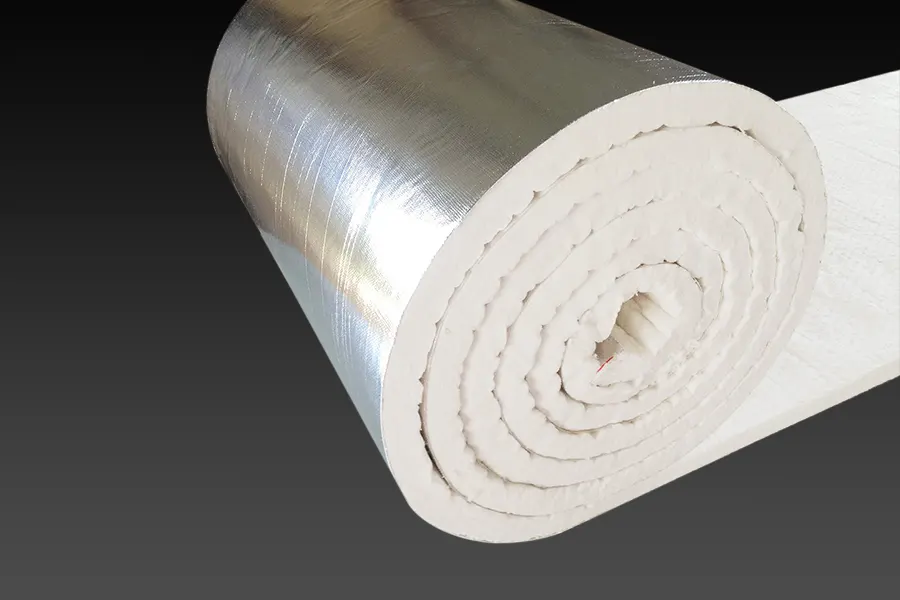
Thermal Performance and Energy Efficiency Comparison
Comparing R-Values in Advanced Materials
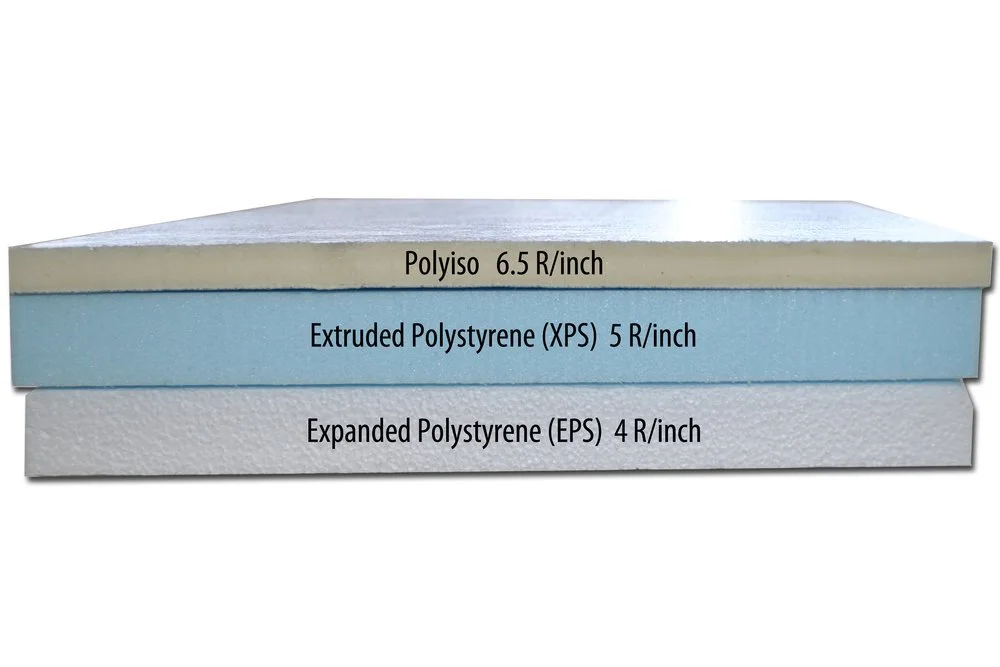
By 2026, the market has clearly shifted toward materials offering superior R-values per inch. While traditional fiberglass and polystyrene are still used, advanced options like polyisocyanurate (polyiso) foam and aerogels are specified for applications demanding maximum thermal resistance in a limited space. Innovations in graphite-enhanced polymers have also pushed the performance boundaries of rigid foams. A higher R-value isn’t just a technical specification; it’s a direct indicator of how effectively a material will reduce the energy needed to maintain stable process or building temperatures.
| Material Type | Typical R-Value (par pouce) | Key Performance Characteristic |
|---|---|---|
| Aerogel | R-10.3 | Highest thermal resistance; ideal for space-constrained applications. |
| Polyisocyanurate (Polyiso) Foam | R-6.5 | Excellent efficiency for rigid board and continuous insulation systems. |
| Laine de roche (Laine minérale) | R-3.0 – R-4.0 | Superior fire resistance (A-Class) and acoustic absorption. |
| Fibre de verre | R-3.0 – R-4.3 | Standard, cost-effective insulation for general purpose applications. |
Long-Term Energy Savings vs. Initial Cost
A cost-benefit analysis is now standard practice when specifying insulation. While high-performance materials carry a higher initial price, they consistently deliver substantial long-term savings on energy costs. The payback period for premium insulation is shortening as global energy prices rise. Investing in better insulation reduces monthly utility bills and improves the operational efficiency and total value of the facility. The upfront material cost is only a fraction of the total lifecycle economic calculation.
Impact of Sustainable Materials on Efficiency
Demand for sustainable and eco-certified insulation is a defining market trend. Materials manufactured with high recycled content are now engineered to provide thermal performance that competes directly with traditional options. This allows project managers to align environmental goals with energy efficiency targets without sacrificing performance. Using these materials helps reduce the carbon footprint of manufacturing and construction projects. For applications requiring high durability, moisture-resistant rigid foams made from sustainable inputs are a popular and effective choice.
Fire Resistance and Safety Ratings
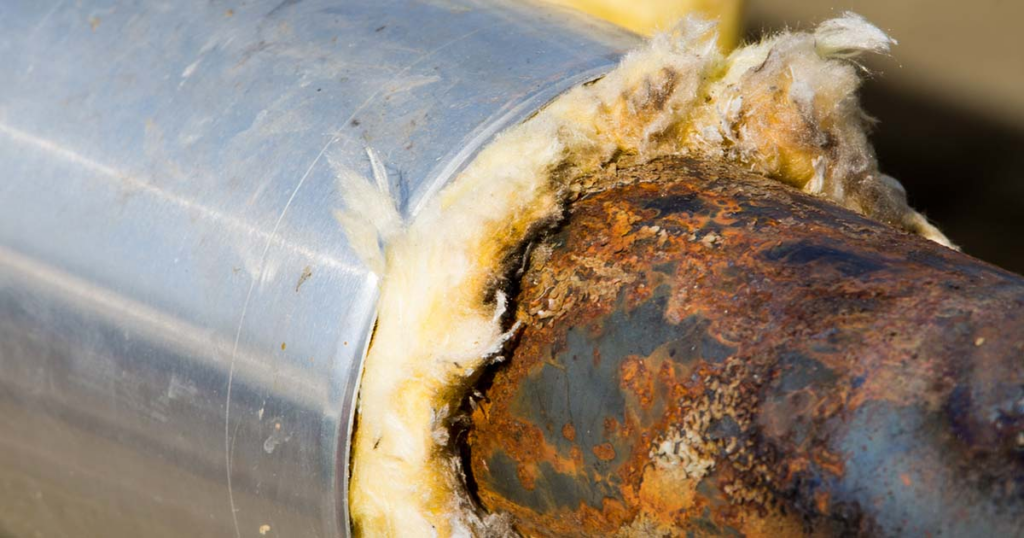
Industrial safety standards are shifting from evaluating individual material fire ratings to mandating comprehensive, assembly-level testing that reflects real-world system performance.
Material Composition and Fire Retardant Trends
There is a clear market preference for inherently non-combustible insulation materials, especially in critical industrial applications. Products like mineral wool and rock wool are specified for their natural resistance to fire without needing chemical additives. This trend minimizes risk and simplifies compliance with stringent fire codes.
Synthetic foam insulation, while offering high thermal performance, requires advanced fire-retardant treatments to meet modern safety codes. The industry is rapidly adopting halogen-free retardant systems. This move is driven by the need to reduce the release of toxic or corrosive gases during a fire, protecting both personnel and sensitive equipment.
Focus on Assembly-Level Performance
Modern building codes and industrial standards now prioritize the fire performance of entire systems over the ratings of individual components. The evaluation process has shifted from material-specific claims to comprehensive testing of complete wall, roof, and floor assemblies. This approach delivers a far more accurate assessment of real-world fire behavior, as it accounts for the interaction between all materials in a system.
Manufacturers must now provide robust data showing how their insulation products perform as part of an integrated construction system. A high fire rating for a single material is no longer sufficient; proof of performance within a tested and approved assembly is the new standard for compliance and safety assurance.
Acoustic and Noise Reduction Properties
Effective industrial noise control in 2026 rarely relies on a single material, instead integrating composite systems that absorb, dampen, and block sound across multiple frequencies.
Core Methodologies for Noise Reduction
Industrial sound control in 2026 relies on three primary techniques: absorption acoustique, dampening, and mass-based blocking. Most modern systems use composite solutions that integrate these methods to manage a wide spectrum of frequencies.
- Absorption acoustique: Uses porous materials like fiberglass or ceramic fiber to trap and convert sound waves into heat.
- Sound Dampening: Reduces structural vibrations that create noise, often applied directly to machinery housings or metal panels.
- Mass-Based Blocking: Employs dense, heavy materials to act as a physical barrier, reflecting sound waves and preventing them from passing through.
Material Properties That Determine Acoustic Performance
The effectiveness of a material in managing noise directly relates to its physical structure. Key characteristics like density, épaisseur, and porosity dictate how well a material can absorb or block sound energy.
- Densité: Higher-density materials are more effective at blocking low-frequency sounds, which carry significant energy.
- Épaisseur: Greater material thickness generally improves sound absorption across all frequencies, providing more space for sound waves to dissipate.
- Porosity: The interconnected pores within materials like foam and mineral wool are critical for trapping and absorbing high-frequency noise.
B2B Considerations for Manufacturer & Supplier
When sourcing insulation for industrial applications, the decision-making process extends far beyond product specifications. Procurement managers and engineers must assess a manufacturer’s operational capabilities, financial stability, and long-term partnership potential. Factors like logistical infrastructure, quality control systems, and the ability to scale production are critical for ensuring project success and mitigating supply chain risks.
Supply Chain and Global Sourcing
Industrial clients evaluate a potential partner’s global sourcing network to ensure consistent material availability for large-scale projects. A robust supply chain, with manufacturing hubs in key regions like China, Europe, and North America, is essential for serving diverse industrial markets without interruption. This logistical strength guarantees timely material delivery, which directly reduces the risk of costly project delays. For contractors and distributors, dependable distribution networks are fundamental for managing bulk purchasing and wholesale operations effectively.
Quality Assurance and Compliance
Verifying a manufacturer’s quality control protocols and adherence to international standards is a primary concern. This guarantees that all materials meet stringent safety, performance, and environmental regulations. Key indicators of a reliable supplier include:
- Certifications: Look for suppliers holding ISO certifications for quality management and cGMP (current Good Manufacturing Practice) compliance for process integrity.
- Performance Standards: Materials must meet sector-specific requirements for fire resistance, conductivité thermique, and energy efficiency as defined by bodies like ASTM.
- Environmental Regulations: A growing number of projects require proof of compliance with environmental stewardship goals, making a manufacturer’s green credentials an important factor.
Customization and Production Capabilities
The ability to provide customized solutions is crucial for meeting the specific demands of different industries, from aerospace to appliance manufacturing. A manufacturer with advanced fabrication capabilities can produce insulation precisely tailored to unique geometries and performance criteria. These capabilities often include die-cutting, laser cutting, and rapid prototyping services. A diverse material portfolio also allows engineers to develop tailored solutions based on the application’s thermal, acoustique, and fire resistance needs. The ideal partner can support both small-batch prototype runs and high-volume production orders with consistent quality.
Conclusion
Choosing the right industrial insulation is a critical operational decision, not just a purchase. The material directly impacts your facility’s energy efficiency, safety compliance, and long-term maintenance costs. Matching the thermal, feu, and acoustic properties to your application ensures optimal performance and a lower total cost of ownership.
If your project requires a specific performance profile, RPower can provide technical data sheets and material samples to help with your evaluation. We specialize in developing insulation solutions that meet precise engineering and budget requirements.
Foire aux questions
What is the most efficient thermal insulator?
The most efficient thermal insulator commercially available is a vacuum insulation panel (VIP). Because a vacuum contains almost no molecules, it dramatically reduces heat transfer from conduction and convection. Among solid materials, aerogel is the most efficient, often referred to as “solid smoke,” offering extremely low thermal conductivity in a lightweight form.
What type of insulation is the most energy efficient?
The most energy-efficient insulation is the type that provides the highest R-value per unit of thickness, maximizing thermal resistance. High-performance materials like vacuum insulation panels (VIP) and aerogel are the most energy-efficient options. They are specifically engineered to minimize energy loss in demanding applications where temperature control is critical and space is limited.
What insulation material has the highest R-value?
Vacuum insulation panels (VIP) have the highest R-value per inch of any insulation material, typically ranging from R-30 to R-50. This exceptional performance is due to the vacuum core, which significantly obstructs all three forms of heat transfer. Following VIPs, aerogel insulation also offers a very high R-value, often around R-10 per inch.
What are the 4 types of insulators?
While there are many insulation materials, they generally fall into four primary types based on their form and composition:
1. Fibrous Insulation: Consists of fine fibers that trap air. Common examples include fiberglass and mineral wool.
2. Foam Insulation: Features a cellular structure with trapped gas. This includes polyurethane foam (spray or rigid board) and polystyrene.
3. High-Performance Insulation: Advanced materials designed for extreme thermal demands, such as aerogel, pyrogel, and vacuum insulation panels (VIP).
4. Reflective Insulation: Uses reflective surfaces like aluminum to reduce radiant heat transfer, often used in combination with other types.