Industrial ovens and kilns demand insulation that resists thermal shock and maintains efficiency at temperatures well above 600°C. While organic materials degrade rapidly under such stress, rock wool utilizes basalt fibers to resist melting up to 1,177°C, preventing structural collapse and ensuring consistent operational safety.
This guide analyzes the engineering specifications of industrial-grade rock wool, focusing on its Class A1 non-combustible rating and thermal conductivity range of 0.034–0.040 W/(एम · के). We compare its density profiles against ceramic fiber refractories and outline precise applications for OEM equipment to help you select the right material for heavy-duty thermal control.
रॉक वूल क्या है?? (A Deep Dive Into Industrial-Grade Mineral Insulation)
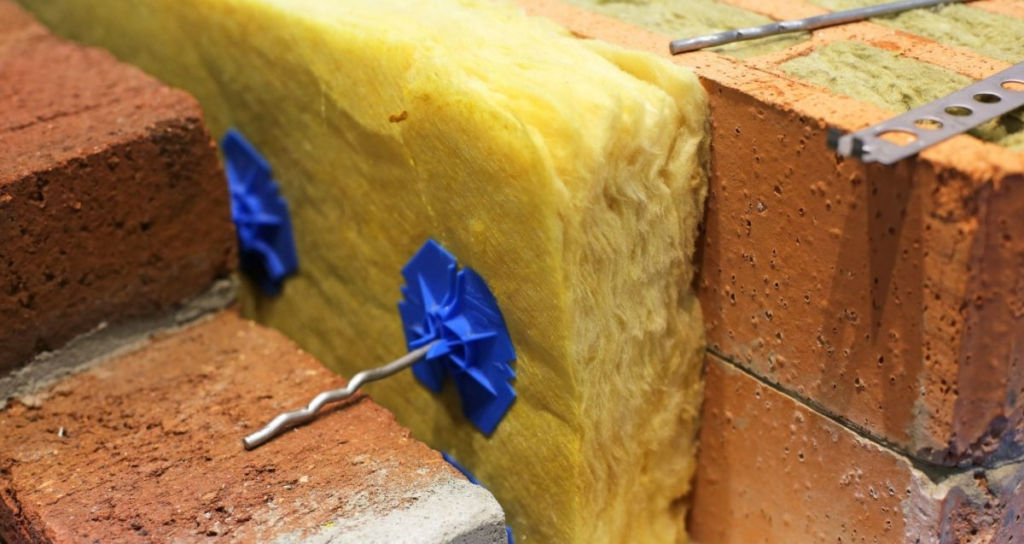
रॉक वूल, also known as खनिज ऊन, is a fibrous insulation material produced by spinning molten basalt or slag at extreme temperatures. It is characterized by a melting point often exceeding 1000°C (लगभग. 1177डिग्री सेल्सियस) and Class A1 non-combustibility, making it the standard for high-temperature industrial ovens, भट्टों, and fire-resistant applications where organic foams would degrade.
Composition and High-Heat Stability
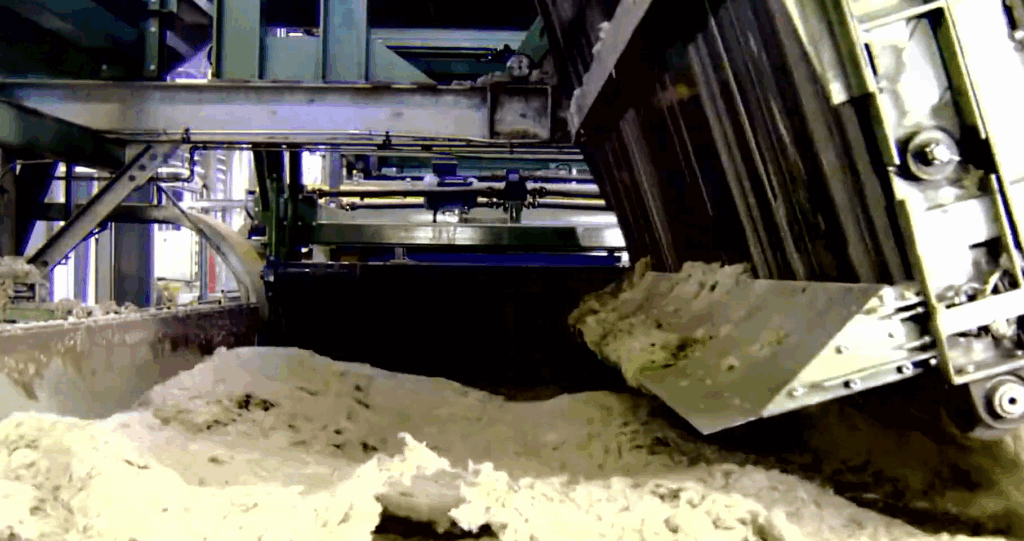
Industrial-grade rock wool functions as a high-performance mineral fiber insulation, manufactured by spinning molten basalt and recycled steel slag at temperatures exceeding 1500°C. This process creates a non-directional fiber matrix that resists aerodynamic scour and mechanical vibration. Unlike organic foam insulations that degrade rapidly under thermal stress, rock wool fibers maintain their structural integrity up to continuous service temperatures of 650°C (1200°F), with the base fibers resisting melting until approximately 1177°C.
Achieving Class A1 non-combustible ratings, this material serves as a critical fire barrier in industrial ovens and kilns. The inorganic nature of the basalt fibers prevents flame propagation and smoke generation, ensuring safety in environments subject to extreme heat flux. While binders typically begin to decompose around 175°C, the interlocking fiber structure remains stable, providing consistent thermal resistance even after binder burnout in the hot-face layers of insulation assemblies.
Engineering Specifications and Chemical Resistance
Thermal performance relies on a low thermal conductivity range of 0.034–0.040 W/(एम · के) at 25°C, effectively minimizing heat transfer through oven walls and piping systems. To maintain this efficiency in humid industrial environments, high-quality rock wool undergoes hydrophobic treatment, achieving ≥98% water repellency and limiting moisture absorption to ≤1.0%. This resistance to moisture ingress prevents Corrosion Under Insulation (कौन) and ensures the material retains its R-value over decades of service.
Mechanical resilience is defined by compressive strength standards such as ASTM C612 Type IVA and GB/T 19686. Industrial boards typically sustain loads of ≥40–80 kPa at 10% deformation, allowing them to support heavy cladding and withstand the physical stresses of thermal expansion. आगे, an acidity coefficient of ≥1.8 indicates high chemical stability, protecting the insulation from acidic flue gases and reducing the risk of fiber degradation in chemically aggressive processing atmospheres.
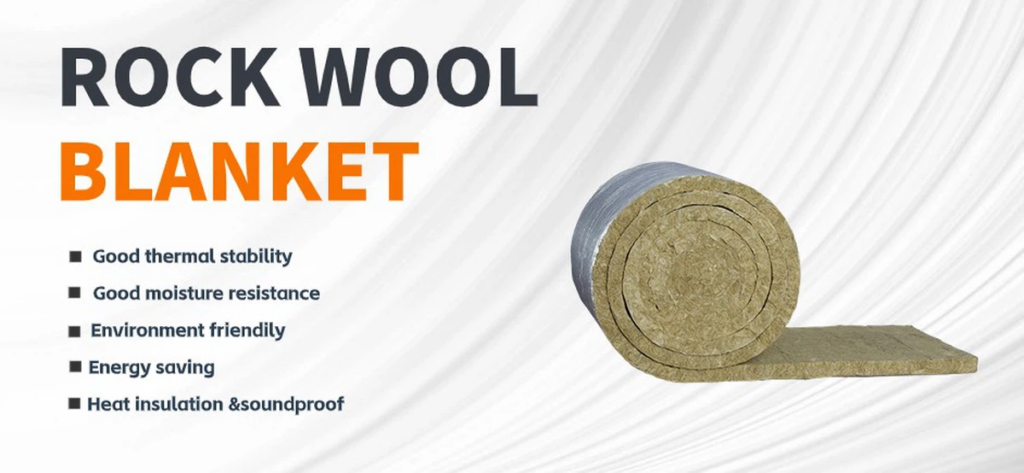
रॉक वूल बनाम. Other High-Temperature Insulation Materials
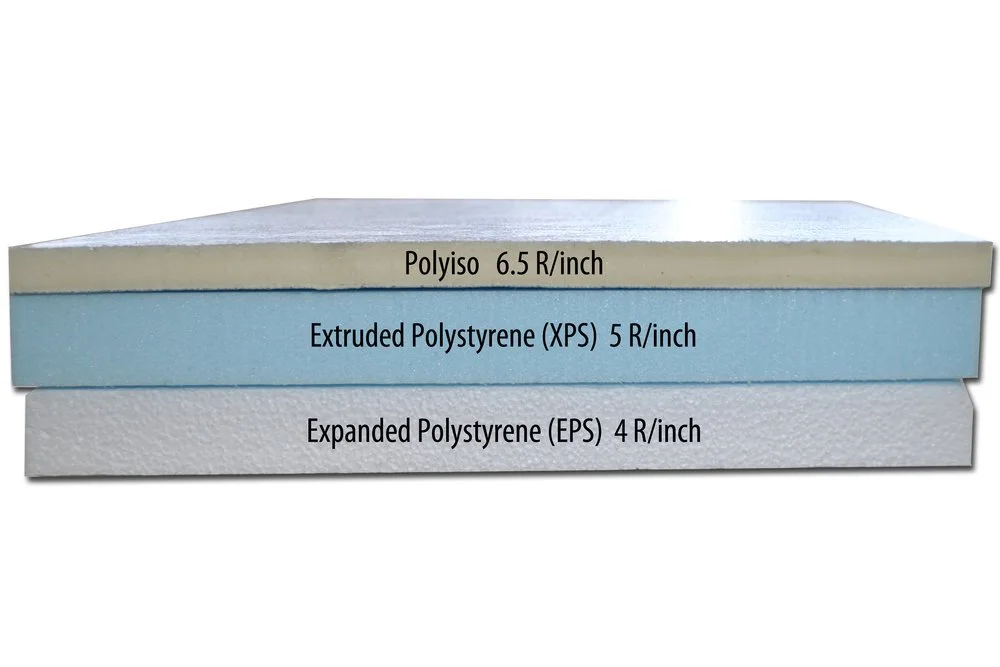
Rock wool fills the gap between standard fiberglass and heavy-duty refractories. It offers a melting point near 1000°C and non-combustible A1 safety features, outperforming organic foams. अभी तक, its continuous use limit of roughly 550°C restricts it to outer shells or backup layers in kilns, leaving the hottest zones to ceramic fiber or insulating firebrick.
Fire Resistance and Stability vs. Standard Insulation
Rock wool is engineered to resist binder burnout and structural collapse far better than organic insulations like fiberglass or polymeric foams. While standard building materials degrade rapidly under industrial heat loads, rock wool fibers possess a melting point of approximately 1000°C. This inorganic stability allows it to maintain consistent thermal conductivity—typically around 0.040 W/m·K at 70°C—in environments where softer materials would melt, shrink, or lose their insulating value entirely.
Safety compliance is a primary driver for selecting rock wool in mid-range temperature applications. It consistently achieves Class A1 non-combustible status and records a flame spread index of 0 in standard surface burning tests. This ensures that the insulation layer does not contribute fuel to a fire, a critical advantage over organic foams that may release toxic smoke or accelerate flame propagation when containment systems fail.
Temperature Limits Compared to Ceramic Fiber Refractories
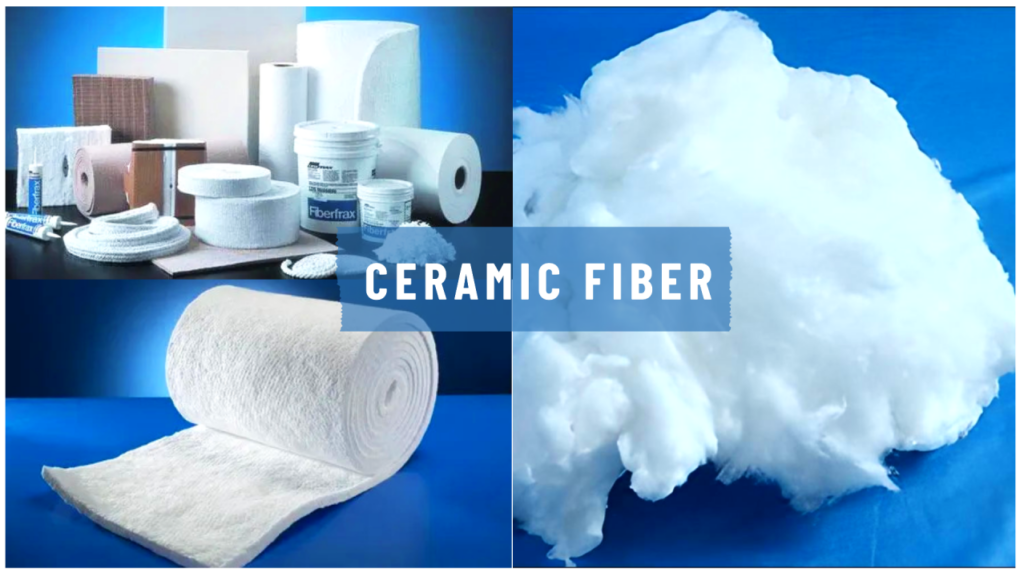
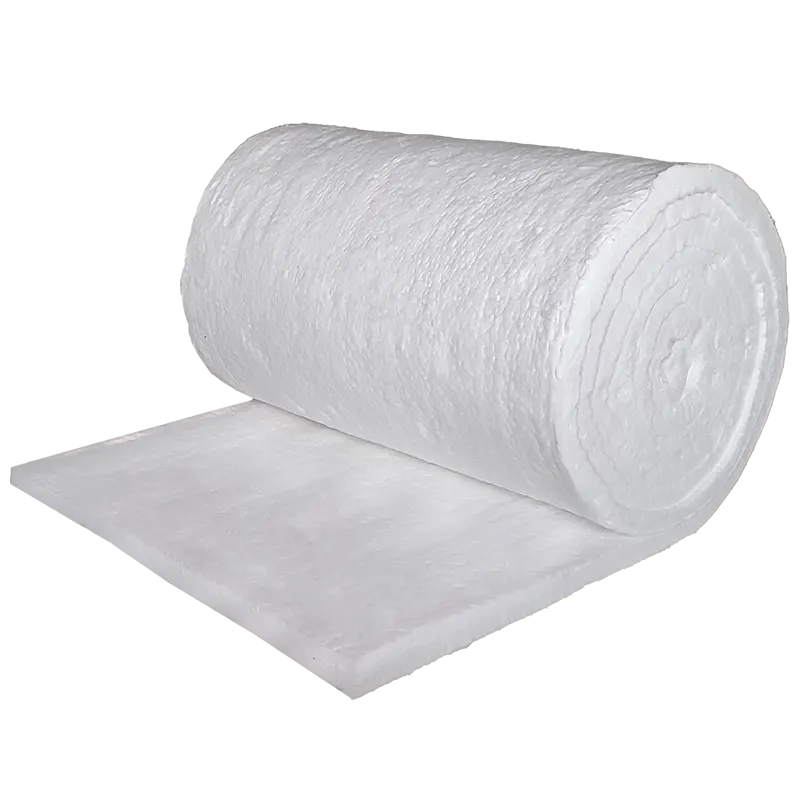
Despite its high melting point, rock wool has specific operational ceilings compared to true refractory materials. It is generally recommended for continuous service only up to 450°C–550°C. Beyond this range, the binder systems may degrade, or the material may experience excessive linear shrinkage. इसके विपरीत, ceramic fiber blankets and insulating firebricks are designed to withstand hot-face temperatures of 1260°C or higher without significant physical alteration.
फलस्वरूप, rock wool functions best as an energy-saving backup layer or external oven shell insulation rather than as a primary kiln lining. In these outer zones, its high density—ranging from 60 को 160 kg/m³—provides superior mechanical rigidity compared to soft refractory mats. This density allows rock wool slabs to support outer equipment jacketing and resist compressive loads that would deform lighter ceramic fiber alternatives.
High-Performance Rock Wool Insulation
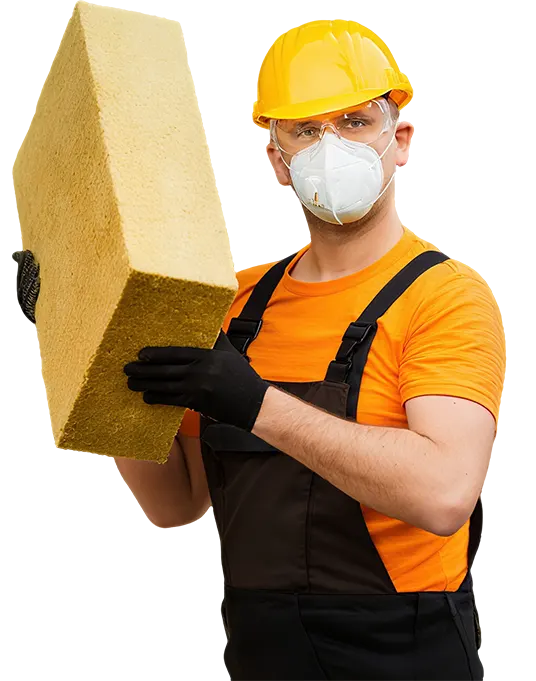
Key Benefits of Rock Wool for Heavy-Duty Thermal Management
Rock wool excels in heavy-duty thermal management due to its high melting point of 1,177°C and consistent thermal conductivity of 0.034–0.035 W/(mK). Its high-density structure (तक 180 किग्रा/वर्ग मीटर) maximizes R-value performance while providing inherent Class A fire resistance. इसके अतिरिक्त, its moisture-repellent properties prevent corrosion under insulation (कौन), ensuring long-term operational stability and energy savings.
| प्रदर्शन मीट्रिक | तकनीकी विशिष्टता | Industrial Advantage |
|---|---|---|
| गलनांक | ~1,177°C (2,150°F) | Prevents structural collapse during thermal spikes. |
| Service Temperature | Up to 650°C (1,200°F) continuous | Suitable for kilns, भट्टियां, and high-pressure steam. |
| ऊष्मीय चालकता | 0.034–0.040 W/(एम · के) @ 25°C | Ensures predictable heat transfer and process control. |
| आग दर्ज़ा | Class A / गैर दहनशील | Meets ASTM E84 and NFPA 101 without retardants. |
Extreme Temperature Stability and Fire Safety
Industrial environments require insulation that withstands intense heat without degrading. Rock wool resists continuous operating temperatures up to 650°C (1,200°F) and maintains fiber integrity even when exposed to spikes reaching its melting point of approximately 1,177°C (2,150°F). This high thermal threshold makes it a primary choice for lining furnaces, भट्टों, and high-temperature piping where organic foam insulations would fail immediately. The material maintains structural integrity during rapid thermal cycling, preventing the linear shrinkage and gap formation common in less stable insulation types.
Fire safety in heavy industry relies on passive protection systems. Rock wool achieves a Class A fire rating per ASTM E 84 and NFPA 101 standards due to its non-combustible basalt rock composition. Unlike plastic-based foams that may require chemical additives to pass fire tests, rock wool is naturally fire-resistant. It does not contribute fuel to a fire, release toxic smoke, or produce burning droplets, which is critical for maintaining safety protocols in volatile processing plants.
Optimized Density and Operational Efficiency
Density plays a crucial role in both thermal efficiency and mechanical durability. Rock wool is manufactured in a density range of 40–180 kg/m³, significantly higher than standard fiberglass. This high density allows for superior R-values in restricted spaces and provides the compressive strength needed to support heavy outer cladding or withstand mechanical vibration. With a stable thermal conductivity of 0.034–0.035 W/(mK) per EN 12667 मानकों, operators can calculate precise energy loss reductions, often resulting in payback periods of 6–18 months through energy savings exceeding 20%.
Moisture management remains a persistent challenge in industrial insulation, often leading to Corrosion Under Insulation (कौन). चट्टानी ऊन के रेशे are engineered to be hydrophobic, repelling water and preventing absorption into the insulation matrix. By keeping moisture away from the pipe or vessel surface, rock wool mitigates corrosion risks in humid plant environments. This characteristic preserves the thermal resistance of the system over decades, as wet insulation typically loses the majority of its insulating capability.
Rock Wool Performance in High-Temperature Applications (Factories, Plants, OEM)
In high-temperature industrial settings, rock wool maintains structural integrity up to continuous service temperatures of 650°C, with a melting point exceeding 1000°C. It exhibits minimal linear shrinkage (<3.5% at 1200°C) and remains non-combustible, making it ideal for lining furnaces, power plant piping, and OEM thermal equipment.
| Technical Metric | Performance Data | Applicable Standard |
|---|---|---|
| गलनांक (Base Fiber) | >1000डिग्री सेल्सियस (लगभग. 1177डिग्री सेल्सियस) | ASTM C612 Type IVB |
| Max Continuous Service | 650डिग्री सेल्सियस (1200°F) | ASTM C411 / C447 |
| Linear Shrinkage (24h) | <3.5% at 1200°C | ASTM C356 / IS 3144 |
| ऊष्मीय चालकता | ~0.12 W/m·K at 550°C | ASTM C335 / IS 3346 |
| अग्नि वर्गीकरण | गैर दहनशील (Class A1) | एएसटीएम ई136 / में 13501-1 |
Thermal Stability and Structural Integrity at Extreme Heat
Basalt-based fibers inherently resist melting at temperatures exceeding 1000°C, creating a substantial safety margin for industrial ovens, भट्टों, and high-heat process equipment. Unlike organic insulation materials that degrade rapidly, rock wool maintains its physical state well beyond standard operating ranges. This high melting point prevents fiber fusion even during equipment malfunctions where temperatures might briefly spike, ensuring the insulation layer continues to protect external personnel and steel casings.
Standard high-temperature boards, classified as Type IVB under ASTM C612, handle continuous service loads up to 650°C without loss of structural rigidity. Material testing under IS 3144 confirms that these boards exhibit no visible deterioration or self-heating after extreme exposure. This performance allows facilities to deploy rock wool in critical zones where consistent thermal resistance is mandatory for process stability.
Technical Specifications and Common Industrial Use Cases
Engineers rely on specific shrinkage data to predict the longevity of OEM equipment insulation. Tests show linear shrinkage remains below 3.5% even after 24 hours of exposure at 1200°C. This low shrinkage rate ensures that gaps do not form between insulation batts or boards over time, preventing dangerous hot spots on the outer shells of furnaces or boilers. Maintaining a continuous thermal barrier is essential for energy efficiency and safety compliance in heavy-duty manufacturing environments.
Thermal conductivity stays low even as mean temperatures rise, registering approximately 0.12 W/m·K at 550°C. This specific thermal profile leads to widespread specification in petrochemical reactors, offshore platform piping, and power plant turbines where heat conservation directly impacts operational costs. Manufacturers use these metrics to calculate precise skin temperatures and heat loss budgets for large-scale industrial systems.
Rock Wool in OEM Manufacturing: Customization, Density Options, फार्म & Specs
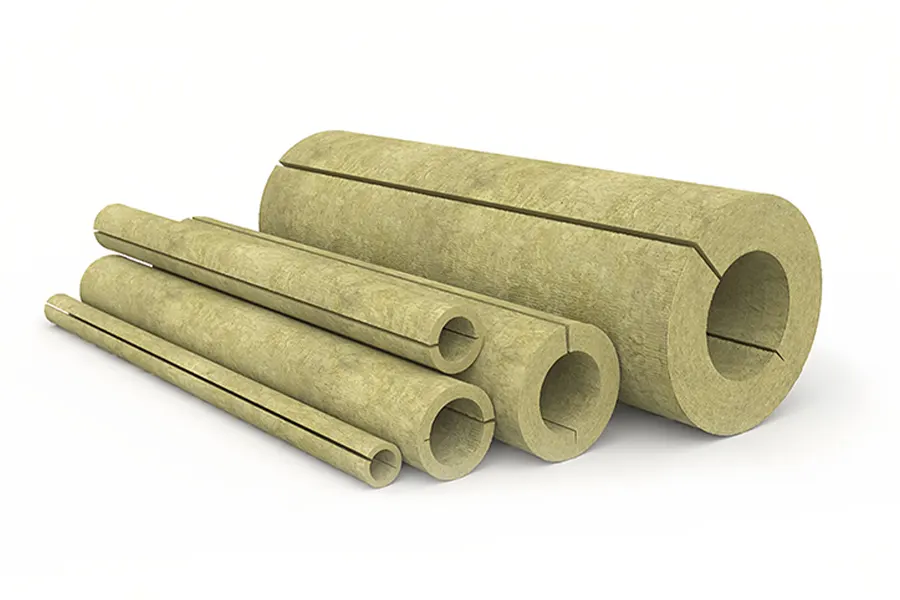
OEM-grade rock wool is engineered for fabrication, available in flexible wraps (ASTM C553) for curved surfaces and rigid boards (ASTM C612) for structural cores. Manufacturers offer densities ranging from 50 kg/m³ to 176 किग्रा/वर्ग मीटर (4-11 पौंड/फीट³) to balance thermal efficiency (R-4.0/inch) with mechanical integrity. These materials are non-combustible (यूरोक्लास ए1), withstand temperatures up to 750°C, and support custom CNC machining or laminating for integration into ovens, भट्टों, and HVAC equipment.
Standard Core Forms and Custom Fabrication Capabilities
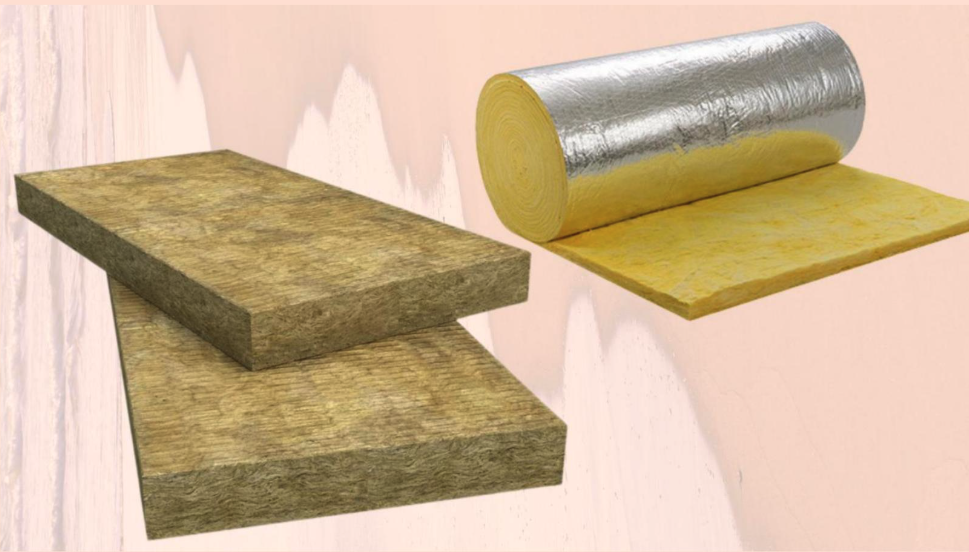
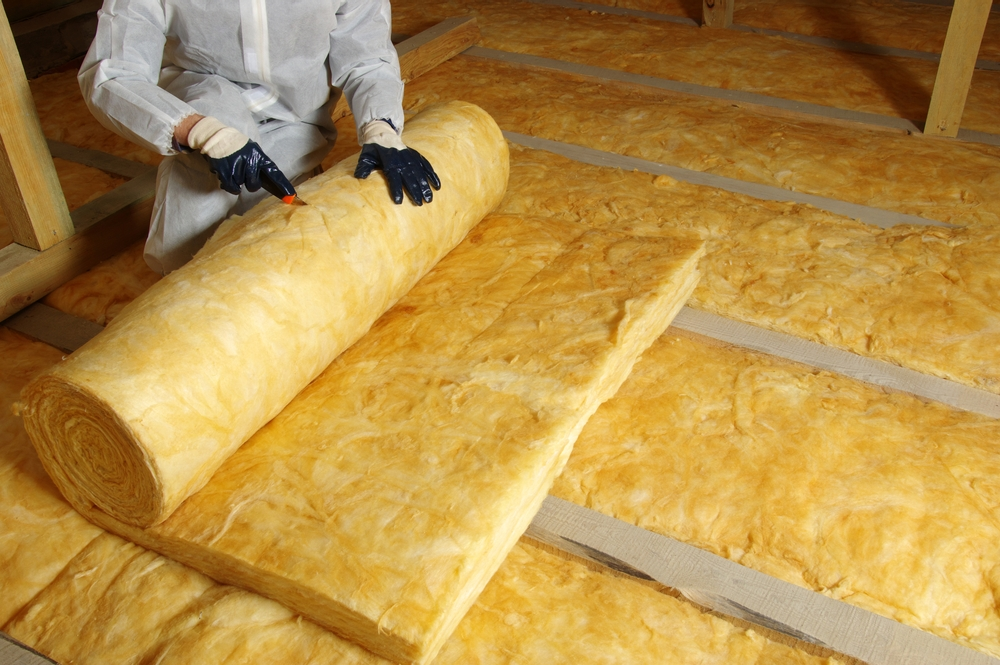
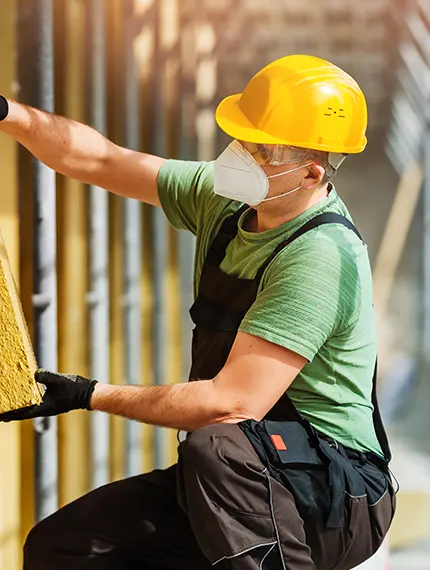
Original Equipment Manufacturers (OEMs) require insulation that adapts to complex geometries while maintaining thermal consistency. Flexible wraps and blankets, such as those meeting ASTM C553 Type VII standards (उदा।, FABROCK™ WRAP), conform tightly to irregular surfaces. Fabricators specify these pliable forms for wrapping exhaust ducts, appliance shells, and curved process equipment where rigid insulation would fracture or leave gaps.
For assemblies requiring structural stability, rigid boards and slabs serve as the primary core material. High-density stone wool products, अक्सर अधिक 128 किग्रा/वर्ग मीटर, provide the mechanical strength necessary for oven door plugs, burner box panels, and kiln car decks. These rigid cores resist compression and vibration, ensuring the insulation retains its shape and thermal position throughout the equipment’s operational life.
Density Profiles and Technical Compliance Standards
Density dictates the mechanical performance and thermal limits of OEM rock wool. Flexible industrial blankets typically range from 50 को 140 किग्रा/वर्ग मीटर, offering lighter weight and easier compressibility. in contrast, rigid boards and pipe sections target a density band of 64 को 176 किग्रा/वर्ग मीटर (4-11 पौंड/फीट³). Engineers select the upper end of this range for applications demanding high compressive strength and resistance to airflow erosion.
अंतिम विचार
If you’re looking to upgrade your high-temperature insulation system with reliable, long-lasting solutions, China Thermal Insulation is here to help. We specialize in premium rock wool and mineral wool insulation products engineered for industrial, यांत्रिक, and fire-protection applications.
With consistent quality control, प्रतिस्पर्धी मूल्य निर्धारण, and expert technical support, we make it easy to find the right insulation for your specific operating conditions. मिलने जाना https://chinathermalinsulation.com/ to explore our product range or contact our team today for a customized quote and professional guidance.
अक्सर पूछे जाने वाले प्रश्नों
At what temperature does the binder in standard rock wool insulation burn off?
Binder decomposition typically begins at 175°C (347°F), with significant burn-off occurring around 300°C (572°F). Although the organic binder degrades at these lower temperatures, the rock wool fibers themselves remain non-combustible and structurally stable up to 1,093°C (2,000°F).
How does rock wool compare to calcium silicate for high-temperature usage?
Rock wool maintains better long-term thermal stability, showing only ~3% material loss after heat exposure versus 9.7% for calcium silicate. While calcium silicate offers higher compressive strength, it is more brittle and prone to cracking under thermal cycling, whereas rock wool better accommodates expansion and retains lower thermal conductivity above 1,000°C.
What is the standard method for insulating curved industrial tanks?
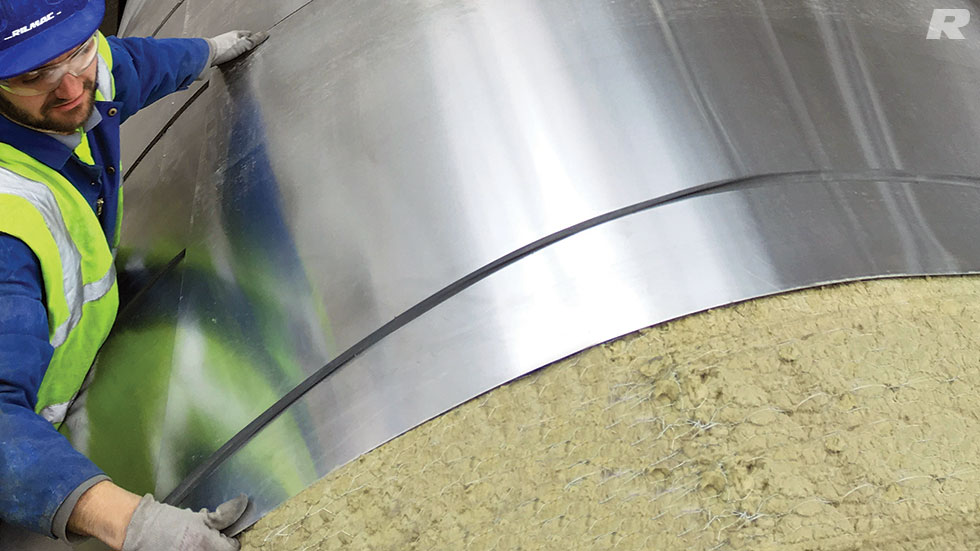
Installers typically use flexible or semi-rigid mineral wool ‘pipe and tank’ wraps, ranging from 1 को 4 inches (25–100 mm) thick. These are applied in staggered layers to follow the curvature, secured with stainless steel bands on 8–12 inch centers, and finished with metallic jacketing (उदा।, aluminum per ASTM B209) for protection.
What is the maximum acceptable linear shrinkage for kiln insulation?
For high-stability applications, insulation should exhibit ≤1.5% permanent linear shrinkage after a 24-hour soak at the rated temperature. General industry standards accept 1–3% shrinkage, but values below 1.5% ensure superior longevity and reduced heat loss in continuous kiln operations.
How do manufacturers ensure density consistency in insulation boards?
Factories adhere to ASTM standards (like ASTM C612) using rigorous gravimetric QC testing to verify density against nominal targets. Whether producing 2.8 pcf glass-fiber boards or 120 pcf cement-based boards, production lines weigh test coupons to ensure the density falls within tight tolerances required for thermal and mechanical performance.