Quando si tratta di isolamento ad alte prestazioni, vengono fuori costantemente due materiali: fibra ceramica e fibra di vetro. Entrambi hanno i loro punti di forza e applicazioni unici, ma come scegliere quello giusto per il tuo progetto?
Che tu stia isolando apparecchiature industriali, spazi commerciali, o anche progetti residenziali, comprendere le differenze può farti risparmiare tempo, soldi, e mal di testa. In questa guida, analizziamo tutto ciò che devi sapere in modo chiaro, accessibile, ma in modo professionale.
| Caratteristica / Aspetto | Fibra ceramica | Fibra di vetro (Lana di vetro) |
| Composizione materiale | Fibre di allumina e silice | Sabbia silicea e fibre di vetro riciclate |
| Moduli disponibili | Coperte, tavole, moduli, nastro isolante in fibra ceramica | Battute, rotoli, riempimento sciolto, pannelli rigidi |
| Resistenza alla temperatura | Fino a ~2300°F (1260° C.) | Fino a ~1000°F (538° C.); temperatura di fusione della fibra di vetro ~1400–1600°C |
| Prestazioni acustiche | Assorbimento acustico minimo | Forte assorbimento acustico, ideale per pareti e soffitti |
| Durabilità | Mantiene l'integrità in condizioni di calore e cicli termici estremi | Si comporta bene in condizioni moderate; potrebbe degradarsi con l'umidità o il calore elevato |
| Costo | Costo iniziale più elevato | Più economico e ampiamente disponibile tramite fornitori di lana di vetro o fornitore di isolanti in lana di roccia reti |
| Applicazioni primarie | Forni industriali, forni, caldaie, apparecchiature ad alto calore, barriere termiche | Edifici residenziali e commerciali, HVAC, isolamento acustico, isolamento termico generale |
Cos'è la fibra ceramica?
1. Definizione e composizione
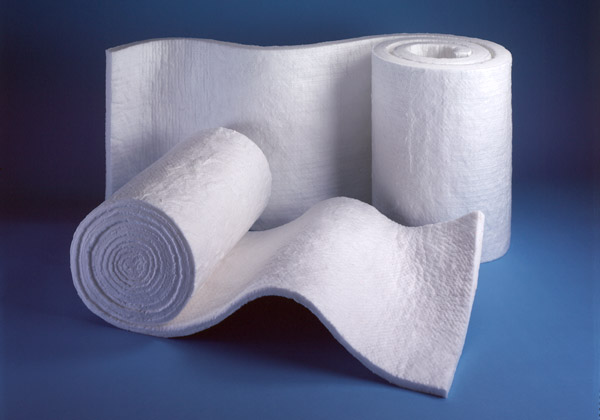
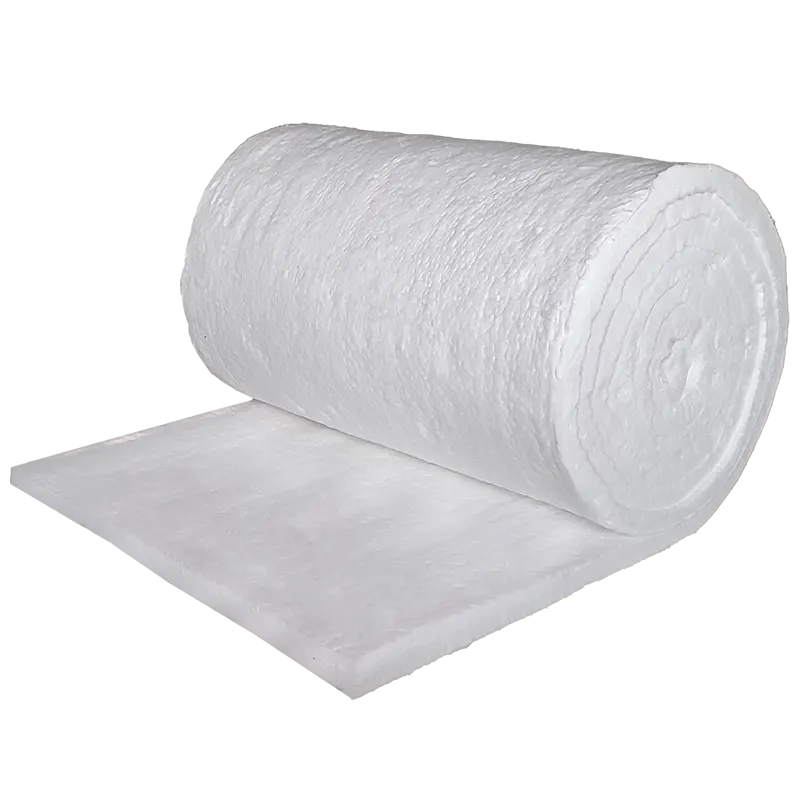
La fibra ceramica è un tipo di isolante refrattario costituito da allumina e silice. È leggero, resistente al calore, e comunemente usato in ambienti industriali ad alta temperatura.
- Materiali principali
Realizzato con fibre di allumina e silice di elevata purezza che formano una densa, tappetino resistente al calore.
- Resistenza alla temperatura
Può resistere al calore estremo senza deformarsi o rompersi.
- Flessibilità
Nonostante la sua resistenza al calore, la fibra ceramica è flessibile e facile da tagliare in varie forme o avvolgere l'attrezzatura.
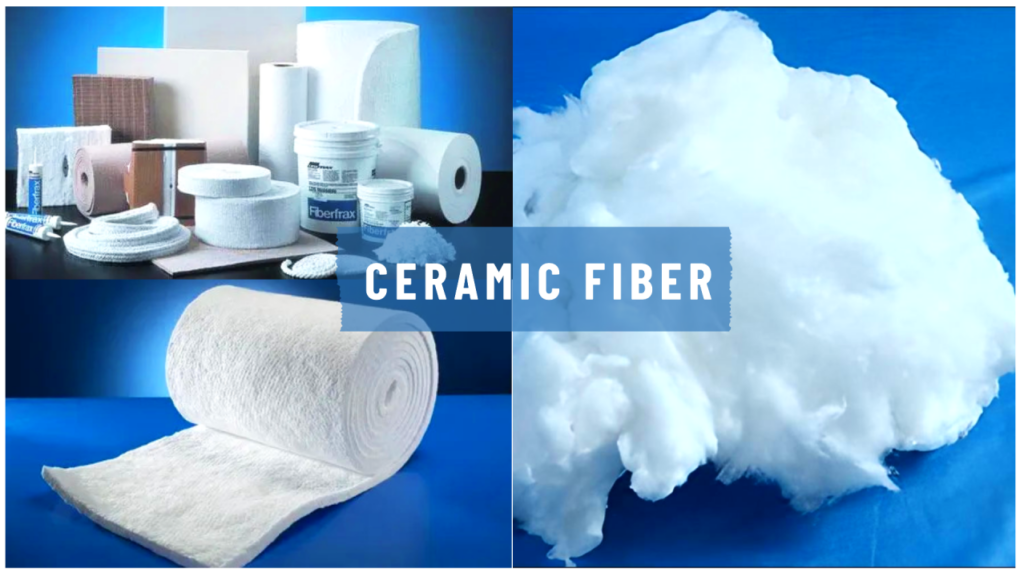
- Moduli disponibili
Disponibili come coperte, tavole, moduli, e nastro isolante in fibra ceramica per il rivestimento di tubi e giunti.
2. Applicazioni tipiche
La fibra ceramica è preferita negli ambienti in cui l’elevata resistenza al calore è fondamentale.
- Fornaci e forni industriali
- Forni e caldaie per trattamenti termici
- Porte e pannelli tagliafuoco
- Isolamento delle tubazioni mediante nastro isolante in fibra ceramica
- Barriere termiche negli stabilimenti produttivi
Cos'è la fibra di vetro?
1. Definizione e composizione
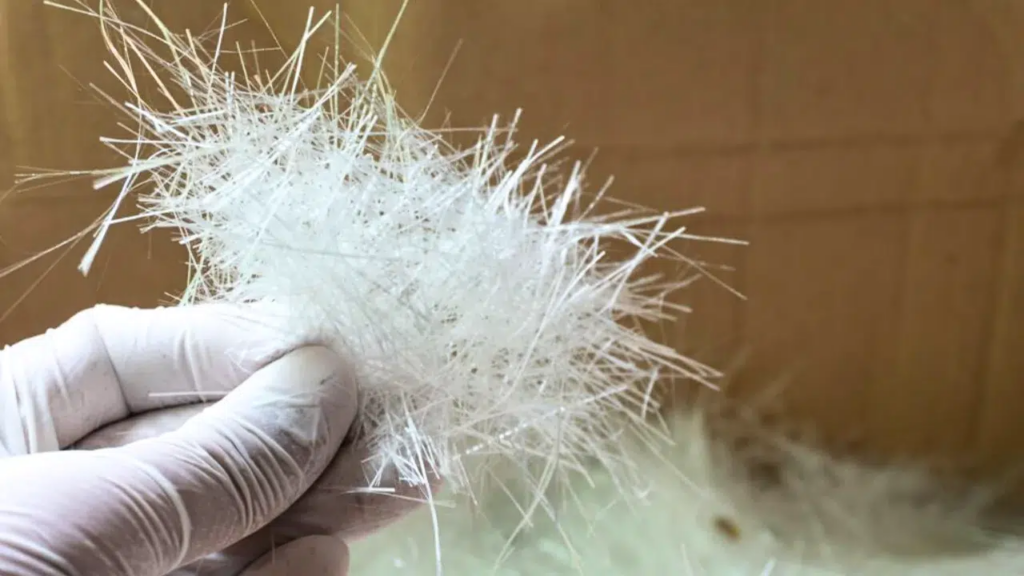
Isolamento in fibra di vetro, detta anche lana di vetro, è costituito da sottili fibre di vetro filate in un soffice tappeto. È ampiamente utilizzato per l’isolamento termico e acustico in ambito residenziale, commerciale, e edifici industriali.
- Materiali principali: Realizzato principalmente con sabbia silicea e vetro riciclato.
- Proprietà termiche: Fornisce un eccellente isolamento per intervalli di temperatura moderati.
- Proprietà acustiche: Assorbe le onde sonore, rendendolo ideale per pareti e soffitti.
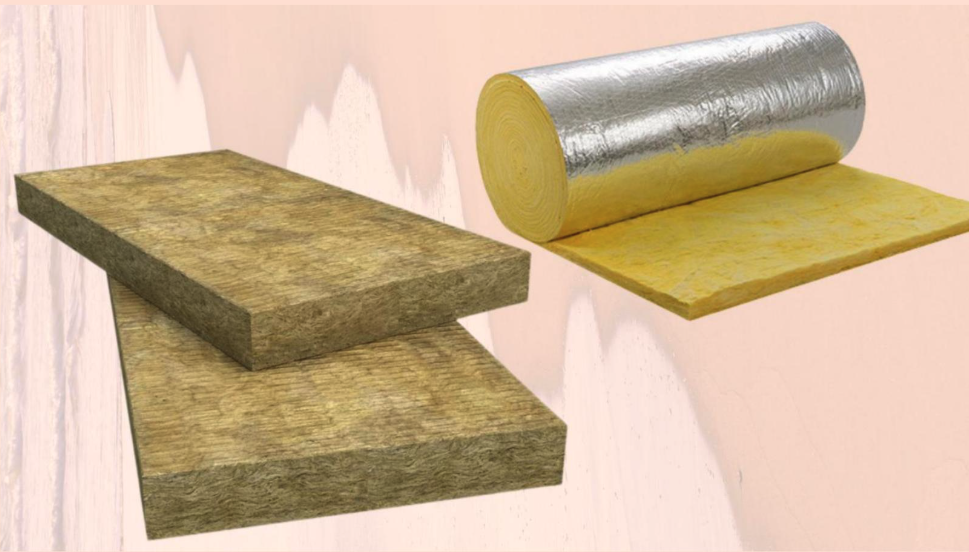
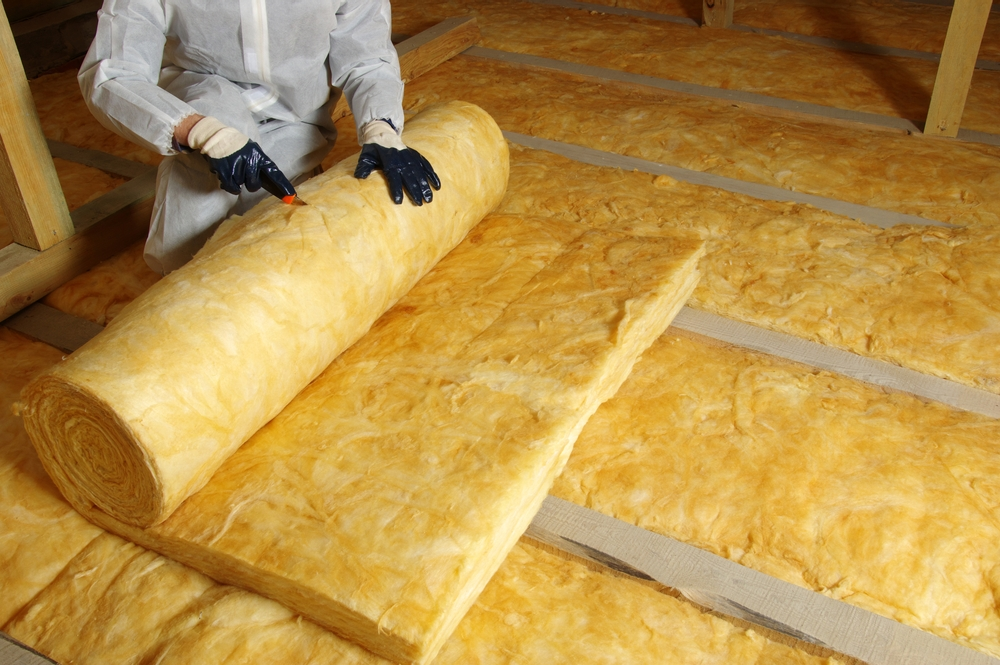
- Moduli disponibili: Battute, rotoli, riempimento sciolto, e pannelli rigidi.
- Nota sulle parole chiave: Disponibile tramite attendibile lana di vetro fornitori e talvolta in combinazione con opzioni di lana di roccia tramite un fornitore di isolamento in lana di roccia.
2. Usi comuni
La fibra di vetro è versatile e ampiamente adottata nella costruzione di edifici.
- Cavità delle pareti e isolamento del soffitto
- Isolamento dei condotti HVAC
- Insonorizzazione di spazi residenziali e commerciali
- Pannelli leggeri in progetti industriali
- Rinforzo di coperture e sistemi di tubazioni
Fibra ceramica vs. Fibra di vetro: Differenze chiave
1. Resistenza alla temperatura
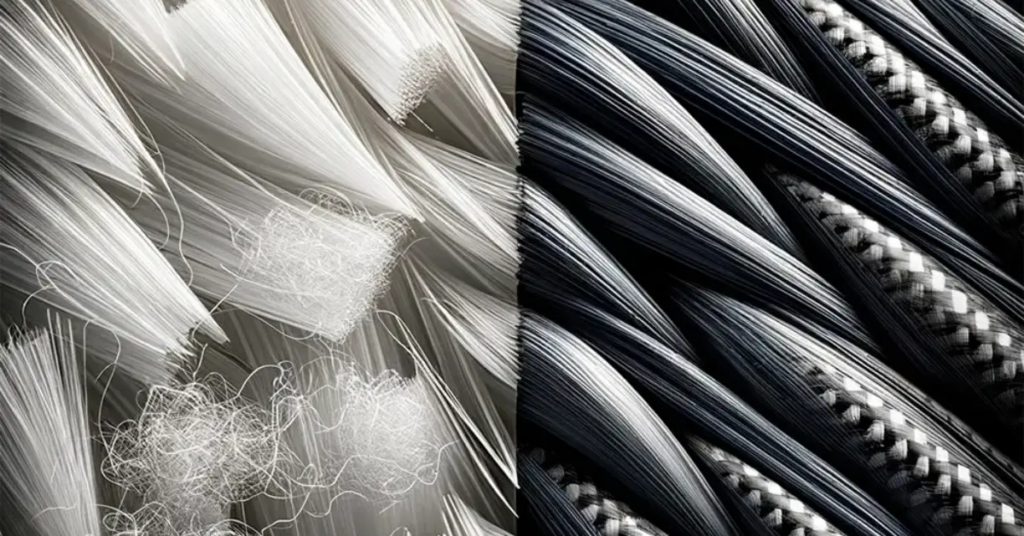
- Fibra ceramica: Può resistere a temperature fino a 2300 ° F (1260° C.) o superiore, rendendolo adatto per applicazioni a temperature estreme.
- Fibra di vetro: Solitamente gestisce temperature fino a 1000°F (538° C.), a seconda della qualità del prodotto. IL temperatura di fusione della fibra di vetro è generalmente intorno ai 1400–1600°C, ma le prestazioni di isolamento diminuiscono a temperature sostenute più basse.
- Conclusione: Per applicazioni industriali ad alto calore, la fibra ceramica è il chiaro vincitore.
2. Durevolezza e durata della vita
- Fibra ceramica: Mantiene l'integrità in cicli termici estremi e ambienti ad alto stress.
- Fibra di vetro: Funziona bene in condizioni moderate ma può deteriorarsi nel tempo se esposto a umidità o calore eccessivo.
- Conclusione: Le prestazioni industriali a lungo termine favoriscono la fibra ceramica, mentre la fibra di vetro è ottima per l'isolamento residenziale e commerciale.
3. Installazione e flessibilità
- Fibra ceramica: Flessibile e disponibile in forme personalizzate come il nastro, coperte, o tavole; facile da avvolgere su superfici irregolari.
- Fibra di vetro: Disponibile in Battute, rotoli, e riempimento sfuso; più facile per cavità di pareti e soffitti ma meno adattabile a forme complesse.
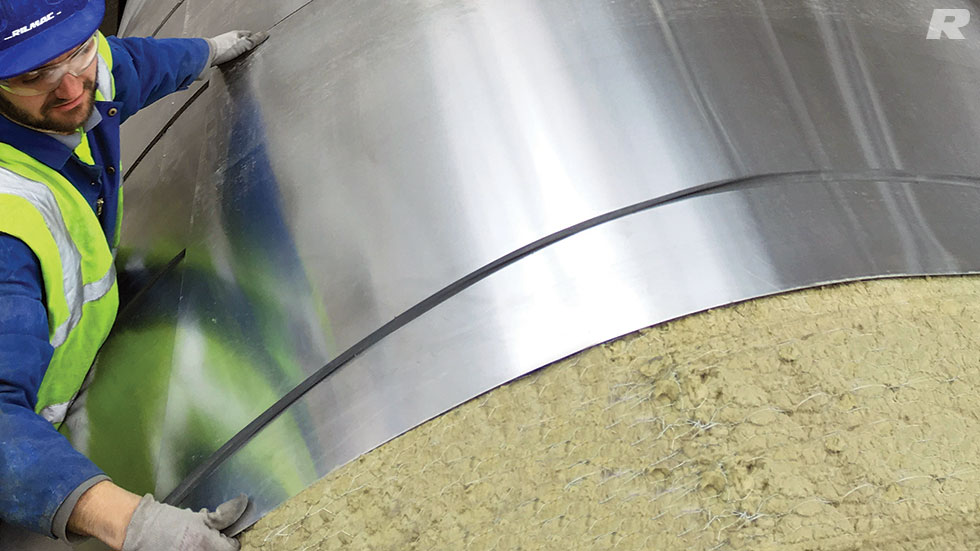
- Conclusione: Per tubi, attrezzature curve, o retrofit, fibra ceramica (in particolare nastro isolante in fibra ceramica) offre maggiore versatilità.
4. Considerazioni sui costi
- Fibra ceramica: Costi iniziali più elevati dovuti a materiali specializzati resistenti al calore.
- Fibra di vetro: Più conveniente; ampiamente disponibile presso i fornitori di lana di vetro o offerte combinate tramite reti di fornitori di isolamento in lana di roccia.
- Conclusione: La fibra di vetro è l'ideale quando il costo è una priorità, fibra ceramica quando sono richieste prestazioni estreme.
5. Prestazioni acustiche
- Fibra di vetro: Forte assorbimento acustico, ampiamente utilizzato per il controllo acustico.
- Fibra ceramica: Assorbimento acustico minimo; lo scopo principale è la resistenza al calore.
- Conclusione: Per applicazioni di controllo del rumore, è preferibile la fibra di vetro.
Isolamento in fibra ceramica: Vantaggi e svantaggi
Vantaggi:
- Resistenza al calore estremamente elevata
- Flessibile e versatile per applicazioni industriali
- Disponibile in coperte, tavole, e nastro isolante
- Lunga durata in condizioni difficili
Svantaggi:
Costo maggiore rispetto alla fibra di vetro
- Può rilasciare polveri sottili durante la manipolazione; richiede equipaggiamento protettivo
- Non ideale per l'insonorizzazione o l'isolamento standard degli edifici
- Meno comunemente disponibile della fibra di vetro
Isolamento in fibra di vetro: Pro e contro
Vantaggi:
- Conveniente e ampiamente disponibile
- Ottimo isolamento acustico e termico degli edifici
- Facile da installare nelle pareti, soffitti, e pavimenti
- Compatibile con molte applicazioni edili
Svantaggi:
- Resistenza al calore inferiore rispetto alla fibra ceramica
- Le prestazioni possono peggiorare se esposto all'umidità
- Meno adatto per ambienti industriali estremi
Informazioni su RPower: il tuo partner di fiducia per l'isolamento
La scelta del giusto materiale isolante è fondamentale, ma collaborare con un fornitore affidabile fa la differenza. A Cina Isolamento Termico Co., Ltd., siamo specializzati nell'isolamento industriale ed edilizio ad alte prestazioni, compresa la fibra ceramica, fibra di vetro, lana di roccia, e altro ancora.
Perché lavorare con noi?
- Prodotti di livello professionale da produttori certificati
- Soluzioni personalizzate per progetti industriali e commerciali
- Approvvigionamento da fiducia fornitori di lana di vetro E fornitore di isolanti in lana di roccia reti
- Consegna veloce e supporto tecnico
- Prezzi competitivi per ordini all'ingrosso e di progetto
Se hai bisogno di calore elevato nastro isolante in fibra ceramica o isolamento in fibra di vetro conveniente, forniamo soluzioni affidabili su misura per le vostre esigenze.
👉 Contattaci oggi per un preventivo o una guida esperta!
Scegliere tra fibra ceramica e fibra di vetro
1. Decisione basata sull'applicazione
- Processi industriali ad alta temperatura → fibra ceramica
- Isolamento di edifici residenziali e commerciali → fibra di vetro
- Tubi, superfici irregolari, o retrofit → fibra ceramica con nastro
2. Considerazioni sul budget
- La fibra di vetro è la scelta economicamente vantaggiosa per l'isolamento standard
- La fibra ceramica è un investimento per la durabilità in condizioni di calore estremo
3. Sicurezza e movimentazione
- Entrambi i materiali sono generalmente sicuri con le dovute precauzioni
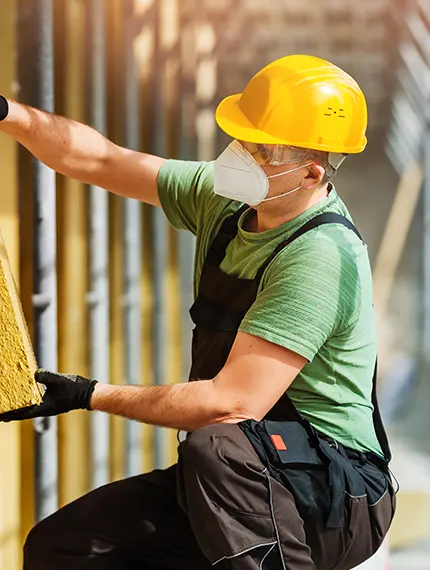
- La fibra di vetro richiede guanti, maschere, e maniche lunghe durante l'installazione
- Anche la movimentazione delle fibre ceramiche trae vantaggio dalle maschere antipolvere, guanti, e indumenti protettivi
Considerazioni finali: Quale isolamento dovresti scegliere?
La scelta tra fibra ceramica e fibra di vetro dipende dai requisiti di temperatura, bilancio, e applicazione. Fibra ceramica eccelle nella resistenza al calore industriale e nella flessibilità, soprattutto con nastro isolante in fibra ceramica per tubi e apparecchiature. La fibra di vetro è conveniente, ampiamente disponibile, e ideale per l'isolamento degli edifici, controllo acustico, e prestazioni termiche generali.
Comprendendo queste differenze e approvvigionandosi da fornitori affidabili di lana di vetro o da un fornitore di isolanti in lana di roccia, puoi fare la scelta migliore per le esigenze del tuo progetto.
Sia che tu dia priorità alla resistenza al calore elevato, assorbimento acustico, o efficienza in termini di costi, questa guida fornisce la chiarezza necessaria per prendere una decisione informata.