Looking to give your building exterior a modern, energy-efficient makeover? EIFS, or Exterior Insulation and Finish Systems, might just be the solution you’ve been searching for. This versatile system not only enhances the aesthetic appeal of your walls but also delivers superior insulation performance that can save on energy bills year-round. Che tu sia un appaltatore, architect, or building owner, understanding what EIFS is, come funziona, and its benefits can make all the difference in your next project.
In questa guida, we’ll break down what EIFS is, explore R-value and how to calculate it, and provide a detailed look at the performance and benefits of EIFS, with practical insights for choosing materials from trusted insulation material manufacturers.
What Is EIFS?
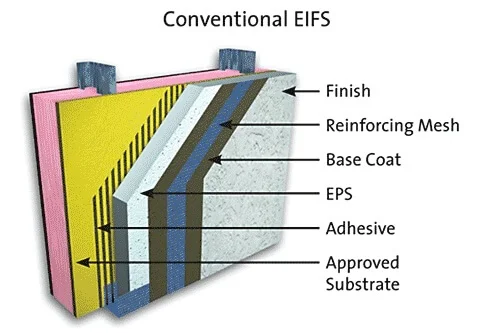
Understanding EIFS Exterior Finish System
EIFS is a multi-layered wall cladding system that combines continuous insulation with a durable, decorative finish. Its design is intended to improve both thermal performance and aesthetics, making it a popular choice for residential and commercial buildings.
- Insulation Board
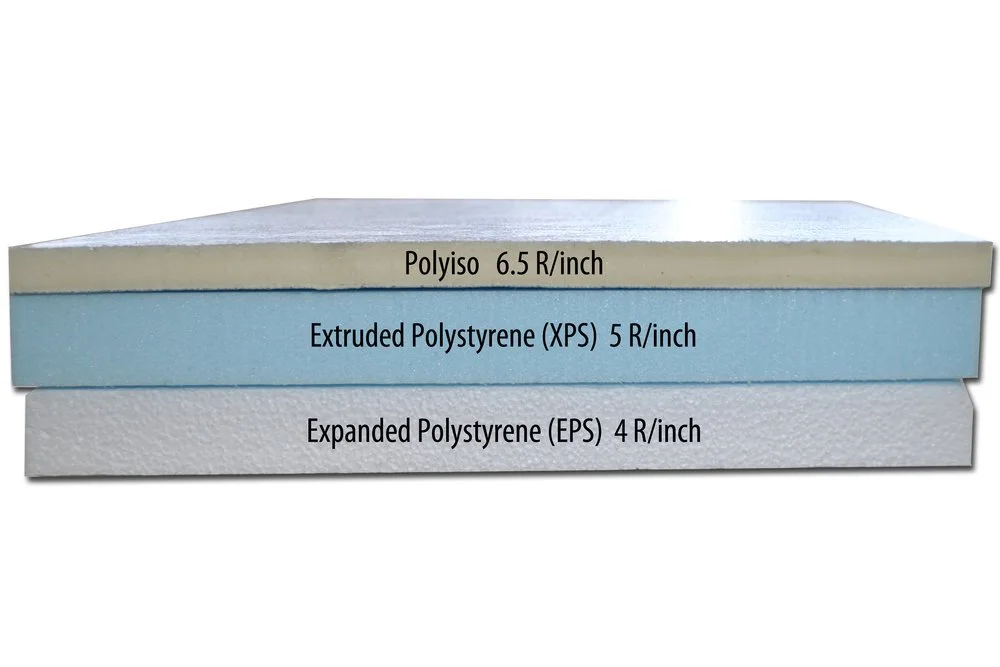
- Usually made from expanded polystyrene (EPS) or similar materials
- Provides the primary thermal barrier for the wall
- Installed directly on the exterior of the structural wall for continuous insulation
- Usually made from expanded polystyrene (EPS) or similar materials
- Base Coat
- Applied over the insulation board to add durability
- Protects the insulation and enhances impact resistance
- Serves as the layer for embedding the reinforcement mesh
- Applied over the insulation board to add durability
- Reinforcement Mesh
- Embedded into the base coat for added strength
- Helps prevent cracks and increases the lifespan of the system
- Typically made from fiberglass for high durability
- Embedded into the base coat for added strength
- Finish Coat
- Decorative and weather-resistant layer
- Offers a wide range of textures, colors, and patterns
- Provides the final protection against UV exposure and environmental factors
- Decorative and weather-resistant layer
What Is R-Value and Why It Matter
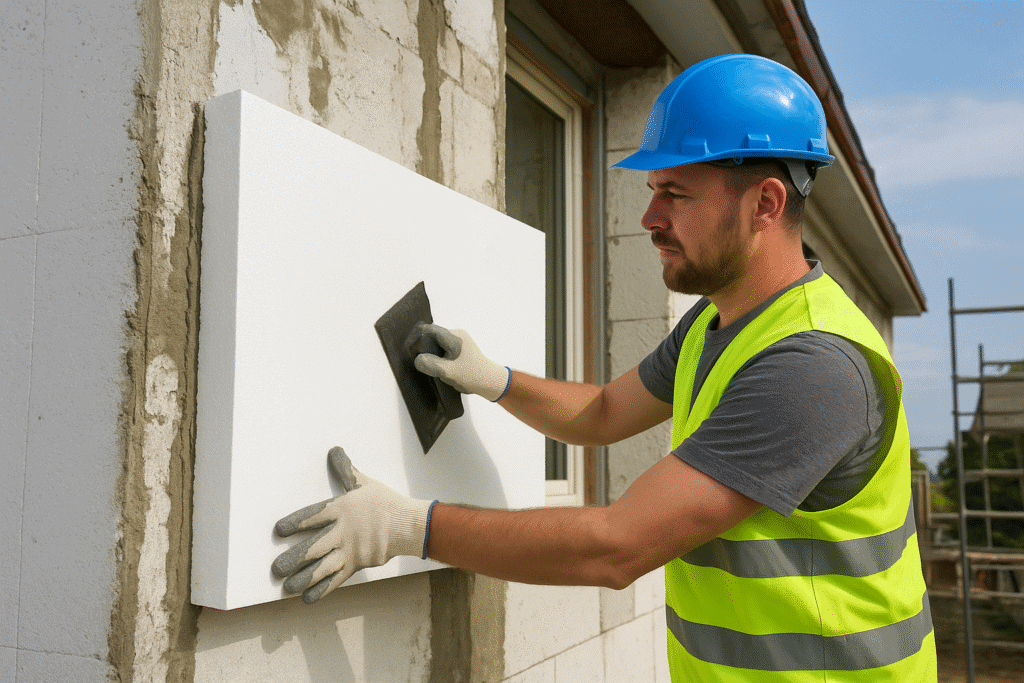
Defining R-Value
Valore R measures a material’s resistance to heat flow. A higher R-value means better insulation performance, which is crucial when evaluating an insulation exterior wall system.
- Indicates how effective a material is at reducing heat transfer
- Directly affects energy consumption and indoor comfort
- Helps ensure compliance with building energy codes and standards
Calculating R-Value
Valore R can be calculated using:
R-value = Thickness ÷ Thermal Conductivity (k-value)
- Spessore is the thickness of the insulation material in inches or meters
- Conduttività termica (k-value) represents the ease with which heat passes through the material
Example:
If an EPS board is 2 inches thick with a k-value of 0.26:
- R-value = 2 ÷ 0.26 ≈ R-7.7
The total R-value of a wall also considers other layers, such as structural components, interior finishes, and air barriers.
Importance of R-Value in EIFS
- Helps optimize the insulation performance of the wall assembly
- Guides the selection of appropriate insulation thickness for different climates
- Ensures compatibility with products from reliable insulation material manufacturers
Performance and Benefits of EIFS
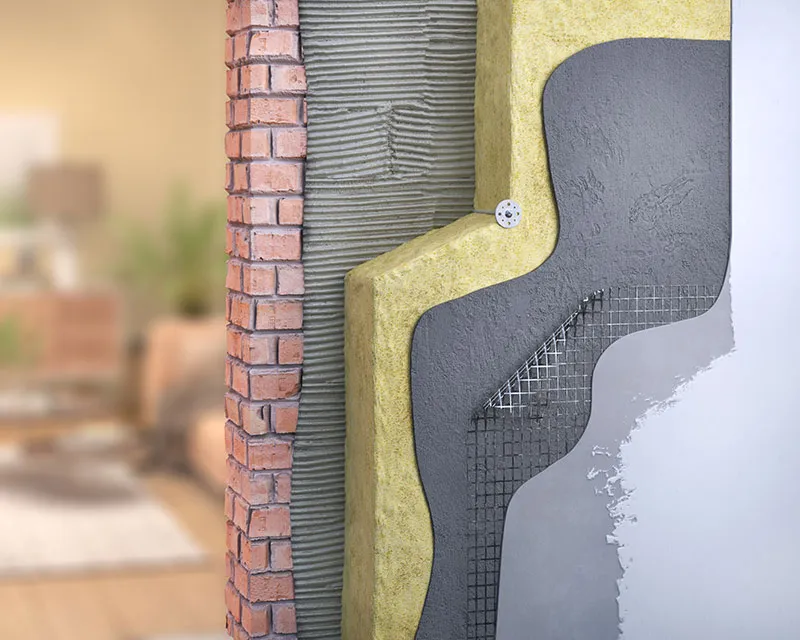
Superior Thermal Performance
EIFS offers continuous exterior insulation, eliminating thermal bridges common in traditional walls.
Key benefits:
- Maintains consistent indoor temperatures year-round
- Reduces reliance on HVAC systems, cutting energy costs
- Enhances comfort for building occupants by preventing cold spots and drafts
Energy Efficiency and Cost Savings
Installing EIFS can have a significant impact on a building’s energy consumption.
How EIFS improves efficiency:
- Reduces heat loss during winter and heat gain in summer
- Lowers utility bills with improved thermal performance
- Supports energy certification programs like LEED
- Offers a long-term return on investment through operational savings
Design Flexibility
EIFS is not just about insulation—it’s also a versatile design solution.
Advantages include:
- Wide variety of textures, colors, and architectural finishes
- Ability to create complex shapes and ornamental details
- Lightweight design reduces structural load on buildings
- Easy integration with other exterior systems for modern facades
Moisture Management and Durability
Modern EIFS systems include moisture control features that protect walls from water damage.
Key points:
- Integrated drainage systems direct water away from the wall
- Weather-resistant finish coats prevent surface damage
- Reinforcement mesh and base coat enhance impact and crack resistance
- Proper installation ensures long-lasting performance
Sustainability and Environmental Benefits
EIFS is a strong choice for green building initiatives.
Benefits include:
- Reduces energy consumption and carbon footprint
- Works efficiently with products supplied by insulation material manufacturers
- Compatible with recycled and sustainable insulation materials
- Contributes to environmentally responsible construction practices
Choosing the Right EIFS System
Selecting the right EIFS system ensures long-term performance and durability. When evaluating products, consider:
- Verified R-value data and performance metrics
- Compliance with local building codes and standards
- Material quality and warranties from trusted insulation material manufacturers
- Compatibility with your specific climate and building design
Conclusione
If you want to combine energy efficiency, durabilità, and design flexibility, an EIFS exterior finish system is an excellent solution. By understanding what EIFS is, how to measure and calculate R-value, and the many performance benefits, you can make informed choices for any new construction or renovation project. Partnering with reputable insulation material manufacturers ensures your EIFS system delivers long-term savings, comfort, e sostenibilità.
Ready to upgrade your building’s exterior? Start planning your EIFS installation today and experience the difference that smart insulation and modern design can make! Contattaci +86 180 3459 8880/ Sophia.jiao@sobochina.com
FAQ – Exterior Insulation and Finish Systems (EIFS)
1. What is R-value, and why is it important for EIFS?
R-value measures a material’s resistance to heat flow. In an EIFS exterior finish system, it determines how effective the insulation is at maintaining indoor comfort and energy efficiency.
- A higher R-value means better insulation performance.
- Helps reduce energy costs by minimizing heat loss in winter and heat gain in summer.
- Essential for compliance with energy codes and for designing high-performance insulation exterior wall systems.
2. How do I calculate the R-value of my EIFS system?
- R-value can be calculated using the formula:
- R-value = Thickness ÷ Thermal Conductivity (k-value)
- Spessore: the thickness of the insulation board (in inches or meters)
- k-value: thermal conductivity of the material
Example: 2 inches of EPS with k-value 0.26 → R-value ≈ 7.7
Remember, the total wall R-value also includes structural components, air barriers, and interior finishes.
3. What are the main benefits of EIFS?
EIFS provides multiple advantages beyond insulation:
Energy efficiency: reduces HVAC energy usage and lowers utility bills
Moisture management: integrated drainage systems and weather-resistant finishes
Design flexibility: wide variety of colors, textures, and shapes
Durabilità: reinforced base coat and mesh prevent cracking and impact damage
Sostenibilità: reduces carbon footprint and works with eco-friendly insulation materials
4. Can any insulation material be used with EIFS?
Not all materials are suitable. It’s best to work with certified insulation material manufacturers that provide:
- Verified R-value performance
- Compatibility with EIFS systems
- Compliance with building codes and warranties