I team di procurement commerciale spesso affrontano la sfida di bilanciare rigidi codici energetici con budget di progetto ristretti. L'isolamento in lana di vetro fornisce una soluzione affidabile offrendo un'elevata resistenza termica a un costo tipico 10% inferiore alla lana minerale rigida, rendendolo una scelta strategica per involucri edilizi su larga scala e sistemi HVAC.
Alla Cina Isolamento Termico, il nostro team tecnico aiuta gli acquirenti B2B a specificare le giuste soluzioni in lana di vetro per le prestazioni, conformità, ed efficienza dei costi: contatta il nostro team all'indirizzo https://chinathermalinsulation.com/ per discutere i requisiti del tuo progetto.
Questa guida esamina i criteri tecnici necessari per un efficace sourcing B2B, inclusa la correlazione tra densità e prestazione acustica. Analizziamo come viene prodotta la fibra vitrea artificiale (MMVF) i prodotti raggiungono una conduttività termica pari a 0.027 W/m·K e sopportano temperature di servizio fino a 350°C. Troverai anche passaggi attuabili per la verifica delle dichiarazioni ambientali di prodotto (EPD) per battute contenenti fino a 90% vetro riciclato, garantire il rispetto sia degli standard di performance che dei mandati ESG.
Cos'è la lana di vetro?
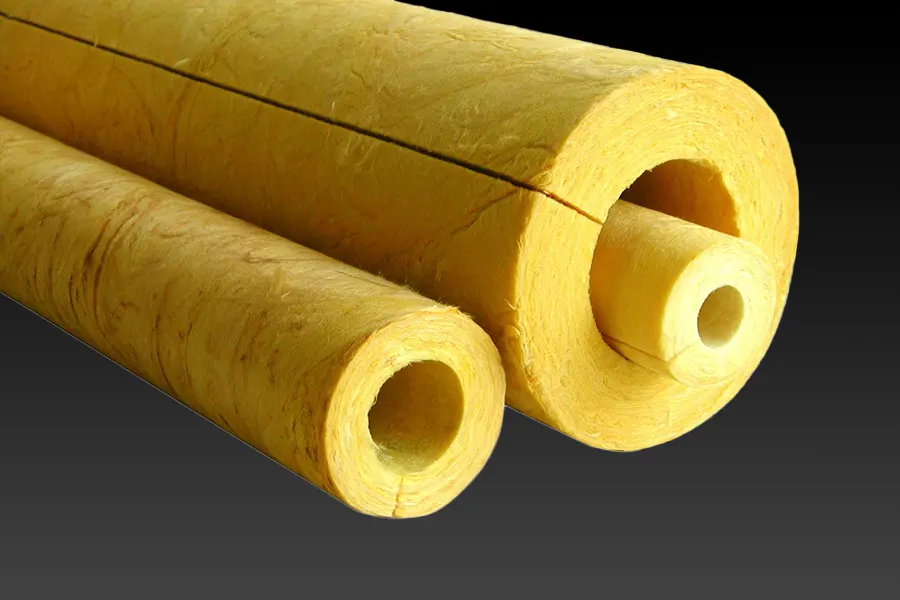
Lana di vetro è una fibra vitrea artificiale (MMVF) isolamento prodotto dalla filatura del vetro fuso, spesso contenente fino a 90% materiale riciclato: in una matrice fibrosa legata con resina. Offre una bassa conduttività termica (0.027–0,035 W/m·K), elevato smorzamento acustico, e prestazioni non combustibili adatte a temperature fino a 350°C.
Composizione materiale: Struttura e produzione della MMVF
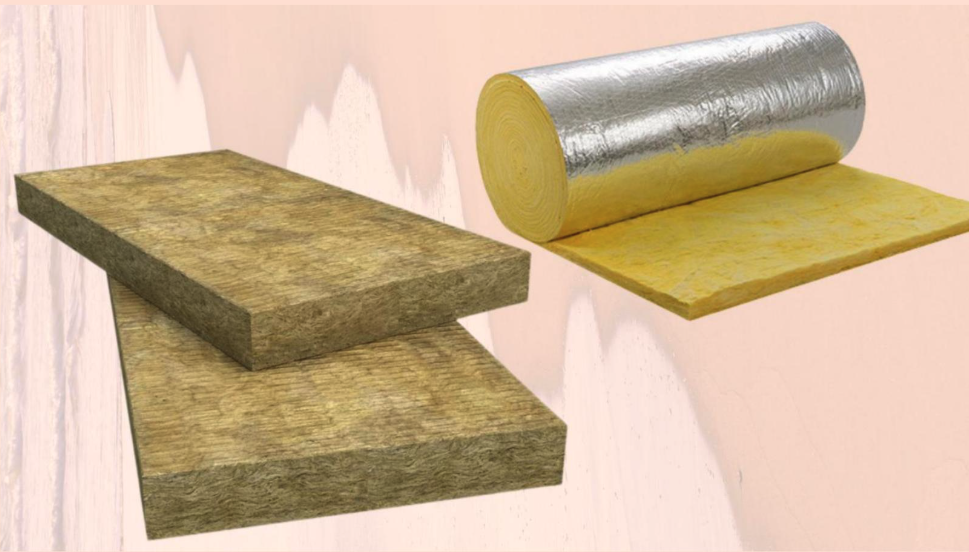
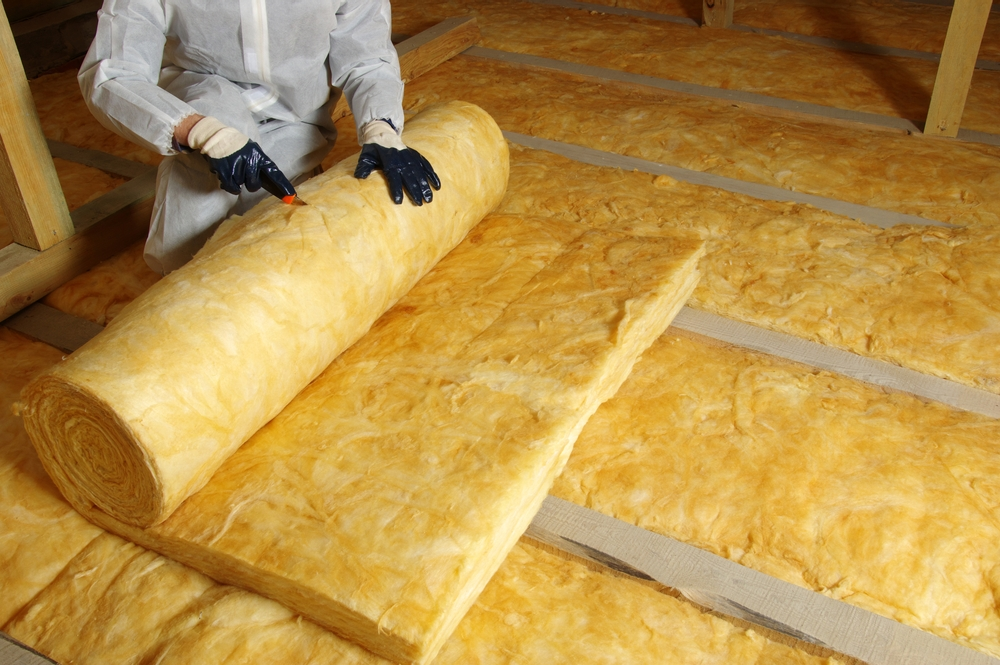
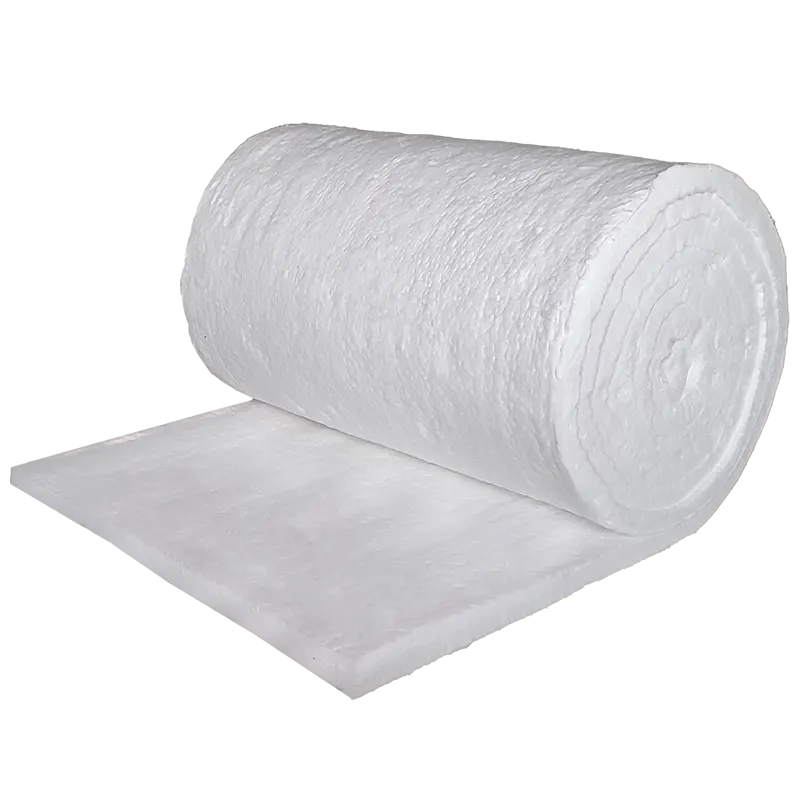
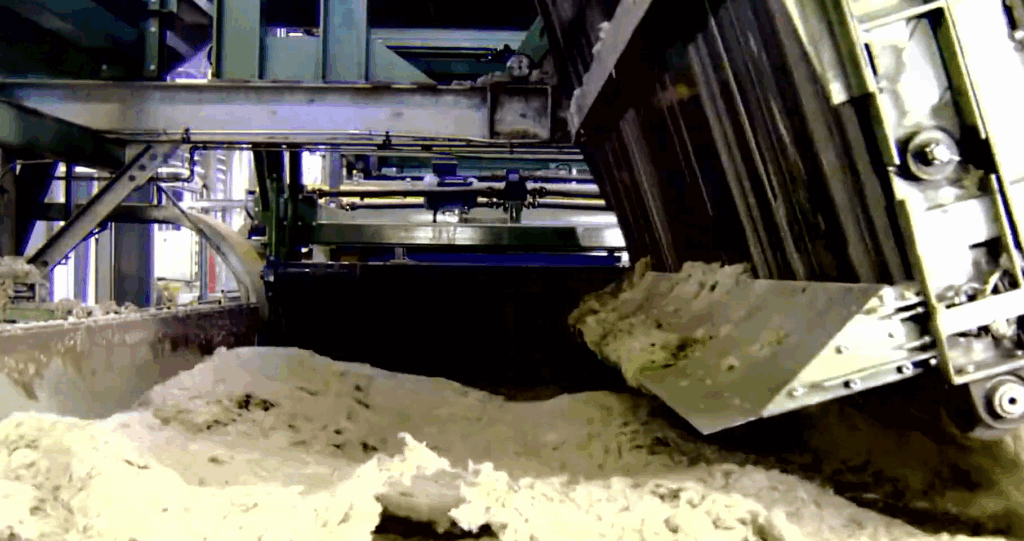
La lana di vetro rientra nella classificazione della fibra vetrosa artificiale (MMVF). I produttori producono questo materiale centrifugando il vetro fuso in fibre fini e legandole con una resina termoindurente. Questo processo crea una rete fibrosa progettata per intrappolare le sacche d'aria, che resiste efficacemente al flusso di calore. Il prodotto finale è disponibile in commercio in vari formati, comprese coperte flessibili, racchette rigide, e sezioni di tubo preformate, consentendo un'applicazione versatile negli involucri edilizi e nei sistemi meccanici.
Sostenibilità e stabilità chimica sono componenti chiave della moderna produzione di lana di vetro. Molti pipistrelli utilizzano un contenuto riciclato significativo, con alcune formulazioni contenenti fino a 90% vetro riciclato per allinearsi con l'ambiente, Sociale, e governance (Esg) obiettivi. Chimicamente, il materiale mantiene un pH intorno 9 (leggermente alcalino) e mostra i tassi di assorbimento dell'umidità di seguito 0.1% in volume, garantendo la durabilità in diverse condizioni ambientali.
Proprietà tecniche fondamentali: Densità, Conduttività, e valutazioni del fuoco
Gli acquirenti B2B devono valutare la lana di vetro sulla base di parametri prestazionali specifici verificati da standard internazionali. Conduttività termica (l) in genere varia da 0.027 W/m·K per coperte ad alte prestazioni a 0.035 W/m·K per lastre standard se testate secondo ASTM C518 o C177. I requisiti di densità variano in base all'applicazione; i prodotti da costruzione generalmente rientrano nel mezzo 10 E 80 kg/m³, mentre l'isolamento dei tubi ad alte prestazioni è spesso specificato a 64 kg/m³ per garantire l'integrità strutturale e l'efficienza termica.
La sicurezza antincendio e i limiti di temperatura sono fondamentali per le specifiche industriali e commerciali. La lana di vetro standard resiste a temperature di servizio fino a 350°C secondo ASTM C411, con formulazioni leganti specializzate che estendono questa tolleranza a 450°C per uso industriale. In termini di conformità al fuoco, questi prodotti raggiungono lo status di grado A non combustibile (GB/T 8624) e presentano indici di propagazione della fiamma minimi secondo AS 1530.3 standard, ridurre la responsabilità in ambienti ad alto rischio.
Applicazioni B2B (Residenziale, Strutture commerciali, Soffitti)
L’isolamento in lana di vetro serve tre settori B2B critici: controllo termico residenziale, isolamento acustico commerciale, e sistemi di controsoffitto specializzati. Sfruttando densità specifiche (12 kg/m³) e rivestimenti (7µm di alluminio), raggiunge Valori R tra R1.3 e R2.5 rispettando AS/NZS 4859.1 norme per la non combustibilità fino a 300°C.
Sistemi a parete ad alte prestazioni: Controllo Termico Residenziale e Acustica Commerciale
I progetti di edilizia residenziale danno priorità all’efficienza termica e all’approvvigionamento sostenibile dei materiali. Vengono spesso utilizzate battute standard che vanno da R1.3 a R2.5 80% vetro riciclato per soddisfare specifici requisiti di isolamento delle pareti con intercapedine. I dati sulle prestazioni tecniche indicano che i materiali con una conduttività termica di 0.032 W/m.K consentono installazioni da 100 mm di ridurre la temperatura della cavità del tetto di circa 8°C. Questa barriera termica coerente supporta una modellazione energetica precisa per edifici con struttura in legno e acciaio, garantire il rispetto degli standard delle zone climatiche regionali.
Le strutture commerciali richiedono un rigoroso controllo acustico insieme alla regolazione termica. I materassini in lana di vetro ad alta densità forniscono un isolamento acustico essenziale per le pareti divisorie negli uffici aziendali e nelle sale macchine industriali, mitigando efficacemente la trasmissione del rumore tra le zone. Oltre l'acustica, un adeguato isolamento delle pareti incide sulle spese operative, con i dati visualizzati fino a a 30% riduzione dei costi energetici di riscaldamento e raffreddamento. Questa doppia funzionalità convalida il ROI per progetti di retrofit e nuove costruzioni che richiedono sia il controllo ambientale che la separazione acustica.
Soffitti specializzati e applicazioni industriali: Sicurezza antincendio e conformità
Soffitto e applicazioni industriali richiedono il rigoroso rispetto dei protocolli di sicurezza antincendio. La lana di vetro standard funziona come un materiale non combustibile in grado di resistere a temperature fino a 300°C, garantire il rispetto dell’NCC 2019 Volume 1 e AS/NZS 1530.3 standard. Per ambienti industriali ad alto calore, come l'isolamento della caldaia e le condutture HVAC, varianti specializzate in lana di vetro mantengono l'integrità strutturale e le prestazioni termiche in intervalli operativi fino a 450°C.
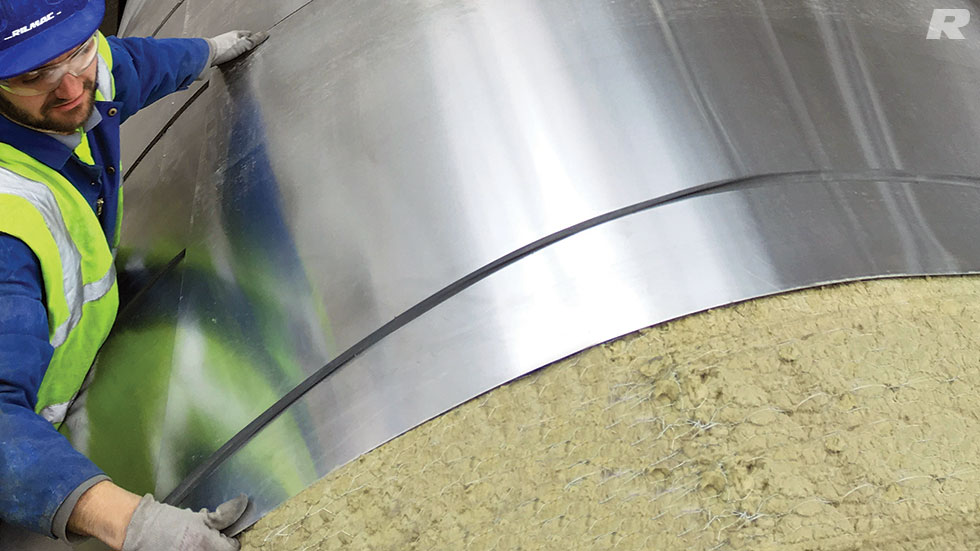
Il controllo dell’umidità e l’efficienza dell’installazione guidano la scelta dei prodotti per sistemi di controsoffitti su larga scala. I rotoli con rivestimento in alluminio da 7 µm soddisfano i requisiti di tenuta AS4200.2, che previene la formazione di condensa nei sistemi sospesi e controsoffitti. Logisticamente, 12 I rotoli con densità da kg/m³ massimizzano l'efficienza di copertura, con un rivestimento tipico dell'unità di spessore 55 mm 18 metri quadrati. Questa combinazione di protezione dall'umidità e implementazione rapida supporta tempistiche di progetto ristrette negli allestimenti commerciali.
Metriche chiave delle prestazioni: Comprendere il valore R nella lana di vetro
Il valore R misura la resistenza termica, definita come la capacità della lana di vetro di resistere al flusso di calore conduttivo. È determinato principalmente dallo spessore e dalla densità, con prestazioni tipiche della lana di vetro che vanno da R-2,2 a R-4,0 per pollice (25 mm). Valori R più alti indicano efficienza energetica e controllo della temperatura superiori.
| Specifica di spessore (mm) | Valore R tipico (NOI) | Applicazione B2B comune |
|---|---|---|
| 25 mm (1 pollice) | R-2.2 – R-2.8 | Avvolgimento del condotto, rivestimenti acustici |
| 50 mm (2 pollici) | R-4.4 – R-5.6 | Muri divisori, edifici in metallo |
| 89 mm (3.5 pollici) | R-11 – R-15 | Cavità standard con telaio in legno |
| Multistrato / Impilato | R-30, R-38, R-49+ | Soffitte, coperture ad alte prestazioni |
Isolamento certificato in lana di roccia per l'industria & Costruzione
Lana di vetro vs. Altri materiali isolanti: Una tabella di confronto rapido
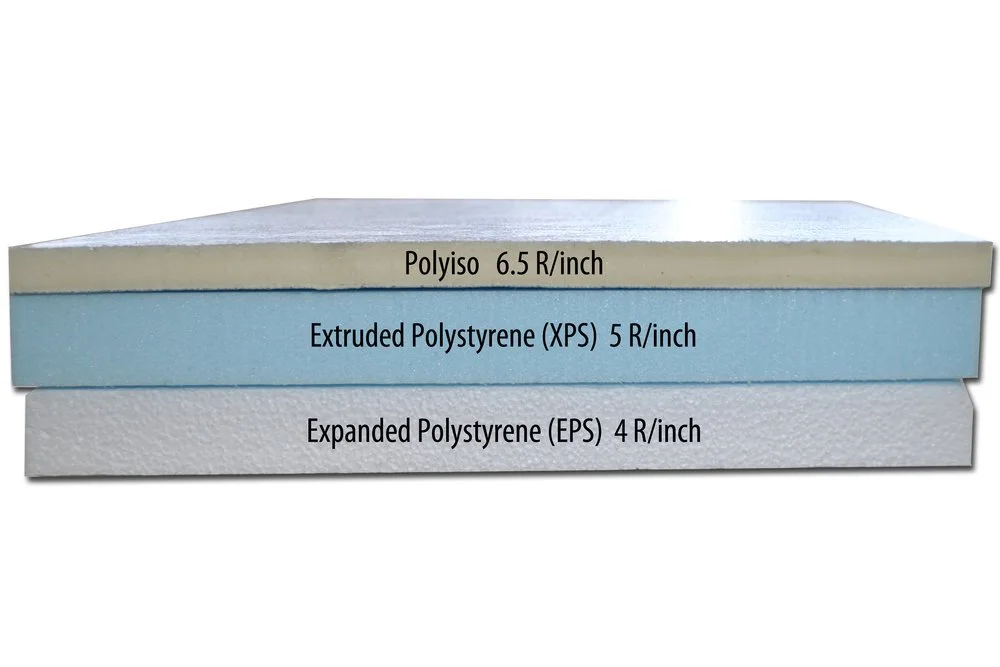
La lana di vetro corrisponde alla lana minerale in termini di conduttività termica (0.044 W/m·K) e valore R (0.57 per pollice) pur costando circa 10% meno. Tuttavia, ha un punto di fusione più basso (400°C rispetto a. 1400° C.) e densità inferiore (25-30 kg/m³), rendendolo meno adatto per applicazioni ad alto calore o elevata umidità rispetto alla lana minerale rigida.
| Metrica delle prestazioni | Lana di vetro | Lana minerale (Lana di roccia) |
|---|---|---|
| Conducibilità termica | 0.044 W/m·K | 0.044 W/m·K |
| Punto di fusione | ~400°C | ~1400°C |
| Densità (Grado acustico) | 25–30kg/m³ | 45–50kg/m³ |
| Contenuto riciclato | Fino a 86% | Fino a 70% |
| Resistenza all'umidità | Basso (Rischi igroscopici) | Alto (Idrorepellente) |
| Costo relativo | Linea di base (Inferiore) | +10% Premio |
Prestazioni termiche ed efficienza dei costi
Per edificio tipo buste, la lana di vetro offre una proposta di valore convincente eguagliando l’efficienza termica della lana minerale a un prezzo inferiore. Entrambi i materiali raggiungono tipicamente una conduttività termica di 0.044 W/m·K e un valore R di circa 0.57 per pollice. Questa parità significa che i prescrittori possono sostituire la lana di vetro nelle pareti e nei soffitti senza compromettere la resistenza termica calcolata dell'assieme, purché lo spessore rimanga costante.
Il principale elemento di differenziazione in questa categoria è l’ottimizzazione dei costi. I costi di approvvigionamento della lana di vetro sono generalmente 10% inferiore rispetto a prodotti comparabili in lana minerale, offrendo risparmi significativi per progetti residenziali o commerciali su larga scala in cui la resistenza al fuoco specializzata non è il fattore determinante. Inoltre, la lana di vetro spesso sostiene gli obiettivi di sostenibilità in modo più aggressivo, con prodotti contenenti fino a 86% contenuto di vetro riciclato rispetto al 70% media riscontrata nelle ovatte di lana minerale.
Sicurezza antincendio, Densità, e resistenza all'umidità
Mentre entrambi i materiali trasportano materiali non combustibili (A1) classificazioni, le loro soglie ingegneristiche differiscono notevolmente in condizioni estreme. La lana di vetro ha un punto di fusione di circa 400°C, che è sufficiente per la sicurezza generale degli edifici ma inadeguata per le applicazioni antincendio. Al contrario, la lana minerale resiste a temperature fino a 1400°C, rendendolo la scelta obbligatoria per gli ambienti ad alto calore, isolamento di tubi industriali, e gruppi resistenti al fuoco in cui l'integrità strutturale durante un incendio è fondamentale.
Appalti sostenibili: Come procurarsi lana di vetro ecologica
L’approvvigionamento sostenibile richiede la verifica di un elevato contenuto riciclato (spesso fino a 80%) e leganti a base biologica che riducono la formaldeide. Gli appalti dovrebbero imporre agli EPD e agli HPD di garantire la conformità alle normative a basse emissioni di carbonio come il Buy Clean California Act, puntando ai limiti GWP vicini 2.68 kg CO₂e/m² per pannelli a densità leggera.
Valutazione del contenuto riciclato e dei leganti di origine biologica
L'isolamento in lana di vetro funziona come un significativo dissipatore per il vetro di scarto, con linee di prodotti leader che incorporano fino a 80% contenuto riciclato (rottame). Livelli elevati di rottami abbassano la temperatura di fusione nel forno, riducendo direttamente il consumo energetico e minimizzando l’estrazione di materie prime vergini come sabbia e calcare. Le specifiche di approvvigionamento dovrebbero richiedere esplicitamente la verifica da parte di terzi delle percentuali di riciclo per garantire che il materiale contribuisca efficacemente agli obiettivi di diversione dei rifiuti.
Il profilo di sostenibilità della lana di vetro dipende anche in larga misura dalla tecnologia legante utilizzata per tenere insieme le fibre. Gli acquirenti dovrebbero dare la priorità alle tecnologie leganti di origine biologica, spesso derivate da amidi vegetali o policarbossilati, rispetto alle tradizionali resine fenolo-formaldeide. Questi “senza formaldeide aggiunta” le formulazioni migliorano la qualità dell’aria interna, consentendo ai prodotti di ottenere certificazioni rigorose come Eurofins Gold1. Inoltre, valutare le capacità del produttore per il riciclaggio a circuito chiuso aiuta a distinguere i fornitori che possono rielaborare gli scarti puliti per trasformarli in isolanti da quelli che si affidano al downcycling a ciclo aperto per ottenere aggregati di calcestruzzo.
Come collaborare con un produttore o fornitore affidabile di lana di vetro
Per garantire affidabilità, dare la priorità ai produttori che detengono ISO 9001 e ISO 14001 certificazioni che possono dimostrare la conformità agli standard di prodotto come ASTM C665 o EN 13162. Un fornitore credibile fornirà Schede Tecniche trasparenti (TDS) dettagliare la conduttività termica specifica (l), valutazioni del fuoco (ASTM E84), e tolleranze di densità, piuttosto che affermazioni di marketing generiche.
Verifica delle certificazioni di produzione e degli standard di conformità
Produttori rinomati si distinguono grazie a rigorosi sistemi di gestione a livello di stabilimento e standard di prodotto verificabili. Dovresti richiedere la prova dell'ISO 9001 certificazioni, che convalidano la coerenza del controllo di qualità, e ISO 14001, che conferma le pratiche di gestione ambientale. Oltre le operazioni di fabbrica, i fornitori affidabili devono dimostrare la conformità del prodotto alle principali specifiche del settore come ASTM C665 per la costruzione di telai leggeri, ASTM C612 per tavole, o IT 13162 per i mercati europei. Queste certificazioni separano i prodotti isolanti ingegnerizzati dalle opzioni di base di fascia bassa che potrebbero non rispettare i regolamenti edilizi.
Valutazione delle schede tecniche e delle metriche prestazionali
IL Scheda Tecnica (TDS) funge da strumento principale per convalidare la qualità del prodotto, e gli acquirenti devono richiedere valori numerici specifici anziché vaghe descrizioni di marketing. Analizzare la Conducibilità Termica dichiarata (Valore λ) e valori R per spessori specifici per garantire che soddisfino i requisiti di modellazione energetica. I parametri relativi alle prestazioni antincendio sono altrettanto vitali; verificare i risultati per ASTM E84, ricercando un Indice di diffusione della fiamma ≤25 e un Indice di fumo sviluppato ≤50, o ASTM E136 per dichiarazioni di non combustibilità.
Proprietà fisiche come la densità (kg/m³) e le tolleranze di spessore influiscono direttamente sulla qualità dell'installazione e sull'efficienza termica. Lo spessore non uniforme crea ponti termici, tolleranze quindi rigorose sono indice di precisione costruttiva. Per applicazioni specializzate, cercare i dati avanzati sulle prestazioni nel TDS, come i test di assorbimento dell'acqua (PER ESEMPIO., BSEN 1609) o temperature massime di servizio, che può raggiungere fino a 650°C per la lana minerale di tipo industriale.
Domande frequenti
Quali sono i più recenti sistemi leganti non formaldeide per la lana di vetro B2B?
La moderna lana di vetro priva di formaldeide utilizza principalmente policarbossilato di origine biologica (a base vegetale), alcool polivinilico (PVA), o leganti a base di lignina. Questi sistemi consentono ai prodotti di raggiungere intervalli di conduttività termica di 0,034–0,062 W/m·K e classi di reazione al fuoco di Classe A1 senza la formazione di gas associata ai tradizionali leganti fenolo-formaldeide.
Come si installa la lana di vetro per evitare che si depositi nei muri?
Per evitare crolli a lungo termine, gli installatori devono tagliare i bordini di 5–10 mm più grandi per una perfetta aderenza all'interno della cavità del perno. Se la spaziatura dei perni supera 450 mm, sono necessarie cinghie di ritenuta meccanica a intervalli verticali di 300 mm o meno per mantenere l'isolamento saldamente in posizione.
Quali valori di sollevamento del vento può ottenere la lana di vetro nelle coperture commerciali?
Gli assemblaggi in lana di vetro nei tetti piani commerciali raggiungono in genere valori di sollevamento del vento compresi tra la classe FM 1-90 e Classe 1-150. I sistemi avanzati sono stati testati fino a Class 1-180 (circa 180 pressione di sollevamento di progetto psf) sotto FM 4474 protocolli.
È sicuro combinare la lana di vetro con l'isolamento in schiuma spray?
SÌ, ma la conformità al codice richiede una barriera termica (solitamente gesso da ½ pollice) per separare la schiuma spray dallo spazio interno. La lana di vetro funge da strato supplementare non combustibile (punto di fusione 700–900°C) ma non sostituisce la barriera antincendio necessaria per la schiuma stessa.
Fa il tipo di rivestimento (Kraft contro. Sventare) modificare il valore R dell'isolamento?
Il materiale di rivestimento in sé non aumenta il valore R dell'ovatta di lana di vetro; agisce principalmente come ritardante di vapore. Tuttavia, il rivestimento in lamina può aggiungere circa R-1 a R-2 alle prestazioni complessive dell'assemblaggio se, e solo se, è installato di fronte ad uno spazio aereo non ventilato.
Quali sono i rischi quando si importa lana di vetro compressa?
Gli importatori si trovano ad affrontare due rischi principali: classificazione errata del codice SA, che può comportare sanzioni fino a 300% dei doveri, e danni al prodotto dovuti a compressione eccessiva durante il trasporto, che riduce permanentemente lo spessore del materiale e il valore R effettivo.