When it comes to creating comfortable, エネルギー効率の高い, and noise-controlled spaces, glass wool insulation has long been a favorite across industries. Known for its excellent thermal and acoustic performance, this material combines innovation, 持続可能性, そして多用途性. Whether you’re insulating a home, an office building, or an industrial facility, グラスウール offers reliable results and long-lasting value.
In this article, we’ll explore the different types of glass wool insulation, its key advantages, the difference between rockwool and glasswool, and where it’s most effectively applied — helping you understand why it remains one of the top choices among architects, engineers, and builders worldwide.
What Is Glass Wool Insulation?

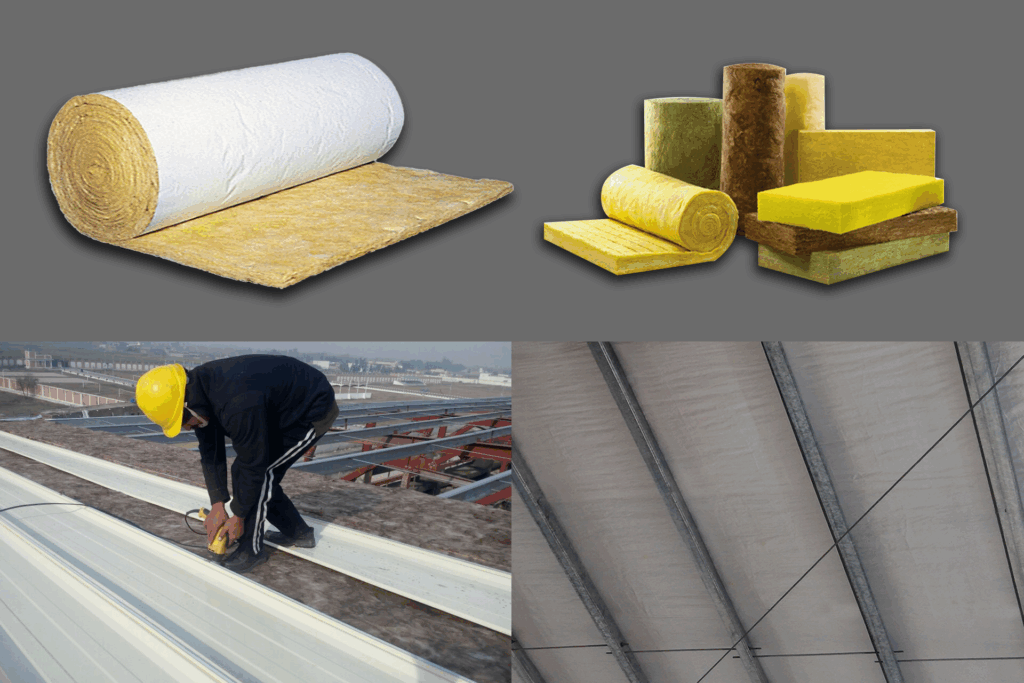
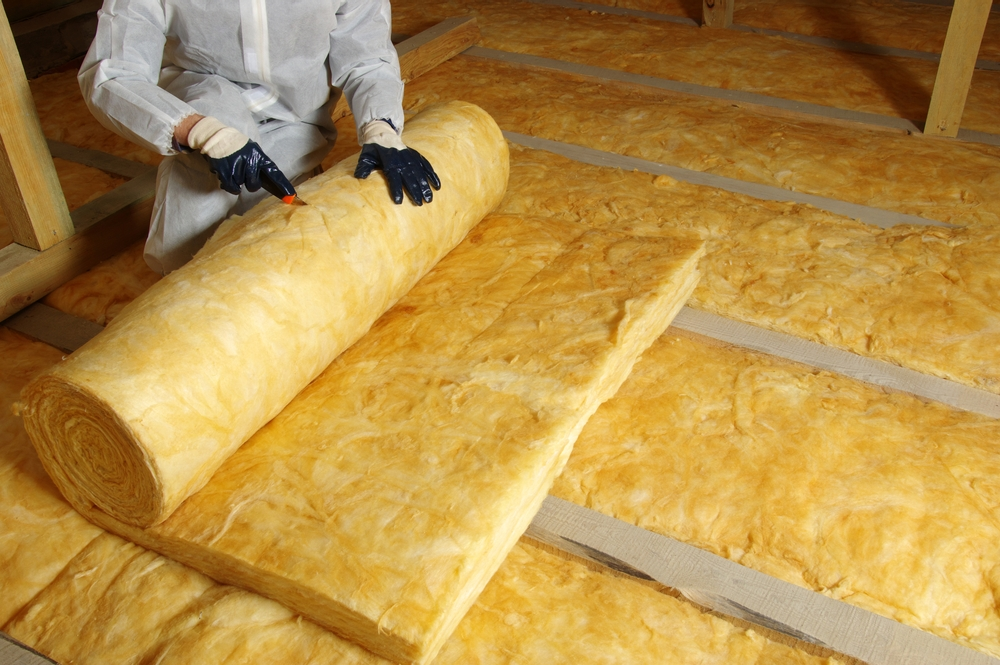
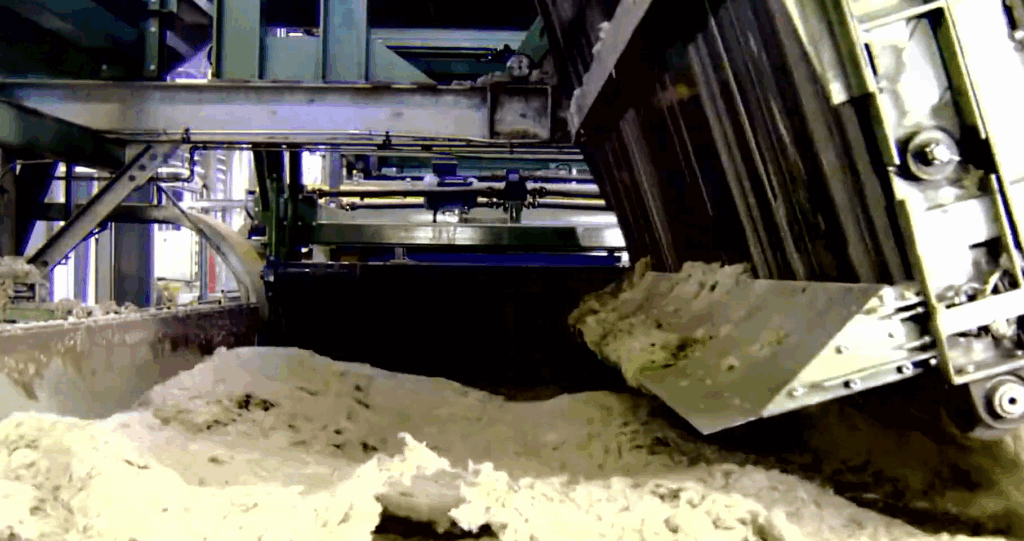
グラスウール, also known as fiberglass insulation, is a man-made mineral fiber made primarily from recycled glass, sand, and other natural materials. These materials are melted at high temperatures and spun into fine fibers, forming a wool-like structure that traps air between the strands.
How Glass Wool Works
- Air Trapping Mechanism
The air pockets within the fiber structure create a barrier that slows down the movement of heat and sound.
- エネルギー効率
Because of this trapped air, glass wool significantly reduces heat transfer, helping maintain a consistent indoor temperature.
- Sound Absorption
The porous nature of glass wool helps absorb and dampen noise, making it a popular acoustic glass wool insulation material.
- Lightweight Composition
Despite its strong performance, glass wool is lightweight, making installation easy and cost-effective.
- 耐久性
It does not sag or lose performance over time, offering excellent long-term value.
Advantages of Glass Wool Insulation

1. Superior Thermal Insulation
One of the main reasons why wool is a good insulator lies in its ability to trap air and minimize heat transfer.
- エネルギー効率: Glass wool reduces the need for continuous heating or cooling, lowering utility costs.
- Comfort Maintenance: It keeps indoor environments warmer in winter and cooler in summer.
- Thermal Stability: The material’s stable structure resists temperature fluctuations, providing consistent performance across seasons.
- Compatibility: Works effectively with various building materials such as concrete, wood, and metal.
2. Excellent Acoustic Performance
Noise pollution can significantly affect productivity and comfort. That’s where acoustic glass wool insulation plays a vital role.
- Sound Absorption: The fibrous structure absorbs sound waves, reducing reverberation and echo.
- Vibration Control: It minimizes vibration in HVAC systems and machinery, enhancing comfort.
- Versatile Application: Used in cinemas, theaters, オフィス, and recording studios to create quiet environments.
- Improved Acoustics: Helps achieve better sound clarity and room acoustics without bulky materials.
3. Fire Safety and Resistance
When considering building insulation, safety is a non-negotiable factor.
- Non-Combustible Nature: Glass wool does not burn and can resist temperatures exceeding 400°C.
- Fire Spread Prevention: It acts as a fire barrier, slowing down the spread of flames.
- No Toxic Emissions: During a fire, it doesn’t release harmful smoke or gases.
- Certified Safety: Products from reputable glass wool manufacturers are tested and certified to meet international fire safety standards.
4. Lightweight and Easy Installation
Ease of handling is another reason glass wool remains a top choice for contractors.
- Flexible Material: It can easily fit into uneven spaces and complex structures.
- Time-Saving Installation: Supplied in rolls or slabs that are easy to cut and shape.
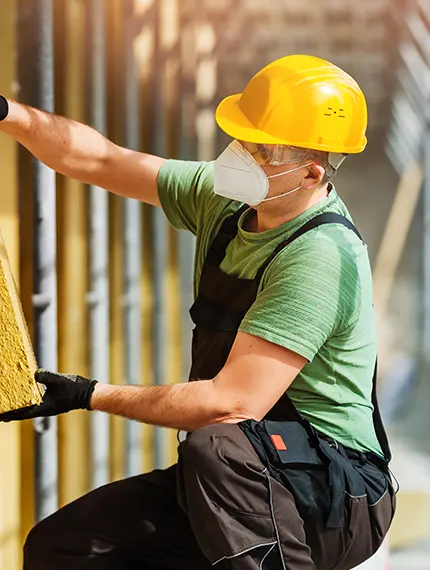
- Minimal Tools Required: Basic cutting tools and protective gear are enough for installation.
- Reduced Structural Load: Being lightweight, it doesn’t add unnecessary weight to the building.
5. Eco-Friendly and Sustainable
Sustainability is increasingly important in modern construction, and glass wool delivers on that front.
- Recycled Content: Made from up to 80% リサイクルガラス, reducing environmental impact.
- Long Service Life: 数十年にわたって性能を維持, minimizing waste.
- Energy Savings: Its insulation performance reduces energy consumption, lowering carbon emissions.
- Green Certifications: Many manufacturers provide products that meet LEED and ISO environmental standards.
| Parameter | ロックウール (ストーンウール) | Glasswool (Fiberglass Wool) |
| 原材料 | Made from natural basalt or diabase rock melted at high temperatures | Made from recycled glass, sand, and other minerals melted and spun into fibers |
| 密度 & 重さ | Generally denser and heavier; suitable for high-load insulation applications | Lighter and less dense, ideal for general building and HVAC insulation |
| 耐火性 | Can withstand up to 1000°C; 不燃性 | Can resist temperatures up to around 500°C; also non-combustible but less heat-resistant |
| アプリケーション | Used in industrial furnaces, power plants, shipbuilding, and high-temperature piping | Used in residential buildings, HVAC システム, partition walls, and ceilings |
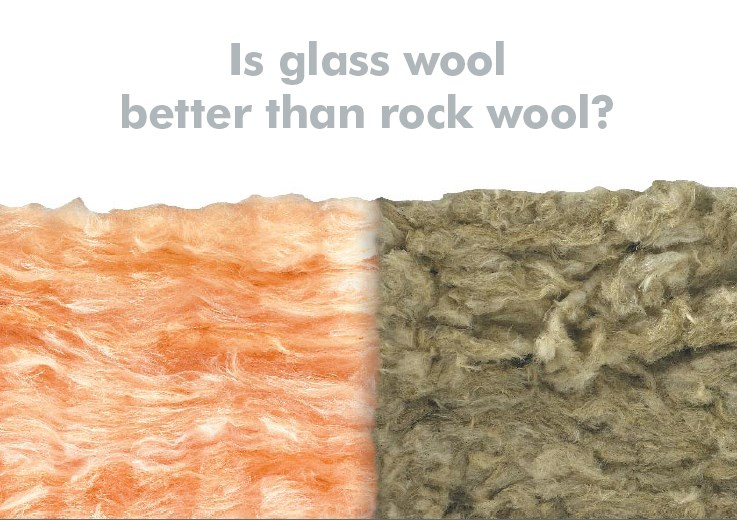
Difference Between Rockwool and Glasswool

ロックウール (also called stone wool) and glass wool are both part of the ミネラルウール断熱材 family, yet they differ in composition, パフォーマンス, and ideal applications. Understanding their differences helps you select the right material for your project.
1. 材料構成
- グラスウール: Made from recycled glass, sand, and limestone, then spun into fine fibers.
- ロックウール: Produced by melting basalt rock or dolomite at high temperatures.
- The different base materials result in variations in density, 耐熱性, and sound absorption.
2. Thermal and Acoustic Properties
- Thermal Insulation: Glass wool provides superior thermal performance due to its finer fibers that trap more air.
- 音響断熱: ロックウール, being denser, tends to absorb lower-frequency sound better, while acoustic glass wool insulation performs excellently across a wide frequency range.
- エネルギー効率: Both are highly efficient, but glass wool is more suited for residential and commercial comfort applications.
3. 耐火性
- グラスウール: 不燃性, resistant up to around 400–500°C.
- ロックウール: Can withstand even higher temperatures (up to 1,000°C), making it ideal for industrial and fire-rated structures.
- For typical building projects, both materials meet fire safety requirements.
4. Weight and Flexibility
- グラスウール: 軽量, フレキシブル, and easy to cut — perfect for wall cavities, 天井, and attics.
- ロックウール: Heavier and stiffer, better for high-load or mechanical environments like factories or power plants.
5. Cost and Application
- グラスウール: More cost-effective, widely used in homes, オフィス, および HVAC システム.
- ロックウール: Slightly more expensive due to higher density and melting point but preferred for extreme temperature or acoustic applications.
In summary, glass wool is the ideal choice for general building insulation and soundproofing, while rockwool suits heavy-duty industrial or fireproof installations.
Different Types of Glass Wool

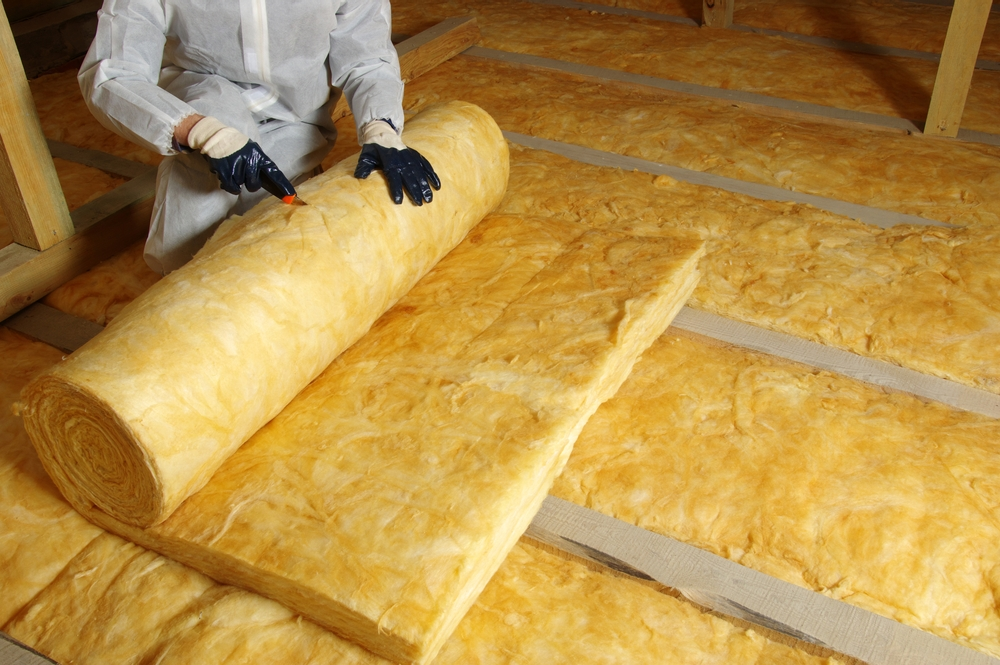
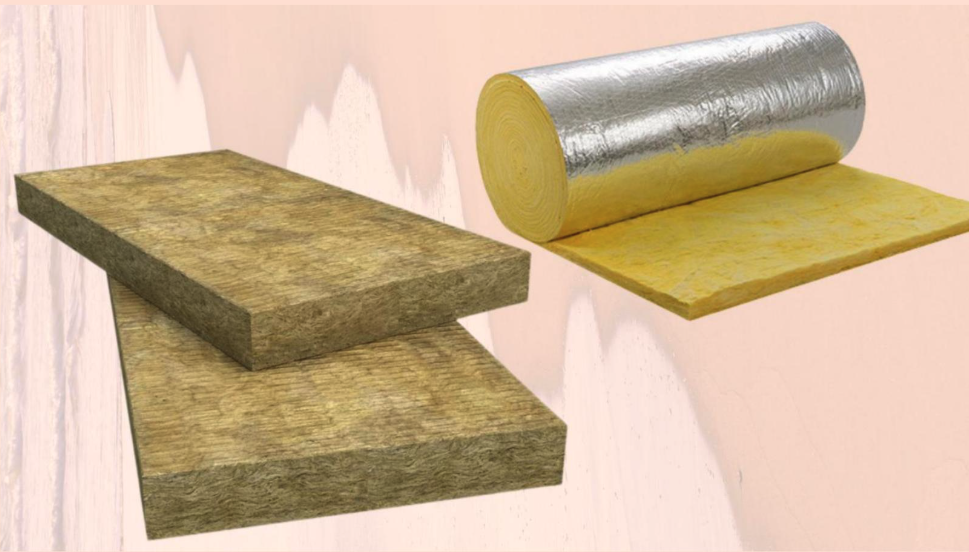
1. Glass Wool Rolls
- Flexible Coverage: Ideal for covering large areas such as ceilings, 屋根裏部屋, and walls.
- 取り付けが簡単: Can be cut to size and rolled out quickly.
- 熱 & Acoustic Benefits: Offers dual performance for both heat and sound insulation.
- Common Use: Residential homes and commercial buildings.
2. Glass Wool Boards or Slabs
- Rigid Structure: Provides mechanical strength for industrial use.
- Precise Fit: Perfect for HVAC システム, ducts, and machinery enclosures.
- Enhanced Noise Control: Designed for high-performance acoustic glass wool insulation applications.
- 耐久性: Maintains shape and insulation performance even under mechanical stress.
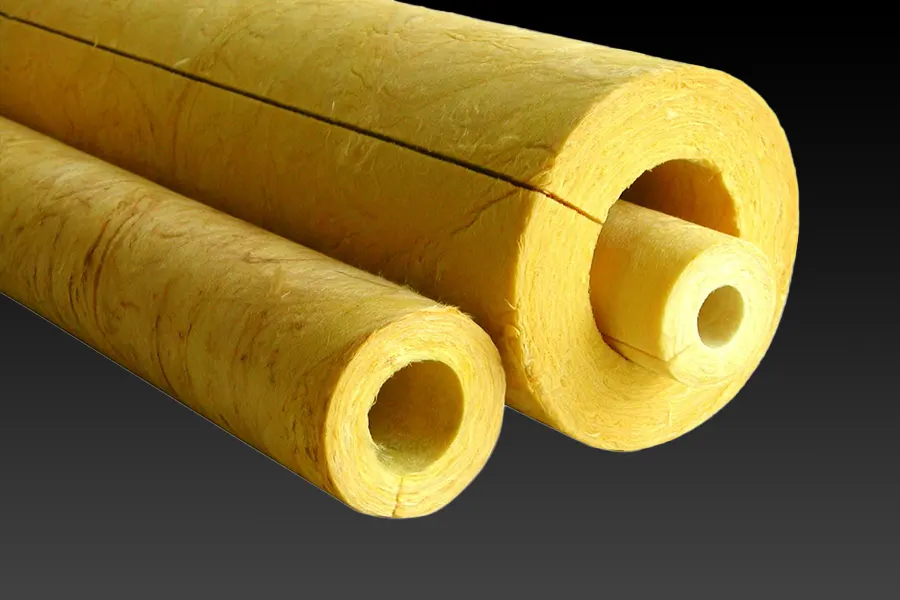
3. Glass Wool Pipe Sections
- Preformed Design: Specifically created for pipe insulation in thermal and mechanical systems.
- Prevents Condensation: Reduces moisture buildup and corrosion on pipes.
- Energy Conservation: Keeps fluids at stable temperatures.
- 産業用途: Used in power plants, chemical factories, and oil refineries.
4. Acoustic Glass Wool Panels
- High Sound Absorption: Ideal for auditoriums, スタジオ, and classrooms.
- Aesthetic Options: Can be finished with fabric or perforated metal covers.
- Fire-Resistant Design: Maintains safety while improving acoustic performance.
- Environmentally Friendly: Made from sustainable materials and recyclable fibers.
Applications of Glass Wool Insulation
1. Residential Construction
- Thermal Comfort: Keeps homes warm in winter and cool in summer.
- Noise Reduction: Minimizes sound transfer between rooms or from outside.
- エネルギー効率: Reduces heating and cooling costs significantly.
- Long-Term Performance: Maintains insulation capacity for decades without replacement.
2. Commercial and Office Buildings
- Acoustic Control: Essential in meeting rooms, theaters, and studios.
- Thermal Regulation: Improves indoor air quality and temperature balance.
- Sustainable Design: Contributes to eco-friendly building certifications.
- Safety Assurance: Meets fire-resistance standards for commercial use.
3. Industrial Facilities
- Equipment Insulation: Used for tanks, パイプ, ducts, and furnaces.
- Energy Conservation: Helps maintain process temperatures efficiently.
- Safety Compliance: Provides thermal protection in high-heat environments.
- 耐久性: Performs reliably even under vibration or mechanical pressure.
4. HVAC Systems and Ducting
- Thermal Protection: Prevents heat loss or gain in air ducts.
- Noise Suppression: Reduces fan and airflow noise in ventilation systems.
- Condensation Control: Prevents moisture buildup and mold formation.
- System Efficiency: Enhances HVAC performance and energy savings.
Why Work with a Trusted Glass Wool Manufacturer?

Choosing the right glass wool manufacturer is crucial to ensure you get consistent quality, パフォーマンス, and safety.
- Technical Expertise: Leading manufacturers provide tailored insulation solutions for various applications.
- High-Quality Materials: Products are engineered for long-lasting thermal and acoustic performance.
- Customization Options: Available in different densities, thicknesses, and formats to meet specific project needs.
- Support & Guidance: Manufacturers often provide technical consultation, helping you choose the right product for your environment.
FAQs About Glass Wool Insulation
1. Is Glass Wool Safe?
はい, glass wool is safe when installed correctly. Just wear gloves and a mask during installation to avoid skin or throat irritation. Once sealed inside walls or ceilings, it’s completely harmless.
2. Why Is Wool a Good Insulator?
Wool traps air within its fibers, reducing heat transfer and keeping indoor temperatures stable. This makes both natural and glass wool effective for energy-saving insulation.
3. Where Can Glass Wool Be Used?
It’s widely used in homes, オフィス, factories, and HVAC systems for both thermal and acoustic glass wool insulation purposes.
結論

Glass wool insulation continues to prove its value as one of the most versatile, efficient, and eco-friendly insulation materials available today. From residential comfort to industrial durability, it offers superior thermal regulation, sound control, and fire safety in a lightweight, sustainable form.
Whether you’re an architect designing a green building or a contractor seeking reliable materials, working with a trusted glass wool manufacturer like rpower to ensures that you get high-quality products designed for lasting performance.
If your next project demands the perfect balance of energy efficiency, 安全性, and acoustic comfort, glass wool insulation is the smart solution that stands the test of time.