In today’s construction and industrial sectors, insulation is no longer just an optional upgrade—it’s a core requirement for energy efficiency, 安全性, and building performance. Among many insulation materials, glass wool has become one of the most widely used solutions thanks to its excellent thermal insulation, fire resistance, and acoustic properties.
しかし, not all suppliers offer the same quality, 認定, or production capabilities. Builders, distributors, and contractors often need to compare multiple glass wool suppliers before selecting the right partner. From global corporations to competitive グラスウール China manufacturers, the market includes many reliable options.
This guide explores the Top 10 Glass Wool Manufacturers worldwide, compares their strengths, and helps buyers understand what to look for when working with professional glass wool dealers.
Global Leaders in Glass Wool Production
| メーカー | Country | 主な製品 | Key Advantages |
| オーエンズ・コーニング | アメリカ合衆国 | グラスファイバー断熱材, 遮音性 | Global brand recognition, advanced technology |
| Saint-Gobain ISOVER | France | Glass wool insulation systems | Large production capacity, sustainable materials |
| クナウフ断熱材 | ドイツ | Glass mineral wool, building insulation | Eco-friendly technology, global factories |
| ジョンズ・マンビル | アメリカ合衆国 | Industrial and commercial insulation | Strong North American presence |
| Rockwool Group | Denmark | Mineral wool and insulation solutions | Fire-resistant products, r&D innovation |
| Paroc Group | Finland | HVAC and industrial insulation | High-performance technical insulation |
| Kingspan Insulation | Ireland | Advanced insulation boards | Energy-efficient building solutions |
| URSA Insulation | Spain | Glass wool and mineral wool | Strong European market share |
| Superglass Insulation | United Kingdom | Glass mineral wool products | Sustainable manufacturing |
| FUNAS Insulation | 中国 | Glass wool boards and insulation systems | OEM capability, competitive pricing |
Many of these companies operate globally and supply insulation materials to infrastructure, 工事, and industrial sectors. Major players like Saint-Gobain and Owens Corning dominate the global insulation market thanks to large production networks and advanced manufacturing technology.
What Is Glass Wool Insulation?
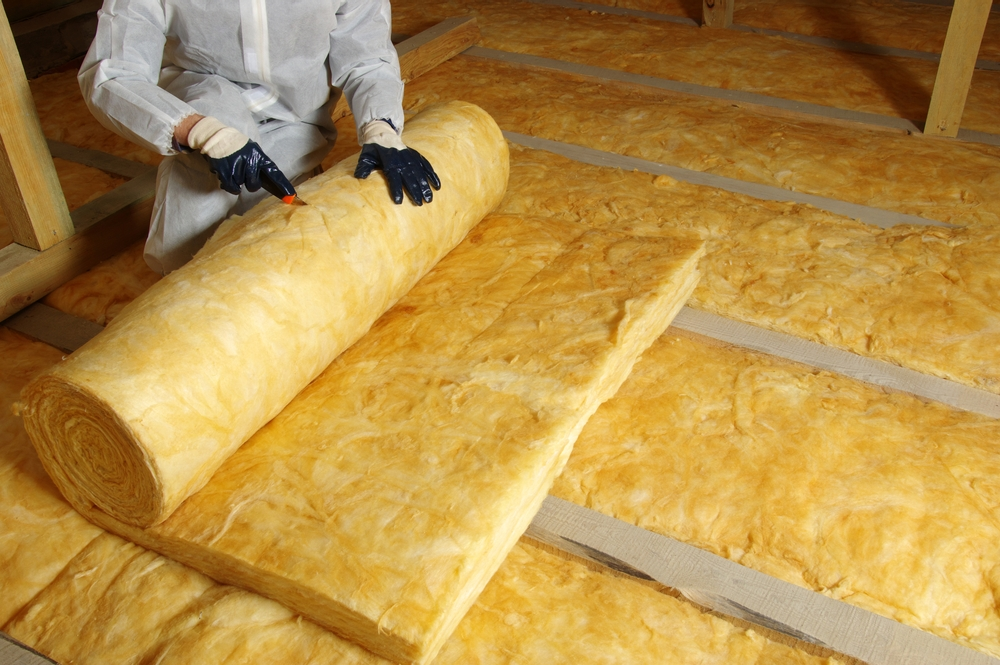
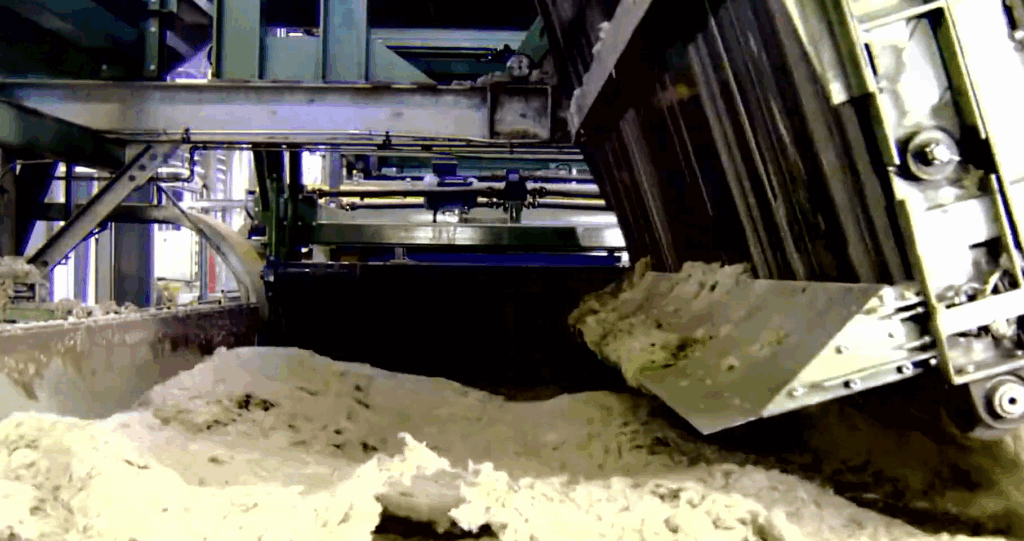
Glass wool is a type of fiberglass insulation made by melting minerals such as silica sand, 石灰岩, and recycled glass, then spinning them into fine fibers. These fibers form a structure that traps air, creating strong thermal and acoustic insulation performance.
Key Characteristics of Glass Wool
- Excellent Thermal Performance
The fiber structure slows heat transfer, helping buildings maintain stable indoor temperatures throughout the year.
It significantly reduces heating and cooling energy consumption in residential and commercial buildings.
Because of its efficiency, glass wool insulation is widely used in walls, roofs, 天井, そして HVAC システム.
- Strong Sound Absorption
The porous structure absorbs sound waves and reduces noise transmission.
It is commonly used in office buildings, theaters, and apartments to improve acoustic comfort.
Many commercial architects choose glass wool for soundproof partitions and ceilings.
- Fire Safety Advantages
Glass wool is a non-combustible material used in fire-resistant construction systems.
It can help slow fire spread and improve building safety compliance.
Many high-rise buildings and public facilities rely on glass wool insulation for this reason.
- Lightweight and Easy Installation
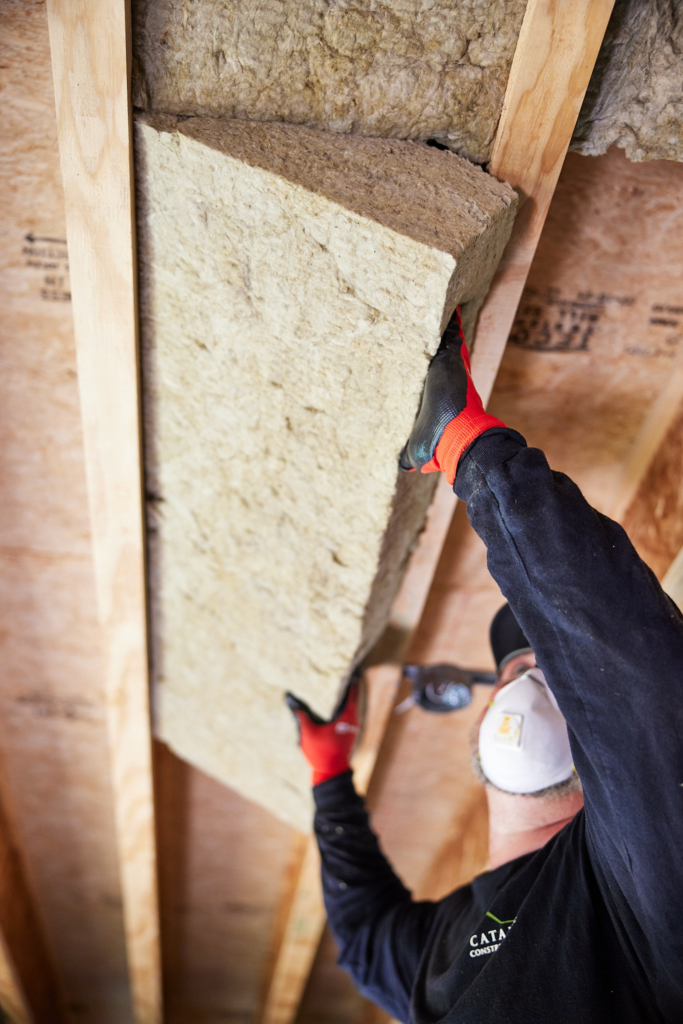
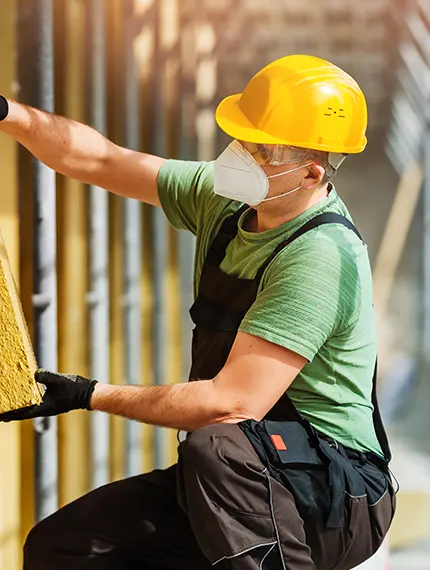
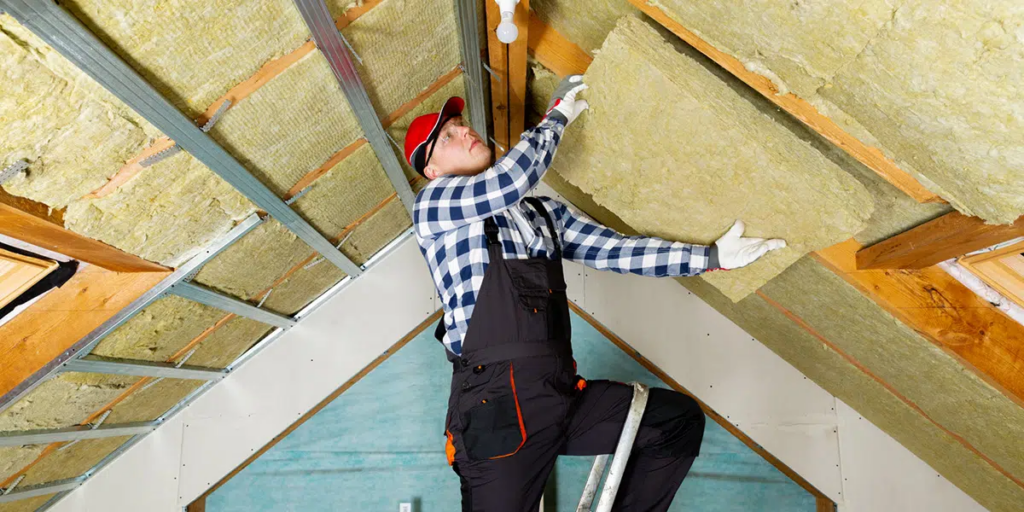
Glass wool rolls and boards are flexible and easy to cut. Contractors can install it quickly, reducing labor costs. This makes it a popular product for both new construction and renovation projects. Because of these advantages, the global demand for reliable Glass Wool Manufacturers continues to grow.
How to Evaluate Glass Wool Suppliers
Choosing the right manufacturer involves more than simply comparing prices. Buyers often evaluate multiple factors before partnering with glass wool dealers.
International Standards
- Reliable manufacturers provide ISO, ce, or UL certifications.
- Certifications ensure the insulation meets safety and performance standards.
- This is especially important for large infrastructure projects.
Fire and Thermal Ratings
- Quality glass wool should have clear thermal conductivity specifications.
- Fire resistance ratings help builders comply with building codes.
- High-end brands often provide detailed testing reports.
Raw Material and Manufacturing Technology
- High recycled glass content improves sustainability.
- Advanced fiberizing technology improves insulation performance.
- Leading manufacturers invest heavily in R&D.
Large Manufacturing Facilities
- Major global brands operate multiple production plants.
- This ensures consistent product supply even for large projects.
- It also shortens delivery time.
Global Distribution Networks
- Top manufacturers cooperate with international distributors.
- This allows contractors to source materials locally.
- 信頼性のある グラスウールのサプライヤー often maintain warehouses in multiple regions.
OEM and Customization Services
- Some manufacturers offer customized insulation solutions.
- This is common when working with glass wool China factories.
- Custom density, 厚さ, and packaging are often available.
Which Insulation Brand Is Best?
There is no single “best” insulation brand for every situation. Instead, the right choice depends on project scale, location, and technical requirements.
For Global Construction Projects
Large international brands are often preferred because they provide:
- Stable product quality across markets
- Extensive technical documentation
- International certifications
- Reliable logistics and delivery
Companies such as Saint-Gobain, オーエンズ・コーニング, and Knauf are frequently considered industry leaders.
For Cost-Effective Bulk Purchasing
Many distributors and contractors look for competitive glass wool suppliers in Asia.
Advantages often include:
- Lower manufacturing costs
- High production capacity
- Flexible customization options
- Growing export experience
Because of these benefits, glass wool China manufacturers have become important players in the global supply chain.
のために Specialized Industrial Applications
Some projects require insulation that performs well in challenging environments.
Examples include:
- Petrochemical plants
- Power stations
- Heavy industrial facilities
- High-temperature pipelines
In these cases, buyers typically choose suppliers with strong technical expertise and industrial product lines.
What Is the Difference Between Glass Wool and Ceramic Wool?
Although they are both fibrous insulation materials, グラスウールと ceramic wool serve different purposes.
Raw Material Differences: グラスウール
- Made mainly from silica sand, 石灰岩, and recycled glass.
- Manufactured by spinning molten glass into fine fibers.
- Designed primarily for building insulation.
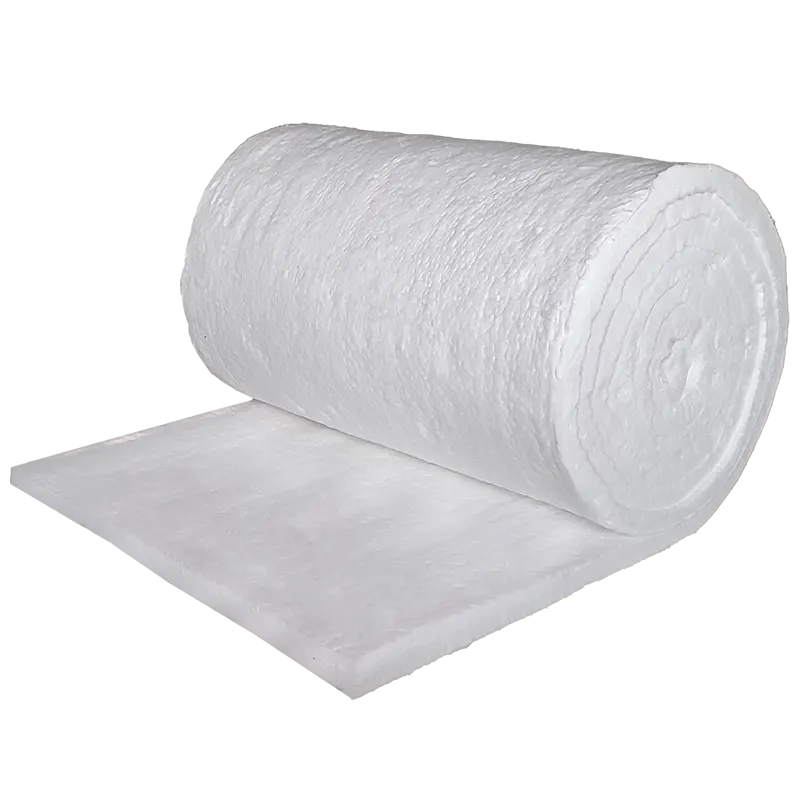
Raw Material Differences: Ceramic Wool
- Made from alumina and silica compounds.
- Produced for high-temperature industrial applications.
- Often used in furnaces and kilns.
温度耐性: グラスウール
- Typically used in environments below about 200–260°C.
- Suitable for buildings, pipelines, and HVAC insulation.
温度耐性: Ceramic Wool
- Can withstand temperatures above 1000°C.
- Ideal for furnaces, ボイラー, and high-temperature equipment.
Cost and Applications: Glass Wool Advantages
- Lower cost compared to ceramic fiber insulation
- Lightweight and easy to install
- Widely used in commercial construction
Cost and Applications: Ceramic Wool Advantages
- 極度の耐熱性
- Longer durability in industrial environments
- Better performance in fireproof systems
In simple terms, glass wool is commonly used in buildings, while ceramic wool is designed for high-temperature industrial use.
Trends in the Global Glass Wool Market
The insulation industry is expanding rapidly as countries focus on energy efficiency and sustainable construction.
Growing Demand for Energy-Efficient Buildings
- Governments worldwide are introducing stricter building energy codes.
- Glass wool insulation helps reduce energy consumption in residential and commercial buildings.
Expansion of Infrastructure Projects
- Large transportation hubs, factories, and public buildings require advanced insulation systems.
- Many contractors rely on global Glass Wool Manufacturers to supply these materials.
Rising Production Capacity
- Investment in new manufacturing facilities continues worldwide to meet demand.
- Both Western companies and glass wool China manufacturers are expanding production.
結論
As global construction continues to grow, insulation materials like glass wool play a crucial role in improving energy efficiency, 安全性, and comfort in modern buildings. From international giants such as Owens Corning and Saint-Gobain to rapidly developing glass wool China manufacturers, buyers today have more sourcing options than ever before.
For distributors, 請負業者, and procurement managers, selecting the right partner among global Glass Wool Manufacturers and reliable glass wool dealers can significantly affect project success. By comparing product quality, 認定, production capacity, and supply stability, businesses can find trusted グラスウールのサプライヤー that deliver both performance and value. お問い合わせ from now on!