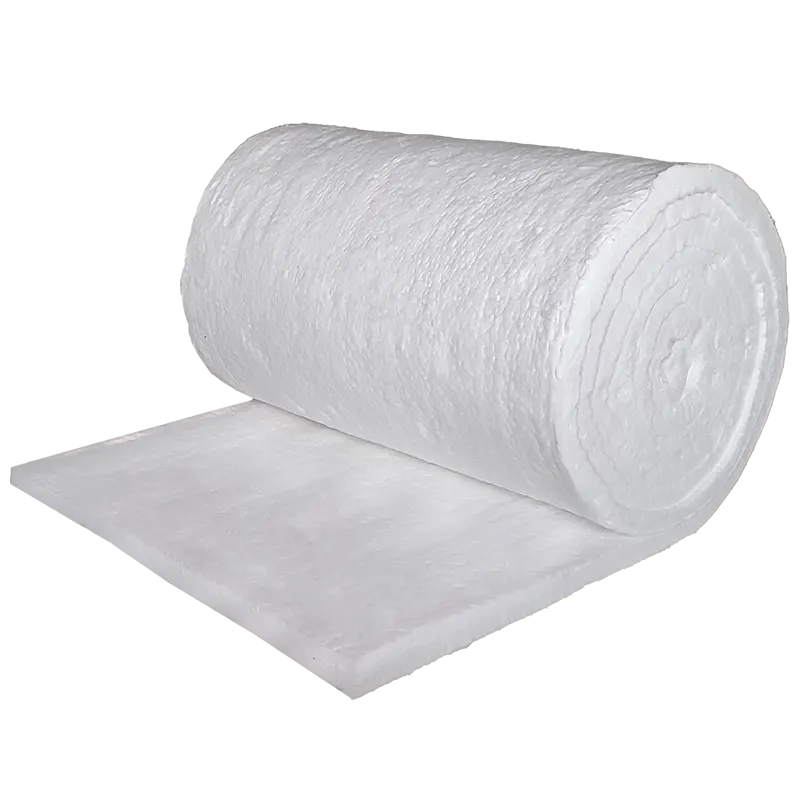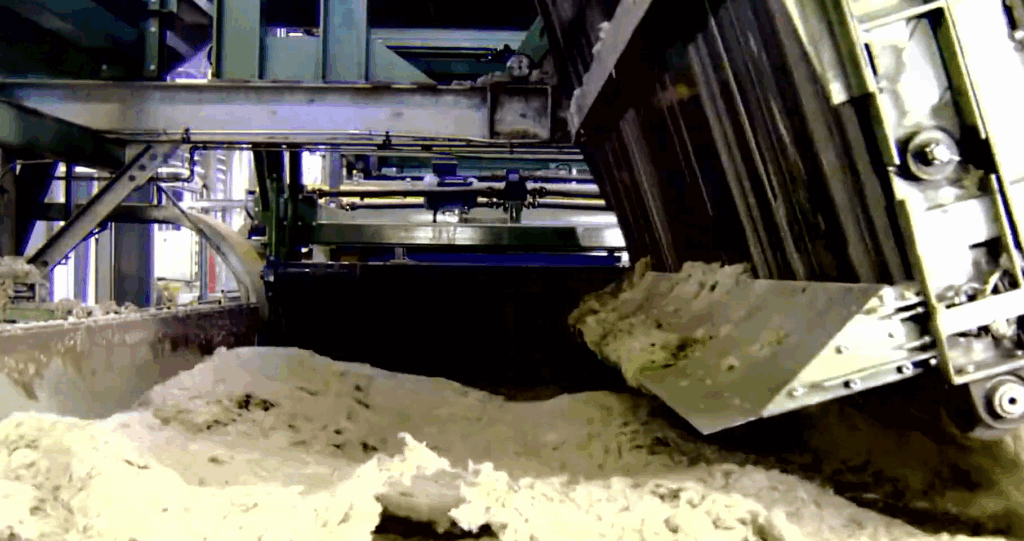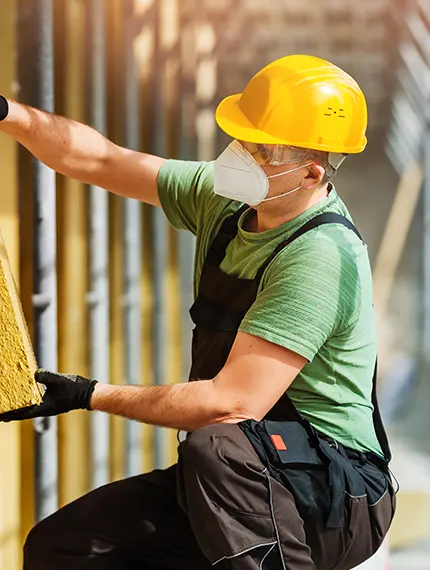
The debate over glass wool vs rock wool insulation is a critical factor in meeting commercial building fire codes and managing long-term operational energy industry custos. Specifying the wrong material for a project doesn’t just affect thermal efficiency; it can lead to failed inspections, compromised safety ratings, and budget overruns tied to non-compliance. Making an informed choice is essential for architects, empreiteiros, and facility managers responsible for asset performance and safety.
This guide provides a direct technical comparison of both materials. RPower will analyze their core differences in thermal performance, fire resistance, e acoustic properties. We will also cover practical considerations like installation methods, material costs, and availability to help your procurement and engineering teams make a decision based on clear operational requirements and performance data.
Key Differences Between Glass Wool and Rock Wool
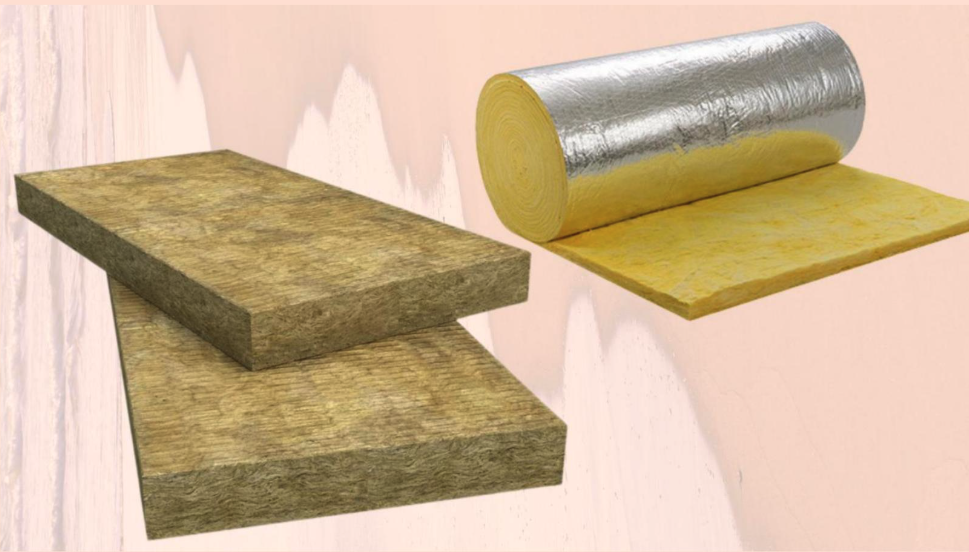
The selection between rock wool and glass wool is a direct trade-off between performance and cost; rock wool provides superior fire, acústico, and moisture resistance for demanding applications, while glass wool offers an economical solution for general thermal insulation.
Thermal and Fire Resistance
Rock wool delivers unmatched performance in high-temperature environments. Its melting point exceeds 1,000°C, making it the default specification for industrial facilities, fire barrier systems, and applications with continuous heat exposure. Glass wool provides effective thermal insulation for residential and standard commercial construction, but it has a lower fire rating and is not suitable for such extreme conditions. The final decision is driven by the project’s specific fire code requirements and expected operating temperatures.
Acoustic Insulation Properties
The denser fiber structure of rock wool gives it exceptional soundproofing capabilities. It effectively reduces noise transmission by blocking and absorbing airborne sound, a critical feature for commercial buildings, industrial plants, and any space where acoustic control is a priority. While glass wool offers moderate acoustic performance adequate for most residential settings, rock wool delivers more reliable and measurable results for specialized sound-dampening applications.
Durability and Moisture Resistance
Lã de rocha demonstrates excellent long-term durability and is inherently hydrophobic, meaning it repels water. This moisture resistance prevents sagging, protects its insulating R-value over time, and inhibits the growth of mold or mildew. It maintains its physical shape and thickness, ensuring consistent performance for decades. This structural integrity makes it a prime material for challenging environments, including humid climates, external wall systems, and industrial settings where moisture exposure is a constant factor.
Cost and Primary Applications
Glass wool is typically the more economical choice, establishing it as the standard material for large-scale residential projects where budget is a primary driver. It provides a strong balance of thermal performance and cost for most standard insulation needs. Rock wool’s higher price point is justified by its superior performance metrics. It is selected when enhanced fire resistance, controle acústico, or moisture durability are non-negotiable project requirements, positioning it as the go-to material for specialized industrial, comercial, and high-performance building applications.
Thermal Performance Comparison
While both materials offer competitive thermal resistance, the key differentiators in 2026 are rock wool’s superior performance in high-temperature industrial applications and glass wool’s advantage in meeting green building certifications through higher recycled content.
Condutividade Térmica (Lambda Values)
| Métrica de Desempenho | Lã de vidro | Lã de pedra |
|---|---|---|
| Condutividade Térmica (λ) | 0.030 – 0.038 C/(m·K) | 0.033 – 0.045 C/(m·K) |
| Max Service Temperature | Approx. 200°C (continuous) | Over 1,000°C |
| Primary Application Focus | Residential & Commercial Buildings, AVAC | Industrial Furnaces, Fire Barriers, Marine |
Performance in High-Temperature Applications
The operational temperature range is a critical factor that separates rock wool and glass wool. Rock wool’s composition, derived from basalt rock, gives it a significant advantage in high-heat industrial environments. Rock-based formulations are consistently favored for industrial furnaces, ductwork, and systems operating at extreme temperatures well above 200°C. Em contraste, glass wool is highly effective for residential and commercial buildings, where its thermal performance is optimized for standard environmental conditions and is not intended for high-temperature process applications.
Acoustic and Soundproofing Properties
Rock wool provides superior sound absorption due to its higher density, making it the material of choice for demanding acoustic projects, while glass wool offers a practical balance of sound dampening and thermal insulation for general use.
Sound Absorption and Material Density
Rock wool generally delivers better sound absorption, a fact reflected in its higher Sound Transmission Class (STC) and Noise Reduction Coefficient (NRC) ratings. This acoustic advantage is directly tied to its greater material density. To achieve equivalent sound absorption, rock wool requires about 50-100% more density than glass wool. This dense fiber structure is highly effective at trapping and dissipating sound energy. In certain applications, glass wool’s finer, less dense fibers can provide specific acoustic benefits, but for broad-spectrum sound blocking, density is key.
- Rock wool’s higher STC rating enables it to block more sound effectively across a wide range of frequencies.
- The NRC for high-quality rock wool often reaches 0.95 para 1.05, while glass wool typically lands slightly lower at 0.90 para 0.95.
- Glass wool achieves its respectable acoustic performance with a lighter, less dense fiber structure.
Application Differences in Soundproofing
The ideal material depends entirely on the project’s acoustic goals. Rock wool is the specified choice for high-performance soundproofing where noise control is critical. This includes environments like music studios, home theaters, or sound barriers along highways. Its mass and density make it exceptionally good at stopping noise transfer. Glass wool serves as a practical and cost-effective solution for standard residential needs, such as reducing sound transmission between rooms or floors, where good performance is sufficient.
- Rock wool is specified for demanding acoustic projects, including recording studios, painéis acústicos, and industrial sound barriers.
- Glass wool is lighter, more affordable, and simpler to install for general residential sound dampening in walls and ceilings.
- The density and moisture resistance of rock wool make it suitable for acoustically sensitive locations that may also be damp, like basements.
Balancing Acoustic Performance with Thermal Insulation
A clear trade-off exists between acoustic and thermal capabilities. Glass wool provides better thermal insulation, which is evident from its lower lambda (λ) values. A lower lambda value means less heat is conducted through the material, making it more efficient for containing heat. Lã de rocha, por outro lado, is engineered to prioritize sound absorption and fire resistance. This focus often comes at the slight expense of its thermal performance compared to a glass wool product of similar thickness.
- Glass wool has superior thermal insulation properties, with lambda values typically between 0.030 e 0.038 C/(m-K).
- Rock wool’s lambda values are slightly higher, ranging from 0.033 para 0.045 C/(m-K), which indicates less thermal efficiency.
- The decision depends on the primary goal: choose glass wool for energy efficiency or rock wool for superior acoustic control and fire safety.
Fire Resistance and Safety Ratings
Both rock wool and glass wool are rated non-combustible, but rock wool’s ability to maintain structural integrity above 1,000°C makes it the required material for industrial fire barriers and high-risk environments.
Material Classification and A1 Non-Combustibility
Both rock wool and glass wool achieve the highest possible Euroclass rating of A1, classifying them as non-combustible. This shared top-tier rating means they will not contribute to fire spread, providing a fundamental level of safety for standard building and HVAC applications. This classification is the baseline, but the performance differences under extreme heat dictate where each material can be used effectively.
| Métrica de Desempenho | Lã de pedra | Lã de vidro |
|---|---|---|
| Euroclass Fire Rating | A1 Non-Combustible | A1 Non-Combustible |
| Temperatura Máxima de Serviço | Exceeds 1,000°C (1832°F) | Approx. 600°C (1112°F) |
| Structural Integrity Under Fire | Maintains form; acts as a fire barrier | Melts and loses structural form |
| Primary Fire Safety Application | Fire stopping, industrial facilities, fire-rated partitions | General residential and commercial buildings |
High-Temperature Tolerance and Structural Stability
The critical distinction between the two materials is their performance under extreme heat. Rock wool is derived from volcanic rock and maintains its structural integrity at temperatures exceeding 1,000°C. This makes it the only viable choice for fire-stopping applications, industrial furnace insulation, and fire-rated barriers designed to contain a fire for a specified period. Lã de vidro, while non-combustible, will melt at around 600°C and cannot provide the same structural stability during a prolonged fire event. This high melting point is essential for protecting a building’s load-bearing structures and preventing collapse.
Application-Specific Material Selection Trends
By 2026, stricter building codes and a deeper understanding of material science have pushed the industry toward application-specific selection. General contractors and procurement managers no longer treat all mineral wool as interchangeable for fire safety. Rock wool is now mandated for high-risk environments like industrial plants, data centers, and critical infrastructure where fire containment is paramount. Glass wool remains the standard for residential and light commercial projects where its A1 rating satisfies code requirements without the need for extreme temperature resilience.
Cost and Availability Considerations
The choice between glass wool and rock wool often comes down to budget versus performance, with glass wool being the economical choice for general construction and rock wool specified for projects where its higher cost is offset by superior fire, acústico, and durability metrics.
Price Point and Initial Investment
Glass wool is consistently the more economical option upfront. Its simpler manufacturing process and lower material density keep production costs down, making it the default choice for large-scale residential and general commercial projects where standard thermal performance is the primary goal. Rock wool carries a premium price, but this reflects its higher density and advanced performance characteristics. The investment is justified in applications demanding superior fire resistance, acoustic dampening, e durabilidade a longo prazo, where material failure is not an option.
Market Availability and Application Focus
The supply chain for these materials mirrors their primary applications. Glass wool is a commodity product, widely stocked by building suppliers and distributors for immediate use in standard construction. You can find it almost anywhere. Lã de rocha, por outro lado, is often a specified material. It’s more common in commercial and industrial supply channels where project requirements call for specific fire ratings, acoustic STC values, or high compressive strength, making its availability more targeted to those sectors.
Regional Factors and Supply Chain
Your project’s location directly impacts the final landed cost. Proximity to a manufacturing plant significantly reduces freight expenses, which can be substantial for bulky insulation materials. Local supply chains are more predictable. Import tariffs, regional fire-safety certifications, and logistics can add cost and complexity, especially when sourcing specialized rock wool products not produced domestically. Always factor in transportation and regional duties when comparing the upfront material costs.
Installation Methods and Practical Use Cases
Material selection is no longer a commodity choice but a performance-driven decision: glass wool is specified for standard construction, while rock wool is reserved for industrial, high-temperature, or acoustic applications.
Lã de vidro: Residential and Low-Temperature Applications
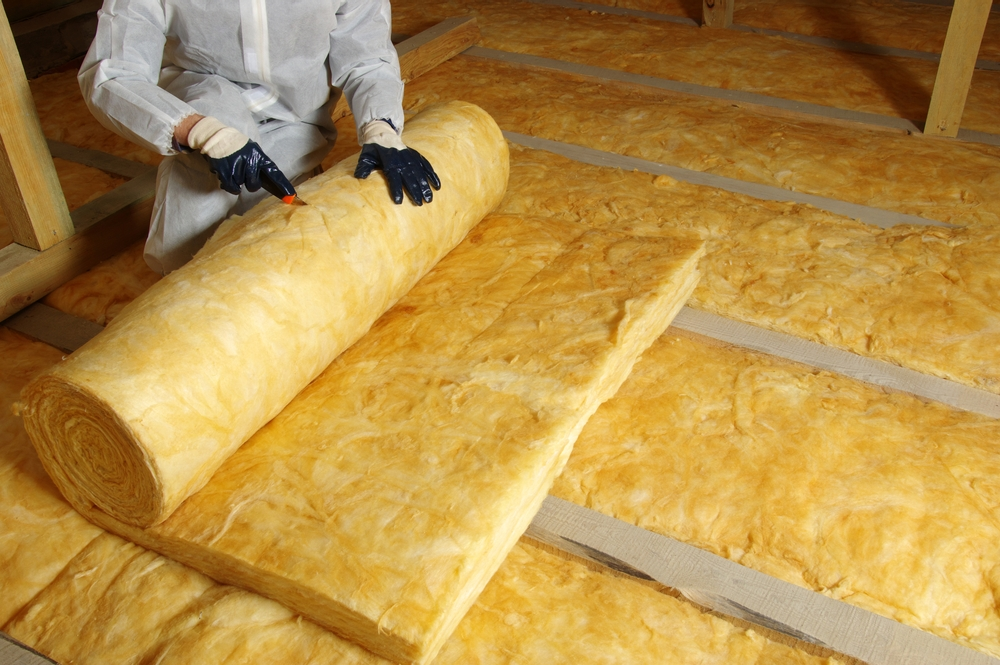
Glass wool is the preferred material for residential and commercial construction where operating temperatures remain below 200°C. Its lightweight and compressible qualities allow for straightforward installation in wall cavities, sótãos, and standard building frameworks. This material dominates cost-sensitive projects where ease of handling and basic thermal performance are the primary requirements.
- Primarily used in residential construction due to its lower cost and simple handling.
- Installation involves fitting compressed batts or rolls into structural voids.
- Best suited for environments that do not face extreme heat or high moisture levels.
Lã de pedra: Industrial and High-Performance Environments
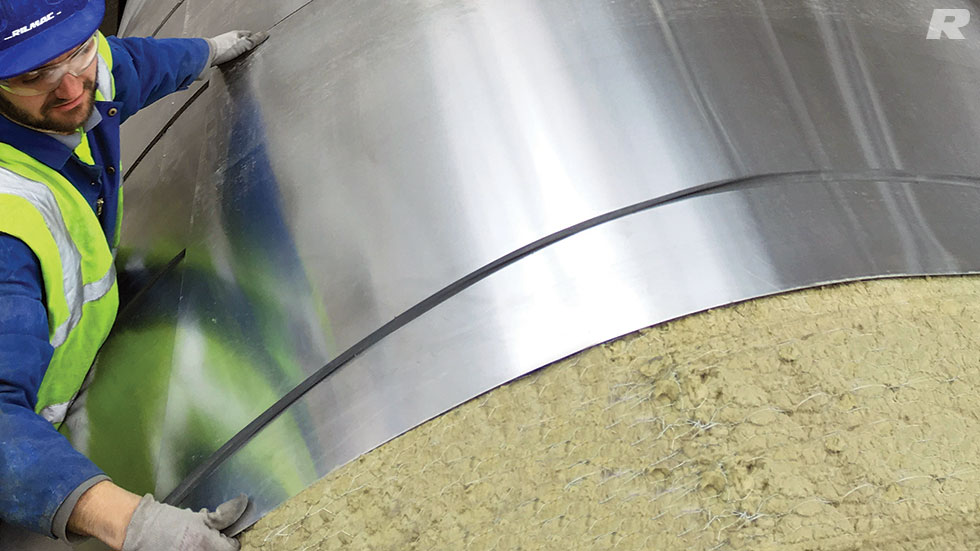
Rock wool is specified for demanding industrial settings requiring high-temperature resistance (above 500°C), moisture control, or significant acoustic dampening. Its rigidity and compressive strength are essential for maintaining structural integrity in process-critical insulation, such as high-temperature pipework or industrial furnaces. It is the default choice when performance cannot be compromised.
- Specified for insulating industrial furnaces, high-temperature pipework, and machinery.
- Valued for its compressive strength in structural and soundproofing applications.
- Delivers reliable performance in areas prone to moisture or requiring stringent fire safety.
Key Factors Driving Material Selection in 2026
The decision between glass and rock wool is now guided more by specific performance needs than by cost alone. Specifications are increasingly driven by technical requirements like fire classification, resistência à umidade, and sustainability certifications. This shift reflects a more mature market where buyers match the material directly to the application’s environmental and safety demands.
- Fire classification compliance is a critical factor in both commercial and industrial projects.
- Hydrophobic (water-repellent) properties are essential for installations with potential moisture exposure.
- Sustainability credentials and the material’s lifecycle are growing considerations for procurement decisions.
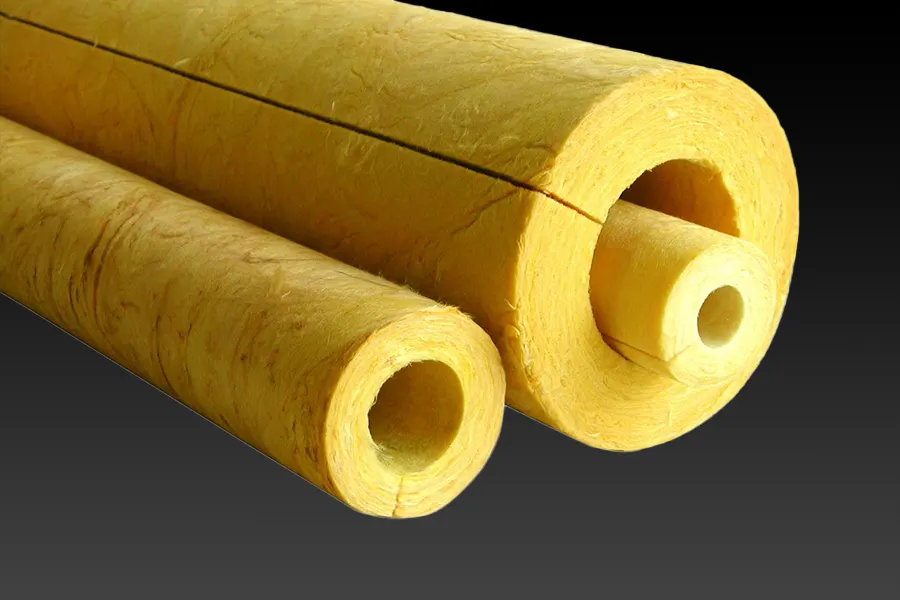
Get Certified Glass Wool Insulation Direct
B2B Buying Tips for Choosing Between the Two
The choice between rock wool and glass wool hinges on a project’s primary objective: fire safety and acoustic control versus thermal efficiency and budget constraints.
Evaluate Project Performance Requirements
The right insulation choice depends entirely on the primary goal of the application. Rock wool is specified for environments that demand high fire resistance, superior sound dampening, or robust moisture control. Glass wool is often the standard for general thermal insulation in cost-sensitive commercial and residential projects where achieving thermal targets is the main priority.
- Select rock wool for industrial furnaces, institutional buildings, or applications in fire-prone regions where safety compliance is critical.
- Use glass wool for large-scale builds where achieving thermal efficiency at a lower material cost is the main objective.
| Decision Factor | Rock Wool Specification | Glass Wool Specification |
|---|---|---|
| Primary Application | High-temperature industrial, fire safety barriers, and acoustic control. | General thermal insulation for commercial and residential construction. |
| Cost Justification | Higher upfront cost for long-term safety, operational compliance, e durabilidade. | Lower material cost for budget-driven, high-volume projects. |
| Supply Chain Profile | Specialized orders; often requires longer lead times and supplier coordination. | High availability for standard specifications and large-scale projects. |
Balance Budget with Long-Term Safety
Glass wool generally offers a lower upfront cost, making it attractive for budget-driven projects. Rock wool’s higher price is justified by its superior durability and enhanced safety features, especially in high-temperature or industrial settings where performance and compliance are non-negotiable. The long-term value of rock wool often outweighs the initial investment in environments where failure is not an option.
Analyze Supply Chain and Project Scale
Availability and logistics can influence your material decision as much as performance. Glass wool is typically easier to source for large, standard orders common in general construction, with a more flexible and responsive supply chain. Rock wool is often specified for specialized industrial or institutional projects, which may require more planning with suppliers to manage lead times and ensure the correct product specifications are available.
Perguntas frequentes
Rock Wool or Glass Wool? Which is More Effective?
The effectiveness of rock wool versus glass wool depends entirely on the application. Rock wool is more effective in demanding environments due to its superior performance characteristics. It can withstand temperatures over 1,000°C, offers excellent acoustic insulation, and has higher durability and moisture resistance. This makes it the preferred choice for commercial buildings, industrial settings, and areas requiring high fire safety or soundproofing. Glass wool is highly effective for standard residential applications where its adequate thermal performance and lower cost make it a practical, budget-friendly solution.
What is the healthiest insulation to use?
The healthiest insulation options are typically those made from natural, renewable materials with zero additives or volatile organic compounds (VOCs). Materials like sheep’s wool, cork, and cellulose (made from recycled paper treated with non-toxic borates) are considered top choices for indoor air quality. They are breathable, non-toxic, and do not off-gas harmful chemicals. Modern mineral wool (both rock and glass wool) has also improved significantly, with many manufacturers now offering formaldehyde-free versions. Once properly installed and enclosed within a wall cavity, these products are inert and pose no risk to air quality, making them a safe and practical choice as well.