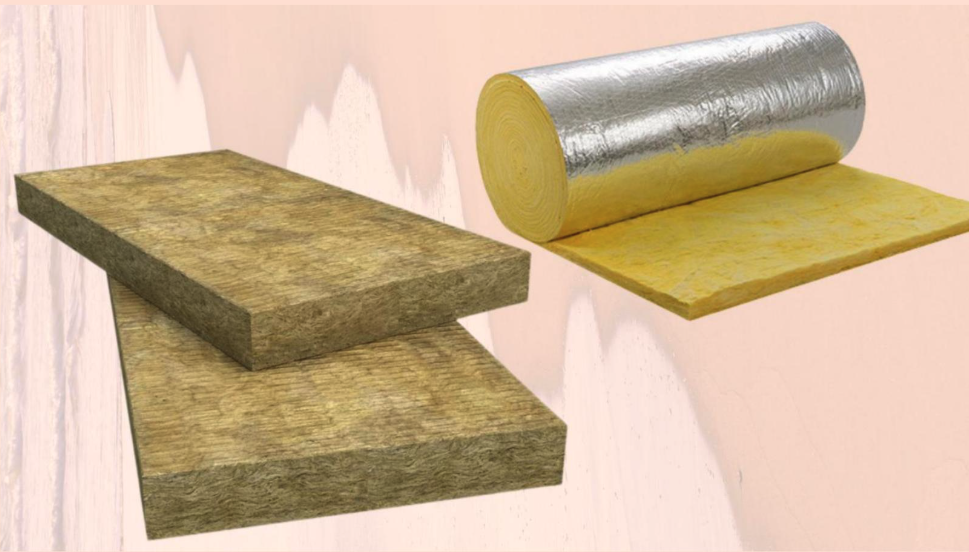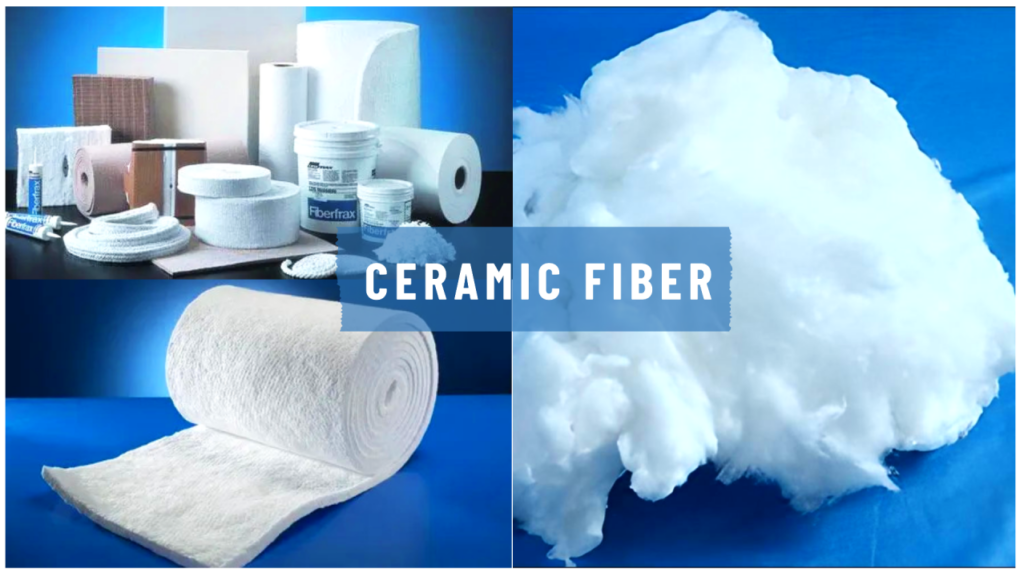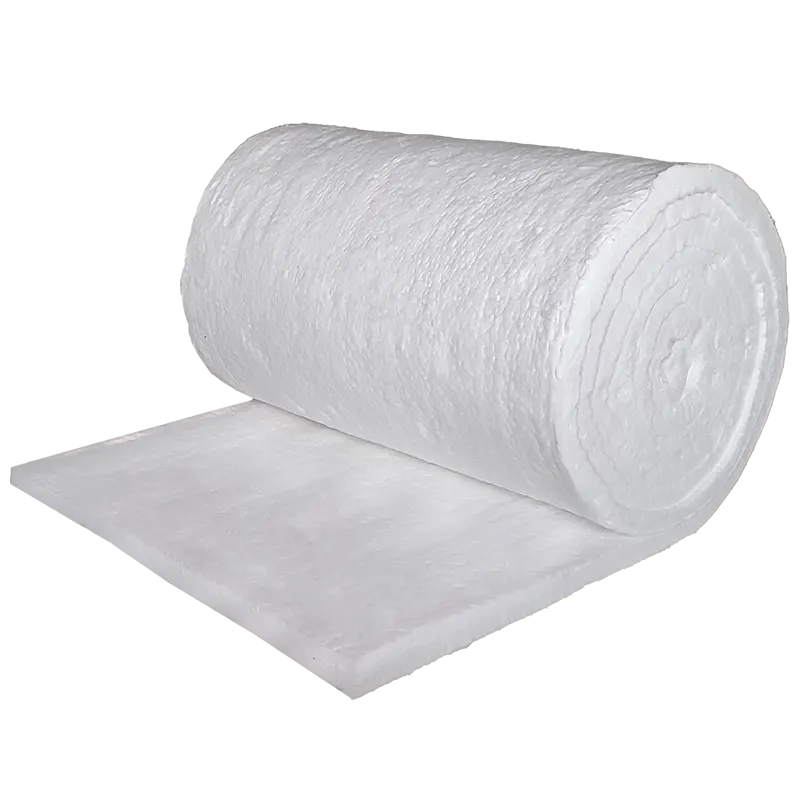
Rock wool, also known as stone wool or mineral wool, isn’t your average home insulation. Made from natural basalt rock and recycled slag, this dense fibrous material offers exceptional thermal, acoustic, and fire-resistant properties. Whether you’re building a new home, upgrading a recording studio, or trying to make your apartment quieter, rock wool is a versatile choice worth considering.
In this guide, we’ll cover everything from what rock wool is to how it works, its pros and cons, and address common concerns about health risks and downsides.
What is Rock Wool?
Origins and Manufacturing
Raw Materials
Rock wool is primarily produced using basalt, a volcanic rock, and industrial slag, a recycled by-product from metal production.
- These materials are selected for their high heat resistance and mineral composition.
- Together, they form the base mixture required for manufacturing rock wool fibers.
- Using recycled slag also enhances the sustainability profile of rock wool.
High-Temperature Melting & Fiber Spinning
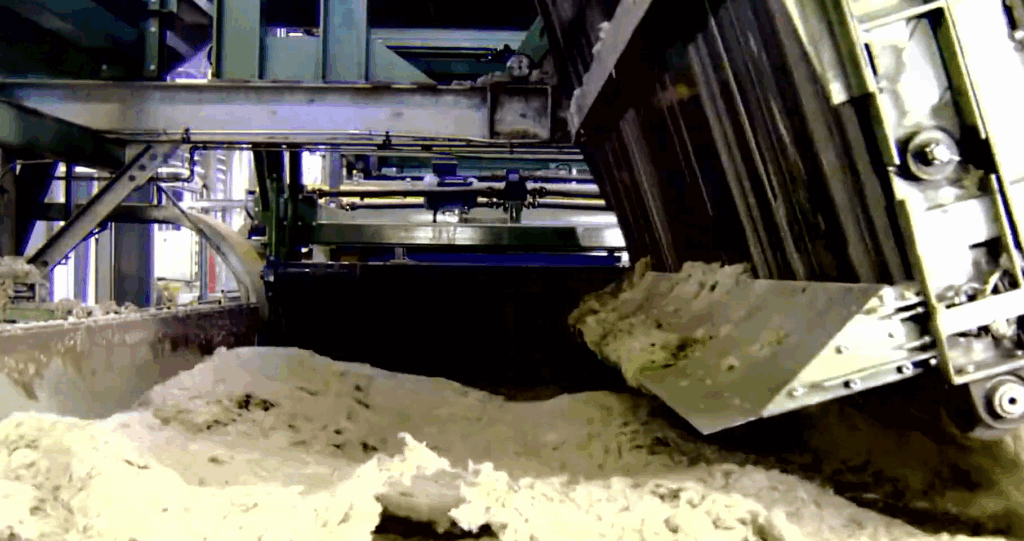
The raw materials are heated to around 1,500°C, transforming them into a molten liquid.
- This molten mixture is spun at high speed—similar to cotton candy—to create long, fine fibers.
- The interlocking fiber network traps air pockets, giving rock wool its strong insulation ability.
- Controlled spinning ensures consistent fiber quality, density, and performance across each batch.
Binder Application & Shaping
As the fibers cool, they are lightly coated with a binder that helps maintain structural integrity.
- The fiber mat is then compressed and cured in an oven.
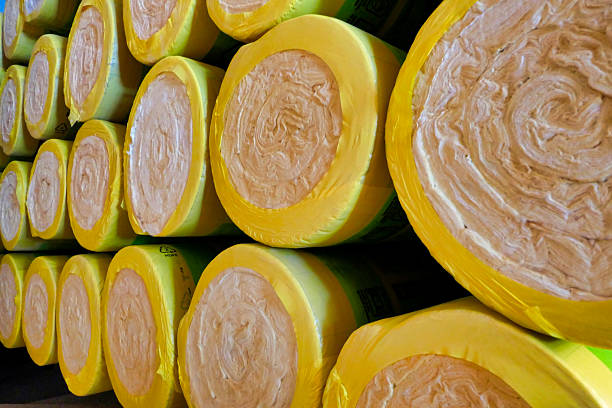
- It is finally shaped into products like batts, rigid boards, rolls, and loose-fill insulation.
- Different densities and thicknesses are produced for diverse insulation needs.
Durability Factor
Rock wool’s mineral composition gives it unmatched durability.
- It is moisture-resistant, helping prevent mold, mildew, and degradation over time.
- The material does not rot, warp, or attract pests, ensuring long-lasting stability.
It remains effective even under extreme temperatures, maintaining insulation performance for decades.
Common Applications
Residential Insulation
Mineral wool is widely used in residential buildings because of its strong thermal performance, noise-reduction capability, and fire resistance.
- Walls and Interior Partitions: Installed inside wall cavities to minimize heat loss, improve indoor comfort, and significantly reduce sound transfer between rooms.
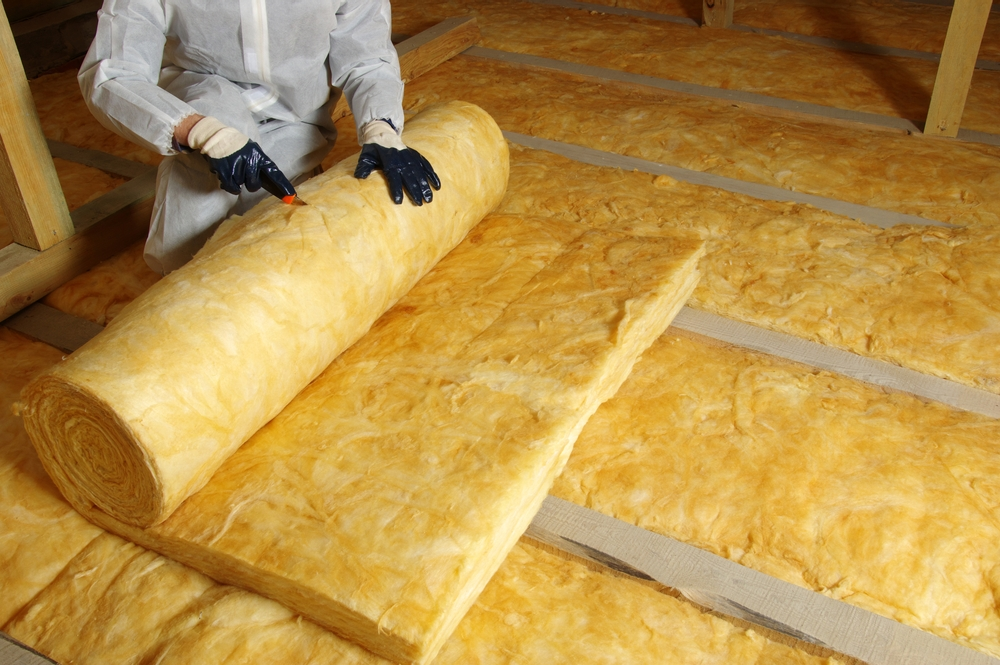
- Attics and Roofs: Since attics are one of the main areas where heat escapes, mineral wool helps homeowners maintain consistent indoor temperatures and lower heating and cooling costs.
- Floors and Basements: When used under flooring or in basement ceilings, it adds an extra layer of acoustic control and moisture resistance, making living spaces quieter and healthier.
Commercial Spaces
In commercial environments, mineral wool is valued for its ability to deliver both sound control and high fire-safety performance.
- Office Buildings: Used in ceilings, partitions, and meeting rooms to reduce ambient noise, enhance privacy, and support a productive work atmosphere.
- Hotels and Hospitality: Hotels rely heavily on sound insulation to ensure guest comfort. Mineral wool helps block noise between guest rooms and hallways, significantly improving the overall experience.
- Theaters and Auditoriums: These spaces require advanced acoustic management. Mineral wool helps absorb sound, reduce echo, and create high-quality audio environments while also meeting strict fire-safety standards.
Industrial Settings
Industrial applications require materials that can withstand heat, vibrations, and constant use — areas where mineral wool performs exceptionally well.
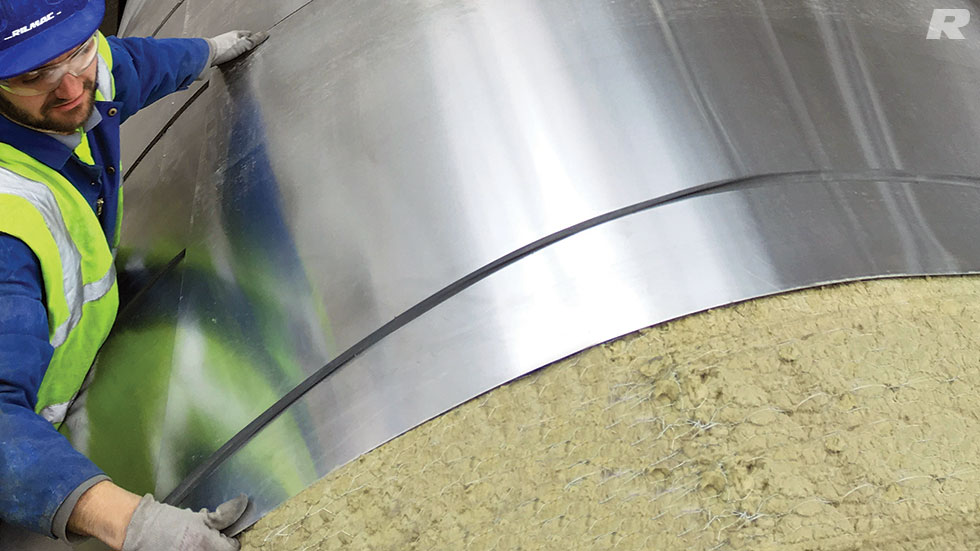
- Manufacturing Plants: Used around pipes, ducts, and production equipment to control heat loss, improve energy efficiency, and maintain stable operating temperatures.
- Machinery Enclosures: Installing mineral wool around loud machinery reduces noise pollution, helping create safer and more comfortable working conditions for employees.
- High-Temperature Zones: Its ability to resist extremely high temperatures makes mineral wool ideal for boilers, furnaces, and other heat-intensive equipment where fire protection and thermal stability are critical.
Rockwool Sound Insulation Benefits
Why It Works for Acoustic Control
- Dense Fiber Structure – Rock wool’s tightly packed fibers trap sound waves, reducing airborne noise.
- Broad Frequency Absorption – Effective for both high and low frequencies, making it great for studios and home theaters.
- Minimal Resonance – Unlike hollow materials, rock wool doesn’t “echo” sound internally, improving sound clarity in rooms.
Is Rockwool a Good Sound Insulator?
Absolutely. Rockwool soundproofing insulation ranks among the top materials for blocking and absorbing noise. In independent lab tests, it consistently outperforms fiberglass when it comes to Sound Transmission Class (STC) ratings and Noise Reduction Coefficient (NRC) values.
Typical Use Cases for Rockwool Soundproofing Insulation
- Home recording studios
- Cinema rooms
- Shared apartment walls
- Office meeting rooms
- Industrial noise barriers
Are There Health Risks with Rock Wool?
Short-Term Exposure Considerations
- Skin Irritation – Direct contact with fibers may cause temporary itchiness or mild rashes.
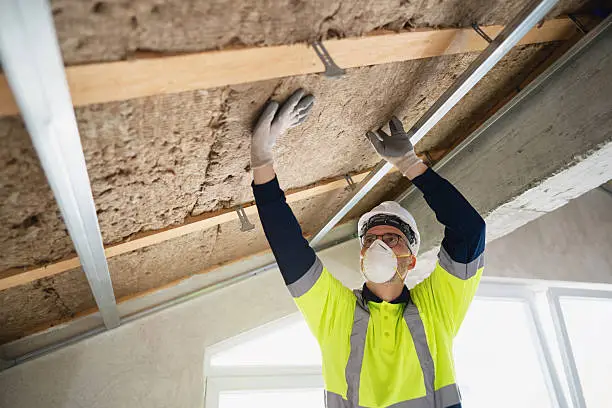
- Respiratory Concerns – Inhaling airborne fibers during installation can irritate the nose and throat, so protective gear is essential.
Long-Term Health Perspective
- Non-Carcinogenic – Modern rock wool is classified as non-carcinogenic by the International Agency for Research on Cancer (IARC).
- Safe Once Installed – After installation, fibers remain contained within wall cavities, posing no ongoing risk.
Best Practices for Safety
- Wear gloves, goggles, and a mask during handling.
- Clean up dust promptly to avoid airborne particles.
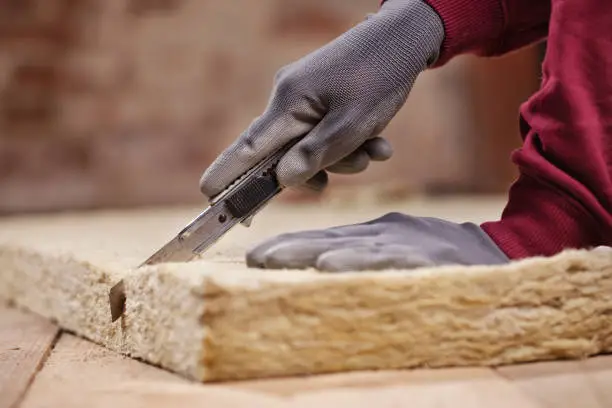
- Use proper cutting tools to minimize loose fibers.
What is the Downside of Rock Wool?
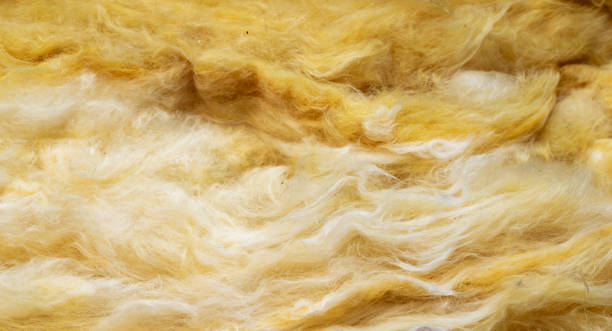
Rock wool—widely known for its excellent thermal and rockwool sound insulation performance—is a top-tier material for both residential and commercial projects.
However, despite its significant advantages, Rock Wool is not without its flaws. The following analysis will comprehensively examine the potential shortcomings and considerations of Rock Wool, focusing on aspects such as cost, installation, weight, humidity management, and other extended performance features.
Cost Considerations
Higher Upfront Price
Rock wool typically comes with a noticeably higher price tag compared to alternatives like fiberglass.
- 20–50% More Expensive – Depending on the brand, density, and application, rock wool can cost significantly more per square foot.
- Impact on Large Projects – For full-house insulation or large commercial builds, the price difference becomes more substantial.
- Premium Performance Comes at a Cost – The superior sound, fire, and thermal benefits contribute to the higher manufacturing cost.
Professional Installation Requirements
Because rock wool performs best when perfectly fitted, some projects may require trained installers.
- Precision Matters – Small gaps reduce both thermal and acoustic performance.
- Specialized Tools – Cutting dense mineral wool cleanly may require proper insulation knives or equipment.
- Extra Labor Cost – Hiring skilled technicians increases the overall project budget.
Weight and Handling
Heavier Material
Rock wool is denser than fiberglass, which can affect installation efficiency.
- More Effort When Lifting – Handling overhead ceiling panels can be physically demanding.
- Extra Support Needed – Heavier boards sometimes require additional fastening or framing.
- Storage & Transport – Bulkier and weightier materials can increase logistics complexity.
Handling Challenges
- More Dust & Fibers – Though less itchy than fiberglass, rock wool can still shed particles.
- Cutting Difficulty – The dense structure makes shaping and trimming more labor-intensive.
Moisture Perception
Not Completely Waterproof
Rock wool is water-resistant, but it is not waterproof.
- Absorbs Moisture Over Time – In cases of prolonged water exposure, the insulation can hold moisture.
- Requires Proper Drying – If waterlogged, its insulating effectiveness decreases until thoroughly dried.
- Not Ideal for Flood-Prone Areas – In environments with persistent humidity issues, extra vapor barriers may be necessary.
Other Benefits Beyond Soundproofing
Despite some drawbacks, Rock Wool’s core strengths remain very prominent, especially in terms of sound insulation, fire resistance, and energy efficiency.
Fire Resistance
Rock wool is one of the safest insulation materials in fire-prone environments.
- Withstands 1,000°C+ – It does not melt, burn, or release toxic smoke.
- Acts as a Fire Barrier – Helps slow the spread of flames in walls and ceilings.
- Ideal for Commercial Codes – Meets stringent fire-safety requirements for industrial and high-rise buildings.
Thermal Efficiency
Besides sound insulation, rock wool provides superior thermal regulation.
- Excellent Heat Retention – Keeps interiors warm during winter with minimal energy loss.
- Heat Resistance in Summer – Reduces heat transfer, lowering cooling costs.
- Stable Over Time – Maintains performance even after decades of use.
Sustainability
Rock wool is considered one of the greener insulation materials on the market.
- Derived From Natural Basalt Rock – Made from abundant volcanic minerals.
- Recycled Content – Many products incorporate recycled slag or other materials.
- Long Lifespan – Reduces the need for frequent replacement, lowering environmental impact.
FAQ
Q1: Is rock wool better than fiberglass for soundproofing?
Yes. Rock wool is generally considered more effective than fiberglass for soundproofing due to several key factors:
- Higher Density: Rock wool has a greater material density, which allows it to block and absorb more airborne noise.
- Better Sound Absorption Coefficient: It typically offers superior NRC (Noise Reduction Coefficient), meaning it absorbs a wider range of frequencies more efficiently.
Enhanced Fire Resistance: In addition to acoustic performance, rock wool’s non-combustible nature adds an extra layer of safety — something fiberglass cannot match to the same degree.
Q2: Can rock wool get moldy?
No. Rock wool does not support mold growth because:
- It is an inorganic material made from volcanic rock, so it contains no organic nutrients that mold needs to survive.
- Highly moisture-resistant, rock wool repels water rather than absorbing it, lowering the risk of mold in humid or moisture-prone areas.
Ideal for basements, bathrooms, and exterior walls, rock wool maintains its structural integrity even in environments where traditional insulation materials may degrade or harbor mold.
Q3: How long does rock wool last?
Rock wool is extremely durable and can last the entire lifetime of a building.
- Non-degrading composition: Its mineral-based structure does not break down over time the way some other insulation materials might.
- Maintains thermal and acoustic performance: Rock wool typically retains its insulating properties for decades without sagging or losing density.
- Resistant to fire, moisture, and pests: These qualities further extend its lifespan, making rock wool a long-term, low-maintenance insulation solution.
Often outlives building components: In many cases, rock wool only needs replacement if the building itself undergoes renovation or structural changes.
Conclusion: Rock Wool — A Smart Investment for Quiet, Comfortable Spaces
Rock wool offers exceptional sound control, fire resistance, and thermal performance, making it a smarter long-term choice than standard insulation. Its durability and reliable rockwool sound insulation ensure consistent comfort and protection for residential, commercial, and industrial spaces.
If your goal is to reduce noise, improve energy efficiency, or enhance fire safety, rock wool delivers dependable performance for decades.
Looking for high-quality rock wool insulation?
Visit chinathermalinsulation.com to explore premium products and get expert support for your next project.