Когда дело доходит до высокоэффективной изоляции, последовательно появляются два материала: керамическое волокно и стекловолокно. Оба имеют свои уникальные сильные стороны и области применения., но как выбрать подходящий для вашего проекта?
Изолируете ли вы промышленное оборудование, коммерческие помещения, или даже жилые проекты, понимание различий может сэкономить вам время, деньги, и головные боли. В этом руководстве, мы подробно изложим все, что вам нужно знать, доступный, но профессиональный подход.
| Особенность / Аспект | Керамическое волокно | Стекловолокно (Стеклянная шерсть) |
| Состав материала | Волокна оксида алюминия и кремнезема | Кварцевый песок и переработанное стекловолокно |
| Доступные формы | Одеяла, доски, модули, изоляционная лента из керамического волокна | Баттс, рулоны, рыхлая засыпка, жесткие панели |
| Температурная устойчивость | До ~2300°F (1260°С) | До ~1000°F (538°С); температура плавления стеклопластика ~1400–1600°С. |
| Акустические характеристики | Минимальное звукопоглощение | Сильное звукопоглощение, идеально подходит для стен и потолков |
| Долговечность | Сохраняет целостность при экстремальных температурах и термических циклах. | Хорошо работает в умеренных условиях; может деградировать под действием влаги или высокой температуры |
| Расходы | Более высокая первоначальная стоимость | Более экономичный и широко доступный через поставщиков стекловаты или поставщик изоляции из минеральной ваты сети |
| Основные приложения | Промышленные печи, печи, котлы, высокотемпературное оборудование, тепловые барьеры | Жилые и коммерческие здания, ОВиК, акустическая изоляция, общая теплоизоляция |
Что такое керамическое волокно?
1. Определение и состав
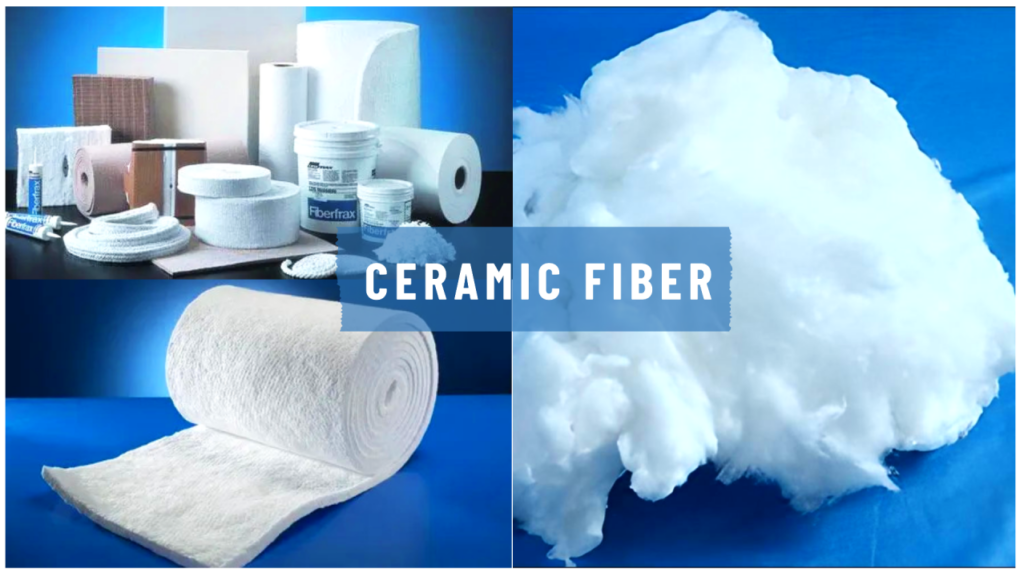
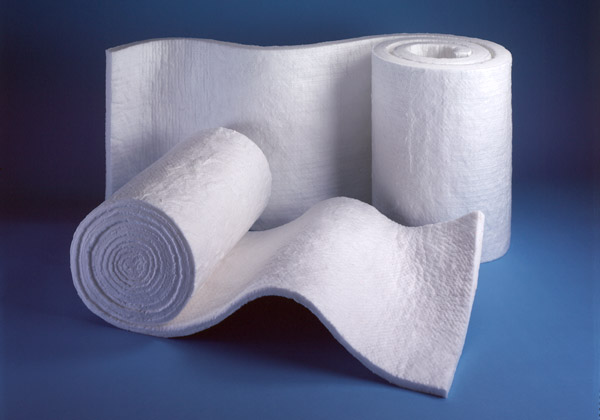
Керамическое волокно — это тип огнеупорной изоляции, изготовленной из оксида алюминия и кремнезема.. Это легкий, термостойкий, и обычно используется в высокотемпературных промышленных средах.
- Основные материалы
Изготовлен из волокон оксида алюминия и кремнезема высокой чистоты, которые образуют плотную, термостойкий коврик.
- Температурная устойчивость
Может выдерживать экстремальные температуры, не деформируясь и не разрушаясь..
- Гибкость
Несмотря на свою термостойкость, керамическое волокно гибкое, его легко разрезать на различные формы или обернуть вокруг оборудования..
- Доступные формы
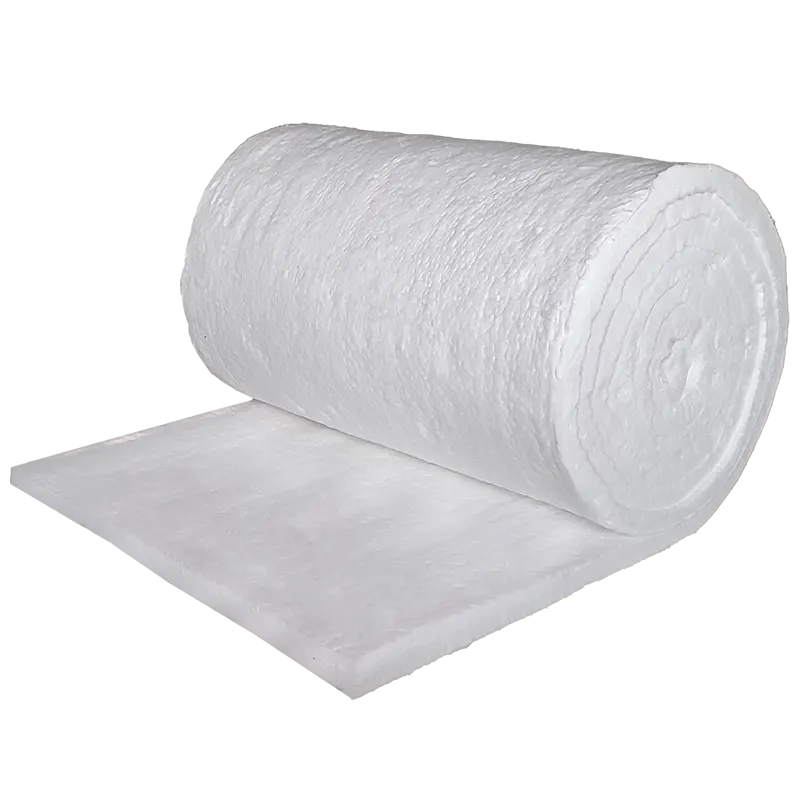
Доступно в виде одеял., доски, модули, и изоляционная лента из керамического волокна для обертывания труб и соединений..
2. Типичные приложения
Керамическое волокно предпочтительнее в условиях, где решающее значение имеет высокая термостойкость..
- Промышленные печи и печи
- Печи и котлы для термообработки
- Противопожарные двери и панели
- Изоляция труб изоляционной лентой из керамического волокна.
- Тепловые барьеры на производственных предприятиях
Что такое стекловолокно?
1. Определение и состав
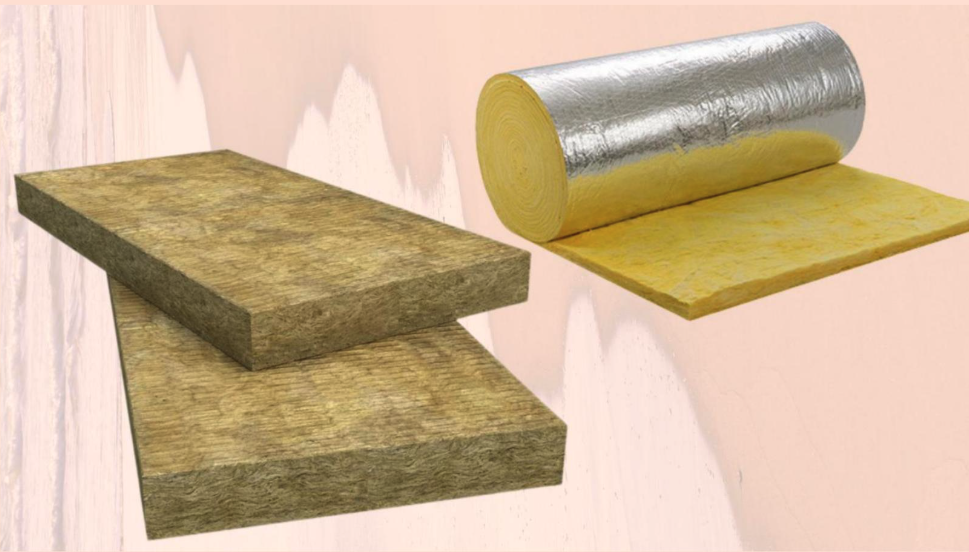
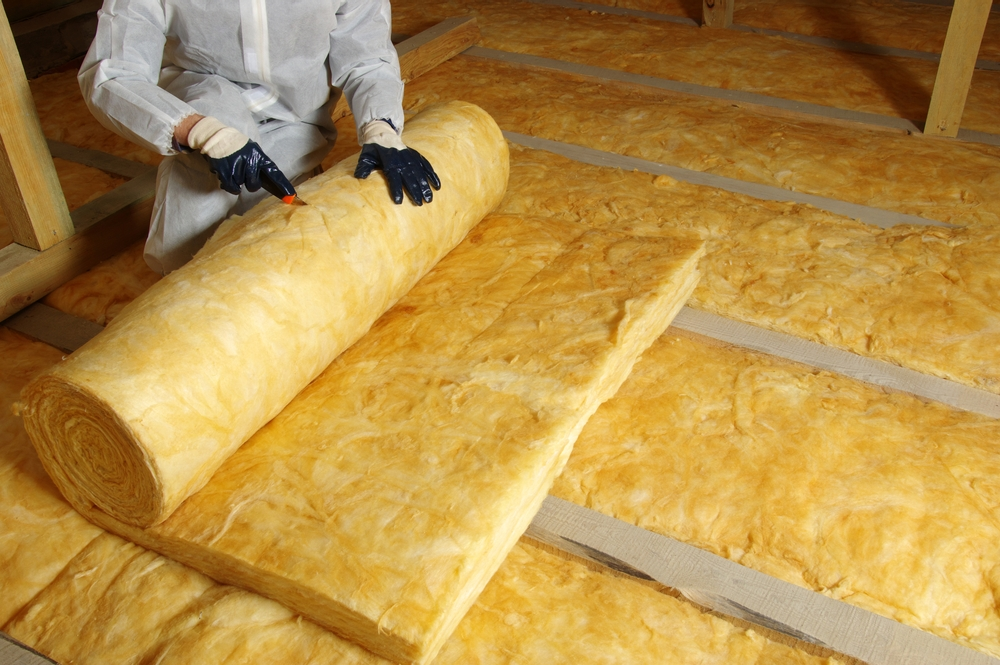
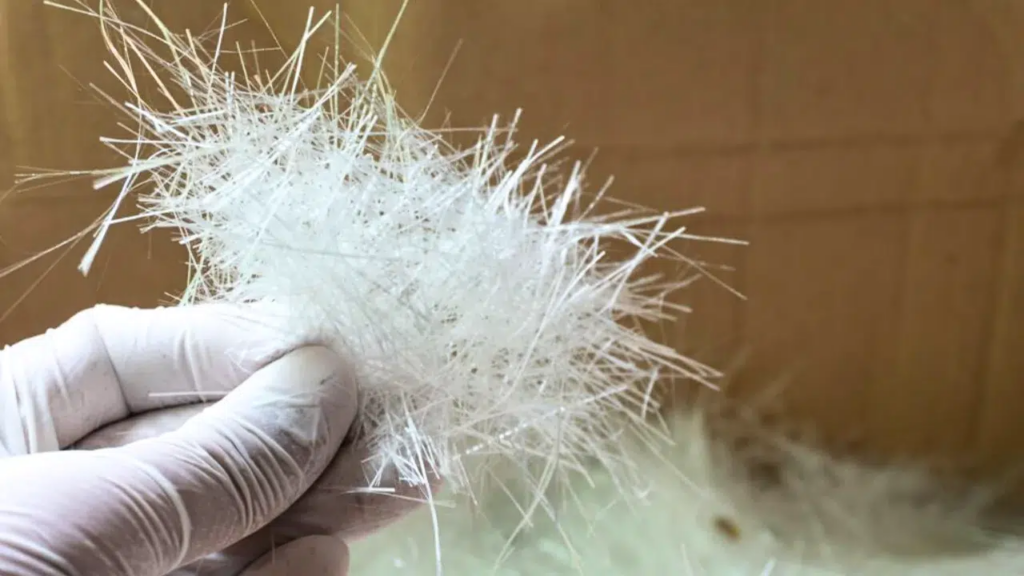
Изоляция из стекловолокна, также известный как стекловата, изготовлен из тонких стеклянных волокон, скрученных в пушистый коврик.. Широко используется для тепло- и звукоизоляции жилых помещений., коммерческий, и промышленные здания.
- Основные материалы: В основном изготовлен из кварцевого песка и переработанного стекла..
- Термические свойства: Обеспечивает отличную изоляцию в умеренных температурных диапазонах..
- Акустические свойства: Поглощает звуковые волны, что делает его идеальным для стен и потолков.
- Доступные формы: Баттс, рулоны, рыхлая засыпка, и жесткие панели.
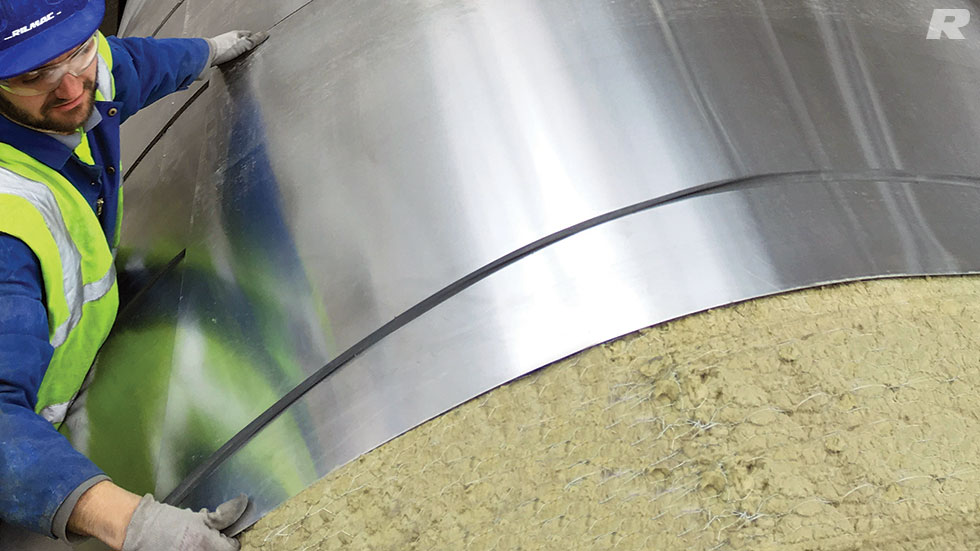
- Примечание по ключевым словам: Доступно через доверенных стекловата поставщиков, а иногда и в сочетании с вариантами минеральной ваты через поставщика изоляции из минеральной ваты.
2. Общее использование
Стекловолокно универсально и широко применяется в строительстве зданий..
- Утепление стен и потолка
- изоляция воздуховодов системы вентиляции и кондиционирования
- Звукоизоляция жилых и коммерческих помещений
- Легкие панели в промышленных проектах
- Усиление кровельных и трубопроводных систем.
Керамическое волокно против. Стекловолокно: Ключевые различия
1. Температурная устойчивость
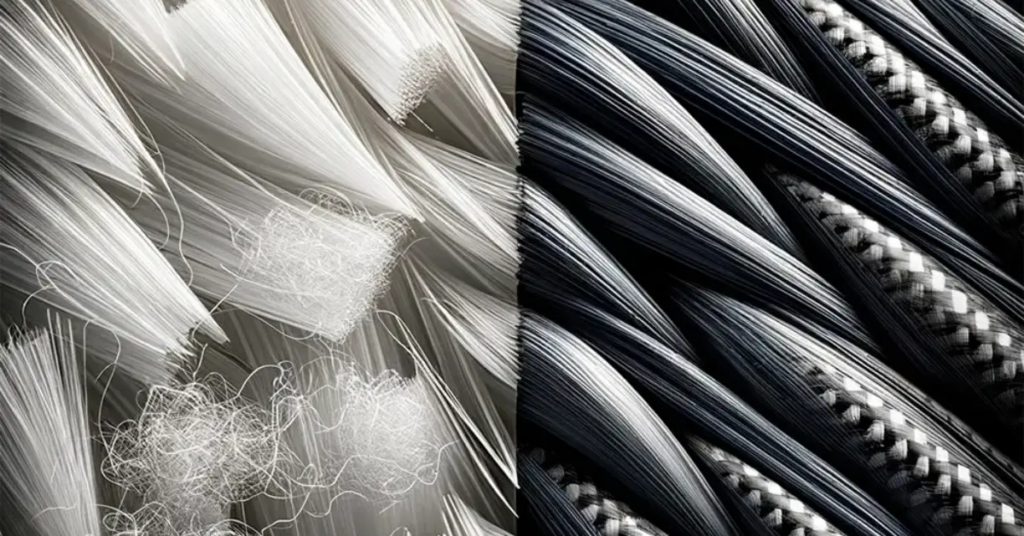
- Керамическое волокно: Выдерживает температуру до 2300°F. (1260°С) или выше, что делает его пригодным для применения в условиях экстремально высоких температур.
- Стекловолокно: Обычно выдерживает температуру до 1000°F. (538°С), в зависимости от сорта продукта. The температура плавления стекловолокна обычно составляет около 1400–1600 ° C., но эффективность изоляции падает при более низких устойчивых температурах.
- Заключение: Для промышленного применения при высоких температурах, керамическое волокно – явный победитель.
2. Долговечность и срок службы
- Керамическое волокно: Сохраняет целостность в экстремальных термических циклах и в условиях высоких напряжений..
- Стекловолокно: Хорошо работает в умеренных условиях, но может со временем ухудшиться при воздействии влаги или чрезмерного тепла..
- Заключение: Долгосрочные промышленные показатели благоприятствуют керамическому волокну, в то время как стекловолокно отлично подходит для изоляции жилых и коммерческих помещений..
3. Установка и гибкость
- Керамическое волокно: Гибкость и доступность в индивидуальных формах, таких как лента., одеяла, или доски; легко обертывать неровные поверхности.
- Стекловолокно: Доступен в батах, рулоны, и рыхлая заливка; легче для полостей стен и потолков, но менее адаптируется к сложным формам.
- Заключение: Для труб, изогнутое оборудование, или модернизация, керамическое волокно (особенно изоляционная лента из керамического волокна) предлагает большую универсальность.
4. Соображения стоимости
- Керамическое волокно: Более высокие первоначальные затраты из-за использования специализированных термостойких материалов..
- Стекловолокно: Более бюджетно; широко доступен у поставщиков стекловаты или комбинированных предложений через сети поставщиков изоляции из минеральной ваты.
- Заключение: Стекловолокно идеально подходит, когда стоимость является приоритетом., керамическое волокно, когда требуется экстремальная производительность.
5. Акустические характеристики
- Стекловолокно: Сильное звукопоглощение, широко используется для акустического контроля.
- Керамическое волокно: Минимальное звукопоглощение; Основное назначение – термостойкость.
- Заключение: Для приложений контроля шума, стекловолокно предпочтительнее.
Изоляция керамического волокна: Преимущества и недостатки
Преимущества:
- Чрезвычайно высокая термостойкость
- Гибкость и универсальность для промышленного применения
- Доступно в одеялах, доски, и изоляционная лента
- Длительный срок службы в суровых условиях
Недостатки:
Более высокая стоимость по сравнению со стекловолокном.
- Может выделять мелкую пыль во время обработки; требует защитного снаряжения
- Не идеален для звукоизоляции или стандартной изоляции зданий.
- Менее доступен, чем стекловолокно.
Изоляция из стекловолокна: Плюсы и минусы
Преимущества:
- Экономичный и широко доступный
- Отличная звуко- и теплоизоляция зданий.
- Легко монтируется в стены, потолки, и полы
- Совместимость со многими строительными приложениями.
Недостатки:
- Более низкая термостойкость, чем у керамического волокна.
- Производительность может ухудшиться при воздействии влаги
- Менее подходит для экстремальных промышленных условий.
О RPower — вашем надежном партнере в области изоляции
Очень важно правильно выбрать изоляционный материал, но партнерство с надежным поставщиком имеет решающее значение. В Китайская компания по теплоизоляции, ООО., мы специализируемся на высокоэффективной промышленной и строительной изоляции, включая керамическое волокно, стекловолокно, минеральная вата, и многое другое.
Почему работать с нами?
- Профессиональная продукция от сертифицированных производителей.
- Индивидуальные решения для промышленных и коммерческих проектов
- Получение от проверенных поставщики стекловаты и поставщик изоляции из минеральной ваты сети
- Быстрая доставка и техническая поддержка.
- Конкурентоспособные цены на оптовые и проектные заказы.
Нужна ли вам высокая температура изоляционная лента из керамического волокна или экономичная изоляция из стекловолокна, мы предоставляем надежные решения, адаптированные к вашим потребностям.
👉 Связаться с нами сегодня для получения предложения или экспертного совета!
Выбор между керамическим волокном и стекловолокном
1. Решение на основе приложения
- Высокотемпературные промышленные процессы → керамическое волокно
- Изоляция жилых и коммерческих зданий → стекловолокно
- Трубы, неровные поверхности, или модернизация → керамическое волокно с лентой
2. Бюджетные соображения
- Стекловолокно — экономически эффективный выбор для стандартной изоляции.
- Керамическое волокно — это инвестиция в долговечность при экстремальных температурах.
3. Безопасность и обращение
- Оба материала, как правило, безопасны при соблюдении надлежащих мер предосторожности.
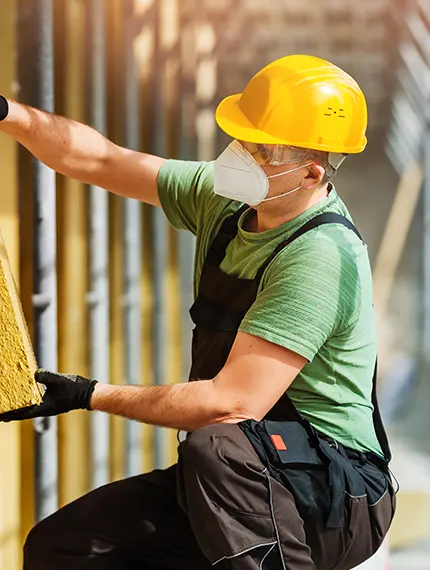
- Стекловолокно требует перчаток, маски, и длинные рукава во время установки
- Обращение с керамическим волокном также выигрывает от пылезащитных масок., перчатки, и защитная одежда
Заключительные мысли: Какой утеплитель выбрать?
Выбор между керамическим волокном и стекловолокном сводится к температурным требованиям., бюджет, и приложение. Керамическое волокно отличается промышленной термостойкостью и гибкостью, особенно с изоляционной лентой из керамического волокна для труб и оборудования. Стекловолокно экономически выгодно, широко доступен, и идеально подходит для изоляции зданий, акустический контроль, и общие тепловые характеристики.
Понимая эти различия и используя проверенных поставщиков стекловаты или поставщика изоляции из минеральной ваты., вы можете сделать лучший выбор для нужд вашего проекта.
Если вы отдаете предпочтение высокой термостойкости, звукопоглощение, или экономическая эффективность, это руководство дает ясность, необходимую для принятия обоснованного решения.