Skip to content
The critical decision of Glasswool vs Polyester Insulation directly impacts a project’s long-term energy expenditure, regulatory compliance, and occupant well-being. Mismanaging this choice can lead to significant operational inefficiencies, non-adherence to building codes, and escalated long-term facility costs. For B2B stakeholders, understanding the nuances between these two primary insulation materials is essential to mitigating financial risks and ensuring optimal building performance.
This guide provides a definitive technical framework for evaluating glasswool and polyester insulation. We delve into their material composition, thermal capabilities, fire and moisture resistance, and acoustic performance. You will gain insight into installation requirements, health considerations, and cost implications, allowing you to select the precise insulation type that aligns with your project’s specifications and operational objectives.
Glasswool vs Polyester at a Glance
Glasswool remains the industry standard for cost-effective, broad thermal and acoustic performance, while polyester insulation captures market share in health-sensitive and sustainability-driven projects due to its handling and recycled content.
Material Overview and Market Position
Glasswool maintains its position as a dominant, cost-effective insulation choice, delivering broad thermal and acoustic performance. Polyester insulation, on the other hand, increasingly gains market share. This growth comes from its soft handling characteristics and the absence of breathable fibers, which appeal to a different segment of the market.
| Characteristic | Glasswool | Polyester |
|---|---|---|
| Market Standing | Dominant, cost-effective standard for broad performance | Gaining share in health-sensitive, sustainability-focused niches |
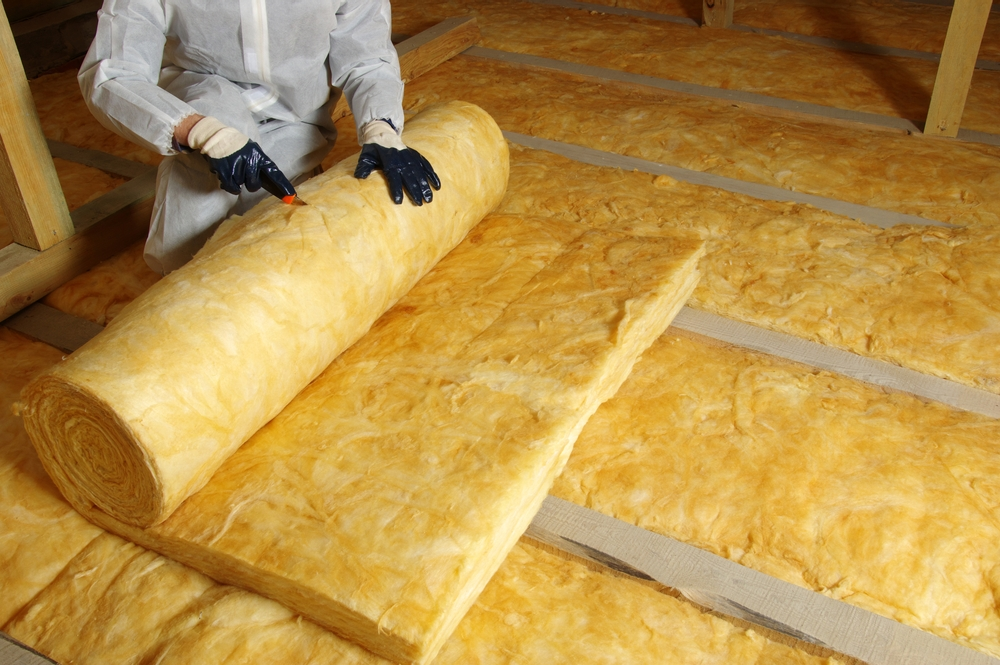
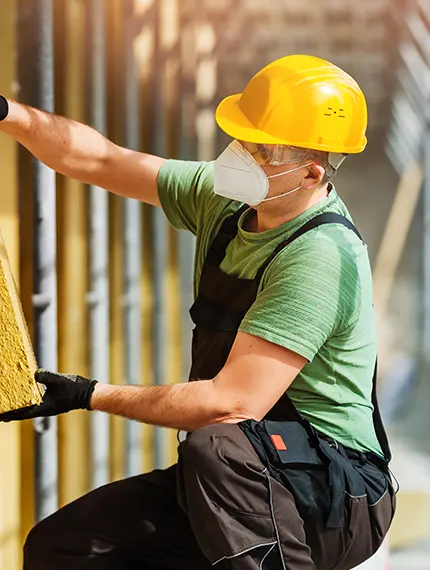
| Handling & Comfort | Can cause irritation; PPE strongly recommended | Non-itchy, low-dust, easier handling without significant PPE |
| Health Profile | Safe with correct installation; widely regulated | Preferred for health-sensitive environments (allergy/asthma-prone) |
| Recycled Content | Often includes recycled glass | Frequently uses recycled PET plastics (e.g., bottles) |
| Typical Cost (R4.0) | AU$8-12 per m² | AU$10-15 per m² |
| Fire Behavior | Non-combustible (A1 rating common) | Fire resistant, melts away from flame (B-class common) |
Health and Environmental Aspects
Polyester insulation finds favor in applications where health and environmental considerations are paramount. It is often made from recycled PET, which supports sustainability initiatives. Its lack of breathable fibers contributes to better indoor air quality. While glasswool is widely used, it does not typically highlight these specific health-related advantages in direct comparison.
Application Suitability
Glasswool serves as a primary option for general thermal and acoustic needs across residential and light commercial buildings. Polyester, on the other hand, is increasingly selected for environments that prioritize health and projects with a strong focus on sustainability. This includes situations demanding low dust and non-irritating materials.
Key Market Drivers
The insulation market for both materials responds to evolving demands. Stricter energy codes are a major influence, pushing for improved thermal performance. Growing concerns over indoor air quality also impact material selection. Furthermore, an increasing preference for products made from recycled materials drives innovation and shifts market dynamics for both glasswool and polyester solutions.
Material Composition
Glasswool, derived from molten glass, and polyester, from recycled PET, each offer distinct advantages in composition, influencing their application in varied insulation projects.
Glasswool Material Properties
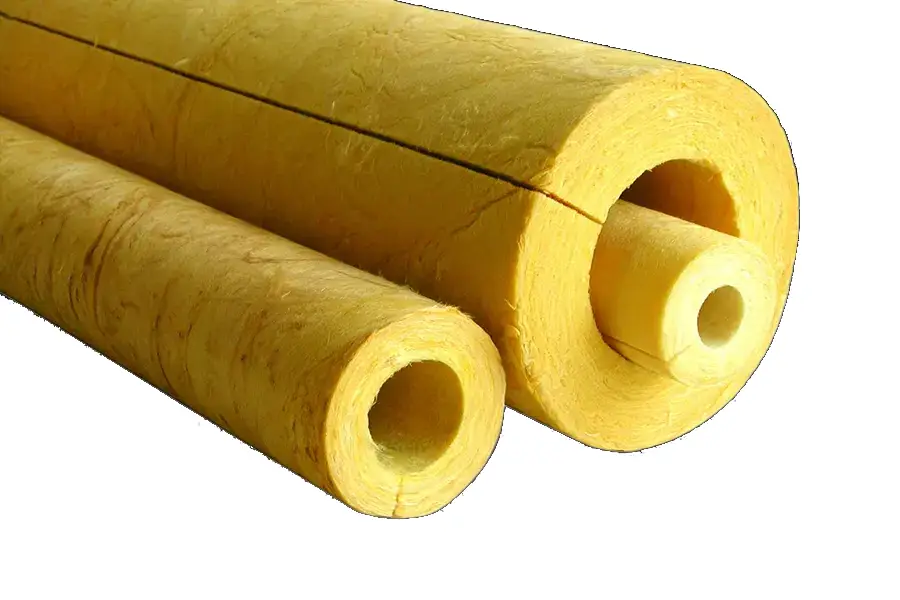
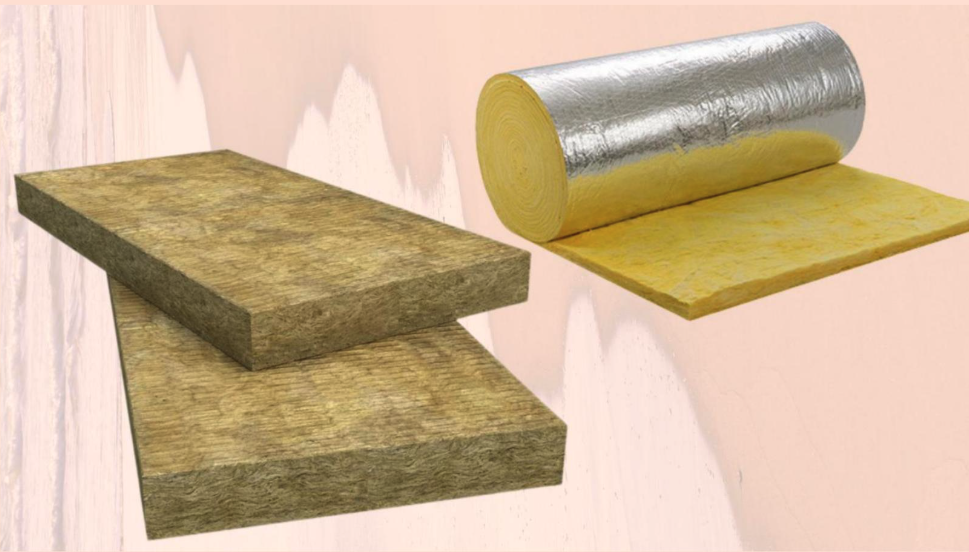
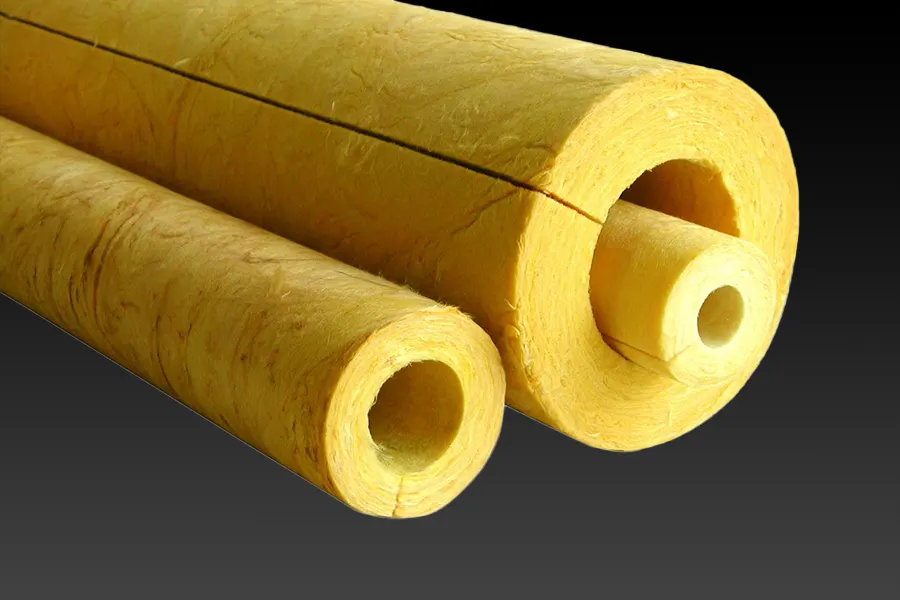
Glasswool insulation starts as molten glass, often incorporating significant recycled glass content. Manufacturers spin this molten material into fine fibers, then bond these fibers to create various insulation formats like blankets or batts. This composition provides effective thermal and acoustic insulation, making glasswool a cost-effective choice for many projects.
Polyester Material Properties
Polyester insulation uses polyester fibers, frequently derived from recycled PET plastics. This material composition lends itself to safer handling during installation, as it typically avoids the skin irritation associated with glasswool. Polyester also offers improved moisture resistance, making it suitable for projects prioritizing occupant health and environmental factors, though it usually comes at a higher cost and may have slightly lower thermal performance per thickness compared to glasswool.
Sustainability in Material Choices
Sustainability increasingly shapes material choices in insulation, with recycled content emerging as a key differentiator for both glasswool and polyester. Glasswool often incorporates recycled glass, reducing overall waste. Polyester frequently utilizes recycled PET plastics, supporting circular economy initiatives by diverting plastic from landfills. This focus on recycled materials allows both glasswool and polyester to address the evolving demands of environmentally conscious construction and industrial applications.
Elevate Projects with Custom Glass Wool Insulation
Thermal Performance Comparison
Glasswool consistently leads in thermal efficacy due to its lower conductivity, typically requiring less thickness for comparable R-values, while polyester insulation suits projects prioritizing factors beyond pure thermal performance.
Glasswool: Thermal Conductivity and Efficiency
Glasswool maintains its position as a highly efficient insulation material. It offers effective thermal conductivity. This property is vital for maintaining consistent indoor temperatures and reducing energy consumption in various building types. In 2026, glasswool products typically show thermal conductivity values around 0.035–0.044 W/mK.
Glasswool’s superior conductivity allows it to retain heat effectively during cold periods and exclude heat during warm periods. It remains a primary choice for achieving high thermal efficiency in residential and light commercial building envelopes where performance per unit of thickness and cost are critical.
Polyester: Thermal Performance Profile
Polyester insulation presents a different thermal profile. Its inherent thermal performance is generally lower per unit of thickness compared to glasswool. This means a polyester batt typically requires greater material depth to achieve R-values comparable to glasswool.
While thermal efficiency is not polyester’s strongest attribute, other product characteristics often drive its selection. These can include factors like low irritancy or ease of handling, which specifiers consider alongside thermal efficacy for specific project requirements.
Comparative Thermal Efficacy
A direct comparison shows glasswool holds the lead in thermal efficacy. Its inherently lower thermal conductivity translates to better insulation performance. Polyester is less thermally efficient; therefore, you need more material to match glasswool’s insulating capabilities for a given R-value.
Insulation decisions in 2026 involve balancing high thermal performance with other factors. These include health considerations, installation comfort, and overall project cost. Glasswool often provides the optimal balance for thermal efficiency and cost-effectiveness.
| Performance Aspect | Glasswool Insulation | Polyester Insulation |
|---|---|---|
| Thermal Conductivity (W/mK) | 0.035–0.044 (generally lower) | Generally higher (less efficient) |
| R-value per unit thickness | Achieves higher R-values for the same thickness | Requires greater thickness for equivalent R-values |
| Thickness for target R-value | Less material thickness needed | More material thickness needed |
| Thermal Efficiency per Dollar | Higher | Lower (typically higher cost for equivalent R-value) |
Fire Resistance
Fire resistance is a critical factor in insulation choice; glasswool excels as a non-combustible material, while polyester melts, requiring fire-retardant treatments.
Glasswool’s Non-Combustible Properties
Glasswool maintains its position for stringent fire safety regulations because of its inherent non-combustible nature. As a mineral wool, it performs strongly in fire scenarios. Engineers and builders commonly specify glasswool for walls, lofts, and cavities where fire safety and cost-effectiveness are paramount.
Polyester’s Reaction to Fire
Polyester insulation, made from spun plastic fibers, reacts differently to flame exposure. It typically melts away from the flame rather than sustaining combustion. However, this process can generate smoke and toxic gases. Manufacturers often apply fire-retardant treatments to enhance polyester’s fire safety performance.
Regulatory and Market Considerations
Building codes continue to become more rigorous, making fire resistance a central factor in insulation selection. The market balances fire safety with practical considerations like handling ease, along with health and environmental impacts. Project specifications must address these diverse requirements when choosing between insulation types.
Moisture Resistance
Polyester insulation excels in moisture resistance, maintaining thermal performance in damp conditions and reducing mold risk, whereas glasswool loses effectiveness when wet, compromising its insulation properties.
Polyester’s Moisture Performance
Polyester insulation consistently maintains thermal performance even in damp or humid environments. Its inherent moisture resistance significantly reduces the risks of mold growth and material degradation. For projects in condensation-prone or high-humidity areas, polyester is often the preferred choice due to its stable performance.
Glasswool’s Moisture Sensitivity
Glasswool insulation’s effectiveness drops significantly when it absorbs moisture. When wet, its primary thermal insulation capabilities are compromised. Severe saturation often requires either extensive drying or complete replacement to restore its intended performance.
Impact on Thermal Efficiency
Moisture directly impairs any insulation’s ability to retain heat. Wet insulation simply fails to prevent heat transfer efficiently, which leads directly to higher energy consumption. Furthermore, consistent moisture presence accelerates material degradation, shortening the lifespan of the insulation system.
Evolving Industry Standards
Building codes and energy-efficiency standards are tightening significantly in 2026. This makes moisture performance a critical selection factor for all insulation materials. This regulatory push increases the use of polyester, particularly in environments prone to high humidity or condensation, where its resistance is a major asset.
Acoustic Performance
Glasswool generally delivers superior sound absorption compared to polyester, a critical factor for achieving high-performance acoustic insulation in architectural systems.
Comparing Acoustic Performance: Glasswool and Polyester
Glasswool typically outperforms polyester in sound absorption. Its higher density is the primary reason for this. While polyester offers good acoustic properties, you generally need more material thickness to achieve glasswool’s sound absorption levels.
Key Differentiators in Sound Absorption
Material properties directly dictate sound absorption effectiveness. Glasswool’s higher density and specific fiber structure contribute to its strong sound absorption. By 2026, we see it as particularly effective in high-performance wall and ceiling systems. We can optimize polyester insulation’s acoustic effectiveness by increasing its thickness.
Market Drivers for Acoustic Insulation Adoption
Stricter global building standards increasingly demand enhanced acoustic performance. This pushes for better sound insulation in all structures. A growing emphasis on occupant comfort also drives market demand for effective sound solutions. We observe a clear preference for high-density insulation batts and double-stud partitions in new construction projects.
Evolving Considerations for Material Selection
Beyond raw sound absorption, material selection now includes health, handling comfort, and recyclability. Focus on the health and comfort of installers during insulation work is growing. Recyclability is also a significant factor in procurement decisions today. These evolving considerations contribute to the steady growth of polyester-based acoustic solutions.
Health and Installation Considerations
Choosing insulation often means weighing material properties against health impacts, installation practicalities, and long-term building performance.
Occupant Health Impact
Polyester insulation generally offers a better option for health-sensitive or allergy-prone occupants. It produces less dust and does not cause skin irritation, making it a more comfortable choice during and after installation. This clean handling comes at a higher cost than some other insulation types.
Glasswool Health Research
Modern building-grade glasswool has undergone extensive studies. Major reviews and agencies confirm no consistent evidence links it to increased cancer risk when installers respect proper exposure limits. It remains a widely accepted material for various projects.
Installation Safety Guidelines
Proper installation for any insulation material requires specific safety measures. Installers must use correct Personal Protective Equipment (PPE), focus on safe cutting methods, and implement effective dust control. This ensures a safe working environment and mitigates potential risks associated with material handling.
Balancing Performance and Health
Specifiers consistently balance health factors with other critical performance aspects. They consider fire resistance, thermal efficiency, and moisture behavior, alongside occupant health and installation comfort. These factors collectively drive the final insulation choice for a given project, ensuring the solution meets all operational and safety requirements.
Cost Comparison
Glasswool typically remains the more economical insulation choice, offering robust thermal performance at a lower price point, while polyester’s premium reflects its cleaner handling, perceived health benefits, and moisture resistance.
Material Cost Ranges
Comparing typical installed costs shows clear price differences between glasswool and polyester insulation. Glasswool insulation, used for bulk ceiling and wall applications, generally costs AU$6–10 per square meter. Polyester for similar uses falls into a higher range, typically AU$11–15 per square meter.
Value Proposition of Glasswool
Glasswool frequently offers a more economical option. It provides competitive, often superior, thermal performance for less money. This makes it the default choice for projects prioritizing cost-efficiency and mainstream applications.
Justifying Polyester’s Premium
Polyester insulation’s higher price point aligns with specific advantages beyond basic thermal performance. Its premium is justified by cleaner, non-irritating handling during installation, perceived health benefits for occupants, and its contribution to enhanced acoustic comfort within spaces.
Best Applications for Each Material
Selecting insulation requires a clear understanding of project demands, balancing thermal performance, fire resistance, health considerations, and cost efficiency.
Glasswool’s Role in Industrial and Structural Projects
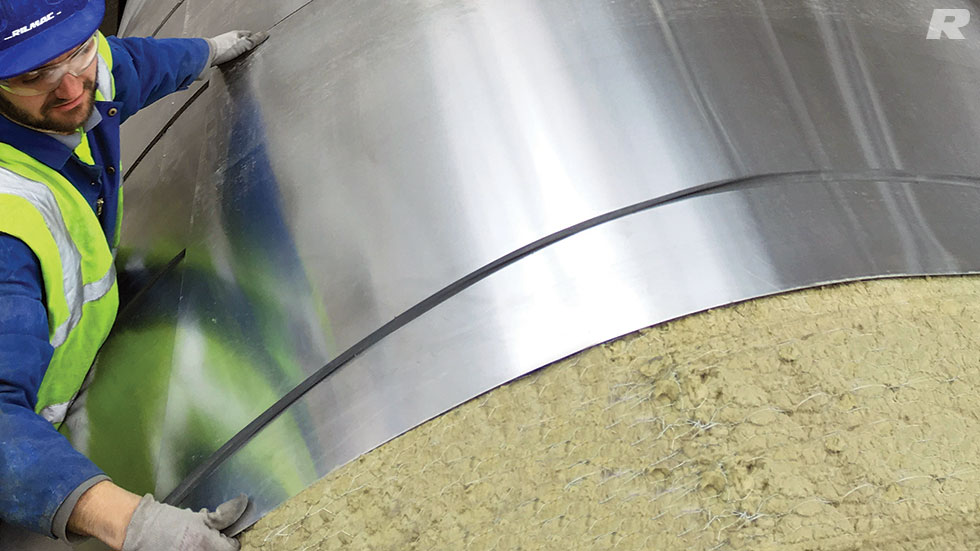
Glasswool, a fibrous glass insulation, consistently performs in demanding industrial and structural applications. It is a default selection for high-performance thermal and acoustic insulation requirements. Engineers and contractors commonly specify glasswool for walls, roofs, and industrial equipment across various sectors due to its proven efficacy. Its key advantages include inherent fire resistance and cost efficiency, making it suitable for a broad spectrum of large-scale applications.
Polyester’s Use in Residential and Health-Sensitive Spaces
Polyester insulation finds its place where factors like low dust, easier handling, and environmental benefits take precedence. We see it frequently in residential retrofits, educational institutions, and healthcare facilities. Installers favor polyester for its non-irritant properties and simpler handling during installation. It also aligns well with sustainability goals, often incorporating recycled materials and promoting better indoor air quality, which directly supports occupant health.
Matching Insulation to Project Needs
Choosing the right insulation involves a direct assessment of a project’s specific needs, performance targets, environmental impact, and budget. For industrial applications demanding robust fire resistance and thermal performance at a competitive price point, glasswool is typically the correct choice. Conversely, prioritize polyester in settings where occupant health, minimal dust during installation, ease of handling, and sustainability are paramount concerns. The optimal material selection depends on effectively balancing these critical performance, health, and economic factors for each unique application.
Which Insulation Is Right for Your Project?
Selecting the correct insulation material demands a clear understanding of project priorities, balancing thermal and acoustic performance with critical factors like fire safety, occupant health, and long-term value.
Assessing Your Project’s Core Requirements
Project requirements dictate insulation choices. Start by evaluating the specific thermal and acoustic performance levels your application demands. You must also account for regulatory compliance, local building codes, and fire safety mandates.
Health considerations for occupants, especially in allergy-sensitive environments, heavily influence material selection. Factor in your sustainability goals, including the desire for recycled content. Ultimately, balance the upfront material cost against the long-term energy savings and overall lifecycle performance.
Benefits of Choosing Glasswool
Glasswool remains a market standard for good reason. It offers a cost-effective solution that delivers robust thermal performance, critical for effective heat containment. It also provides excellent acoustic insulation, dampening unwanted sound transmission.
Its inherent non-combustible properties significantly enhance fire safety, aligning with stringent building codes. We see it widely accepted and used across residential and light commercial construction projects due to these proven benefits.
Advantages of Opting for Polyester
Polyester insulation distinguishes itself in scenarios where occupant well-being takes precedence. It suits environments sensitive to allergens or with specific health concerns, providing a non-irritating, low-dust option. Installers also find it notably easier to handle than glasswool, as it does not cause skin irritation.
This material also offers strong inherent resistance to moisture, mitigating potential degradation or mold issues. Many polyester products incorporate recycled materials, directly supporting sustainability goals. Polyester works well for niche applications prioritizing environmental or health advantages.
Conclusion
Throughout this comparison, we’ve examined the distinct properties of glasswool and polyester insulation, from thermal performance and fire resistance to acoustic qualities and cost. For distributors, contractors, and builders, understanding these material differences is crucial for selecting the optimal solution that meets project specifications, regulatory compliance, and long-term performance expectations. Making an informed choice ensures both operational efficiency and occupant safety.
When your next project demands a precise insulation solution, leverage our expertise. RPPOWER® specializes in providing comprehensive industrial and architectural insulation systems, offering customized product formulations and design support to match your exact requirements.
Frequently Asked Questions
Which is better, polyester or glasswool insulation?
Neither is universally “better”; the optimal choice depends on the specific application requirements. Glasswool is often the dominant, cost-effective choice for broad thermal and acoustic performance in residential and light commercial projects. Polyester is gaining preference in health-sensitive and sustainability-focused applications due0to its soft handling, absence of breathable fibers, and frequent use of recycled PET.
Does polyester have the same R-value as glasswool?
No, polyester insulation does not inherently have the same R-value per inch as glasswool. Glasswool typically offers a slightly higher R-value per unit of thickness due to its finer, more tightly packed fiber structure which traps more air. However, both materials are manufactured in various densities and thicknesses, allowing them to achieve similar overall R-values for a given application, often requiring slightly more thickness for polyester to match glasswool’s thermal performance.
Which insulation lasts longer?
Both glasswool and polyester insulations are engineered for exceptional durability and long service lives, often exceeding 50 years. Their longevity primarily depends on correct installation, protection from moisture, and avoidance of physical damage or pest infestation. Under typical dry, undisturbed conditions, neither material experiences significant degradation over time.
Is polyester insulation fire resistant?
Polyester insulation generally exhibits good fire performance and is often self-extinguishing. While it can melt when subjected to extreme heat, it typically does not propagate flame and complies with standard building code requirements for flame spread and smoke developed indices. Specific fire ratings can vary between products depending on their density and any fire-retardant additives used during manufacturing.
Which is better for soundproofing?
Both glasswool and polyester insulations are effective at absorbing sound, particularly mid to high frequencies, due to their fibrous structure. Glasswool is a dominant choice for broad acoustic performance. Polyester also performs very well in attenuating sound within cavities. For optimal soundproofing (reducing sound transmission), density is a critical factor, and both materials can be engineered to achieve excellent Sound Transmission Class (STC) ratings.
Does glasswool absorb water?
Glasswool fibers themselves are hydrophobic and do not absorb water. However, if the insulation batt becomes saturated, water can displace the air trapped within its structure, significantly compromising its thermal performance. While the inorganic glass fibers do not support mold growth, wet glasswool can create an environment conducive to mold and mildew if not properly dried.
Is polyester insulation waterproof?
Polyester insulation is inherently hydrophobic and highly resistant to moisture absorption. Its fibers do not take on water, allowing it to retain its thermal and structural integrity even in damp conditions. This characteristic makes it resilient in environments where moisture exposure might be a concern, as it dries quickly and naturally resists the growth of mold and mildew.
Which insulation is easier to install?
Polyester insulation is generally considered easier and safer to install due to its soft handling and the absence of breathable fibers. Unlike glasswool, which can cause skin, eye, and respiratory irritation, polyester typically does not require specialized protective equipment like masks or gloves, enhancing installer comfort and safety. Both are available in similar formats (batts, rolls), but polyester’s non-irritating nature gives it an advantage in user-friendliness.
Is polyester worth the extra cost?
Polyester insulation often has a higher initial cost than traditional glasswool. Whether it’s worth the extra cost depends on project priorities. Its benefits, such as safer handling (no skin irritation, no breathable fibers), excellent moisture resistance, and typically higher recycled content, can justify the investment for health-sensitive applications, humid environments, or projects that prioritize sustainability, indoor air quality, and installer well-being.
Which insulation is safer to handle?
Polyester insulation is significantly safer to handle than glasswool. Its fibers are non-irritating, non-allergenic, and do not pose a risk of respiratory irritation from airborne particles. This allows for installation without the need for gloves, masks, or other personal protective equipment, which are typically recommended when handling glasswool to prevent skin irritation and inhalation of fibers.