Skip to content
The nuanced distinction between glass wool vs fibreglass is more than semantic; it directly impacts insulation project compliance, long-term performance, and overall operational expenditure.
This subtle yet critical difference often leads to costly specification errors, compromising thermal efficiency, fire safety ratings, and moisture resistance, ultimately risking project delays and financial penalties for non-compliance.
This comprehensive guide cuts through the common misconceptions, providing a definitive technical breakdown of their manufacturing processes, regional naming conventions, and critical performance attributes across thermal, fire, acoustic, and moisture resistance. We outline key industrial applications, explain when to specify each material, and highlight common procurement pitfalls, ensuring you make informed, compliant, and cost-effective insulation decisions.
Is Glass Wool the Same as Fibreglass?
Glass wool and fiberglass are largely the same material in insulation markets, both relying on fine glass fibers to trap air for thermal and acoustic performance.
Core Material Composition
Both glass wool and fiberglass originate from fine glass fibers. This shared fundamental composition means they operate on the same principle: trapping air to deliver thermal and acoustic insulation. Their core structure dictates their performance characteristics across various applications.
The efficiency of both materials stems directly from this design. The glass fibers themselves do not primarily insulate; the millions of tiny air pockets they create within the material do the work. This makes their basic insulation mechanism identical, irrespective of regional terminology.
Regional Naming Conventions
The primary distinction between ‘glass wool’ and ‘fiberglass’ comes down to regional linguistic preferences, not inherent material differences. North America widely uses ‘fiberglass’ or ‘fiberglass insulation’. In contrast, regions like Europe, Asia, and Australia typically use ‘glass wool’ or ‘fibreglass’ (with British spelling).
Understanding these naming variations is critical for procurement and specification, particularly in international markets. Despite the different names, the underlying product—glass fiber insulation—remains materially consistent across these regions. For clarity in B2B transactions, it is essential to focus on technical specifications rather than the general term.
| Term | Primary Usage / Definition | Regional Preference |
|---|---|---|
| Glass Wool | Insulating material: fine glass fibers, wool-like texture, traps air for thermal/acoustic insulation. | Europe, Asia, Australia (often also called “Fibreglass wool”). |
| Fiberglass Insulation | Insulating material: same glass-fiber composition for insulation (batts, rolls, loose fill). | North America (U.S./Canada). |
| Fiberglass (General) | Broad term for materials made from fine glass fibers, including structural composites (FRP). | Global, encompassing insulation and non-insulation applications. |
Evolving Product Trends in 2026
As of 2026, the insulation industry continues to innovate. Manufacturers are pushing for higher R-values, which translates to better thermal resistance and energy efficiency. We also see a significant focus on improving acoustic absorption capabilities to meet demands for quieter environments.
Sustainability drives product development, with increasing use of recycled content in both glass wool and fiberglass production. Developers are also refining binder chemistries, aiming for safer, lower-irritant products that align with evolving health and environmental standards. These advancements improve product performance and address growing regulatory pressures.
Engineered Glass Wool for Peak Performance & Savings
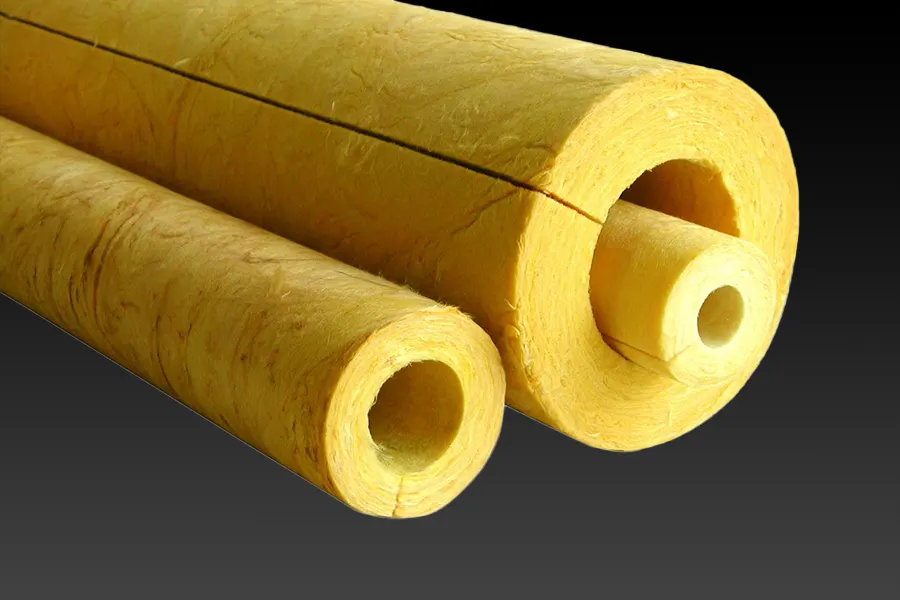
Glass wool and fibreglass manufacturing both start with high-temperature melting of glass raw materials, including recycled cullet, then diverge into fiberisation processes that create either discontinuous fibers for insulation or continuous filaments for composites.
Core Manufacturing Process
The production of glass wool and fibreglass insulation is a well-established, globally distributed industrial process. We initiate this process by melting raw glass materials at high temperatures. Recycled glass cullet is a key ingredient, contributing to sustainability targets. Following the melt, specialized fiberisation techniques transform this molten glass into fine fibers, forming the base material for insulation products.
Product Specialization and Applications
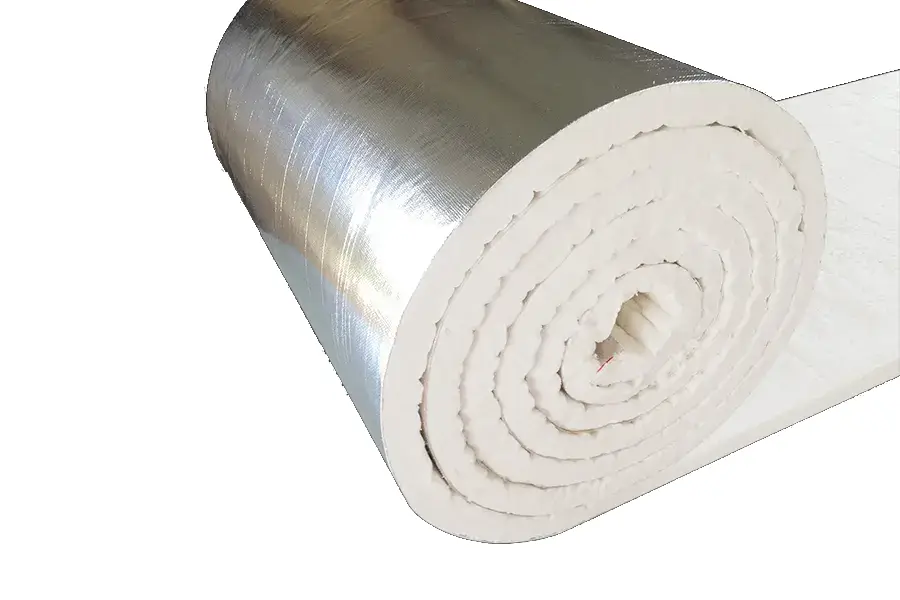
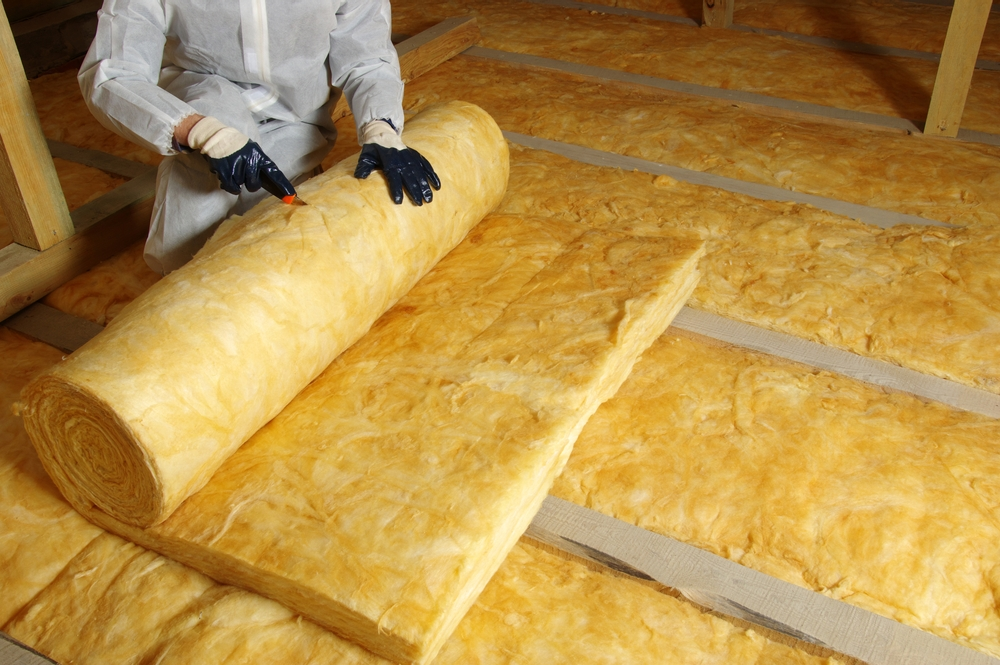
While both materials originate from glass, their production paths diverge to meet distinct application needs. We produce glass wool by forming discontinuous fibers, then bind them into mats for effective thermal and acoustic insulation. Fibreglass manufacturing, by contrast, creates continuous filaments. These continuous filaments are critical for structural reinforcement in composites and textiles, where they deliver high strength and durability.
Modern Production Trends and Sustainability
Our industry continually evolves, with recent manufacturing trends focusing heavily on environmental performance, energy efficiency, and product safety. We implement tighter emissions controls and utilize more energy-efficient furnaces. Process optimization, particularly in curing and finishing stages, ensures consistent quality. Automation across production lines also boosts both efficiency and material consistency.
Developments in binder chemistries enhance overall material performance. Furthermore, we now manage synthetic vitreous fiber handling more effectively, prioritizing safety. Regulatory requirements and customer demand for sustainable materials drive these advancements, shaping the future of insulation manufacturing.
Regional Naming Differences (US vs UK vs Australia)
Regional terminology for glass fiber insulation varies significantly across the US, UK, and Australia, demanding clear mapping for accurate global procurement and material identification.
American Naming Conventions
In the United States, the industry standard for glass-fiber thermal insulation is consistently “fiberglass insulation.” This aligns with common American spelling, using “fiber” instead of “fibre” and “-or” suffixes. We primarily see this term used within US building markets.
UK and Australian Terminology
The United Kingdom and Australia employ different terms, largely reflecting British English conventions. Here, you will commonly find the material referred to as “glass wool” or “fibreglass,” using the “fibre” spelling.
Importance for Global Procurement
Recognizing these regional differences in terminology is crucial for effective global procurement and accurate material identification. It ensures equivalent materials are correctly matched across various regions in professional databases, which streamlines the specification and sourcing of insulation products internationally.
Performance Comparison (Thermal, Fire, Acoustic, Moisture)
Glass wool and fiberglass insulation share similar fundamental thermal efficiency, with critical differentiation now rooted in advanced fire, acoustic, and moisture performance characteristics.
Thermal Efficiency Benchmarks
Across the industry, glass wool and fiberglass materials deliver largely equivalent basic thermal performance. Their R-value ranges per inch are broadly similar, meaning the core thermal resistance mechanism, trapping air within glass fibers, works consistently across standard products. This consistency makes basic thermal efficiency less of a unique selling proposition in today’s market.
As specifiers mature, they now look beyond simple R-values. The real competitive edge for insulation materials now comes from nuanced performance trade-offs. We observe a market shift where engineers and procurement teams prioritize materials that excel in specific operational environments, considering factors beyond just raw thermal values.
Fire Resistance and Safety Ratings
Fire rating remains a critical differentiator for any insulation material. Stricter building codes and enhanced safety standards globally drive a continuous demand for insulation products with superior fire resistance. Specifiers rigorously evaluate materials based on their fire classifications for various applications, especially in high-risk industrial or commercial settings.
For projects with elevated fire safety requirements, specifiers consistently choose denser mineral and glass wool variants. These products offer enhanced integrity under thermal stress, contributing significantly to passive fire protection strategies. This focus ensures occupant safety and limits property damage during fire events, aligning with tightened regulatory landscapes.
Acoustic Control Performance
Effective acoustic control is a key performance metric, particularly in environments demanding significant sound dampening. Material selection directly influences noise reduction outcomes, making acoustic behavior a core consideration for engineers designing quiet spaces or mitigating industrial noise.
Denser mineral and glass wool products are consistently preferred for high-noise environments. Their fiber structure and density provide superior sound absorption and insulation properties, effectively reducing sound transmission through walls, ceilings, and HVAC systems.
Moisture Resistance and Hydrophobicity
Moisture management, including an insulation material’s hydrophobic properties, is an increasingly vital factor in material selection. Durability and consistent performance over time directly link to how well an insulation product resists water absorption and maintains its structural integrity in damp conditions.
We observe a growing market demand for hydrophobic insulation products. These materials actively repel water, preventing the bulk absorption that typically degrades thermal performance and can lead to mold or material degradation. This focus on water resistance represents a significant evolution in material differentiation.
Evolving Industry Standards and Sustainability
Tighter building codes and sustainability standards reshape market demand for insulation products. Specifiers now prioritize solutions that offer robust fire resistance, proven hydrophobic qualities, and verifiable recycled content. These evolving requirements influence both product development and selection across the industry.
The shift toward materials that align with stricter environmental and safety criteria is undeniable. Manufacturers now innovate to meet demands for higher recycled content and safer binder chemistries, ensuring products not only perform but also contribute to a greener, healthier built environment.
| Performance Metric | Industry Standard (Glass Wool / Fiberglass) | RPPOWER® Optimized Glass Wool |
|---|---|---|
| Thermal Efficiency (R-value/inch) | Typically R-2.9 to R-3.7, depending on density and thickness. | Optimized R-2.9 to R-4.3+ for superior thermal resistance (λ ≤ 0.032 W/(m·K)). |
| Fire Safety Rating | Non-combustible, commonly Euroclass A1/A2 for glass fibers. | Non-combustible, A-grade fire protection, meeting EN13501 and GB19686 standards. |
| Acoustic Absorption | Good sound reduction, varies with density and structure. | Excellent noise reduction and sound absorption for critical acoustic applications. |
| Moisture Behavior | Fibers are hydrophobic; bulk material can hold water if exposed. | Enhanced hydrophobic formulations resist water absorption, maintaining performance in damp conditions. |
| Sustainability Focus | Increasingly incorporating recycled content, but varies by product. | Produced in Green Factories with focus on sustainable processes and recycled inputs. |
Industrial Applications
Glass wool and fiberglass are essential for industrial thermal and acoustic insulation, driving energy efficiency and meeting stringent fire safety standards across buildings, equipment, HVAC, and process piping.
Core Application Areas
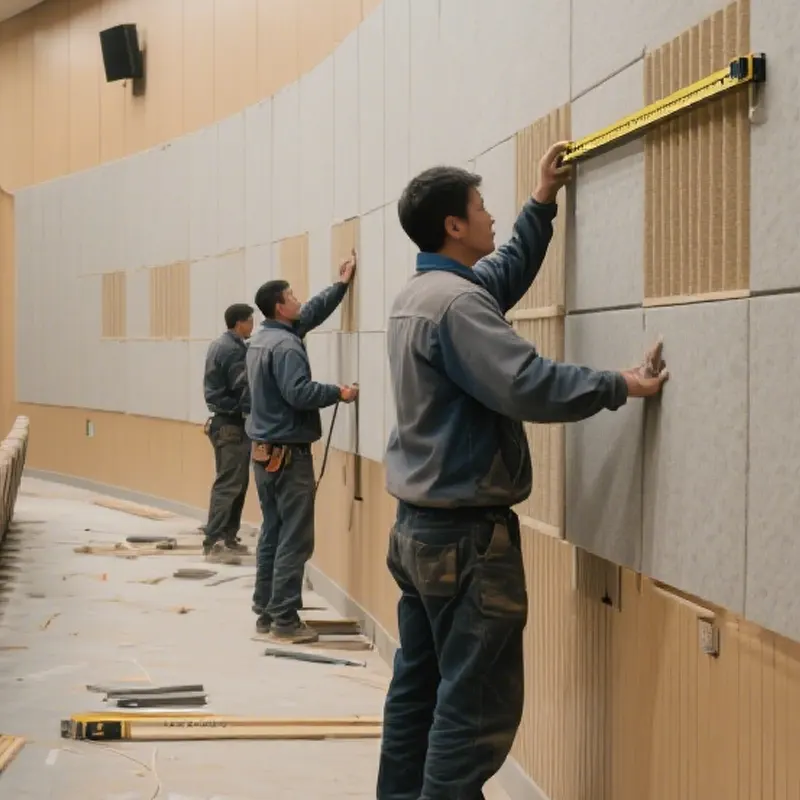
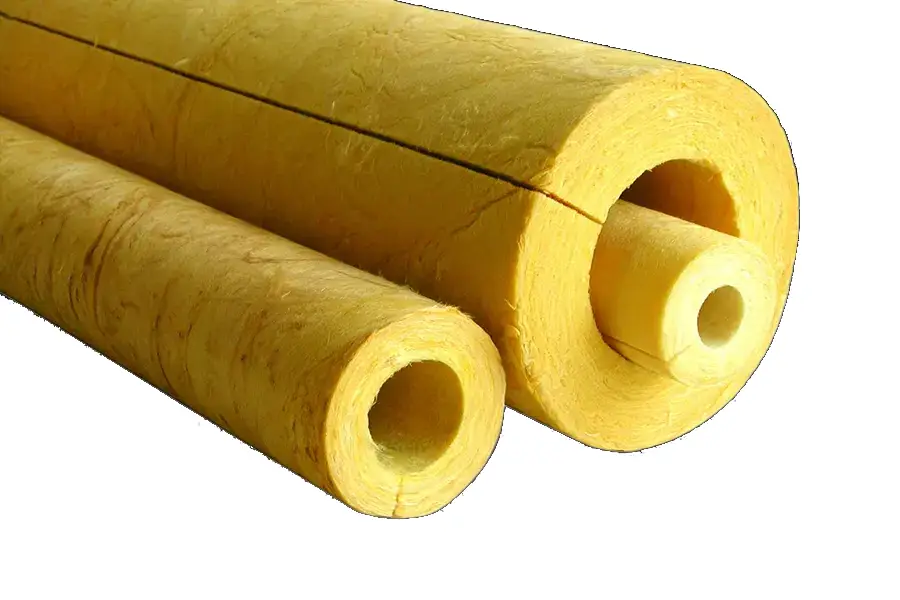
Glass wool and fiberglass provide critical thermal and acoustic insulation across various industrial settings. We use these materials in buildings for energy conservation and sound dampening. They are also vital for industrial equipment, reducing heat loss and managing temperature. HVAC systems rely on these materials for efficient temperature control and noise reduction. Furthermore, process piping applications utilize them to maintain stable temperatures and prevent unwanted heat transfer.
Performance Benefits and Regulatory Impact
These materials achieve high insulation performance by trapping air within fine glass fibers. Strict energy-efficiency regulations for industrial operations significantly increase demand for these products. Fire-safety standards directly influence material selection, pushing towards non-combustible insulation. Consequently, manufacturers focus on developing lighter materials with higher R-values and enhanced fire resistance.
Evolving Market Trends and Material Innovations
The market constantly evolves, with increased integration of recycled glass content in manufacturing. Ongoing research improves moisture resistance in insulation products. New health-vetted fibers now meet rigorous safety standards, and leading health organizations classify these fibers as not classifiable for carcinogenicity. These innovations address both environmental and health considerations in industrial applications.
When Should You Specify Glass Wool?
Specify glass wool when projects demand a balance of high thermal and acoustic performance, stringent fire safety compliance, and cost-effective sustainability.
For Optimal Thermal Performance and Energy Efficiency
Glass wool offers low thermal conductivity, typically ranging from 0.027 to 0.045 W/m·K. This makes it an effective material for containing heat and a prime choice for projects focused on energy efficiency. It directly supports green building initiatives by minimizing heating and cooling costs. We often specify it for critical areas like walls, roofs, and HVAC systems where consistent thermal performance is essential.
When Acoustic Control is a Priority
The fibrous structure of glass wool effectively absorbs sound, making it ideal for mitigating noise. It significantly reduces sound transmission and reverberation. I recommend it for spaces requiring enhanced acoustic comfort, such as residential buildings, commercial offices, and industrial facilities with noisy equipment.
To Meet Stringent Fire Safety Regulations
Glass wool is inherently non-combustible, offering a high level of fire resistance. It consistently achieves high fire ratings, often reaching Euroclass A1/A2, classifying it as non-combustible. This makes it essential for applications where fire safety compliance is a critical design or regulatory requirement.
Balancing Cost-Effectiveness with Sustainable Practices
Specifying glass wool provides an economically viable insulation solution that also aligns with sustainable practices. Manufacturers produce it with high recycled glass content, contributing directly to environmental goals. It offers a cost-effective material choice for achieving required thermal and acoustic performance without significantly increasing project budgets. This material continues to support certifications for green buildings and environmentally conscious construction in 2026.
Common Procurement Mistakes
Industrial insulation procurement often falls short, plagued by an overemphasis on initial cost and inadequate technical detailing, leading to costly long-term performance issues.
Overemphasis on Upfront Cost
Buyers frequently fixate on the lowest immediate purchase price for insulation. This approach ignores the total cost of ownership over the product’s lifespan. You end up with potential expenses from premature product failure, reduced energy efficiency, or needing frequent replacements down the line. It’s a false economy.
Inadequate Technical Specification
Failing to detail technical requirements sufficiently leads directly to selecting materials that cannot meet application needs. This includes not specifying precise thermal, acoustic, or fire performance benchmarks. Skipping validation of supplier certifications, like ISO, or comprehensive performance documentation, such as Technical Data Sheets, risks receiving products with mismatched properties. The result is suboptimal insulation performance and potential compliance issues.
Product Misidentification Risks
Confusion between generic “fiberglass” and specific “glass wool” products creates significant material selection risks. These materials have distinct performance characteristics. Selecting insulation based on incorrect assumptions about their thermal, acoustic, or fire-resistance properties frequently causes inadequate insulation performance, potential safety hazards, and project delays or outright failures.
Strategic Procurement Best Practices
A strategic approach ensures optimal material selection, long-term value, and supply chain reliability. Prioritize ISO-certified suppliers to guarantee consistent product quality and adherence to global standards. Rigorously validate Technical Data Sheets (TDS) to confirm material specifications and performance capabilities. Always evaluate the long-term cost-of-ownership over initial unit price to identify true economic value. Finally, implement data-driven supplier evaluation and stronger contract governance for dependable partnerships.
Conclusion
Understanding the distinct characteristics of glass wool and fibreglass is key to specifying the right insulation for industrial projects. This informed selection ensures optimal thermal, fire, and acoustic performance, meeting stringent compliance standards. Ultimately, choosing the correct material contributes to project efficiency and long-term operational success.
To explore tailored insulation solutions that precisely match your project’s needs, consider consulting with experts. RPPOWER® offers comprehensive support to help you achieve optimal thermal performance and efficiency.
Frequently Asked Questions
Is glass wool the same as fiberglass?
Yes, in the context of insulation markets, glass wool and fiberglass are largely considered the same material. Both are composed of fine glass fibers designed to trap air for thermal and acoustic insulation properties.
Why is it called fibreglass in the UK?
While the research indicates “glass wool” is widely used outside North America, the term “fibreglass” (with the British spelling) is also commonly used in the UK to refer to the same insulation material. The terminology can vary by region and specific product context, but both generally describe insulation made from fine glass fibers.
Which has a higher R-value?
Since glass wool and fiberglass are fundamentally the same material, neither inherently possesses a higher R-value than the other. The R-value, which measures thermal resistance, depends on the material’s density, thickness, and how it is manufactured and installed. Both forms can be engineered to achieve high R-values.
Is fiberglass made from glass wool?
Fiberglass and glass wool are essentially the same material when referring to thermal and acoustic insulation. Both are manufactured by melting glass and spinning it into extremely fine fibers, which are then formed into blankets, rolls, or boards. Therefore, it’s more accurate to say they are the same, rather than one being made from the other.
Which is better for industrial insulation?
Both glass wool and fiberglass are highly effective and widely utilized for industrial insulation applications. The “better” choice depends heavily on specific industrial requirements, such as operating temperature ranges, required mechanical strength, chemical resistance, and installation environment. Both materials are available in various forms, densities, and with specialized facings to meet the stringent demands of industrial settings.
Does glass wool absorb water?
While the glass fibers themselves are non-absorbent, glass wool, due to its porous, fibrous structure, can trap and hold water within its air pockets. When wet, its insulating properties are significantly compromised, and it can become heavier, potentially leading to sagging and creating an environment conducive to mold growth. For this reason, it’s crucial to protect glass wool insulation from moisture ingress.
Which lasts longer?
As glass wool and fiberglass are essentially the same material, their lifespan is comparable. Both are designed to be extremely durable and can last for decades, often exceeding the life of the structure they insulate, provided they are installed correctly, kept dry, and protected from physical damage or pest infestation.
Which is safer to handle?
Historically, both glass wool and fiberglass could cause skin, eye, and respiratory irritation due to their fine glass fibers. However, manufacturers have made significant advancements, and modern products, regardless of whether they are labeled glass wool or fiberglass, often feature larger, less irritating fibers and use safer binders. While contemporary formulations are much less irritating, it is still standard practice to wear appropriate personal protective equipment, such as gloves, eye protection, and a dust mask, when handling any fibrous insulation material.
Is fiberglass fireproof?
Fiberglass itself is inherently non-combustible because it is made from glass. It does not burn, melt until extremely high temperatures (over 1000°F or 540°C), or contribute to flame spread. However, it’s important to note that any paper, foil, or plastic facings and some binders used in fiberglass products can be combustible. Unfaced fiberglass insulation offers excellent fire resistance.
Can glass wool be used for HVAC?
Yes, glass wool, which is the same material as fiberglass insulation, is extensively used in HVAC systems. It is commonly applied to insulate ducts, plenums, and air handling units to enhance thermal efficiency, prevent condensation, and attenuate sound. It comes in various specialized forms, such as flexible duct wrap, rigid boards, and internal duct liners, often with appropriate facings or coatings designed for the HVAC environment.
Is there a difference in density?
There is no inherent difference in density between materials specifically labeled “glass wool” versus “fiberglass,” as they refer to the same base product. However, both glass wool and fiberglass insulation products are manufactured in a wide spectrum of densities, ranging from light batt insulation to much denser rigid boards. The chosen density depends on the specific application requirements for thermal performance, acoustic absorption, and structural integrity.
Which is cheaper?
As glass wool and fiberglass refer to the same insulation material, there isn’t a definitive price difference between them based solely on their name. The cost typically varies depending on factors such as the product’s form (e.g., batts, rolls, loose-fill), thickness, R-value, density, specific facings, manufacturer, and regional market conditions. Both generally remain among the most cost-effective insulation materials available.