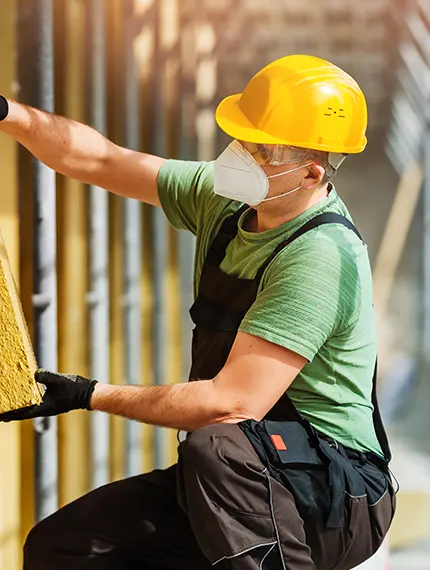
يعرف المهندسون الذين يواجهون درجات حرارة الفرن أعلى من 1000 درجة مئوية أن التمييز بين تصنيف تصنيف المادة وحدود الخدمة المستمرة أمر حيوي لمنع فشل البطانة. توفر بطانيات ألياف السيراميك حلاً خفيف الوزن, ومع ذلك فإن التركيبات الكيميائية المحددة تحدد ثباتها ضد الصدمات الحرارية والانكماش.
يوضح هذا الدليل الاختلافات الفنية بين البطانيات القياسية التي تبلغ درجة حرارتها 1260 درجة مئوية والبطانيات المثبت عليها الزركونيا القادرة على تحمل درجة حرارة 1430 درجة مئوية.. نحن نحلل كيف تزيد عمليات الوخز بالإبر من قوة الشد أعلاه 60 KPa ومراجعة تأثير الكثافة على التوصيل الحراري, التركيز على السبب 128 يظل كجم/م3 هو التوازن الأمثل لمعظم التطبيقات ذات الحرارة العالية.
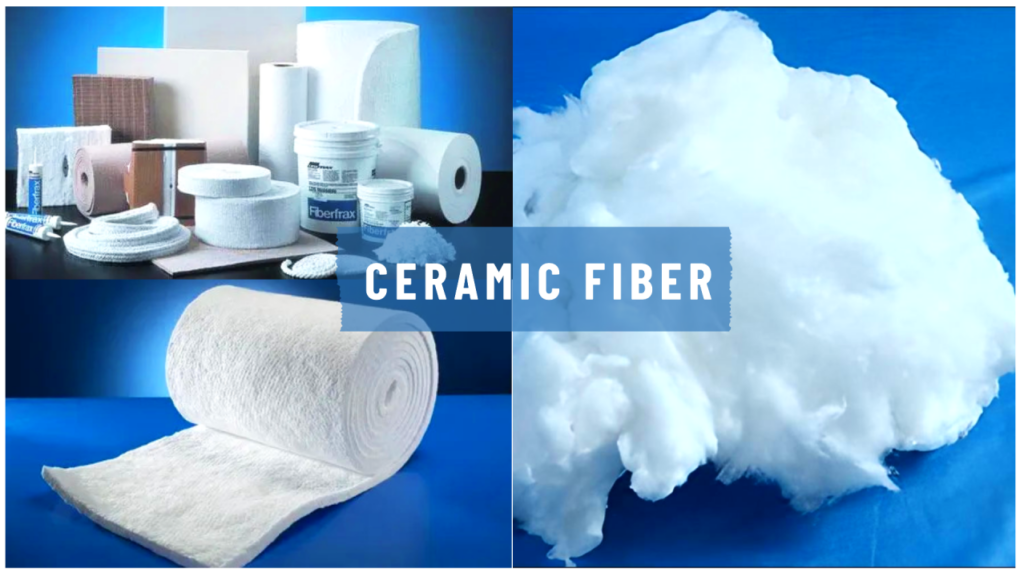
ما هي بطانية ألياف السيراميك?
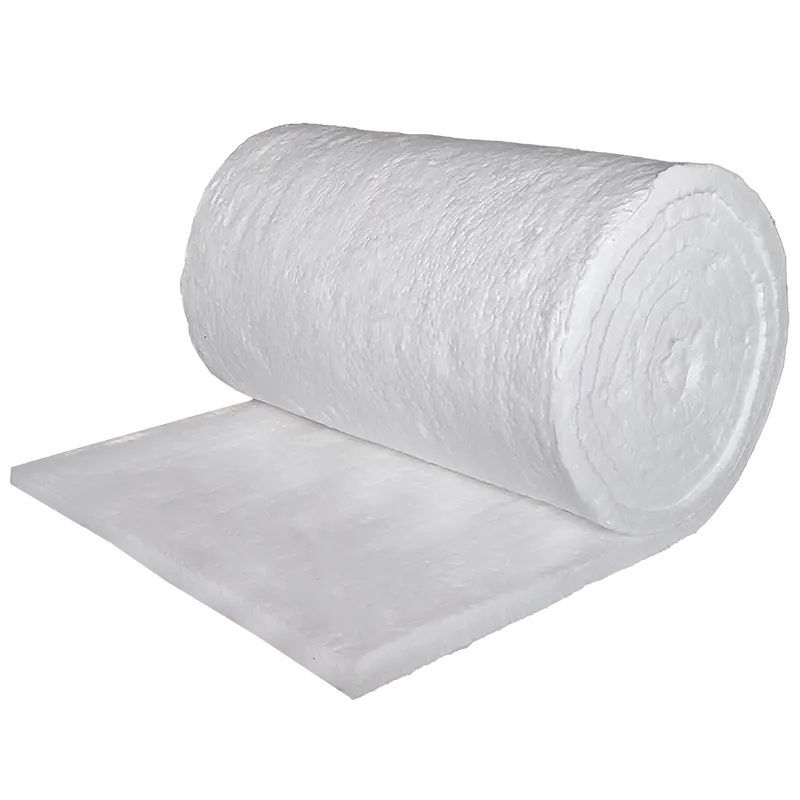
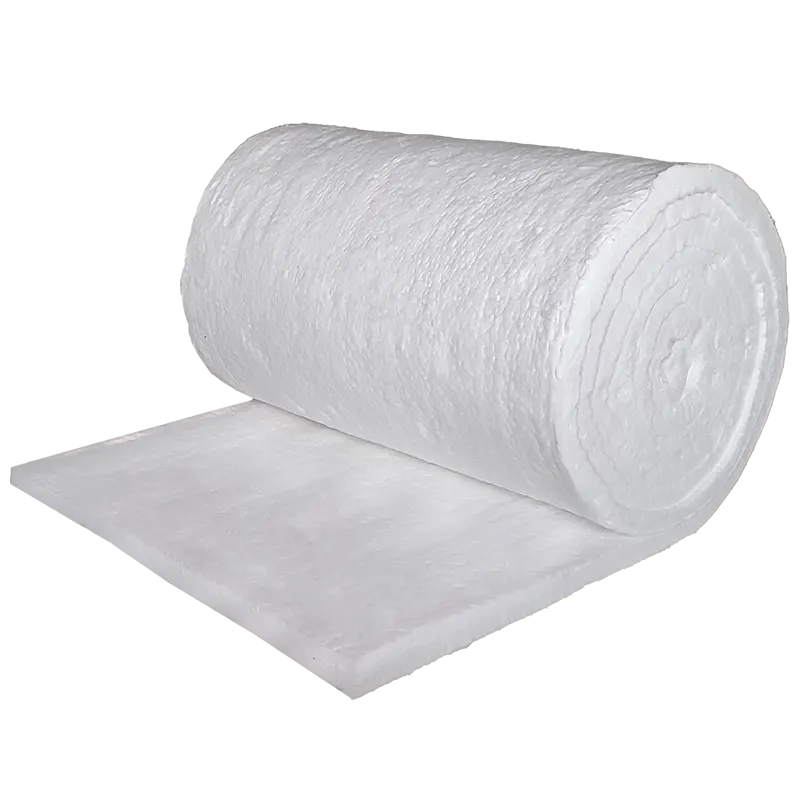
بطانية ألياف السيراميك خفيفة الوزن, مادة عازلة مقاومة للحرارة العالية تتكون من ألياف الألومينا والسيليكا المغزولة. يتم تصنيعه من خلال عملية إبرة ميكانيكية تلغي الحاجة إلى مواد رابطة عضوية, فهو يتحمل درجات حرارة تتراوح بين 1260 درجة مئوية (2300درجة فهرنهايت) و 1430 درجة مئوية (2600درجة فهرنهايت) مع الحفاظ على الموصلية الحرارية المنخفضة والمرونة.
التركيب وهيكل التصنيع بالإبرة
يقوم المهندسون بتصنيع بطانيات ألياف السيراميك من ألياف الألومينا والسيليكا عالية النقاء, تحتوي عادة على 47-52% Al₂O₃. يتم إذابة هذه المواد الخام وغزلها على شكل شرائح طويلة, خيوط مرنة تشكل المصفوفة الأساسية للعزل. على عكس الحراريات الصلبة, يحبس هذا الهيكل الليفي كميات كبيرة من الهواء الساكن, تقديم قيم عزل تصل إلى خمس مرات أعلى من الطوب الحراري التقليدي أو القوالب.
السلامة الهيكلية للبطانية تأتي من الوجهين “إبرة” عملية. تعمل هذه الطريقة الميكانيكية على تشابك الألياف بنمط متقاطع, ضمان قوة الشد العالية (≥60 كيلو باسكال) دون استخدام المجلدات العضوية. يمنع غياب المواد الرابطة إطلاق الدخان أو الأبخرة أثناء التسخين الأولي ويضمن احتفاظ المادة بخصائصها الفيزيائية حتى في بيئات التآكل الزيتي. يسمح هذا البناء للمادة بمقاومة الصدمات الحرارية والهجوم الكيميائي بشكل فعال.
تصنيفات درجات الحرارة والمواصفات الفيزيائية
يقوم المستخدمون الصناعيون بتصنيف هذه البطانيات على أساس درجة حرارة الخدمة القصوى. التصنيفات الأكثر شيوعًا هي الدرجة القياسية, تصنيف ل 1260 درجة مئوية (2300درجة فهرنهايت), ودرجة زركونيا, تصنيف ل 1430 درجة مئوية (2600درجة فهرنهايت). تشمل متغيرات الزركونيا تقريبًا 15% ZrO₂ لتثبيت الألياف في درجات الحرارة القصوى, منع الانكماش المفرط والتبلور.
الميزات الرئيسية لبطانيات ألياف السيراميك للاستخدام في درجات الحرارة العالية
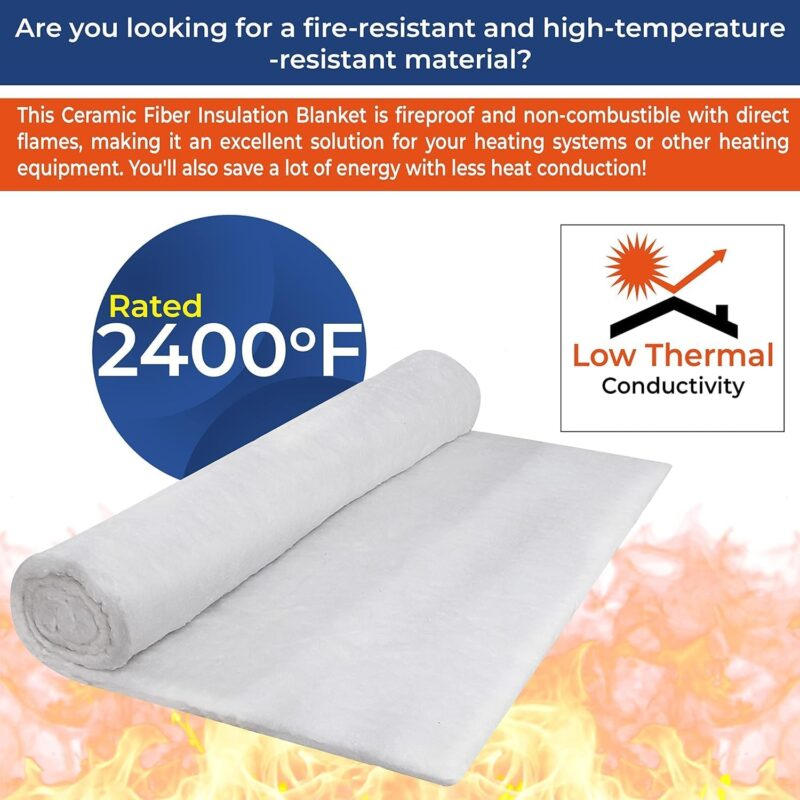
توفر بطانيات ألياف السيراميك عزلًا حراريًا استثنائيًا مع توصيل حراري منخفض (0.06-0.32 واط/م·ك) ومقاومة الصدمة الحرارية. إنها تتميز بتخزين حرارة منخفض وانكماش خطي متحكم فيه, قادرة على تحمل درجات الحرارة التصنيفية من 1260 درجة مئوية (معيار) تصل إلى 1600 درجة مئوية (PCW) للمطالبة الفرن و تطبيقات الفرن.
الاستقرار الحراري وقدرات المقاومة
تحافظ بطانيات ألياف السيراميك على كفاءة العزل عبر نطاق حراري واسع. الموصلية الحرارية لا تزال منخفضة, قياس تقريبا 0.06 W/m·K عند 200 درجة مئوية ويرتفع فقط إلى حوالي 0.32 W/m·K عند 1000 درجة مئوية. تضمن هذه الخاصية الحد الأدنى من فقدان الحرارة حتى أثناء العمليات المستمرة ذات درجات الحرارة المرتفعة. تتعامل المادة مع التقلبات السريعة في درجات الحرارة بشكل فعال بسبب أليافها, هيكل متشابك. تمنع مقاومة الصدمات الحرارية هذه التشقق أو التشظي عندما تدور الأفران بين مرحلتي التسخين والتبريد, مطلب حاسم للأفران دفعة.
تعمل سعة تخزين الحرارة المنخفضة على تعزيز كفاءة استخدام الطاقة. على عكس الحراريات الكثيفة التي تمتص طاقة كبيرة للوصول إلى درجة حرارة التشغيل, بطانيات ألياف السيراميك تسخن وتبرد بسرعة. الاستقرار الكيميائي هو سمة مميزة أخرى. تقاوم هذه البطانيات الهجوم من معظم الأحماض والقلويات, على الرغم من أن حمض الهيدروفلوريك وحمض الفوسفوريك المركز يظلان استثناءات. للبيئات التي تحتوي على أجواء تآكل, صوف عالي النقاء ومتعدد البلورات (PCW) توفر الدرجات مقاومة فائقة مقارنة بمزيج الألومينا والسيليكا القياسي.
درجات التصنيف والمواصفات الفيزيائية
تحدد درجات تصنيف درجة الحرارة حدود التشغيل الآمنة لأنواع محددة من البطانيات. يتم تصنيف البطانيات القياسية حتى 1260 درجة مئوية وتحتوي عادةً على 43-44% من الألومينا. (آل₂O₃). درجات زركونيا, والتي تتضمن على الأقل 15% ثاني أكسيد الزركونيوم (زرو₂), تمديد هذا التصنيف إلى 1425 درجة مئوية. للتطبيقات الأكثر تطلبا, الصوف متعدد البلورات (PCW) تصل المتغيرات إلى درجات حرارة تصنيفية تبلغ 1600 درجة مئوية مع محتوى ألومينا يتراوح من 71% ل 73%.
يتم قياس الاستقرار الجسدي تحت الحرارة عن طريق الانكماش الخطي. تحافظ الدرجات القياسية على الانكماش الخطي أدناه 2.5% عند 1000 درجة مئوية فوق 24 ساعات. توفر درجات PCW تحكمًا أكثر صرامة في الأبعاد, مع انكماش يقتصر على 1.0% أو أقل عند 1400 درجة مئوية. تتراوح خيارات الكثافة عادة من 64 كجم/م3 إلى 160 كجم/م3 (4– 10 قطع). ترتبط الكثافات الأعلى بزيادة القوة الميكانيكية ومقاومة أفضل لتآكل تدفق الغاز. متطلبات قوة الشد, تخضع لمعايير مثل ASTM C892, تأكد من أن المادة تتحمل التعامل والتركيب دون تمزق.
كيف يتم تصنيع بطانيات ألياف السيراميك
تبدأ عملية التصنيع بصهر الألومينا والسيليكا عاليي النقاء في الأفران الكهربائية, ثم غزل المنصهر إلى ألياف بحجم 1-6 ميكرومتر. يتم جمع هذه الألياف وإبرها ميكانيكيًا لتكوين حصيرة خالية من المواد الرابطة ذات قوة شد عالية. أخيراً, تخضع البطانية للمعالجة الحرارية لتقليل الانكماش ويتم تقطيعها إلى كثافات وأحجام محددة.
من ذوبان المواد الخام إلى غزل الألياف
يبدأ الإنتاج بالخلط الدقيق للمعادن الخام, الألومينا عالية النقاء في المقام الأول (آل₂O₃) والسيليكا (SiO₂). لدرجات الحرارة الأعلى المصنفة فوق 1260 درجة مئوية, الشركات المصنعة تقدم زركونيا (زرو₂) أو زيادة محتوى الألومينا بشكل كبير لتعزيز الاستقرار الحراري. يذوب هذا الخليط في أفران المقاومة الكهربائية عند درجات حرارة تتجاوز تصنيف العمل النهائي للألياف, ضمان وجود تيار سائل متجانس وخالي من الشوائب التي قد تسبب التبلور المبكر أو فشل الخدمة.
يتم تحويل التيار المنصهر على الفور إلى ألياف باستخدام مغازل متعددة الأسطوانات عالية السرعة أو نفخ هواء عالي الضغط. تملي مرحلة الألياف هذه هندسة الألياف, استهداف القطر المتوسط بين 1 و 6 ميكرون. ضوابط العملية المتقدمة تحد بشكل صارم من الجسيمات غير الليفية, المعروف باسم “طلقة,” إلى الأسفل 15% بالوزن. يعد الحفاظ على محتوى اللقطات المنخفضة أمرًا بالغ الأهمية, حيث أن الطلقة الزائدة تقلل من قيمة عزل المادة وتزيد الوزن دون إضافة السلامة الهيكلية.
الوخز بالإبر, المعالجة الحرارية, والتحجيم
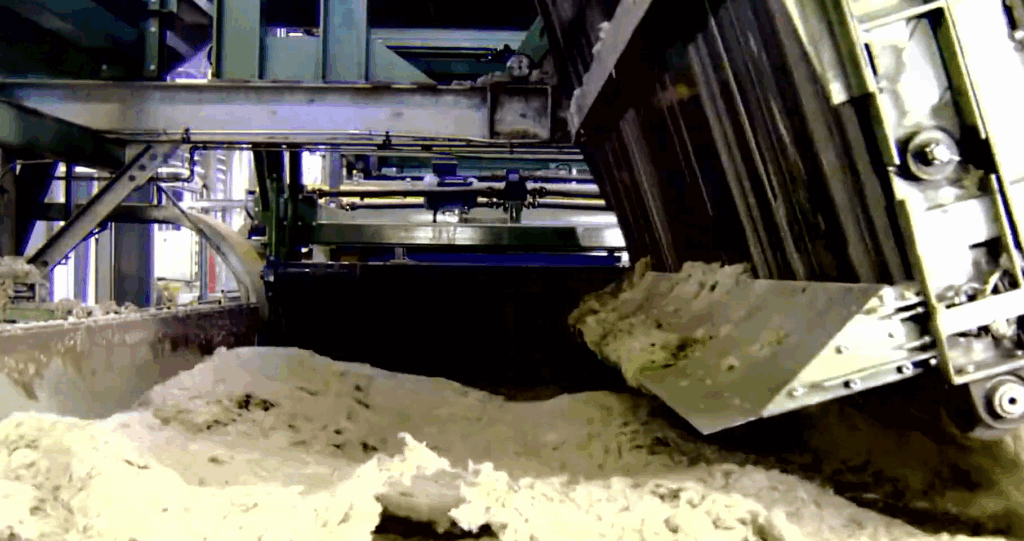
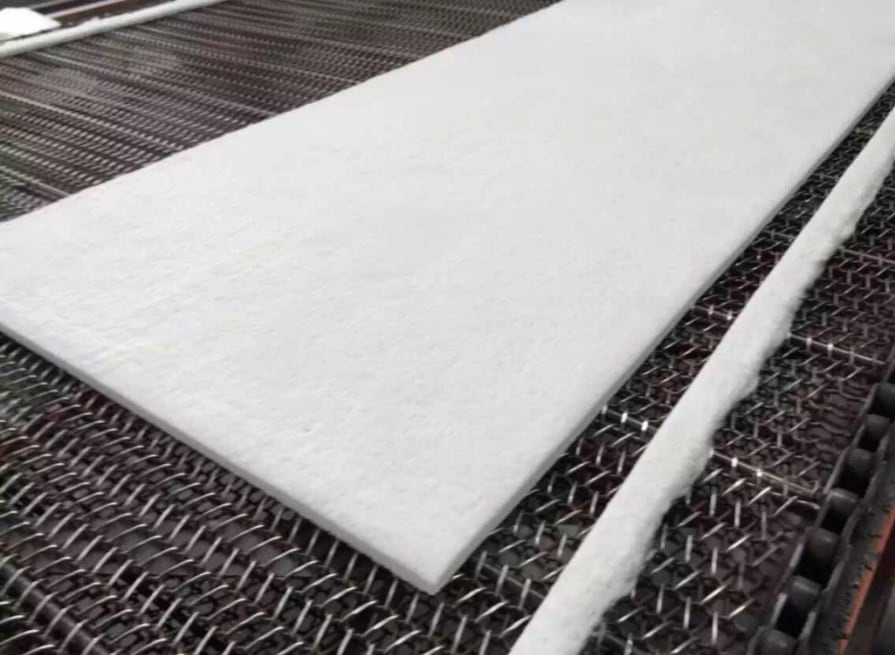
مرة واحدة نسج, تستقر الألياف السائبة على حزام ناقل متحرك لتشكل شبكة مستمرة. تستخدم الصناعة عملية إبرة ميكانيكية على الوجهين لتداخل الألياف وتشابكها عموديًا. يخلق هذا التشابك الجسدي بطانية خالية تمامًا من المواد الرابطة مع قوة شد كبيرة, تتجاوز في كثير من الأحيان 75 كيلو باسكال. عن طريق القضاء على المجلدات العضوية, تحافظ البطانية على بنيتها الجسدية حتى عند تعرضها للهب المباشر, تجنب مشاكل الدخان وإطلاق الغازات المرتبطة بحرق المادة الرابطة.
ثم تمر الحصيرة المخيطة عبر فرن الإعداد الحراري. تعمل هذه المعالجة الحرارية على تثبيت بنية الألياف وتقليص المادة مسبقًا, ضمان بقاء الانكماش الخطي الدائم أدناه 2.5% ل 3.0% أثناء الخدمة في درجات الحرارة المقدرة. أخيراً, يتم قطع البطانية المستمرة, شق, وتدحرجت إلى الأبعاد القياسية. يتحكم المصنعون في معدل التغذية والضغط خلال هذه المرحلة لتحقيق كثافات كبيرة محددة, تتراوح عادة من 64 كجم/م3 لعزل الضوء 160 كجم/م3 للبطانات عالية المتانة.
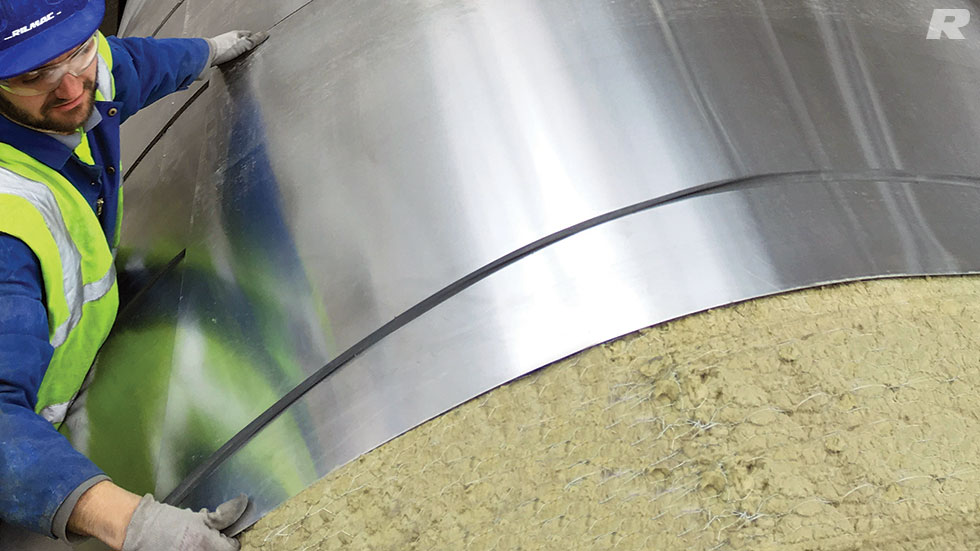
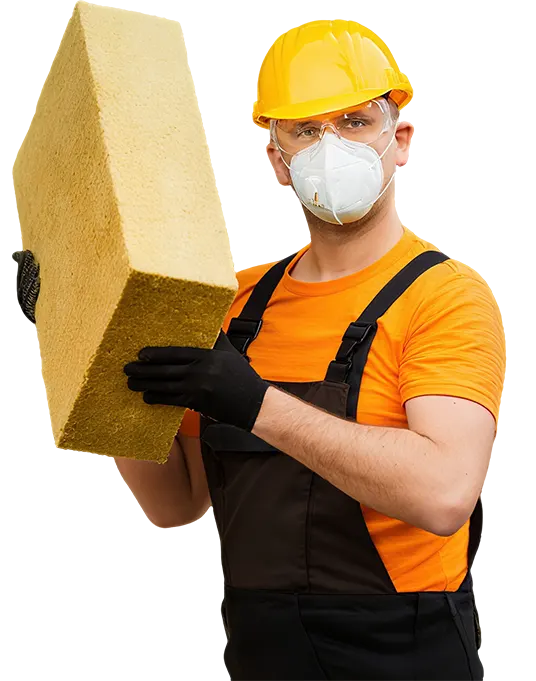
حلول عزل الصوف الصخري المتميزة
أنواع بطانية ألياف السيراميك وخيارات الكثافة
يتم تصنيف بطانيات ألياف السيراميك بشكل أساسي حسب تصنيف درجة الحرارة, تتراوح من القياسية (1260درجة مئوية) إلى درجات عالية النقاء والزركونيا (تصل إلى 1600 درجة مئوية). تمتد خيارات الكثافة عادة من 96 كجم/م3 إلى 160 كجم/م3, حيث كثافة أعلى (على سبيل المثال., 128 كجم/م3) يوفر مقاومة حرارية فائقة (0.09 واط / م · ك عند 400 درجة مئوية) على حساب زيادة الوزن. يعتمد الاختيار على موازنة احتياجات احتواء الحرارة مع حدود الحمل الهيكلي.
| تصنيف الدرجة | تصنيف درجة الحرارة القصوى | الملف الشخصي للتكوين | تطبيق نموذجي |
|---|---|---|---|
| الدرجة القياسية | 1260درجة مئوية (2300درجة فهرنهايت) | الألومينا والسيليكا (آل₂O₃ ≈ 44%) | بطانات الفرن العامة & العزل الاحتياطي |
| درجة عالية النقاء | 1260درجة مئوية – 1350درجة مئوية | الألومينا العالية (≥45-52%) | الاستقرار الكيميائي في البيئات العدوانية |
| زركونيا الصف | 1430درجة مئوية (2600درجة فهرنهايت) | Al₂O₃-SiO₂ + 15-17% زرو₂ | المناطق الصناعية ذات الحرارة العالية & ركوب الدراجات السريعة |
| متعدد البلورات (PCW) | 1600درجة مئوية (2912درجة فهرنهايت) | الألومينا العالية (>70%) | الحرارة الشديدة & مقاومة الهجوم الكيميائي |
التصنيف حسب درجة الحرارة والتكوين
يصنف السوق الصناعي بطانيات ألياف السيراميك إلى درجات متميزة تحددها النقاء الكيميائي وأسقف المقاومة الحرارية. بطانيات من الدرجة القياسية, تصنيف ل 1260 درجة مئوية, استخدام مزيج من ما يقرب من 45-46٪ من الألومينا والسيليكا. تم تصميمها للتطبيقات العامة مثل بطانات الفرن وأفران التلدين حيث تظل درجات حرارة التشغيل المستمرة أقل من 1050 درجة مئوية. للبيئات التي تتطلب قدرًا أكبر من الاستقرار الكيميائي, تعمل المتغيرات عالية النقاء على زيادة محتوى الألومينا (≥43-52%) وتقليل الشوائب مثل أكسيد الحديد والقلويات, منع تدهور المواد في الأجواء العدوانية.
تتطلب التطبيقات التي تتجاوز 1300 درجة مئوية تركيبات مواد متقدمة للتخفيف من الانكماش وتبلور الألياف. تحتوي بطانيات درجة الزركونيا على 15-17% من ثاني أكسيد الزركونيوم (زرو2) في مصفوفة الألومينا والسيليكا, رفع درجة حرارة التصنيف إلى 1430 درجة مئوية. تعمل هذه الإضافة على تثبيت بنية الألياف ضد الحرارة الشديدة, ضمان الحد الأدنى من الانكماش. في الجزء العلوي من طيف الأداء, الصوف متعدد البلورات (PCW) تعمل المتغيرات حتى 1600 درجة مئوية, الاستفادة من المحتوى العالي من الألومينا (>70%) لتحمل أشد الهجمات الحرارية والكيميائية الموجودة في المعادن المتخصصة.
بطانيات ألياف السيراميك مقابل. مواد عازلة أخرى تتحمل درجات الحرارة العالية
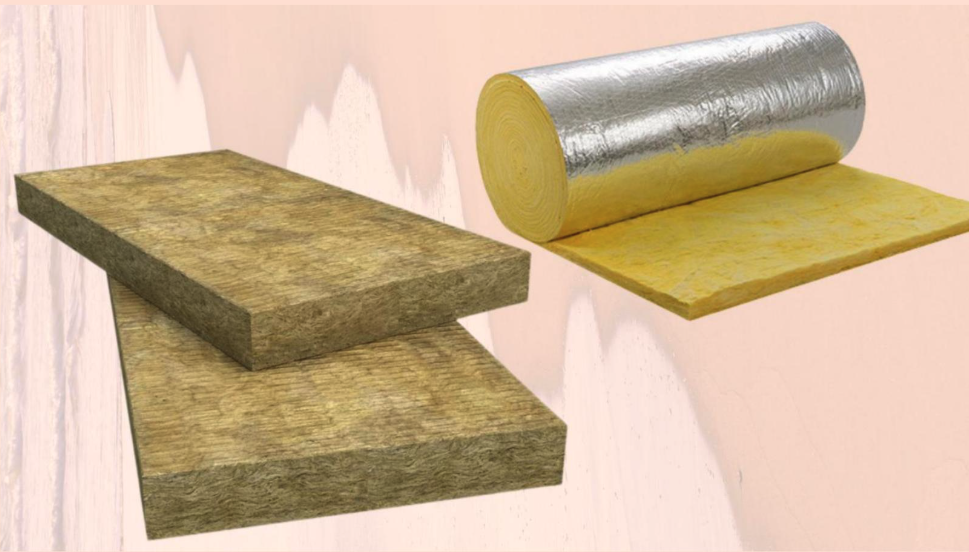
بطانيات ألياف السيراميك تتفوق على الصوف الزجاجي و الصوف الصخري في البيئات التي تتجاوز 1000 درجة مئوية, تقديم تقييمات الخدمة من 1260 درجة مئوية إلى 1600 درجة مئوية مقارنة بحدود 600 درجة مئوية إلى 1000 درجة مئوية للصوف المعدني. في حين أخف وزنا بشكل ملحوظ (96-128 كجم/م3) من الطوب الحراري الكثيف (~3500 كجم/م3), أنها توفر التوصيل الحراري متفوقة (0.15 W/m·K عند 600 درجة مئوية) والاستقرار الكيميائي, مما يجعلها المعيار لبطانات الأفران الصناعية عالية الحرارة.
| المواد العازلة | أقصى درجة حرارة الخدمة | تطبيق نموذجي |
|---|---|---|
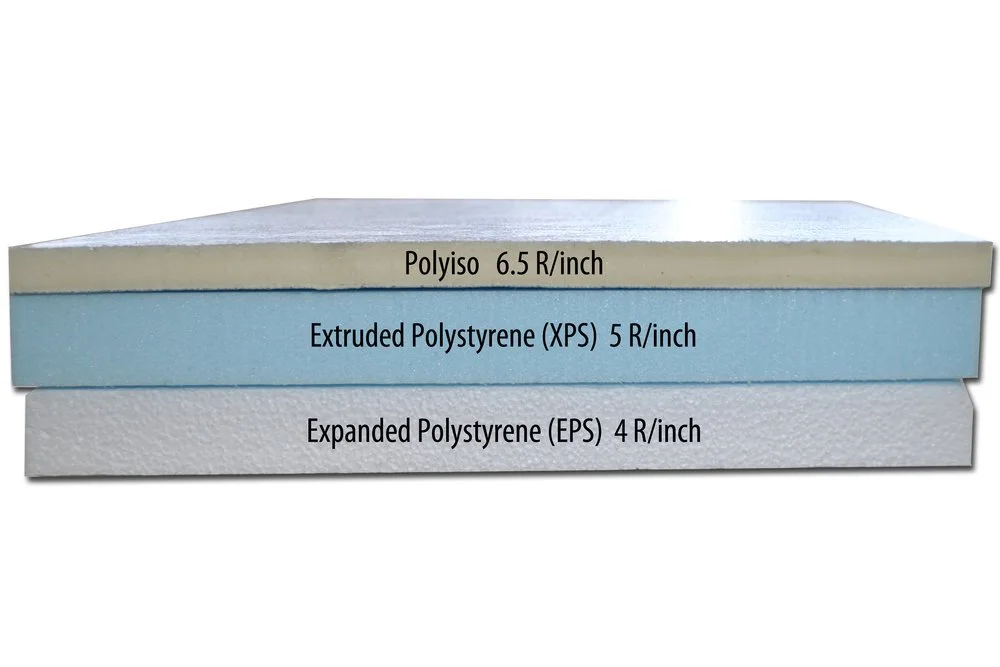
| الصوف الزجاجي / الألياف الزجاجية | ~600 درجة مئوية (1100درجة فهرنهايت) | التدفئة والتهوية وتكييف الهواء, أنابيب منخفضة الحرارة, الغلايات التجارية |
| الصوف الصخري (المعدنية) | ~1000 درجة مئوية (1832درجة فهرنهايت) | أفران صناعية, الحماية من الحرائق, عازل للصوت |
| بطانية الألياف السيراميك | 1260درجة مئوية – 1600 درجة مئوية | بطانات الفرن, أفران, احتياطية من المعدن المنصهر |
| الطوب الحراري الكثيف | >1600درجة مئوية+ | الهياكل الحاملة, خطوط تدفق الخزان الزجاجي |
مقارنة مع الصوف المعدني والألياف الزجاجية: عتبات درجة الحرارة
يكمن الاختلاف الأساسي بين ألياف السيراميك والصوف المعدني في نقاط تحللها الحراري. الصوف الزجاجي والمنسوجات المصنوعة من الألياف الزجاجية القياسية, مثل تيممات, تعمل بفعالية تصل إلى 600 درجة مئوية - 650 درجة مئوية (1200درجة فهرنهايت). أبعد من هذه العتبة, تتحلل المجلدات الموجودة في الألياف الزجاجية بسرعة, والألياف نفسها قد تنعم أو تتلاشى تحت الضغط الحراري. يمتد الصوف الصخري هذا النطاق قليلاً, تقدم مقاومة معتدلة تصل إلى حوالي 1000 درجة مئوية, ومع ذلك فإنه غالبًا ما يفتقر إلى السلامة الهيكلية اللازمة لاصطدام اللهب المباشر أو التسخين الدوري الموجود في الأفران المعدنية.
تم تصميم بطانيات ألياف السيراميك خصيصًا لتغطية نطاق 1050 درجة مئوية - 1600 درجة مئوية حيث تفشل الصوف المعدني. يتم تصنيف درجات سيليكات الألومنيوم القياسية للاستخدام المستمر عند 1260 درجة مئوية, بينما تتعامل المتغيرات عالية الألومينا والزركونيا مع ما يصل إلى 1430 درجة مئوية. بالإضافة إلى ذلك, بينما يقتصر سمك الحصائر المصنوعة من الألياف الزجاجية في كثير من الأحيان على 1 بوصة بسبب قيود التصنيع, يتم إنتاج بطانيات ألياف السيراميك بسماكة تصل إلى 2 بوصة (50مم), توفير عزل متفوق بطبقة واحدة لاحتواء الحرارة العالية.
التطبيقات الصناعية الشائعة لبطانيات ألياف السيراميك
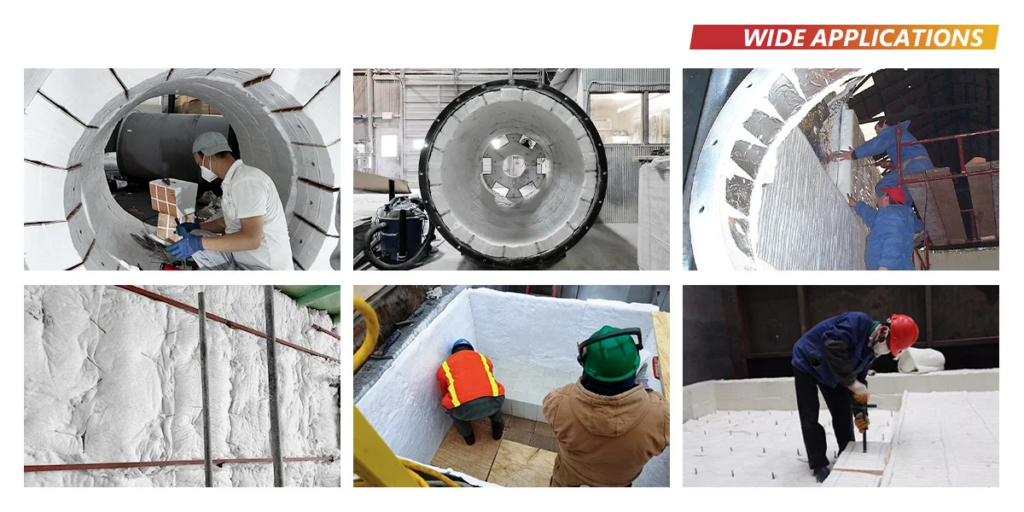
تُستخدم بطانيات ألياف السيراميك بشكل أساسي كبطانات حرارية للأفران, أفران, والغلايات في الفولاذ, زجاج, والصناعات البتروكيماوية, التعامل مع درجات حرارة تتراوح بين 1050 درجة مئوية و1450 درجة مئوية. أبعد من احتواء الحرارة, أنها تخدم أدوارًا حاسمة في الحماية السلبية من الحرائق, تغليف الأنابيب, وختم وصلة التمدد لتوليد الطاقة ومرافق المعالجة الكيميائية.
البطانات المقاومة للحرارة والأفران الصناعية الثقيلة
تعتمد معدات المعالجة ذات درجة الحرارة العالية على بطانيات ألياف السيراميك للاحتفاظ بالحرارة الحرجة وكفاءة الطاقة. في الأفران الصناعية, الإصلاحيون البخاريون, والغلايات, تعمل هذه البطانيات إما كبطانة ساخنة تتعرض مباشرة للحرارة أو كعزل احتياطي خلف الطوب الحراري. بطانيات ذات كثافة قياسية (128 كجم/م3) تمثل معيار الصناعة لهذه التطبيقات, توفير السلامة الهيكلية دون إضافة وزن زائد إلى غلاف الفرن.
الفولاذ, زجاج, وتستخدم قطاعات المعالجة الكيميائية ألياف سيليكات الألومنيوم لتحمل درجات حرارة التشغيل المستمرة التي تتراوح من 1050 درجة مئوية إلى 1450 درجة مئوية. الموصلية الحرارية المنخفضة - تقريبًا 0.21 W/m·K عند 816 درجة مئوية - يضمن بقاء درجات حرارة العملية ثابتة بينما ينخفض استهلاك الوقود. للبيئات العدوانية التي تحتوي على الأحماض أو القلويات, يحدد المشغلون الصوف متعدد البلورات (PCW) بطانيات, والتي تحافظ على الثبات حتى 1600 درجة مئوية (2912درجة فهرنهايت) ومقاومة الهجوم الكيميائي بشكل أفضل من التركيبات القياسية.
الحماية من الحرائق والإدارة الحرارية المتخصصة
ما وراء بطانات الفرن القياسية, تعمل بطانيات ألياف السيراميك كحواجز أمان أساسية في أنظمة الحماية من الحرائق السلبية. درجات محددة تلبي UL 723 معايير خصائص حرق السطح, مما يجعلها مناسبة لموانع الحريق في مجمعات البناء والمرفقات الصناعية. في قطاع توليد الطاقة, هذه المواد تعزل التوربينات, المفاعلات الحرارية, والمولدات النووية, حماية المكونات الخارجية والأفراد من الحرارة الداخلية الشديدة.
تسمح مرونة المادة لفرق الصيانة بتغليف الأنابيب ذات درجة الحرارة العالية وتصنيع الحشيات أو وصلات التمدد لمعدات صب المعادن. تعتبر هذه القدرة على التكيف مفيدة بشكل خاص لعمليات الإصلاح والتحديث, حيث يستخدم الفنيون البطانيات - وهي متوفرة بشكل لفات تصل إلى 7.2 بطول أمتار - لإصلاح العزل المتدهور بسرعة أو تغطية الطوب الحراري التالف, تقليل وقت التوقف عن العمل أثناء الانقطاعات غير المخطط لها.
كيفية اختيار بطانية ألياف السيراميك المناسبة لمشروعك
يبدأ الاختيار بمطابقة درجة حرارة التشغيل المستمرة مع الدرجة الصحيحة (معيار 1100 درجة مئوية, درجة نقاء عالية 1260 درجة مئوية, أو زركونيا 1430 درجة مئوية). يجب على المهندسين بعد ذلك تحديد الكثافة المثلى (عادة 96-128 كجم/م3 لبطانات الفرن) وحساب السُمك اللازم لتحقيق أهداف المقاومة الحرارية مع ضمان التوافق الكيميائي مع غازات المعالجة.
| درجة بطانية | درجة حرارة التصنيف | حد الاستخدام الموصى به | الخصائص الكيميائية الرئيسية |
|---|---|---|---|
| معيار (شارع) | 1260درجة مئوية (2300درجة فهرنهايت) | 1050درجة مئوية (1922درجة فهرنهايت) | آل₂O₃ ≥ 43-44% |
| درجة نقاء عالية (HP) | 1260درجة مئوية (2300درجة فهرنهايت) | 1100درجة مئوية (2012درجة فهرنهايت) | محتوى منخفض من الحديد/القلويات |
| زركونيا (هرتز) | 1430درجة مئوية (2600درجة فهرنهايت) | 1350درجة مئوية (2462درجة فهرنهايت) | ZrO₂ ≥ 15% (مثبت) |
| متعدد البلورات (PCW) | 1600درجة مئوية (2912درجة فهرنهايت) | 1500درجة مئوية (2732درجة فهرنهايت) | آل₂O₃ 72% + SiO₂ 28% |
اختيار درجة الحرارة المثالية والتركيب الكيميائي
يجب على المهندسين التمييز بين درجة حرارة التصنيف ودرجة حرارة العمل المستمر عند تحديد المواد. تمثل درجة حرارة التصنيف الحد الأقصى حيث يصل انكماش المادة إلى عتبة قياسية (عادة ما يزيد عن 3-4% 24 ساعات), ليست درجة الحرارة الآمنة للتشغيل على المدى الطويل. للخدمة المستمرة, حدد درجة لا تقل عن 150 درجة مئوية فوق بيئة الفرن المتوقعة. معيار (شارع) تكفي الدرجات للعزل الاحتياطي العام حتى 1050 درجة مئوية, بينما عالية النقاء (HP) توفر الدرجات استقرارًا أفضل لبطانات الفرن المباشرة حتى 1100 درجة مئوية بسبب انخفاض شوائب الحديد والقلويات.
تحديد الكثافة, سماكة, ومتطلبات الطبقات
تؤثر الكثافة بشكل مباشر على القوة الميكانيكية والتوصيل الحراري. لبطانات الفرن المكشوفة حيث تحدث سرعات غاز عالية أو اهتزاز ميكانيكي, تحديد كثافة 128 كجم/م3 (8 رطل/قدم³) أو أعلى. تمنع هذه الكثافة تآكل الألياف وتقلل من الانكماش الخطي. على العكس من ذلك, تعمل الطبقات الاحتياطية المحمية بالحراريات الصلبة بفعالية مع كثافات أقل مثل 64 كجم/م3 أو 96 كجم/م3, تقليل الوزن الإجمالي للمواد والتكلفة دون المساس بالكفاءة الحرارية للنظام.
خيارات تصنيع المعدات الأصلية والتخصيص لبطانيات ألياف السيراميك
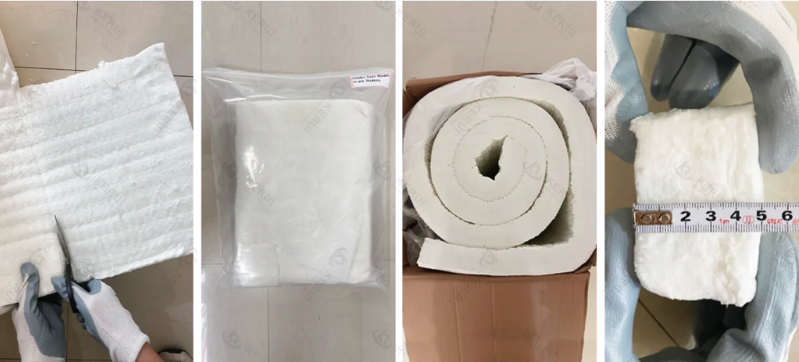
تسمح خدمات OEM للمصنعين بتصميم بطانيات من ألياف السيراميك حسب درجة الحرارة (معيار 1260 درجة مئوية مقابل. زركونيا 1430 درجة مئوية), كثافة (64-128 كجم/م3), والأبعاد المادية, بما في ذلك الشرائط والأشكال المخصصة. يدعم الموردون أيضًا وضع العلامات الخاصة, التعبئة والتغليف المخصصة, والتركيبات المتخصصة مثل Bio-Soluble أو Wet Wool لتلبية احتياجات التطبيقات المحددة.
مواصفات الخياطة: أبعاد, كثافة, ودرجات الحرارة
يمكن للمهندسين تحديد بطانيات ألياف السيراميك بناءً على المتطلبات الحرارية والفيزيائية الدقيقة بدلاً من الاعتماد فقط على المخزون الجاهز. عادةً ما يميز تخصيص درجة الحرارة بين الدرجات التجارية القياسية (حوالي 1260 درجة مئوية / 2300درجة فهرنهايت) ودرجات الزركونيا المستقرة (1430درجة مئوية / 2600درجة فهرنهايت). تقدم متغيرات الزركونيا ZrO₂ إلى مصفوفة الألومينا والسيليكا, مما يقلل بشكل كبير من الانكماش الخطي ويحافظ على السلامة الهيكلية في البيئات شديدة الحرارة حيث قد تتحلل البطانيات القياسية أو تصبح هشة.
العلامة التجارية, التعبئة والتغليف, وتكامل سلسلة التوريد
للموزعين ومصنعي المعدات على نطاق واسع, تدعم خدمات OEM وضع العلامات الخاصة الكاملة. وهذا يشمل الشعارات المطبوعة حسب الطلب على علب الكرتون, أكياس, والوثائق الفنية, ضمان اتساق العلامة التجارية عبر خط الإنتاج. يمكن للمصنعين أيضًا تكييف التغليف من أجل الكفاءة اللوجستية, تقديم المنصات الخشبية المسلحة, تغليف مقاوم للطقس, أو لفات وحدة قياس محددة لتبسيط عمليات المستودعات.
الأفكار النهائية
تعمل بطانيات ألياف السيراميك على تغيير جذري في كيفية إدارة الصناعات الثقيلة للطاقة الحرارية عن طريق تقليل الأحمال الهيكلية وتحسين كفاءة العزل. للشركات التي تقوم بالتوريد في ألياف السيراميك السائبة, العمل مع موثوقة موردي ألياف السيراميك يضمن جودة متسقة, إمدادات مستقرة, والأداء طويل الأمد في البيئات ذات درجات الحرارة العالية.
يعد اختيار درجة الألياف وكثافتها الصحيحة أمرًا ضروريًا لتحقيق المتانة وتوفير الطاقة. إذا كنت تبحث عن موثوق به موردي ألياف السيراميك للحلول القياسية أو المخصصة, يزور https://chinathermalinsulation.com/ لاستكشاف منتجاتنا أو طلب عرض أسعار مخصص اليوم.