Passer au contenu

The choice between Glass Wool vs Ceramic Fiber is a critical engineering decision that directly impacts furnace integrity, operational safety, and long-term energy costs. Selecting the wrong insulation for a high-temperature application isn’t a minor inconvenience; it’s a direct path to premature material failure, catastrophic heat loss, and potential equipment damage. When an insulation material fails to meet its specified temperature rating, the resulting thermal runaway can halt production and create significant safety hazards for personnel.
This guide provides a clear technical breakdown to help you specify the correct material for your project. We will compare these two insulations across the most important metrics: composition, maximum service temperature, and thermal conductivity. We will also analyze health and safety considerations to ensure regulatory compliance, giving you the data needed to choose the right insulation based on specific industrial application requirements.
Quick Comparison Overview: Glass Wool vs Ceramic Fiber
The choice between glass wool and ceramic fiber is driven almost entirely by the maximum service temperature required; one is a cost-effective solution for general use, while the other is engineered specifically for extreme industrial heat.
Temperature Range and Performance
The most significant operational difference between these two materials is their thermal limit. Glass wool is a proven insulator for low-to-mid temperature applications, but it cannot handle the conditions where ceramic fiber excels. Ceramic fiber is engineered from the ground up for extreme, continuous heat exposure in heavy industrial processes.
- Laine de verre: Suitable for applications with service temperatures up to 500°C.
- Fibre Céramique: Engineered for high-temperature industrial environments, capable of withstanding temperatures exceeding 1200°C.
Primary Applications and Market Segments
Each material serves a distinct market based on its thermal properties and cost structure. Glass wool is a commodity in construction and commercial systems where volume and cost are primary drivers. Ceramic fiber is a specialized material critical for high-value industrial assets where thermal failure is not an option.
- Laine de verre: Commonly used for building insulation, HVAC ductwork, and commercial appliances where cost-efficiency is a key factor.
- Fibre Céramique: Essential for lining industrial furnaces, fours, and high-temperature equipment requiring superior thermal shock resistance and stability.
Material Composition and Cost-Effectiveness
The fundamental materials dictate their market positioning and cost. Glass wool’s mature supply chain makes it an economical choice for widespread, less demanding applications. Ceramic fiber’s specialized composition and manufacturing process place it in a higher-cost, performance-driven category.
- Laine de verre: A cost-effective material with a mature supply chain, making it ideal for widespread use in less demanding thermal environments.
- Fibre Céramique: A specialized, higher-cost material whose value is in its long-term performance and durability in extreme heat applications.
Qu'est-ce que la laine de verre? Material and Temperature Limits
Glass wool is a cost-effective mineral fiber insulation engineered for low-to-mid temperature applications, with its performance limits dictated by the specific binder system used in manufacturing.
Composition and Manufacturing Process
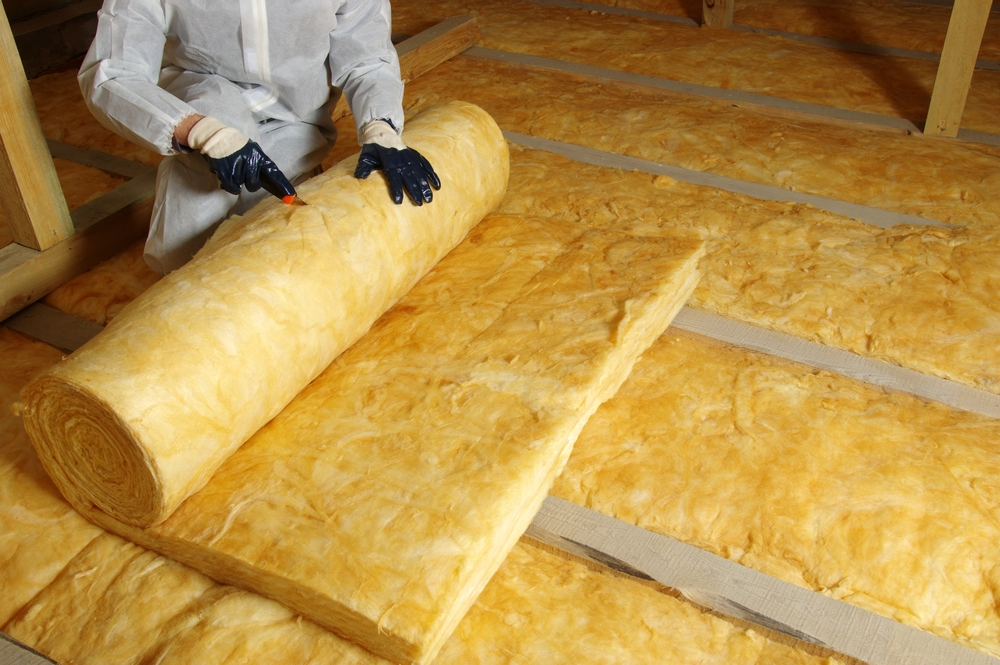
Glass wool is a type of mineral wool insulation created by melting a mixture of raw materials, primarily silica sand and recycled glass, with additions like limestone and dolomite. This molten material is then subjected to a fiberizing process, where it’s spun into fine, intertwined fibers. The result is a porous, wool-like mat with millions of tiny air pockets, which are responsible for its effective thermal and acoustic insulation properties.
- The primary raw materials are silica sand, calcaire, dolomie, and glass.
- A high-speed spinning process transforms the molten glass into a flocculent structure of intersecting fibers.
- Manufacturers add binders to hold the fibers together and may apply facing materials to enhance rigidity, vapor resistance, or durability.
Maximum Service Temperature by Grade
The maximum service temperature of glass wool is significantly lower than that of ceramic fiber and is highly dependent on the grade and binder used. Binders can degrade at higher temperatures, compromising the material’s structural integrity long before the glass fibers themselves melt. Always refer to the manufacturer’s technical datasheet for precise temperature ratings for a specific product.
- Standard building-grade glass wool typically has a maximum temperature limit around 200°C.
- Industrial high-temperature grades can often withstand continuous temperatures up to approximately 340°C.
- Some specialized, binder-free products may be rated for service up to 450–500°C, but these are not common.
Key Properties and Common Applications
Glass wool is specified for its reliable thermal performance, absorption acoustique, and ease of handling in applications that do not involve extreme heat. Its lightweight and flexible nature makes it a default choice for general construction and standard industrial equipment where cost-effectiveness is a primary driver.
- It offers low heat storage, which is beneficial for systems with intermittent heating and cooling cycles.
- Primary applications include building insulation (murs, toits, greniers), HVAC ductwork, and low-temperature industrial pipes and tanks.
- The material is simple to cut and fit, which simplifies installation around irregular shapes and reduces labor time.
Engineered Glass Wool For Your Specifications
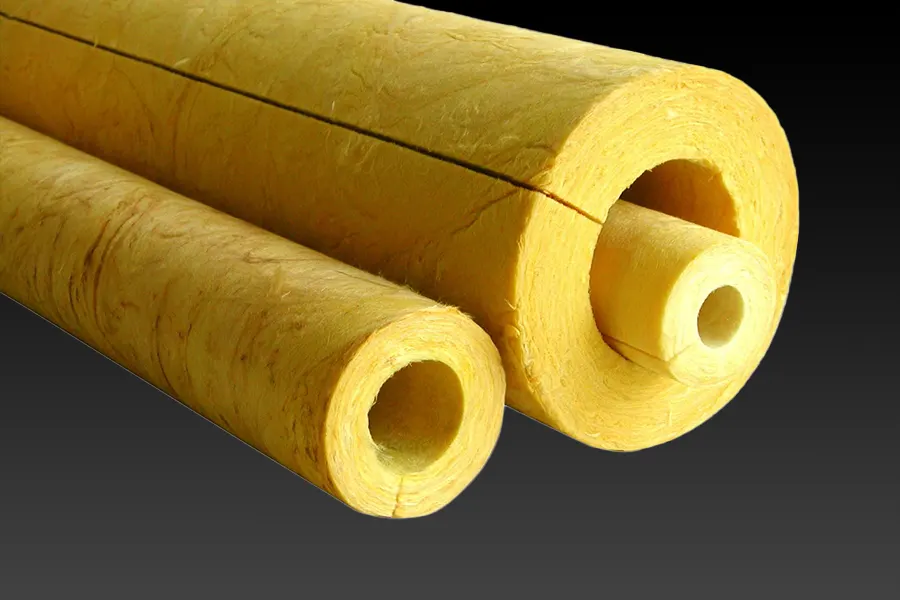
Qu'est-ce que la fibre céramique? Designed for Extreme Heat Environments
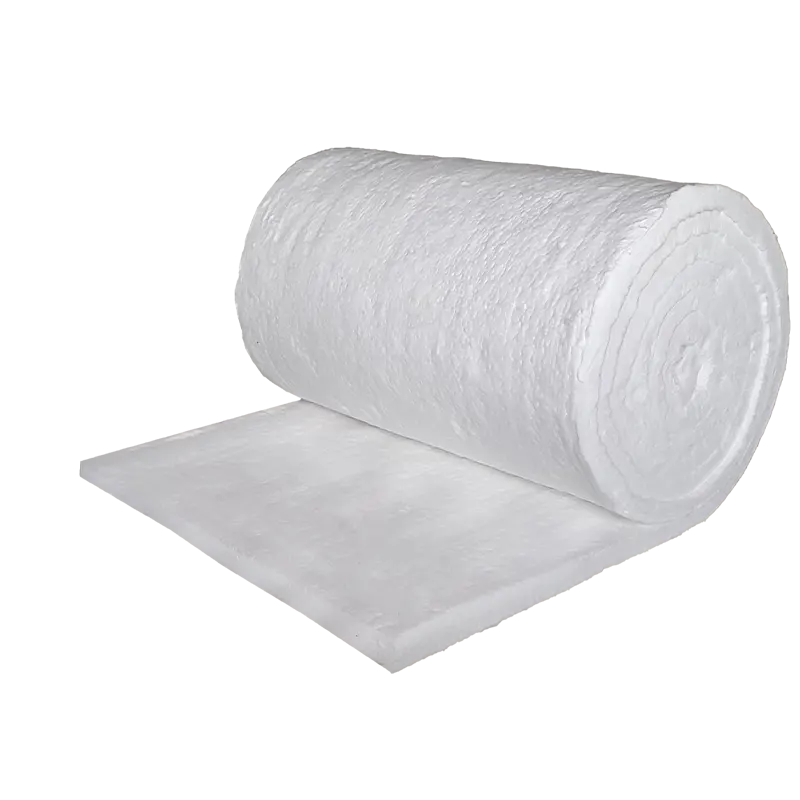
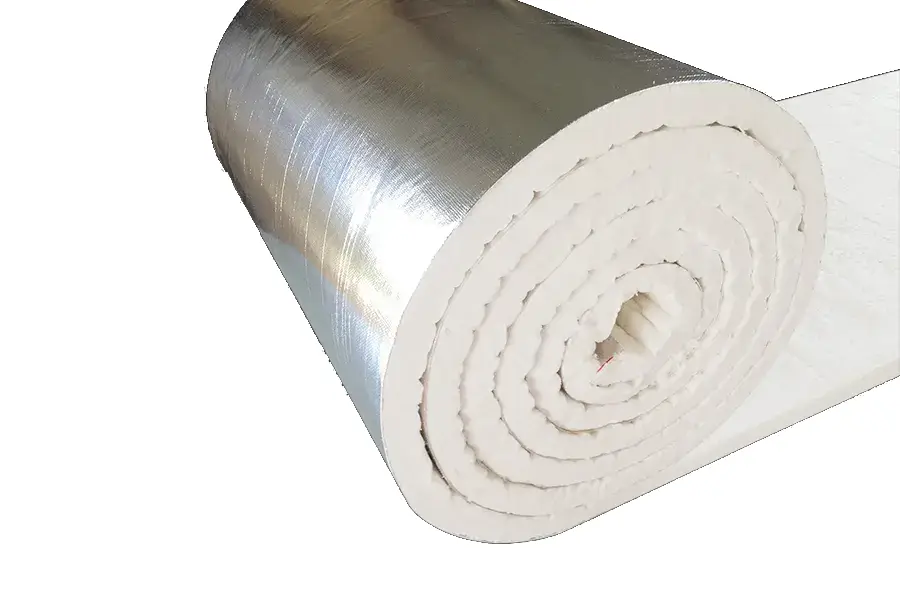
Ceramic fiber provides reliable thermal management and structural integrity in environments where temperatures exceed 2,000°F (1,093°C), far beyond the limits of conventional insulation.
Core Material Characteristics
Ceramic fiber is an advanced insulation engineered for high thermal efficiency, durabilité, et stabilité chimique. Its internal structure minimizes heat transfer, allowing it to withstand harsh industrial conditions without significant degradation.
- Features low thermal conductivity and low heat storage for improved energy efficiency.
- Offers excellent thermal shock resistance, maintaining integrity during rapid temperature changes.
- Provides strong chemical inertness, resisting corrosion in most industrial settings.
Operating Temperature Range
This material is specifically designed for extreme heat. Standard ceramic fiber products perform reliably at continuous temperatures that approach 2,600°F (1,425°C), making them essential for heavy industrial processes.
- Standard product formulations are rated for continuous use at temperatures reaching 2,600°F (1,425°C).
- Premium-grade ceramic fiber materials can extend thermal protection to as high as 3,000°F (1,650°C).
- Maintains its structural and insulating properties under continuous high-heat operations.
Applications industrielles primaires
Ceramic fiber is a critical material for heat containment and equipment protection in high-temperature operations. Its use directly improves process efficiency and extends the lifecycle of industrial assets.
- Serves as lining for industrial furnaces, fours, and boilers to reduce heat loss.
- Used for insulating equipment in petrochemical processing and power generation plants.
- Applied in specialized sectors like electric vehicle manufacturing and aerospace systems for thermal management.
Glass Wool vs Ceramic Fiber in Composition and Manufacturing Process
The fundamental difference between these materials starts at their source: glass wool is produced by melting common silica, while ceramic fiber is created by firing high-purity alumino-silicates, directly influencing their thermal performance and cost.
Différences de matières premières: Silica vs Alumino-Silicate
The performance capabilities of glass wool and ceramic fiber are rooted in their base chemistry. Glass wool originates from widely available, silica-based materials like sand and recycled glass. This composition makes it a cost-effective and reliable insulator for common thermal and acoustic applications. Fibre céramique, d'autre part, is derived from a much higher-purity blend of alumina and silica, specifically formulated for high-temperature stability in demanding industrial settings.
- Laine de verre: Primarily composed of silicon dioxide, it’s engineered for applications that operate below 500°C. Its raw material base ensures a lower production cost and a mature supply chain.
- Fibre Céramique: Formulated with a precise blend of alumina and silica, this alumino-silicate base provides the structural integrity needed to withstand extreme industrial heat, often exceeding 1200°C.
Manufacturing Method: Melting and Blowing vs High-Temperature Firing
The production paths for these two materials are entirely different. Glass wool manufacturing involves melting the raw materials in a furnace and then fiberizing the molten glass, typically using high-velocity air jets or a spinning process. This method is efficient and well-established. Ceramic fiber production requires a more complex and energy-intensive firing process. The alumino-silicate compounds are fired at extreme temperatures to create a resilient, crystalline structure before being processed into fibers, resulting in a material with superior heat resistance and thermal shock properties.
Impact on Production Cost and Market Positioning
The divergence in raw materials and manufacturing complexity directly translates to cost and market application. Glass wool’s accessible inputs and simpler production lead to lower costs, making it the dominant insulation for cost-sensitive projects in construction, Systèmes CVC, and general pipe insulation. The specialized materials and energy-heavy firing process make ceramic fiber a higher-cost product. This positions it as a premium solution engineered for critical, high-temperature industrial sectors like furnace linings, fours, and petrochemical equipment, where thermal performance and durability justify the investment.
Glass Wool vs Ceramic Fiber in Maximum Service Temperature
The primary factor separating glass wool and ceramic fiber is maximum service temperature; glass wool is limited to around 540°C, while ceramic fiber is engineered for continuous operation in industrial environments exceeding 1200°C.
Understanding the temperature limits of these materials is the most critical step in proper material selection. Each is designed for a fundamentally different thermal environment, and their performance capabilities reflect this specialization.
Laine de verre: Performance in Low-to-Mid Temperature Ranges
Glass wool is the go-to insulation for applications where temperatures stay moderate. Its performance is reliable and well-documented in sectors like building construction, Conduits CVC, and commercial appliances. The material’s structural integrity has a clear ceiling, with a maximum continuous service temperature of approximately 540°C (1000°F). For any thermal environment that operates below this threshold, glass wool provides a highly cost-effective and proven solution.
| Caractéristiques | Laine de verre | Fibre Céramique |
|---|---|---|
| Température de service maximale | Environ. 540°C (1000°F) | 1200°C (2192°F) and higher |
| Demande principale | Building, CVC, Commercial Appliances | Fours industriels, Kilns, Reactors |
| Economic Rationale | Cost-effective for non-extreme heat | Over-engineered and expensive for low-temp use |
Fibre Céramique: Designed for Extreme High-Temperature Industrial Use
Ceramic fiber operates in a completely different class of thermal environments. It is engineered specifically for severe industrial settings where constant, extreme heat is the norm. Standard grades are rated for continuous use at 1200°C (2192°F) or more, with specialized formulations pushing that limit even higher. This makes it indispensable for lining industrial furnaces, fours, et réacteurs, where it maintains its structural integrity and insulating properties without failure. Its selection is driven by durability and reliable performance in processes where other materials would simply melt or degrade.
The Performance Gap: A Clear Division in Application
The huge gap in temperature ratings creates a clear and practical division in the market. There is almost no application overlap between these two materials. Glass wool is structurally incapable of surviving the heat inside an industrial furnace, and using ceramic fiber for standard building insulation would be grossly over-engineered and financially impractical. The decision-making process is direct: material selection is almost always dictated by the maximum operating temperature of the application.
Glass Wool vs Ceramic Fiber in Thermal Conductivity and Heat Retention
Glass wool offers cost-effective thermal efficiency for standard building and HVAC applications, but ceramic fiber’s low thermal conductivity and minimal heat storage are essential for controlling extreme temperatures and improving cycle times in industrial furnaces.
Thermal Conductivity in Low-to-Mid Temperature Ranges
Glass wool excels in thermal efficiency for applications operating at ambient or moderate temperatures. Its structure is highly effective at trapping air, making it a cost-effective solution for building insulation and HVAC systems where temperatures rarely exceed 500°C.
- Offers superior thermal performance and cost-effectiveness in its intended temperature range.
- Its effectiveness diminishes significantly at high temperatures, where its structure begins to degrade.
- Dominates the market for general construction and commercial insulation due to its proven performance and mature supply chain.
| Mesure de performances | Laine de verre | Fibre Céramique |
|---|---|---|
| Conductivité thermique | Excellent at ambient temperatures (environ. 0.044 W/m·K) | Maintains very low conductivity at extreme temperatures |
| Primary Operating Range | Up to ~500°C | 1250°C à 1600°C |
| Stockage de chaleur | Moderate; less suitable for rapid temperature changes | Minimal; enables fast thermal cycling and energy savings |
Heat Retention and Performance in High-Temperature Environments
Ceramic fiber is engineered for extreme heat. It maintains low thermal conductivity and excellent heat retention in industrial settings like furnaces and kilns. This stability is critical for energy efficiency and process control in high-temperature operations.
- Provides reliable thermal insulation in continuous operating temperatures from 1250°C to 1600°C.
- Reduces heat loss in industrial equipment, directly contributing to lower energy consumption.
- The material’s composition ensures it remains stable and effective under thermal shock and continuous heat exposure.
Low Heat Storage for Industrial Efficiency
A key advantage of ceramic fiber is its minimal heat storage. This property allows equipment like furnaces to heat up and cool down more quickly, which improves cycle times and reduces overall energy use in industrial processes.
- Allows for faster thermal cycling in industrial applications, boosting productivity.
- The low heat storage capacity makes it the preferred material for energy-intensive industries.
- Laine de verre, par contre, retains more heat, making it less suitable for applications requiring rapid temperature changes.
Glass Wool vs Ceramic Fiber in Health, Sécurité, and Regulatory Compliance
The health and safety profiles of these materials diverge significantly: fibre céramique réfractaire (FCR) is a classified carcinogen requiring strict handling protocols, while glass wool has a more favorable classification, reducing regulatory complexity and long-term liability.
Material Hazard Classifications
Glass wool generally holds a more favorable health classification than refractory ceramic fibers (FCR). This distinction is a primary factor in material selection, especially for non-industrial applications or any environment with frequent human contact. The different classifications directly shape long-term liability, compliance costs, and worker safety programs for any facility using RCF.
- Glass wool is typically classified by the International Agency for Research on Cancer (CIRC) as Group 3, meaning it is not classifiable as to its carcinogenicity to humans.
- En revanche, RCF is classified as a Group 1B carcinogen in the EU, a designation that mandates strict handling protocols and prominent safety warnings.
- This difference in classification directly impacts long-term liability and the operational cost of compliance for facilities handling RCF.
Occupational Exposure and Handling Protocols
Both materials require personal protective equipment (EPI) during installation and removal, but the protocols for RCF are far more stringent due to its health risks. Proper handling is critical to minimize respiratory exposure to airborne fibers, which are generated during cutting, convenable, or removal operations.
- Standard PPE for glass wool includes dust masks (like N95), gants, and eye protection to prevent mechanical skin and respiratory irritation.
- Handling RCF demands advanced PPE, including respirators with appropriate filters, full-body coverage, and controlled work environments to limit fiber inhalation.
- Workplace air quality monitoring is often legally mandated in facilities where RCF is regularly cut, installé, or removed to ensure exposure limits are not exceeded.
Regulatory Standards and Compliance Burdens
Global regulations, with the European Union leading the way, impose tight restrictions on the use and handling of RCF. These standards heavily influence material choices for international projects and drive innovation toward safer alternatives that can meet high-temperature demands without the associated compliance overhead.
- The EU’s REACH (Inscription, Évaluation, Autorisation et restriction des produits chimiques) regulation places strict controls on RCF, impacting its market access and acceptable uses.
- RCF compliance creates significant administrative burdens, including worker training documentation, specific hazard labeling, and specialized disposal procedures.
- Glass wool faces far fewer regulatory hurdles, simplifying project specifications and reducing the costs associated with long-term management and disposal.
The Role of Bio-Soluble Fibers
To address the health risks of RCF, the industry developed low bio-persistent, or bio-soluble, fibers. These advanced materials offer comparable high-temperature performance but are engineered to dissolve in bodily fluids if inhaled. This key characteristic allows them to be exonerated from the carcinogenic classification that applies to traditional RCF.
- Bio-soluble fibers provide a high-performance alternative for extreme-heat applications where worker safety is a primary concern.
- Their exoneration from the carcinogenic classification significantly reduces regulatory burdens and simplifies workplace safety programs.
- Adopting bio-soluble fibers allows companies to meet stringent thermal insulation requirements while improving their overall health and safety standards.
Glass Wool vs Ceramic Fiber in Industrial and Construction Applications
Material selection is driven by operating temperature and budget. Glass wool dominates cost-sensitive construction and low-temperature industrial sectors, while ceramic fiber is the required solution for high-heat refractory applications.
Construction and HVAC Systems
Glass wool is the standard material in construction and HVAC. Its strong cost-efficiency, combined with effective acoustic dampening, makes it the default choice for insulating buildings and air ducts where temperatures are moderate. It provides a reliable thermal barrier without the expense of high-temperature specialty materials.
- Used for thermal and sound insulation in the walls, toits, and floors of residential and commercial buildings.
- Wraps HVAC ductwork to maintain stable air temperatures, reduce energy loss, and control condensation.
- Not suitable for any environment involving high process heat, such as industrial furnaces or exhaust systems.
Low-to-Mid Temperature Industrial Equipment
In industrial settings, glass wool provides an economical insulation solution for equipment operating below 600°C. For commercial ovens, chaudières, and certain piping systems, it delivers effective thermal management, preventing heat loss and improving operational efficiency at a low material cost.
- Offers thermal control for equipment like commercial ovens, chaudières, and dryers.
- Insulates pipes and storage tanks to maintain process temperatures and prevent energy waste in non-extreme conditions.
- Provides a cost-effective choice for large-scale equipment insulation where heat exposure is not severe.
High-Temperature Industrial Furnaces and Kilns
Ceramic fiber is engineered specifically for extreme-heat applications. It serves as the primary insulation for linings in industrial furnaces, fours, and other refractory systems where temperatures routinely exceed 1200°C. Dans ces environnements, glass wool would fail completely.
- Forms the hot-face lining in furnaces and kilns to contain extreme heat, reduce structural temperatures, and improve energy efficiency.
- Used to create high-temperature gaskets, seals, and expansion joints that remain stable during thermal cycling.
- Delivers consistent thermal performance and structural stability where glass wool would degrade or melt.
When to Choose Glass Wool and When Ceramic Fiber Is the Better Option
The choice between glass wool and ceramic fiber is a direct trade-off between cost-efficiency for moderate temperatures and specialized performance for extreme heat, guided by application-specific temperature, budget, and safety requirements.
Choose Glass Wool for Cost-Effective, Low-to-Mid Temperature Needs
Glass wool is the standard choice for applications where cost-efficiency is a primary driver and operating temperatures remain moderate. It dominates the building and HVAC sectors because it provides effective thermal and acoustic performance at a significantly lower price point. Its manufacturing process is mature and optimized for large-scale production, ensuring wide availability and competitive costs.
- Best suited for building insulation (murs, toits, greniers), HVAC ductwork, and general commercial applications where temperatures do not exceed 500°C.
- Provides a strong balance of thermal resistance (Valeur R) and economic value for any non-industrial setting.
- It is not designed for the extreme, sustained heat found in industrial furnaces, fours, or refractory systems, where it would quickly degrade and fail.
Choose Ceramic Fiber for High-Temperature Industrial Performance
Ceramic fiber is engineered specifically for extreme heat environments where material stability and operational safety are non-negotiable. Its alumino-silicate composition allows it to withstand continuous high temperatures well above 1200°C, making it essential for heavy industrial processes. The higher upfront cost is a direct investment in performance, durabilité, and risk mitigation in applications where other materials would melt or lose structural integrity.
- The clear choice for high-temperature industrial applications like furnace linings, fours, chaudières, and reformers.
- Its premium price is justified by superior thermal performance, excellente résistance aux chocs thermiques, and safety in extreme heat.
- Necessary for applications where heat containment is critical for process efficiency and equipment protection.
| Selection Criterion | Choose Glass Wool When… | Choose Ceramic Fiber When… |
|---|---|---|
| Température de service maximale | Operations are consistently below 500°C (932°F). | Operations exceed 600°C and can reach up to 1600°C (2912°F). |
| Demande principale | Building insulation, Systèmes CVC, commercial piping, et absorption acoustique. | Revêtements de four, fours, chaudières, refractory systems, and industrial fire protection. |
| Budget & Cost Driver | Cost-efficiency is the primary driver; lower upfront material and installation costs. | Performance and long-term durability justify a higher upfront investment. |
| Key Performance Requirement | Balanced thermal and acoustic insulation for non-extreme environments. | Absolute thermal stability, heat containment, and resistance to thermal shock are critical. |
Core Selection Criteria: Temperature, Budget, and Safety
The decision between glass wool and ceramic fiber comes down to a few key factors. Analyzing the maximum service temperature, project budget, and safety requirements will lead to the optimal material choice for both performance and operational efficiency. A disciplined approach ensures you don’t overspend on unnecessary performance or, more critically, specify a material that will fail under operational stress.
- Temperature: Define the maximum continuous and peak temperatures your application will face. This is the first and most important filter.
- Budget: Weigh the upfront material cost against required performance and long-term operational savings. Ceramic fiber’s higher cost is often recovered through energy savings and reduced maintenance in high-heat processes.
- Sécurité: For applications with specific occupational health standards, consider bio-soluble ceramic fiber formulations. These newer materials offer high-temperature performance with an improved safety profile, addressing regulatory and worksite concerns.
How to Work With a Reliable Glass Wool Manufacturer
Selecting a reliable glass wool manufacturer goes beyond price, focusing on verifiable certifications, proven production capacity, and transparent technical support.
Finding the right manufacturing partner is critical for ensuring project quality and timeline adherence. The modern insulation market uses a clear set of benchmarks to distinguish top-tier producers from mere suppliers. These criteria focus on quality management systems, logistical capabilities, and the depth of their technical expertise. A thorough evaluation of these areas separates partners who can deliver consistent, high-performance materials from those who can’t.
Verify Certifications and Product Standards
A reliable manufacturer’s commitment to quality is proven through its certifications. Look for compliance with international standards like ISO 9001 for quality management and ISO 14001 for environmental systems. Product testing according to ASTM or EN frameworks ensures the material performs as specified. These documents are not just formalities; they are proof of consistent production processes and end-product performance.
- Confirm the manufacturer holds current ISO 9001 et ISO 14001 certifications.
- Request documentation showing products meet specific industry standards, such as ASTM or EN for thermal performance.
- Ask about the recycled content in their products; high percentages, souvent 86-90%, indicate modern and environmentally conscious production.
Evaluate Production Capacity and Supply Chain
Beyond product quality, a dependable partner must have the manufacturing capacity and logistical infrastructure to meet your project deadlines. Assessing their ability to handle your order volume and adhere to agreed-upon lead times is crucial. A large factory footprint and multiple production lines, like a monthly capacity of over 10,000 tons, signal an ability to scale with your needs and mitigate supply chain disruptions.
- Inquire about their production capacity to ensure they can fulfill both current and future order volumes.
- Discuss their typical lead times and ask for data or references regarding their on-time delivery record.
- Understand their packaging and shipping processes to prevent damage and ensure timely, efficient arrival.
Assess Technical Transparency and Support
A trustworthy manufacturer provides clear, verifiable technical data and offers robust support. They should readily supply detailed product specifications and have a knowledgeable team to assist with application-specific questions. This transparency separates commodity sellers from true technical partners who can help optimize material selection for better project outcomes.
- Request detailed technical data sheets with standardized thermal conductivity values (W/m·K) and other key performance metrics.
- Check for the availability of a technical support team that can provide guidance on product selection and installation.
- Confirm they can provide clear information on customization capabilities and how alterations to density or thickness affect performance.
Conclusion
Choosing between glass wool and ceramic fiber depends almost entirely on the maximum service temperature of your application. Glass wool is a reliable, cost-effective choice for general construction and industrial systems, while ceramic fiber is engineered specifically for extreme-heat environments like furnaces and kilns. Selecting the right material is critical for ensuring operational safety, efficacité thermique, and long-term asset integrity.
If you are evaluating insulation for a high-temperature project, our engineering team can help analyze your technical requirements. We can provide material specifications and project-specific quotes to ensure you select the most effective solution.
Foire aux questions
Which handles higher temperatures?
Ceramic fiber is engineered for high-temperature industrial applications, capable of withstanding temperatures exceeding 1200°C (2192°F). En revanche, glass wool is designed for low-to-mid temperature use, with a typical maximum service temperature around 500°C (932°F).
Ce qui est moins cher?
Glass wool is significantly more cost-efficient. Its lower price point is due to mature, high-volume manufacturing processes and less expensive raw materials, making it the standard choice for residential and commercial building insulation where cost is a primary driver.
Is ceramic fiber hazardous?
Oui, certain types of ceramic fiber, particularly Refractory Ceramic Fiber (FCR), can be hazardous. When cut or disturbed, they can release fine, respirable fibers that are classified as a potential carcinogen if inhaled. Handling requires strict adherence to safety protocols, including the use of Personal Protective Equipment (EPI) like respirators and protective clothing. Newer, bio-soluble fiber formulations are available that are designed to be less hazardous.
Can glass wool melt?
Oui, glass wool can melt if exposed to temperatures beyond its operational limits. While its maximum service temperature is typically around 500°C (932°F), the glass fibers themselves will begin to soften and fuse at higher temperatures, generally above 700°C (1300°F), causing the material to lose its structural integrity and insulating properties.
Qui dure plus longtemps?
In their respective applications, both materials are designed for long service life. Cependant, ceramic fiber generally exhibits superior durability due to its resistance to extreme heat and thermal shock in harsh industrial settings. Glass wool can have a very long lifespan in stable environments like building insulation, but its longevity can be compromised by factors like moisture compression or exposure to temperatures above its rated limit.