콘텐츠로 건너 뜁니다

In commercial and industrial environments, improper insulation specification is not a minor oversight. It directly leads to inflated energy expenditures, compromised HVAC system integrity, and potential non-compliance with building regulations.
This guide serves as a technical reference, breaking down the core functions of 유리솜 단열재 across different systems. We will cover its application in building envelopes for thermal control, its role in fireproofing ducts, its performance in industrial piping, and its value in acoustic management. Use this information to correctly specify insulation for your project’s unique thermal, 안전, and acoustic demands.
Glass Wool Insulation Applications
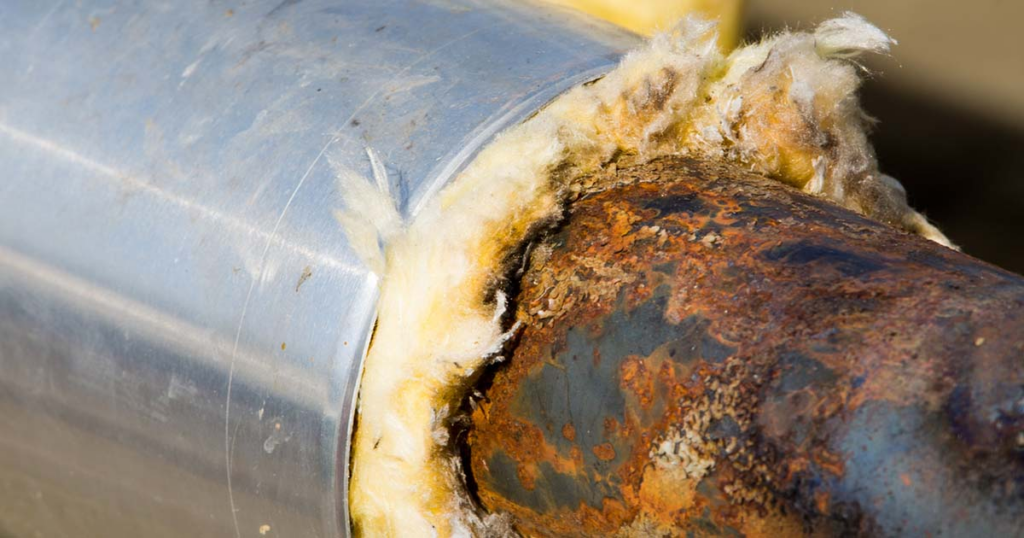
Glass wool is a foundational material for thermal, 음향학, and fire safety management across construction, 기계 시스템, 및 산업 부문.
Thermal and Acoustic Solutions in Construction
Glass wool is a primary material for controlling heat and sound in residential and commercial buildings. 현재 2026, project specifications often demand products with high recycled content and formaldehyde-free binders to meet green building standards. This directly improves both the building’s energy efficiency and its indoor environmental quality.
- Provides thermal barriers for walls, 지붕, and floors to reduce heat transfer and lower energy costs.
- Offers effective sound absorption for partition walls, 천장, and flooring systems to control noise transfer between spaces.
- Includes variants with aluminum foil facing or integrated vapor barriers to manage moisture and prevent condensation buildup within building envelopes.
HVAC and Refrigeration Systems
In mechanical systems, glass wool insulation is critical for maintaining temperature stability and preventing energy waste. It is standard practice to apply it to ductwork, 관, and refrigeration units to guarantee operational efficiency and protect the equipment from thermal stress and moisture damage.
- Wraps around HVAC ducts to minimize thermal loss or gain as conditioned air is distributed throughout a building.
- Insulates refrigeration lines and cold storage equipment to maintain stable, low temperatures required for their operation.
- Helps prevent condensation on cold pipes and duct surfaces, protecting system components from corrosion and moisture-related failures.
Industrial and Transportation Insulation
The material’s high durability and inherent fire resistance make it a reliable choice for demanding industrial and transportation settings. Engineers integrate it into lightweight composite systems to insulate industrial equipment, 프로세스 배관, and vehicles effectively.
- Used for the thermal insulation of industrial pipes, 보일러, 용광로, and large-scale storage tanks.
- Applied in automotive, marine, and rail transportation to provide both thermal and acoustic control in engine compartments and cabins.
- Offers functional fire resistance in environments with temperatures up to 450°C, enhancing safety in high-heat industrial applications.
단열재: Glass Wool in Building Wall and Roof Insulation
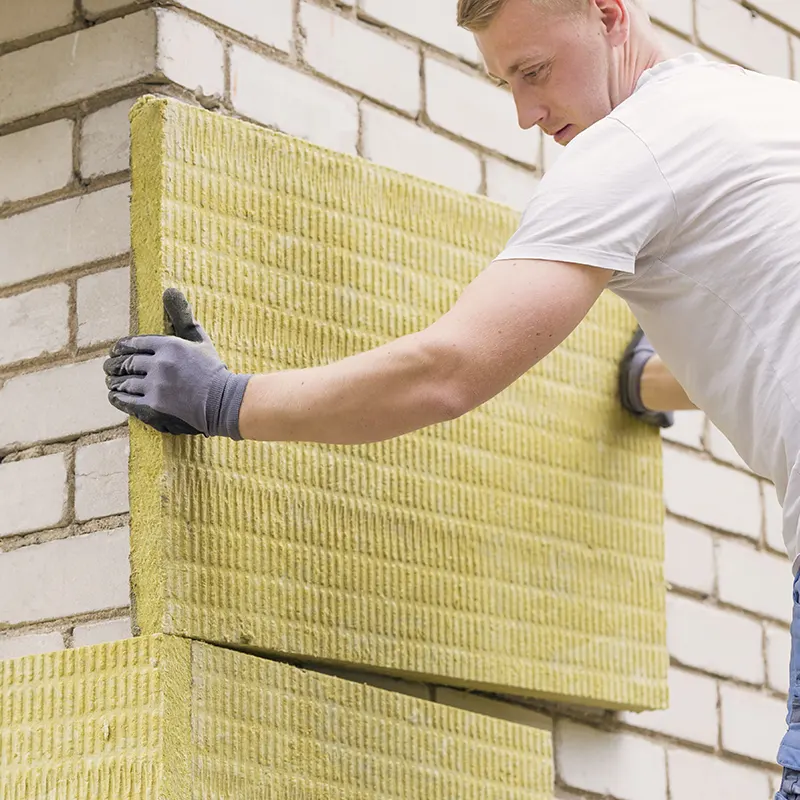
Glass wool is the default specification for building envelopes because its low thermal conductivity directly translates into lower operational energy costs and straightforward compliance with modern building codes.
Energy Efficiency and Cost Reduction
Glass wool insulation is fundamental to the energy performance of residential and commercial buildings. By creating a thermal barrier in walls and roofs, it minimizes heat transfer, which stabilizes indoor temperatures. This directly reduces the operational load on HVAC systems, leading to documented energy cost savings of up to 30%. The material maintains its effectiveness over the entire lifespan of the building, ensuring a reliable and long-term return on investment.
- Lowers energy consumption by preventing heat loss in winter and heat gain in summer.
- Creates a consistent thermal barrier for stable and comfortable indoor environments.
- Retains its insulating properties throughout the building’s lifecycle, providing sustained performance.
| 성능 지표 | RPPOWER® Glass Wool Specification | Impact on Building Envelope |
|---|---|---|
| 열전도율 (Lambda) | ≤ 0.032 w/(m·K) | Enables thinner wall construction or higher R-values for superior energy efficiency. |
| 재료 밀도 | 10 – 50 kg/m3 | Reduces structural load on walls and roofs, simplifying installation and transport. |
| 화재 등급 | 클래스 A1 (비전동) | Fulfills stringent fire safety codes for both residential and commercial structures. |
Compliance with Building and Sustainability Standards
현재 2026, construction projects face strict energy codes and sustainability benchmarks. Glass wool insulation is a key material for achieving compliance. Its use helps builders and architects meet the criteria for green building certifications like LEED by contributing to the overall thermal performance of the building envelope. Its non-combustible nature also ensures that projects align with critical fire safety regulations.
- Fulfills the requirements of modern energy efficiency regulations.
- Contributes credits toward sustainable building certifications.
- Features non-combustible properties that align with fire safety codes.
Thermal and Acoustic Performance
The fibrous structure of glass wool provides a dual benefit: excellent thermal control and effective sound absorption. This makes it a practical solution for environments where both temperature regulation and noise reduction are important. A high thermal resistance (R-값) is essential for an effective building envelope, while its sound-dampening qualities reduce noise from outside and between rooms. The material is also lightweight, simplifying installation in wall cavities and attic spaces without adding significant structural load.
- Provides high thermal resistance (R-값) for an effective building envelope.
- 음파를 흡수합니다., reducing noise transmission from outside and between interior rooms.
- Simplifies installation in wall cavities and attic spaces due to its lightweight nature.
Custom-Engineered Glass Wool Insulation Solutions
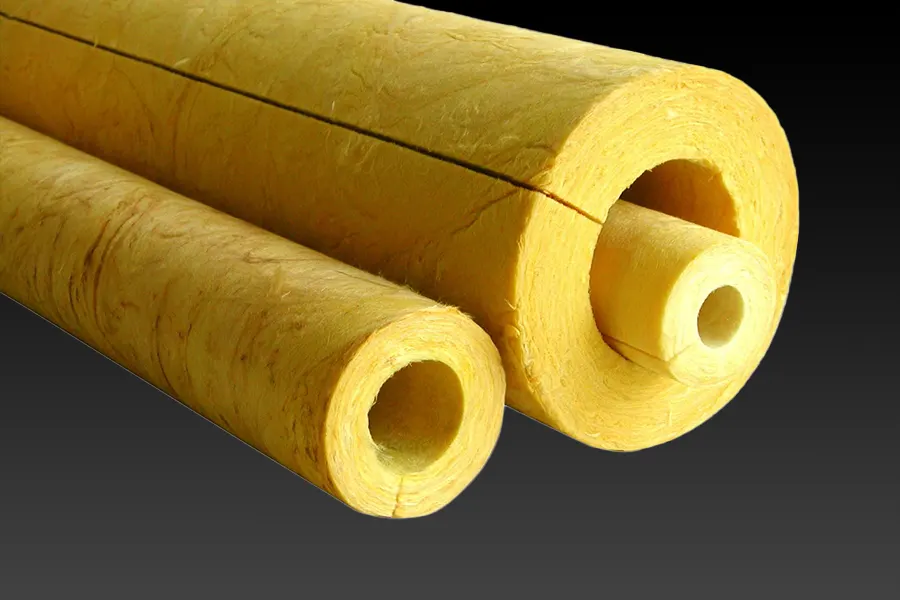
Fireproofing: Glass Wool for HVAC Duct and Air Conditioning Systems
Glass wool’s inherent non-combustibility makes it a standard for HVAC ductwork, providing a critical fire barrier that contains flames and preserves structural integrity without compromising thermal performance.
Non-Combustible Properties in Ductwork
Glass wool’s natural non-combustibility makes it a primary material for fireproofing HVAC systems. It does not support combustion, a fundamental requirement for materials used in air distribution networks to prevent fire propagation through a building. This property is inherent to the material itself, derived from glass fibers.
- Classified as a non-combustible material according to key international fire safety standards.
- Provides a reliable fire barrier without the need for chemical fire-retardant additives.
Preventing Flame Spread in Ventilation Systems
A critical function of glass wool insulation in HVAC ducting is to contain a fire and prevent it from spreading through the building’s ventilation network. This containment is vital for occupant safety and minimizing property damage, as unprotected ductwork can quickly channel smoke and flames to other parts of a facility.
- Acts as a barrier against flames originating from both inside and outside the ductwork.
- Helps compartmentalize fire, slowing its progress between different areas of a structure.
Maintaining Structural Integrity Under Thermal Stress
화재 발생 시, glass wool insulation helps protect the ductwork itself from deforming or collapsing due to intense heat. Its ability to maintain its form and insulating properties ensures the system remains intact for longer, preserving critical pathways for smoke extraction or controlled airflow.
- Resists high temperatures without melting or breaking down, preserving the duct’s structure.
- The stable material composition ensures consistent performance and protection during thermal emergencies.
Meeting Building Codes and Safety Standards
The use of glass wool for HVAC fireproofing is often driven by strict building codes that mandate fire-resistant materials in ventilation systems. Its adoption reflects an industry-wide move toward integrated safety and energy efficiency, where materials must serve multiple functions to be commercially viable.
- Helps HVAC installations comply with fire safety mandates in commercial and residential construction.
- The dual benefit of thermal insulation and fire protection supports modern building design strategies that prioritize both safety and operational efficiency.
Industrial uses: Glass Wool in Pipe Insulation and Thermal Control
Glass wool is the standard for industrial pipe insulation, offering reliable thermal control across a wide temperature range while its moisture resistance helps prevent costly corrosion under insulation.
Thermal Management for Industrial Pipe Systems
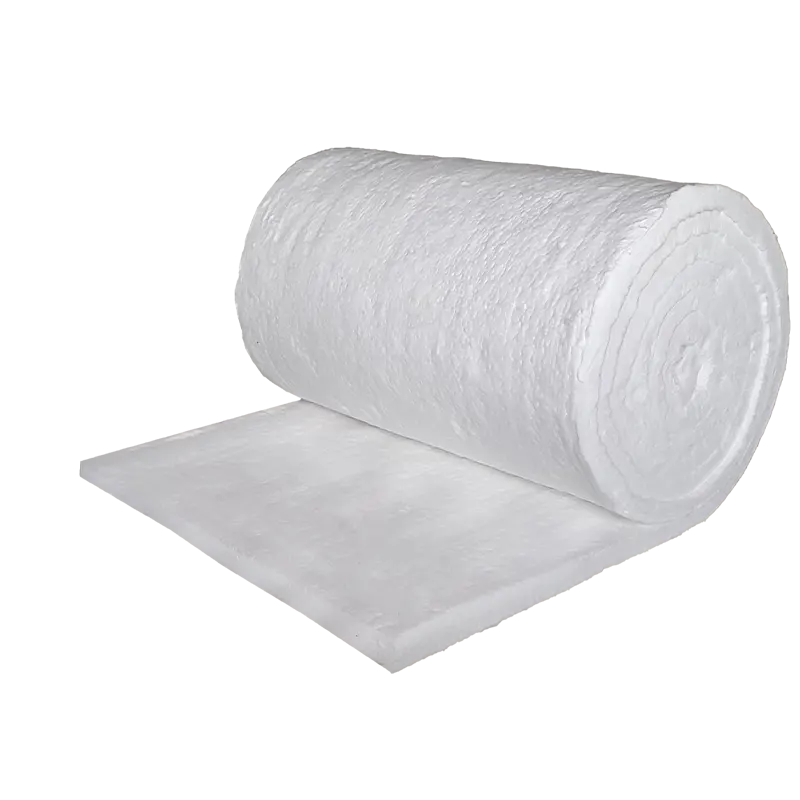
Glass wool insulation is a primary choice for thermal control in industrial pipe systems, balancing cost-effectiveness with solid performance across a wide temperature spectrum. Compared to alternatives like mineral wool or cellular glass, its installation is simpler, saving time and labor costs on large-scale projects. The material’s reliability stems from its key operational characteristics:
- Maintains stable performance in temperatures ranging from –60°F to 650°F.
- Provides an economical solution for insulating extensive pipeline networks.
- Reduces heat loss in pipelines, which improves energy efficiency and lowers operational expenses.
Moisture and Corrosion Resistance in Processing Plants
In processing plants, moisture is a constant threat that can lead to Corrosion Under Insulation (어느)—a major cause of equipment failure. Glass wool helps mitigate this risk in demanding environments like chemical plants, power facilities, and large-scale HVAC systems. Its resistance to moisture absorption is critical for protecting system integrity and maintaining operational efficiency.
- Limits moisture absorption to safeguard pipes from corrosive damage.
- Ensures consistent thermal performance in humid or damp conditions.
- Supports the longevity of infrastructure in chemical and power generation facilities.
Custom Insulation for Complex Equipment
Standard pipe sections cannot effectively insulate complex components like flanges, 밸브, 그리고 열교환기. This is where custom-fabricated glass wool blankets and flexible wraps are essential. This approach ensures there are no gaps in the thermal envelope, which is critical for maximizing efficiency and safety in high-temperature environments like petrochemical plants.
- Offers adaptable thermal solutions for non-standard equipment shapes.
- Meets the needs of high-temperature applications in petrochemical plants.
- Provides a precise fit to maximize heat containment on intricate machinery.
음향 단열재: Glass Wool for Acoustic and Soundproofing Solutions
Glass wool provides reliable acoustic control because its fibrous structure effectively traps and dissipates sound energy. Modern manufacturing allows for precise density engineering, making it possible to target specific sound frequencies for optimal noise reduction in various environments.
Applications in Residential and Commercial Buildings
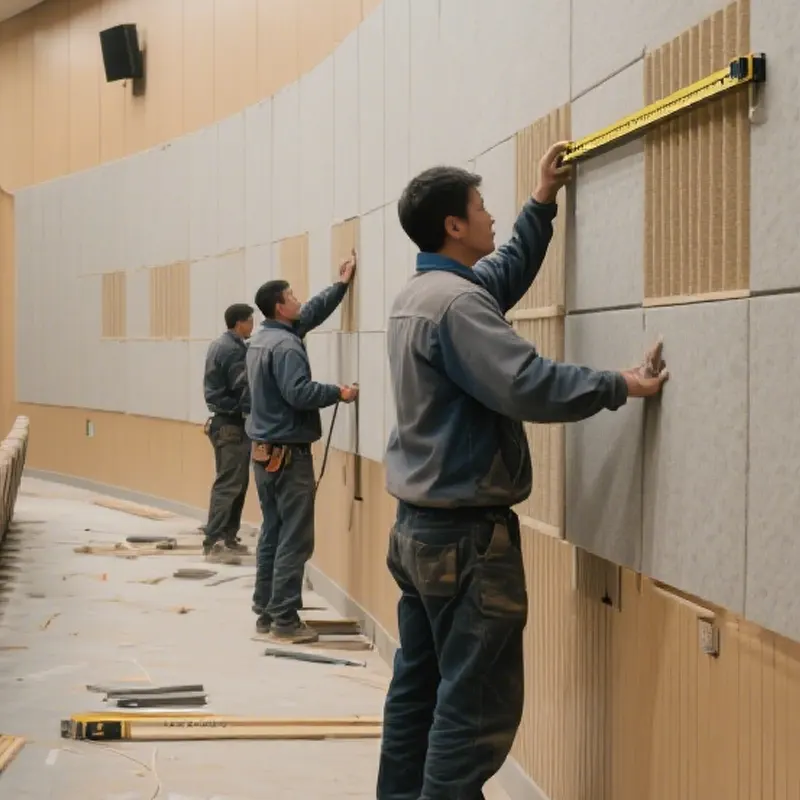
Glass wool is a primary material for soundproofing in urban construction, driven by the need to control noise in densely populated areas. It is installed in partition walls, 바닥, and ceilings to block sound transmission between adjacent spaces. This application is standard in high-rise apartments, 상업 사무실, and specialized venues like theaters or recording studios where acoustic integrity is critical.
- Reduces airborne noise transfer in multi-family residential units.
- Improves acoustic privacy and reduces distractions in commercial office buildings.
- Provides sound absorption to create quieter, more focused environments in schools and healthcare facilities.
Customizable Density for Optimized Sound Absorption
Glass wool insulation can be manufactured to specific densities to control different sound frequencies. This customization allows architects and engineers to select a product that directly addresses the unique acoustic challenges of a project. Whether dampening low-frequency industrial hum or absorbing high-frequency speech, the material’s properties can be fine-tuned for performance.
- Higher density panels are effective for blocking lower frequency sounds, like traffic or machinery.
- Lighter density batts are ideal for absorbing sound within wall cavities, reducing echo and reverberation.
- Formulations can be engineered to meet specific project acoustic ratings, such as Sound Transmission Class (STC).
Cost-Effectiveness and Ease of Installation
Glass wool strikes a practical balance between high acoustic performance and affordability when compared to other specialized soundproofing materials. Its lightweight and flexible nature simplifies the installation process, as it is easy to cut and fit into irregular spaces. This reduces labor time and lowers overall project costs, making it a viable option for both new construction and retrofitting existing buildings. The material’s dual thermal and acoustic properties provide additional value, addressing two critical building performance requirements with a single product.
Durable and resistant: Glass Wool in Commercial Insulation Projects
Glass wool provides long-term, low-maintenance performance in commercial projects because its inorganic, non-combustible fibers resist moisture, 해충, 불, and structural degradation over decades.
수분, 곰팡이, and Pest Resistance
Glass wool’s inorganic fibers do not absorb moisture, which prevents the growth of mold, 곰팡이, and fungi. This characteristic makes it a reliable choice for commercial environments where humidity may be a concern, ensuring the insulation does not degrade or become a health hazard over time.
- The material does not retain water, preventing rot and structural decay in building assemblies.
- Its inorganic composition offers no food source for common pests like rodents or insects.
- Maintains consistent thermal performance without being compromised by damp conditions.
Non-Combustible for Enhanced Safety
As an inherently non-combustible material, glass wool does not contribute to the spread of fire in commercial buildings. This fire resistance is a critical safety feature that helps facilities meet stringent building codes while protecting assets and occupants.
- Does not provide fuel for flames, helping to contain fires and slow their progression.
- Meets fire safety regulations required for commercial and industrial structures.
- Improves the overall fire safety rating of wall, floor, and roof assemblies.
Long-Term Structural Integrity and Performance
Glass wool insulation is dimensionally stable, meaning it does not sag, settle, or deteriorate over its lifespan. This durability ensures that the insulation maintains its intended R-value and full coverage, providing consistent thermal and acoustic performance for decades with minimal maintenance.
- Resists settling or compressing over time, which prevents the formation of thermal gaps.
- Reduces long-term maintenance and replacement costs due to its robust nature.
- Ensures consistent energy efficiency throughout the building’s operational life.
Sustainable Material Composition
The significant use of recycled glass content makes glass wool an environmentally conscious choice for modern commercial projects. Its sustainable manufacturing process aligns with green building standards and corporate responsibility goals, offering a material that is both high-performing and resource-efficient.
- Frequently manufactured with a high percentage of recycled glass, reducing landfill waste.
- Supports sustainability objectives and can contribute to green building certifications.
- Contributes to a circular economy by repurposing post-consumer materials.
Key Factors When Selecting Glass Wool for Different Applications
Selecting the right glass wool depends on balancing thermal performance (lambda value), structural load (밀도), and specific operational needs like temperature resistance and fire safety.
Thermal Performance and Lambda Value
The lambda value is the primary measure of an insulation material’s thermal quality. Glass wool’s characteristically low lambda values, 일반적으로 사이 0.030 그리고 0.038 w/(m-K), provide significant design flexibility. This performance allows engineers to either reduce the insulation thickness to meet a target U-value or enhance the thermal resistance using a standard thickness. This makes it a go-to material for energy-efficient construction, especially in regions with significant temperature swings where thermal stability is critical.
| Key Parameter | Glass Wool Performance | Application Implication |
|---|---|---|
| 열 성능 (Lambda) | 0.030–0.038 W/(m·K) | High energy efficiency; suitable for projects with strict U-value targets. |
| 밀도 | 10–50kg/m³ | Reduces structural load, simplifying installation in roofs and timber frames. |
| Temperature Limit | Up to 250°C (기준) | Ideal for HVAC and standard industrial uses. Rock wool is needed for higher heat. |
| 화재 안전 | 클래스 A1 (비전동) | Meets top fire protection standards for buildings and ductwork. |
Material Density and Weight
Glass wool’s low density, 일반적으로 10 에게 50 kg/m3, presents a clear structural advantage. This lighter weight reduces the load on building frames, making it an excellent choice for constructions like pitched roofs and timber-framed walls where weight is a primary concern. The reduced weight also simplifies logistics, lowering transportation emissions and making the material easier for installers to handle on-site. This often translates to faster installation times during both new construction and renovation projects.
Temperature Resistance Requirements
The operational temperature range is a non-negotiable factor. Standard glass wool products perform reliably in applications up to 250°C, covering most HVAC systems and building envelopes. For industrial settings with higher heat, specialized variants are engineered to function in environments between 300–500°C. For any application where temperatures consistently exceed 204°C (400°F), however, rock wool becomes the more appropriate material due to its significantly higher melting point and greater thermal stability under extreme heat.
Fire Safety and Acoustic Performance
Glass wool delivers excellent dual performance in fire safety and sound control. It achieves fire behavior class A1, the highest possible rating, meaning it is non-combustible and will not contribute to fire spread. This is a critical specification for structural fire protection in commercial and residential buildings. At the same time, its fibrous structure effectively absorbs sound energy, making it a reliable sound barrier in partitions, 천장, and HVAC ductwork to dampen noise transmission and improve occupant comfort.
결론
Glass wool is a versatile solution for thermal, 음향학, and fire safety requirements in modern construction. Its applications range from building envelopes and HVAC systems to specialized industrial and commercial projects. Understanding its properties helps you specify the right product to meet performance and code requirements.
If your project requires specific performance metrics, our team can provide detailed technical data sheets. Contact us to discuss your insulation specifications or to request a product sample for your next build.
자주 묻는 질문
What are the advantages of fiberglass insulation?
Fiberglass insulation offers several key advantages, including excellent thermal and acoustic performance, 높은 내화성 (up to 450°C), and enhanced energy efficiency. Modern formulations are often eco-friendly, using recycled materials and formaldehyde-free binders. It is also lightweight and can be combined with foil-facing to provide superior moisture management.
What are the two applications each of glass wool and Thermocole?
Glass wool is widely used for insulating HVAC systems and in refrigeration units. Thermocole (발포 폴리스티렌) is commonly used for protective packaging of electronics and as rigid foam board insulation in walls, 지붕, 그리고 바닥.
Where is wool insulation commonly used?
Glass wool insulation is a versatile material used across residential, 광고, 및 산업 부문. Common applications include insulating attics and walls in homes, wrapping pipes and ductwork in commercial HVAC systems, and providing thermal control for industrial equipment and transportation.
Best for ducts?
Glass wool is a premier choice for insulating ducts in HVAC systems. It is used as an external duct wrap to prevent thermal loss or gain, 에너지 효율성 보장. It is also used as an internal duct liner to absorb noise and improve the acoustic environment.