Pule para o conteúdo
Escolher entre lã de vidro e algodão não é uma decisão trivial; a escolha errada de isolamento pode aumentar drasticamente os custos operacionais de energia e comprometer a conformidade com a segurança das instalações.
Envelopes térmicos ineficientes se traduzem diretamente em contas de serviços públicos mais altas, tensão potencial do equipamento, e até desconforto dos funcionários, todos contribuindo para riscos comerciais significativos de longo prazo.
Este guia técnico oferece uma comparação aprofundada para desmistificar as diferenças entre isolamento de lã de vidro e algodão. Detalharemos meticulosamente suas composições de materiais, analisar o desempenho térmico, avaliar a resistência ao fogo, e avaliar o manuseio da umidade. Avançar, vamos explorar suas propriedades acústicas, pegadas ambientais, e adequação específica para diversas aplicações industriais e residenciais, equipando você com o conhecimento para fazer uma avaliação informada, seleção estratégica de materiais.
O que é lã de vidro?
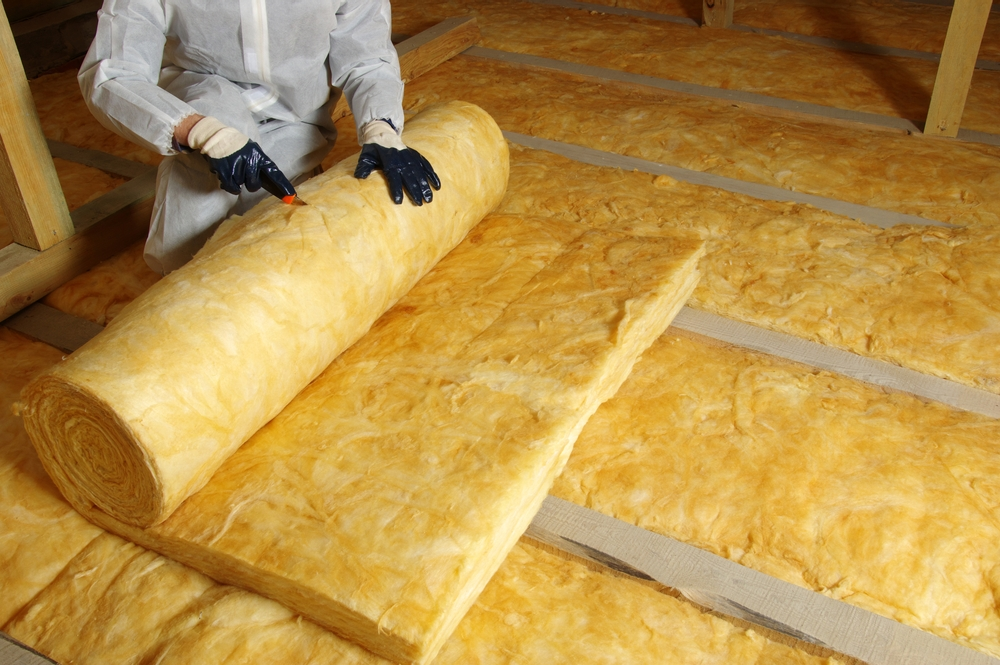
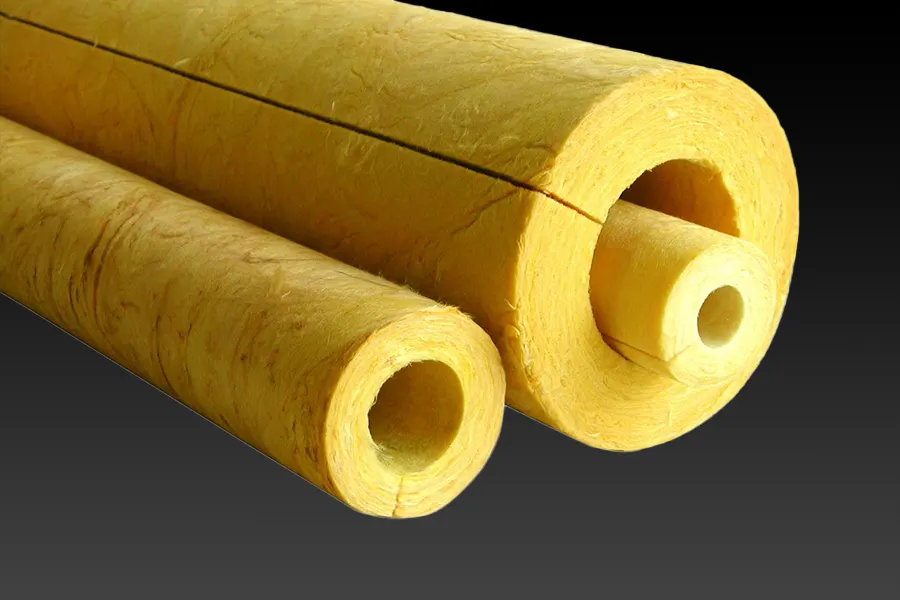
Lã de vidro é um material de isolamento de fibra mineral predominante, fabricado a partir de areia derretida e vidro reciclado, servindo principalmente aplicações térmicas e acústicas na construção, AVAC, e ambientes industriais.
Definição e Composição
A lã de vidro se destaca como um isolamento de fibra mineral dominante. Nós o produzimos a partir de areia derretida e vidro reciclado, aproveitando o maduro, métodos de produção em larga escala que garantem qualidade consistente. Este material é um produto básico na indústria de isolamento.
Aplicativos primários
A sua utilidade estende-se às necessidades de isolamento térmico e acústico. As principais aplicações abrangem a construção, Sistemas HVAC, e uma gama de equipamentos industriais, onde fornece controle eficaz de temperatura e amortecimento de som.
Presença e Tendências no Mercado
Centros de produção na Europa e na Ásia impulsionam a presença significativa da lã de vidro no mercado, proporcionando desempenho padronizado. A indústria agora se concentra na eficiência energética, segurança contra incêndio aprimorada, e reduzindo o carbono incorporado. A lã de vidro oferece uma alternativa econômica às opções de fibra natural, como algodão.
O que é isolamento de algodão?
O isolamento de algodão utiliza materiais têxteis reciclados, principalmente jeans, fornecer propriedades térmicas e acústicas eficazes como uma alternativa ecologicamente correta ao isolamento tradicional.
Composição e Fornecimento
O isolamento de algodão oferece uma solução viável, alternativa ambientalmente responsável aos materiais convencionais. Os fabricantes fabricam-no principalmente a partir de resíduos têxteis pós-consumo e pós-industriais, com o jeans reciclado sendo um componente comum. Esta abordagem reaproveita diretamente materiais que de outra forma acabariam em aterros sanitários.
Usando têxteis reciclados, o isolamento de algodão apresenta-se como um substituto ecológico da lã de vidro. Minimiza a procura de recursos virgens e proporciona um caminho para o desvio de resíduos têxteis, apoiar objetivos mais amplos de sustentabilidade na construção.
Características de desempenho
Este isolamento oferece desempenho térmico confiável, normalmente alcançando um valor R entre R-3 e R-4 por polegada. Embora eficaz, este desempenho muitas vezes fica abaixo do das mantas de fibra de vidro convencionais. Além da resistência térmica, o isolamento de algodão também proporciona um bom amortecimento acústico, tornando-o adequado para aplicações de controle de som.
Os fabricantes tratam o isolamento de algodão para aumentar sua resistência ao fogo e a pragas. Isso garante que ele atenda aos padrões de segurança e mantenha sua integridade contra ameaças comuns em edifícios, apesar de sua composição orgânica.
Benefícios ecológicos e apelo de mercado
O isolamento de algodão contribui significativamente para práticas de construção sustentáveis e princípios de economia circular. Sua produção aproveita resíduos têxteis, reduzindo diretamente a carga dos aterros e promovendo a eficiência dos recursos.
Este material é frequentemente fabricado com composto orgânico de baixa volatilidade (COV) emissões, tornando-o uma opção fácil de usar para instaladores e ocupantes do edifício. À medida que cresce o interesse em projetos de construção verde, a demanda por isolamento de algodão continua a aumentar, reconhecendo o seu papel na criação de ambientes mais saudáveis e sustentáveis.
Lã de vidro personalizada: Eficiência Energética & Isolamento confiável
Composição de Materiais
Lã de vidro, produzido a partir de vidro fundido e conteúdo reciclado, oferece desempenho estabelecido e domínio de mercado, enquanto o algodão, uma alternativa de fibra natural, apresenta desafios distintos com absorção de umidade e eficácia de isolamento a longo prazo.
Composição da Lã de Vidro
A lã de vidro é um material isolante de fibra mineral, fabricado principalmente a partir de vidro fundido, areia, e calcário. A sua produção integra um conteúdo significativo de vidro reciclado, muitas vezes até 90%, que promove ativamente a sustentabilidade. Este material domina o mercado de isolamento devido aos processos de fabricação maduros e propriedades térmicas eficazes, posicionando-o como uma solução econômica com forte desempenho.
Composição do Algodão
O isolamento de algodão representa uma alternativa de fibra natural. É composto por fibras naturais de algodão, jeans e resíduos têxteis frequentemente reciclados, atraente por sua origem orgânica e credenciais ecológicas. Oferecendo desempenho térmico e acústico sólido, algodão apresenta desafios com absorção de umidade. Isto pode impactar significativamente o seu desempenho e levanta considerações sobre a sua eficácia isolante a longo prazo se não for gerido ou tratado adequadamente.
Atributos de materiais comparativos
Ao avaliar materiais de isolamento, uma avaliação equilibrada do desempenho, impacto ambiental, e atributos práticos são cruciais para uma aplicação ideal. As principais considerações incluem o perfil de sustentabilidade do material e a sua relação custo-eficácia global ao longo da sua vida útil. Também levamos em consideração os requisitos de segurança e instalação, que são essenciais para a seleção de materiais. Em última análise, o mercado avalia a eficiência acústica e térmica em relação a esses outros aspectos para demandas de aplicações específicas, equilibrar o orçamento e o desempenho padronizado com as prioridades ambientais emergentes.
A lã de vidro oferece eficiência térmica e economia comprovadas, enquanto o algodão oferece desempenho semelhante com uma vantagem distinta em credenciais ambientais. As decisões dependem do equilíbrio do orçamento e dos objetivos de sustentabilidade.
Comparação de desempenho térmico
Características de desempenho da lã de vidro
Lã de vidro é referência em isolamento térmico. Sua baixa condutividade térmica garante retenção eficaz de calor. Os processos de fabricação estão bem estabelecidos, garantindo qualidade consistente do produto. Para projetos onde o orçamento e o desempenho padronizado são fundamentais, lã de vidro continua sendo uma escolha confiável. Nossa lã de vidro RPPOWER®, por exemplo, atinge uma condutividade térmica de ≤ 0.032 C/(m·K), demonstrando alta eficiência.
| Métrica Térmica | Lã de vidro RPPOWER® | Algodão |
|---|---|---|
| Condutividade Térmica (S/m·K) | ≤ 0.032 | Comparável; λ específico varia |
| Valor R típico por polegada | R-3,0 a R-3,5 | R-3,4 a R-3,7 |
| Driver de seleção principal | Econômico, desempenho padronizado | Sustentabilidade, conteúdo reciclado |
| Composição de Materiais | Areia derretida e vidro reciclado | Fibras têxteis recicladas |
Características de desempenho do algodão lã
O isolamento de algodão oferece desempenho térmico comparável ao da lã de vidro. Sua principal distinção vem de seu forte perfil ambiental. Feito de fibras têxteis recicladas, apoia diretamente iniciativas de economia circular. Isto o torna particularmente atraente para mercados que priorizam a sustentabilidade, credenciais ambientais melhoradas, e baixo carbono incorporado em seus materiais de construção.
Vantagens e prioridades comparativas
A escolha entre isolamento de lã de vidro e algodão geralmente envolve equilibrar a relação custo-benefício com metas específicas de sustentabilidade. A lã de vidro se adapta a projetos que priorizam o cumprimento do orçamento e o desempenho térmico estabelecido. O algodão apela aos ambientes enfatizando a responsabilidade ambiental, conteúdo reciclado, e uma pegada de carbono reduzida.
A tomada de decisões integra cada vez mais a viabilidade financeira com um compromisso com práticas materiais sustentáveis e circulares. Ambos os materiais funcionam de forma eficaz; o “melhorar” a escolha depende dos critérios de definição do seu projeto.
Resistência ao Fogo e Segurança
A incombustibilidade inerente da lã de vidro e a baixa emissão de fumaça tornam-na uma escolha crítica para a segurança contra incêndio na construção, especialmente em comparação com a natureza combustível do algodão que requer tratamento químico.
Classificações de resistência ao fogo de materiais
Os materiais de isolamento têm classificações claras de resistência ao fogo que afetam diretamente a segurança em projetos industriais e de construção. Lã de vidro, uma fibra inorgânica, é incombustível. Isto lhe dá uma vantagem significativa sobre materiais celulósicos como algodão.
- A lã de vidro possui uma classificação incombustível (por exemplo, Euroclasse A1/A2). Não acende facilmente.
- Algodão, uma fibra celulósica, inflama em temperaturas mais baixas. Continua a queimar, o que aumenta a carga de fogo.
- A composição inorgânica da lã de vidro proporciona alta resistência ao fogo. Permanece estável sob calor extremo.
Controle de propagação de chamas e emissão de fumaça
Limitar a propagação de chamas e fumaça tóxica é crucial para a segurança do isolamento térmico. A lã de vidro tem um bom desempenho aqui, proporcionando melhor proteção durante incêndios.
- A lã de vidro limita eficazmente a propagação das chamas. Isso ajuda a conter incêndios até sua origem.
- Minimiza a produção de fumaça tóxica. Isto é essencial para uma evacuação segura e redução dos riscos para a saúde durante incêndios..
- A combustão do algodão aumenta a propagação das chamas. Também pode levar a uma maior emissão de fumaça.
Padrões de segurança da indústria em evolução
Em 2026, códigos de construção e padrões da indústria exigem cada vez mais isolamento não combustível. Esta mudança visa melhorar a resiliência da construção e a eficiência energética.
- Regulamentações mais rígidas impulsionam a demanda por materiais de isolamento que atendam às rigorosas regras de segurança contra incêndio.
- O foco em sistemas de isolamento não combustíveis está alinhado com as práticas modernas de construção. Essas práticas priorizam estruturas mais seguras.
- As tendências da indústria favorecem materiais que contribuem para a resiliência, edifícios energeticamente eficientes. Eles também mitigam os riscos de incêndio.
Aplicações estratégicas para maior segurança
Usar estrategicamente isolamento não combustível em ambientes críticos aumenta a segurança. Isto é especialmente verdadeiro para edifícios de alta ocupação e infraestruturas vitais.
- O isolamento não combustível é essencial em edifícios de alta ocupação. Protege vidas e propriedades.
- Projetos de infraestrutura crítica (por exemplo, instalações de energia, fábricas) especificam cada vez mais lã de vidro para proteção contra incêndio.
- A escolha do isolamento resistente ao fogo apoia a segurança operacional a longo prazo. Também reduz danos em ambientes industriais.
Resistência à umidade e mofo
A seleção adequada do isolamento é crítica para o controle de umidade e mofo, com lã de vidro que resiste inerentemente à água, enquanto o algodão requer um manejo cuidadoso para evitar a absorção.
Natureza hidrofóbica da lã de vidro
O isolamento de lã de vidro repele naturalmente a água líquida, tornando-o uma escolha confiável para ambientes úmidos e projetos de construção de alto desempenho. É inerentemente hidrofóbico. Este material permanece permeável ao vapor, permitindo que o vapor de umidade passe em vez de se acumular dentro do próprio isolamento. Esta característica reduz significativamente o risco de crescimento de mofo e bolor, evitando possíveis danos estruturais em áreas isoladas.
Absorção de umidade do algodão
O isolamento à base de algodão absorve prontamente a umidade, ao contrário da lã de vidro. As fibras de algodão são hidrofílicas; eles atraem e retêm água. Esta característica inerente significa que o algodão em rama requer tratamentos químicos ou uma instalação meticulosa para evitar o crescimento de mofo e bolor.. O design e a aplicação eficazes são cruciais para mitigar problemas relacionados à umidade ao especificar o isolamento de algodão.
Prevenção de mofo e danos estruturais
A seleção do material de isolamento correto forma a primeira linha de defesa contra mofo induzido por umidade. A lã de vidro oferece uma vantagem ao resistir à absorção de água e promover a permeabilidade ao vapor. A prevenção do mofo protege a qualidade do ar interior e prolonga a vida útil estrutural de um edifício. Minimizar o acúmulo de umidade também ajuda a evitar reparos e manutenção dispendiosos causados por danos causados pela água.
Desempenho Acústico
O gerenciamento acústico eficaz em ambientes industriais e de construção modernos depende de absorvedores fibrosos especializados, como lã de vidro e algodão com isolamento acústico, crucial para reduzir o ruído e aumentar a eficiência operacional.
Demanda por soluções acústicas
O alto desempenho acústico é fundamental em diversos ambientes arquitetônicos e industriais. A acústica deficiente reduz o conforto e prejudica a eficiência operacional em qualquer espaço fechado.
Contamos com absorventes fibrosos especializados, como lã de vidro e 'algodão' com isolamento acústico’ para um controle de ruído eficaz. Esses materiais são essenciais para paredes, teto, e conjuntos de equipamentos onde a redução de ruído é uma preocupação principal.
Vantagens acústicas da lã de vidro
Lã de vidro, uma fibra vítrea inorgânica artificial (MMVF), oferece vantagens acústicas significativas. Sua estrutura é composta por fofo, fibras entrelaçadas com numerosos poros minúsculos, permitindo-lhe absorver o som de forma eficaz através de um amplo espectro de frequência.
Além de sua robusta absorção sonora, a lã de vidro também fornece isolamento térmico e resistência inerente ao fogo. Essa combinação o torna um material econômico para o gerenciamento da acústica, ao mesmo tempo em que oferece outros benefícios críticos de desempenho.
Materiais do tipo algodão em aplicações acústicas
Materiais de isolamento do tipo algodão estão ganhando força em aplicações acústicas, frequentemente favorecido pelo conforto do usuário e pela percepção de sustentabilidade. Esses materiais geralmente derivam de fontes recicladas ou de base biológica, apoiando objetivos ambientais.
Os instaladores priorizam opções do tipo algodão pela facilidade de manuseio. Eles fornecem absorção sonora eficaz para vários ambientes acústicos. No entanto, esses materiais geralmente não possuem a resistência a temperaturas extremas encontrada em outros isolamentos de alto desempenho.
Impacto Ambiental
A avaliação do impacto ambiental mostra que a produção intensiva de energia da lã de vidro contrasta com a fonte renovável do algodão, influenciando o seu potencial de aquecimento global e as pegadas globais do ciclo de vida.
Lã de vidro: Produção e Potencial de Aquecimento Global
Lã de vidro, um material de isolamento de fibra mineral, carrega um fardo ambiental notável. Seu processo de fabricação exige um consumo significativo de energia, o que resulta em maior energia incorporada. Esta produção com uso intensivo de energia contribui para um maior potencial de aquecimento global. O material é derivado de recursos minerais, exigindo gastos substanciais de energia ao longo de seu ciclo de produção.
Algodão: Fontes Renováveis e Menor Impacto
O isolamento à base de algodão oferece um perfil mais ecológico. Consiste em ingredientes naturais, fibras renováveis. Este material normalmente demonstra um potencial de aquecimento global significativamente menor em comparação com a lã de vidro. Além disso, os fabricantes muitas vezes adquirem algodão localmente, que reduz o impacto do transporte e apoia uma abordagem de economia mais circular.
Considerações e desempenho do ciclo de vida
Uma avaliação ambiental completa considera todo o ciclo de vida do produto. A lã de vidro oferece durabilidade inerente e resistência ao fogo, contribuindo para sua longa vida útil operacional. Isolamento de algodão, por outro lado, muitas vezes precisa de tratamentos químicos para proteção contra incêndio e pragas. A escalabilidade também representa um desafio para o isolamento de algodão em projetos de construção de grande escala. Esses fatores moldam coletivamente o desempenho ambiental geral e o impacto de cada material ao longo do tempo.
Aplicações Industriais vs Residenciais
A lã de vidro domina as aplicações industriais devido às suas características de alto desempenho, enquanto o isolamento de algodão normalmente atende às necessidades residenciais de conforto e sustentabilidade.
Requisitos do setor industrial
Aplicações industriais, incluindo grandes edifícios comerciais e infra-estruturas de transporte, utilizam cada vez mais lã de vidro para isolamento térmico e acústico. Sua resistência inerente a altas temperaturas e capacidade de atender a regulamentações rigorosas de economia de energia fazem dele a escolha preferida nesses ambientes exigentes.. Os fabricantes confiam no seu desempenho consistente em projetos de infraestrutura crítica.
| Propriedade | Lã de vidro (Industrial) | Algodão (Industrial) |
|---|---|---|
| Resistência ao fogo | Inorgânico, não combustível (Euroclasse A1/A2), limita a propagação de chamas e fumaça tóxica. Essencial para regulamentos de segurança. | Orgânico, celulósico; inflama em temperaturas mais baixas. Requer tratamento químico para resistência ao fogo, menos favorecidos na indústria pesada. |
| Tolerância a altas temperaturas | Suporta até 250°C sem degradação. Adequado para áreas próximas a equipamentos industriais e superfícies quentes. | Carboniza e degrada em temperaturas muito mais baixas. Inadequado para exposição sustentada a altas temperaturas. |
| Umidade & Umidade | Inerentemente hidrofóbico, resiste à água líquida, permanece permeável ao vapor. Previne mofo e bolor. | Absorve a umidade facilmente. Requer tratamento químico e detalhamento cuidadoso para controle de mofo, pode perder desempenho. |
| Durabilidade a longo prazo | Fibras inorgânicas estáveis, não apodrece nem se decompõe. Ofertas 40-50+ anos de vida útil. | Orgânico, mais sensível à degradação biológica e à umidade. Vida útil de várias décadas abaixo do ideal, condições secas. |
| Adequação Industrial | Dominante, solução econômica para construção em grande escala, AVAC, tubulação de processo, e setores comerciais. | Nicho, alternativa ecológica para aplicações específicas de baixo risco; não é uma escolha padrão para especificações industriais pesadas. |
Necessidades do setor residencial
A lã de vidro mantém sua forte posição no isolamento residencial, oferecendo desempenho térmico e acústico robusto. No entanto, em casas, muitas vezes compete diretamente com o isolamento acústico à base de algodão. Esta competição torna-se particularmente notável onde as especificações do projeto envolvem exigências moderadas de controle de umidade, exposição química, e desempenho de fogo, permitindo uma gama mais ampla de considerações materiais.
Adequação de materiais para aplicações
O algodão e outras fibras naturais têm uma vantagem em contextos residenciais devido ao seu conforto, perfil de sustentabilidade, e facilidade de manuseio em ambientes de baixo risco. Esta preferência leva ao uso contínuo de soluções mistas de lã de vidro e algodão em projetos residenciais. Embora os setores industriais prefiram claramente a lã de vidro de alto desempenho devido às suas especificações rigorosas, as casas muitas vezes se beneficiam do equilíbrio das propriedades que as fibras naturais fornecem.
A escolha do isolamento envolve pesar o desempenho estabelecido e a relação custo-benefício da lã de vidro em relação à sustentabilidade e ao manuseio mais saudável do algodão..
Lã de vidro: Desempenho e Praticidade
A lã de vidro continua a ser a principal escolha de isolamento devido ao seu robusto desempenho térmico e acústico. É uma solução econômica, amplamente acessível para construção em grande escala em ambientes industriais e residenciais. Embora eficiente e predominante, relatos de irritação cutânea e respiratória durante a instalação geram interesse em materiais alternativos.
Mantas de algodão: Alternativas Sustentáveis e Mais Saudáveis
Mantas de lã à base de algodão ganham força como um isolamento sustentável e fácil de trabalhar. Feito em grande parte a partir de têxteis reciclados, eles reduzem as emissões ambientais e desviam os resíduos dos aterros. A sua composição de fibras naturais está alinhada com os princípios de construção ecológica, oferecendo uma experiência de instalação menos irritante. Este material equilibra desempenho com considerações ecológicas e de saúde para projetos específicos.
Principais considerações para seleção de materiais
Selecionar o isolamento certo exige uma avaliação abrangente. As equipes de projeto devem avaliar requisitos específicos de eficiência térmica e amortecimento acústico. Além dos custos de materiais, analisar despesas totais de instalação. Fatores de saúde e segurança são críticos, afetando instaladores e ocupantes de longo prazo. Para designs ecologicamente conscientes, priorizar metas de sustentabilidade e a pegada ambiental para orientar a decisão final.
Conclusão
Selecionando o material de isolamento certo, seja lã de vidro ou algodão, é fundamental para o sucesso do projeto. Desempenho térmico ideal, resistência ao fogo, controle acústico, e as considerações ambientais impactam diretamente a eficiência e a longevidade de um projeto. A avaliação minuciosa desses fatores garante a conformidade e atende às demandas específicas de aplicações industriais e residenciais..
Para determinar a solução de isolamento mais adequada para o seu próximo projeto, avalie seus requisitos precisos de aplicação. Entre em contato com a RPPOWER® para experiência personalizada e acesso à nossa diversificada gama de materiais de isolamento térmico industrial.
Perguntas frequentes
O isolamento de algodão é melhor do que fibra de vidro?
“Melhorar” é subjetivo e depende das necessidades específicas do projeto. Lã de vidro (muitas vezes referida como fibra de vidro) é geralmente considerada uma alternativa econômica às opções de fibra natural, como isolamento à base de algodão, alinhamento com as tendências de eficiência energética e segurança contra incêndio. Embora o isolamento de algodão ofereça vantagens no manuseio e no impacto ambiental (se reciclado), a lã de vidro geralmente se destaca em termos de custo-benefício, resistência inerente ao fogo, e desempenho consistente.
A lã de vidro é feita de algodão?
Não, lã de vidro não é feita de algodão. É um material isolante de fibra mineral produzido principalmente a partir de areia derretida e vidro reciclado.. Isolamento de algodão, por contraste, é derivado de fibras naturais de algodão, jeans frequentemente reciclado.
Qual isolamento tem um valor R mais alto?
Tanto a lã de vidro quanto o isolamento de algodão normalmente oferecem valores R por polegada comparáveis em suas formas padrão de manta ou rolo, geralmente variando de R-3 a R-4,5 por polegada. O valor R exato depende muito da densidade do produto específico e do processo de fabricação. A lã de vidro se beneficia de classes de desempenho padronizadas, garantindo classificações consistentes de eficiência energética.
Qual material é mais ecológico?
Ambos os materiais têm méritos ambientais. A lã de vidro é produzida usando uma proporção significativa de vidro reciclado e está posicionada para atingir baixo teor de carbono incorporado. Isolamento de algodão, especialmente quando feito de jeans reciclado, também possui fortes benefícios ambientais devido ao uso de resíduos pós-consumo. O “mais ecológico” aspecto depende de formulações específicas de produtos e avaliações completas do ciclo de vida de cada material.
O isolamento de algodão é à prova de fogo?
Algodão não tratado é inflamável. No entanto, o isolamento de algodão é normalmente tratado com retardadores de fogo, como compostos de borato, para alcançar uma classificação de incêndio Classe A, tornando-o resistente ao fogo. Não é inerentemente à prova de fogo como a lã de vidro, que é naturalmente incombustível e está alinhado com as tendências atuais, enfatizando a segurança contra incêndio.
O isolamento de algodão absorve umidade?
Sim, o algodão é uma fibra natural e é higroscópico, o que significa que pode absorver e reter a umidade do ar. Se o isolamento de algodão ficar molhado, seu desempenho térmico será significativamente reduzido, e pode tornar-se suscetível ao crescimento e compactação de fungos. Barreiras de vapor adequadas e gerenciamento de umidade são cruciais para seu desempenho eficaz.
O que dura mais?
Tanto o isolamento de lã de vidro quanto o de algodão são projetados para desempenho de longo prazo, muitas vezes durando a vida útil da estrutura se instalada e mantida adequadamente. No entanto, lã de vidro, sendo um material inorgânico, geralmente exibe resistência superior à umidade, pragas, e se estabelecendo com o tempo, o que pode contribuir para uma vida útil mais consistente e potencialmente mais longa em comparação com o isolamento de algodão, que pode degradar se exposto a condições adversas.
O isolamento de algodão pode substituir a lã de vidro?
Sim, o isolamento de algodão pode muitas vezes servir como substituto da lã de vidro em muitas aplicações de isolamento térmico e acústico, particularmente na construção residencial e comercial leve. No entanto, a escolha depende dos requisitos específicos do projeto, como orçamento, valor R necessário, necessidades inerentes de segurança contra incêndio, e resistência à umidade ou pragas, onde a lã de vidro é frequentemente posicionada como uma alternativa econômica e inerentemente à prova de fogo.
O que é mais seguro de instalar?
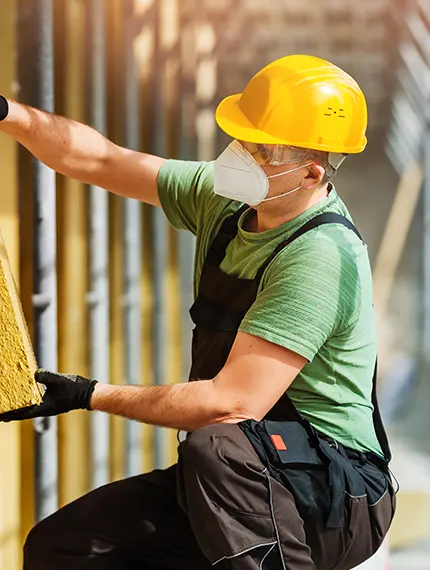
O isolamento de algodão é geralmente considerado mais seguro e confortável de instalar, pois normalmente não libera fibras irritantes no ar. Lã de vidro, composto por finas fibras de vidro, requer equipamento de proteção individual (EPI), incluindo luvas, máscaras, e proteção para os olhos, durante a instalação para evitar possíveis danos à pele, olho, e irritação respiratória.
A lã de vidro contém vidro reciclado?
Sim, a lã de vidro é produzida principalmente a partir de areia derretida e de uma proporção significativa de vidro reciclado. Esta incorporação de materiais reciclados contribui para o seu perfil ambiental e posição no mercado.
O que é melhor para fábricas?
A lã de vidro é amplamente utilizada e frequentemente preferida para fábricas e equipamentos industriais devido à sua inerente segurança contra incêndio., excelente desempenho térmico e acústico, e durabilidade em ambientes exigentes. Sua natureza incombustível, capacidade de suportar temperaturas mais altas, e a conformidade com regulamentos rigorosos de segurança contra incêndio o tornam altamente adequado para aplicações industriais, pois é um material de isolamento de fibra mineral dominante usado em equipamentos industriais.
Qual isolamento custa mais?
Com base nas tendências do mercado, a lã de vidro é geralmente posicionada como uma alternativa econômica em comparação com opções de fibra natural, como isolamento à base de algodão. Portanto, isolamento de algodão normalmente custa mais do que lã de vidro.