تخطي إلى المحتوى
في البيئات الصناعية حيث تملي الإدارة الحرارية سلامة الأصول والامتثال للسلامة, يمكن أن يؤدي اختيار المادة المقاومة للحرارة الخاطئة إلى فقدان الحرارة بشكل لا يمكن السيطرة عليه, انتهاك الاستقرار الهيكلي في الأفران, وفشل عمليات التفتيش على تصنيف الحرائق. إن المخاطر المالية والتشغيلية المرتبطة بمواصفات المواد غير المناسبة هي ببساطة مرتفعة جدًا بحيث لا يمكن تجاهلها.
يقدم هذا الدليل تفصيلاً فنيًا لكيفية التحديد ألياف السيراميك لوحات للتطبيقات الصعبة. سنقوم بتحليل خصائص المواد الأساسية - مثل الموصلية الحرارية المنخفضة واستقرار درجات الحرارة العالية - التي تحدد حالات استخدامها. سنقوم بعد ذلك بتغطية تطبيقات محددة, من بطانة الأفران والأفران الصناعية إلى العمل كمكونات مهمة في حواجز الحماية من الحرائق, معدات درجة حرارة عالية, وأنظمة العزل الاحتياطية.
ما هي ألواح ألياف السيراميك
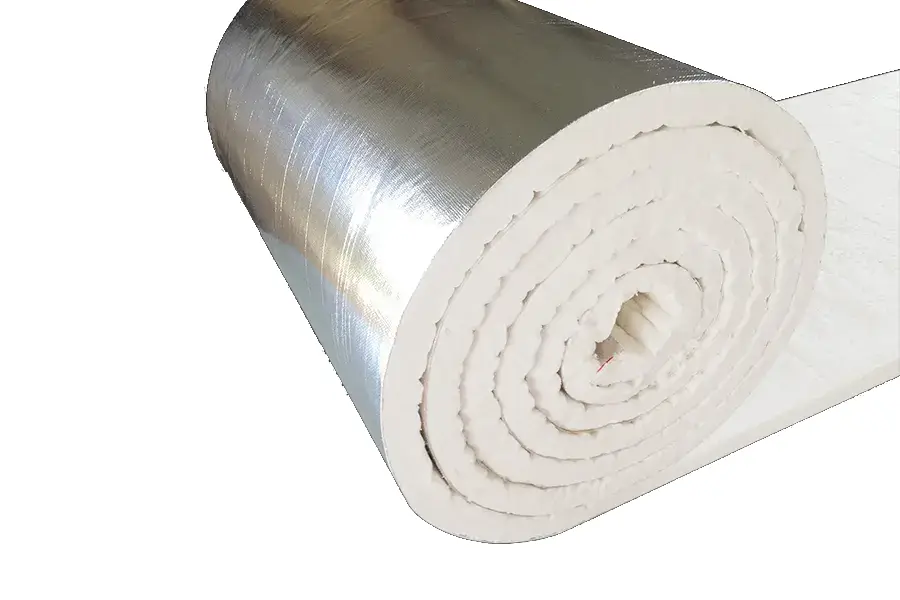
ألواح ألياف السيراميك صلبة, ألواح عازلة للحرارة العالية مصنوعة من ألياف سيليكات الألومينا, توفير بديل قوي من الناحية الهيكلية وفعال حرارياً للطوب الحراري التقليدي في إدارة الحرارة الصناعية.
التعريف والتكوين
يتم تصنيع ألواح ألياف السيراميك من مزيج من ألياف سيليكات الألومينا المقاومة للحرارة والمجلدات المتخصصة. تخلق هذه التركيبة مادة عازلة خفيفة الوزن وقوية مصممة للبيئات الصناعية الصعبة. على عكس البطانيات المرنة, توفر هذه اللوحات السلامة الهيكلية, مما يجعلها بديلاً مباشرًا للطوب الحراري الأثقل في العديد من التطبيقات.
تم تصميم خصائص الأداء الرئيسية مباشرة في المادة:
- الموصلية الحرارية المنخفضة: هيكل المادة يقلل من نقل الحرارة, تحسين الكفاءة الحرارية للأفران وغيرها من المعدات ذات درجة الحرارة العالية.
- قوة هيكلية عالية: يوفر الشكل الصلب مقاومة ممتازة للإجهاد البدني وتدفق الغاز عالي السرعة.
- مقاومة الصدمات الحرارية: تتحمل الألواح التغيرات السريعة في درجات الحرارة دون أن تتشقق أو تتشقق, تمديد عمر خدمة المعدات.
عملية التصنيع لتشكيل الفراغ
يعتمد إنتاج ألواح ألياف السيراميك على عملية تشكيل مفرغة دقيقة. تتضمن هذه التقنية خلط ألياف السيراميك والمواد الرابطة في ملاط رطب, والتي يتم تشكيلها بعد ذلك إلى ألواح باستخدام الشفط. يعمل ضغط الفراغ على إزالة الماء الزائد وضغط الألياف, إنشاء لوحة ذات كثافة موحدة, سمك متسق, وسلامة هيكلية متفوقة. تضمن هذه الطريقة الخاضعة للتحكم أن كل لوحة توفر أداءً حراريًا يمكن التنبؤ به ويمكن تصنيعها وفقًا لتفاوتات صارمة لتطبيقات محددة. يسمح التشكيل الفراغي الحديث بإنشاء ألواح قادرة على العمل في درجات حرارة تصل إلى 1600 درجة مئوية.
التطبيقات الصناعية الأولية
تعد ألواح ألياف السيراميك بمثابة حل حراري موحد عبر الصناعات الثقيلة حيث يعد التحكم في درجة الحرارة أمرًا بالغ الأهمية لكفاءة العملية وسلامتها. تعدد استخداماتها يسمح لها بالعمل كبطانات أساسية, العزل الاحتياطي, والدروع الحرارية.
- بطانة الوجه الساخنة: يتم تطبيقه مباشرة على المناطق الداخلية من الأفران الصناعية, أفران, والإصلاحيين في علم المعادن, البتروكيماويات, وإنتاج الزجاج.
- العزل الاحتياطي: يتم تركيبها خلف الطوب الحراري الكثيف أو البطانات القابلة للصب في الغلايات والأوعية ذات درجة الحرارة العالية لتقليل فقدان الحرارة إلى الغلاف الخارجي.
- التدريع الحراري: يستخدم لحماية المعدات الحساسة, المكونات الهيكلية, والعاملين من الحرارة المشعة في مرافق توليد الطاقة والتصنيع.
دور في كفاءة الطاقة وخفض التكاليف
يعتمد اعتماد ألواح ألياف السيراميك على فوائد تشغيلية واضحة. إن الموصلية الحرارية المنخفضة وتخزين الحرارة المنخفض يقللان بشكل كبير من الطاقة اللازمة لإيصال المعدات إلى درجة حرارة التشغيل والحفاظ عليها. عن طريق استبدال كثيفة, الطوب الحراري الثقيل, تعمل هذه الألواح على خفض الوزن الإجمالي للمعدات الصناعية, والتي يمكن أن تقلل من متطلبات الدعم الهيكلي وتبسيط التثبيت. يُترجم هذا الانخفاض المباشر في فقدان الحرارة إلى انخفاض استهلاك الوقود ويساعد المشغلين الصناعيين على تلبية المعايير التنظيمية الصارمة بشكل متزايد لأداء الطاقة ومتانة المعدات.
الخصائص الرئيسية التي تحدد تطبيقات ألواح ألياف السيراميك
يتم تحديد قيمة لوح ألياف السيراميك من خلال أربع خصائص أساسية - التوصيل الحراري المنخفض, مقاومة عالية للحرارة, استقرار الصدمة الحرارية, والقوة الميكانيكية - والتي تعمل معًا على زيادة كفاءة الطاقة وطول عمر المعدات في البيئات الصناعية الصعبة.
الموصلية الحرارية المنخفضة
تتفوق ألواح ألياف السيراميك في العزل لأنها تقلل بشكل أساسي من انتقال الحرارة. هذه الخاصية ضرورية لتحقيق كفاءة استخدام الطاقة في العمليات الصناعية ذات درجات الحرارة العالية. من خلال احتواء الحرارة بشكل فعال داخل الأفران, أفران, أو الغلايات, تعمل هذه اللوحات على تقليل استهلاك الوقود بشكل مباشر وخفض تكاليف التشغيل. تضمن هذه الإدارة الحرارية الفعالة الاستقرار, درجات الحرارة الثابتة المطلوبة في عمليات التصنيع والبتروكيماويات الحساسة, في كثير من الأحيان مع بصمة عزل أصغر بكثير مقارنة بالحراريات الكثيفة التقليدية.
مقاومة درجات الحرارة العالية
مصممة للعمل بشكل مستمر في الحرارة الشديدة, تحافظ ألواح ألياف السيراميك على سلامتها الهيكلية والعازلة دون أن تذوب أو تتحلل. توفر الدرجات القياسية أداءً مستقرًا يصل إلى 1260 درجة مئوية (2300درجة فهرنهايت), مع الدرجات الممتازة تدفع هذا الحد إلى أعلى. وهذا يجعلها مثالية لاصطدام اللهب المباشر وكبطانات للوجه الساخن في الأفران ومعدات المعالجة الحرارية الأخرى. إن القدرة على تحمل درجات الحرارة هذه تمنع الضرر الحراري لمكونات الماكينة الحساسة وتحمي العناصر الهيكلية المحيطة.
| مقياس الأداء | الدرجة القياسية (1260درجة مئوية) | درجة عالية الأداء (1400درجة مئوية+) |
|---|---|---|
| أقصى درجة حرارة للاستخدام المستمر | 1260درجة مئوية (2300درجة فهرنهايت) | 1400درجة مئوية إلى 1600 درجة مئوية (2550درجة فهرنهايت إلى 2900 درجة فهرنهايت) |
| الموصلية الحرارية (واط / م · كلفن عند 800 درجة مئوية) | ~0.20 – 0.25 | ~0.17 – 0.20 |
| التركيز على التطبيق الأساسي | العزل للأغراض العامة, بطانات احتياطية, الدروع الحرارية. | التعرض للهب المباشر, بطانات الوجه الساخنة, بيئات الغاز عالية السرعة. |
مقاومة الصدمات الحرارية
يسمح هيكل المادة لها بمقاومة التغيرات السريعة والمتكررة في درجات الحرارة دون التشقق أو الفشل. تعتبر هذه المرونة ضرورية للعمليات الصناعية ذات دورات التسخين والتبريد المتكررة, مثل تلك الموجودة في المعالجة الحرارية, تزوير, وصناعة الزجاج. من خلال مقاومة الصدمة الحرارية, تحافظ الألواح على فعاليتها العازلة طوال فترة الخدمة الطويلة, مما يقلل من وقت توقف الصيانة والتكاليف المرتبطة باستبدال المواد المتضررة بسبب الإجهاد الحراري.
القوة الميكانيكية والمتانة
تتميز ألواح ألياف السيراميك الحديثة المشكلة بالفراغ بقوة ضغط وصلابة عالية, تمكينها من العمل كهياكل ذاتية الدعم في تطبيقات مثل بطانات الفرن أو الحشيات ذات درجة الحرارة العالية. تضمن هذه القوة عدم ترهلها أو تشوهها تحت الأحمال التشغيلية. للبيئات ذات الغازات عالية السرعة, كما هو الحال في أنظمة العادم أو القنوات, يمكن معالجة أسطحها باستخدام مواد صلبة أو السيليكا الغروية. يعزز هذا العلاج بشكل كبير مقاومة التآكل والأضرار المادية, مما يجعلها حلاً دائمًا لإعدادات التصنيع وتوليد الطاقة المطلوبة.
ألياف سيراميك عالية الأداء, مصممة للمواصفات
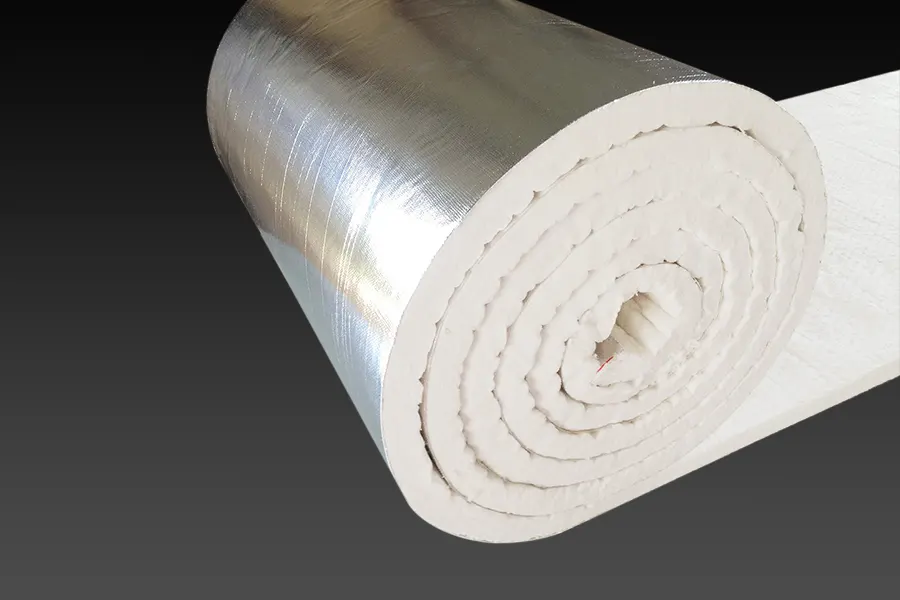
ألواح ألياف السيراميك في الأفران الصناعية والأفران
تحل ألواح ألياف السيراميك محل الطوب الحراري التقليدي في الأفران الصناعية, تحقيق مكاسب كبيرة في الكفاءة الحرارية, التكاليف التشغيلية, وإنتاجية الإنتاج.
تحسين كفاءة الطاقة وخفض التكاليف
في الأفران الصناعية والأفران, تعمل ألواح ألياف السيراميك كبديل مباشر للألواح الكثيفة, الطوب الحراري التقليدي. تترجم كفاءتها الحرارية الفائقة على الفور إلى انخفاض النفقات التشغيلية عن طريق تقليل فقدان الحرارة. مع الموصلية الحرارية المنخفضة والحد الأدنى من تخزين الحرارة, مطلوب طاقة أقل لجلب المعدات إلى درجة الحرارة والحفاظ عليها. يؤدي هذا بشكل روتيني إلى توفير الطاقة بما يصل إلى 30% مقارنة بالعزل التقليدي, مما يؤدي بشكل مباشر إلى تقليل استهلاك الوقود والمساهمة في تقليل وقت التوقف عن الصيانة بشكل عام.
| مقياس الأداء | لوح ألياف السيراميك | الطوب الحراري التقليدي |
|---|---|---|
| الموصلية الحرارية | منخفض جدًا | عالي |
| تخزين الحرارة | قليل | عالية جدًا |
| التدفئة & دورات التبريد | سريع | بطيء |
| تثبيت & تَعَب | خفيف الوزن, تركيب سريع | ثقيل, كثيفة العمالة |
تسريع دورات التدفئة والتبريد
تسمح الكتلة الحرارية المنخفضة لألواح ألياف السيراميك للمعدات الصناعية بالوصول إلى درجات الحرارة المستهدفة والتبريد بشكل أسرع بكثير من المعدات المبطنة بالحراريات الكثيفة. هذه الخاصية ليست مجرد مقياس للكفاءة; إنه محرك حاسم للإنتاجية. يزيد التدوير الحراري الأسرع من توافر المعدات, يسمح بتحكم أكثر دقة في درجة الحرارة أثناء عمليات المعالجة الحرارية, وفي النهاية يقلل من الوقت المستغرق بين دفعات الإنتاج. للمصنعين, وهذا يعني إنتاجية أعلى ومرونة تشغيلية أكبر.
تبسيط التثبيت والتعديل التحديثي
تم تصميمها لتكون خفيفة الوزن وسهلة التعامل معها, تعمل ألواح ألياف السيراميك على تبسيط بناء الأفران الجديدة وتحديث الأفران الموجودة بشكل كبير. يقلل شكلها المعياري ووزنها المنخفض من وقت التثبيت, متطلبات العمل, واحتياجات الدعم الهيكلي مقارنة بالطوب الحراري الثقيل. وهذا يجعلها حلاً مثاليًا لترقية الأفران القديمة لتلبية معايير الكفاءة والأداء الحديثة. ينطبق تنوع المواد عبر مجموعة واسعة من المعدات ذات درجة الحرارة العالية.
- أفران إعادة تسخين الصلب والألومنيوم
- أفران تصنيع الزجاج وتليينه
- أفران معالجة وتكسير البتروكيماويات
- أفران السيراميك ومعدات المعالجة الحرارية
ألواح ألياف السيراميك للحماية من الحرائق وحواجز الحريق
توفر ألواح ألياف السيراميك صلابة, حاجز درجة الحرارة العالية ضروري لاحتواء النار والحرارة في الهندسة المعمارية, صناعي, وتطبيقات الفضاء.
الحماية السلبية من الحرائق في البناء
تعد ألواح ألياف السيراميك مكونًا رئيسيًا في أنظمة الحماية من الحرائق السلبية للمباني التجارية والصناعية. إنها بمثابة حواجز مقاومة للحريق تحتوي على النيران والحرارة, منع انتشار النار بين المقصورات. يحمي هذا الاحتواء السلامة الهيكلية للمبنى ويوفر وقتًا حرجًا لإخلاء السكان.
- يبني جدران مقاومة للحريق, السقوف, ومرفقات البنية التحتية الحيوية مثل حوامل الكابلات ومجاري التدفئة والتهوية وتكييف الهواء (HVAC)..
- يساعد المهندسين المعماريين والمهندسين على تلبية قوانين البناء الصارمة ولوائح الحماية السلبية من الحرائق.
- يعمل كحل خفيف الوزن وصلب لأختام مقاومة الحريق حول اختراقات الجدران والأرضيات.
الأداء في البيئات الصناعية الصعبة
في قطاعات مثل الصناعة الثقيلة والفضاء, توفر ألواح ألياف السيراميك احتواءًا موثوقًا للحرائق في المناطق شديدة الحرارة. ويضمن استقرارها الحراري الحفاظ على شكلها وقدرتها العازلة عند تعرضها مباشرة للهب. وهذا يحمي المعدات الحساسة, العمليات, والموظفين من الفشل الكارثي.
- يحافظ على الأداء الهيكلي والعازل عند درجات الحرارة المستمرة, مع بعض الدرجات تصل إلى 1700 درجة مئوية.
- يستخدم تقنيات ربط الألياف المتقدمة التي تعمل على تحسين المتانة ومقاومة الصدمات الحرارية.
- يتميز بالموصلية الحرارية المنخفضة (.120.12 وات/م·ك) لتقليل انتقال الحرارة, عامل حاسم في الاحتواء الفعال للحرائق.
الالتزام بمعايير السلامة والامتثال
تعتمد الحماية الحديثة من الحرائق على مواد تلبي معايير السلامة العالمية الصارمة. يتم تصنيع ألواح ألياف السيراميك لتتوافق مع هذه اللوائح. أنها توفر ثبت, بديل خالٍ من الأسبستوس لهندسة السلامة من الحرائق ومساعدة المنشآت على تحقيق أهداف كفاءة الطاقة عن طريق الحد من فقدان الحرارة.
- حصل على شهادة غير قابلة للاحتراق من فئة A1, أعلى تصنيف ممكن لأداء السلامة من الحرائق.
- بمثابة آمنة, استبدال عالي الأداء للمواد القديمة التي تحتوي على الأسبستوس.
- يدعم الامتثال لمتطلبات كفاءة استخدام الطاقة من خلال الجمع بين العزل الحراري الفعال والحماية من الحرائق.
ألواح ألياف السيراميك في عزل المعدات ذات درجة الحرارة العالية

تعتبر ألواح ألياف السيراميك ضرورية لعزل المعدات الصناعية ذات درجات الحرارة العالية لأنها تقلل بشكل مباشر من استهلاك الطاقة, استقرار عمليات الإنتاج, وتقديم بديل خفيف الوزن للحراريات الثقيلة التقليدية.
الطلب على المعدات الموفرة للطاقة
يعد الدفع نحو كفاءة استخدام الطاقة في العمليات الصناعية هو المحرك الأساسي لاعتماد ألواح ألياف السيراميك. توفر هذه المواد أداءً حراريًا فائقًا, السماح للمعدات ذات درجة الحرارة العالية بالعمل بطاقة أقل عن طريق تقليل فقدان الحرارة. ويترجم هذا بشكل مباشر إلى تكاليف تشغيلية أقل ونتائج تصنيع أكثر قابلية للتنبؤ بها.
- يوفر مقاومة حرارية للمعدات التي تعمل بشكل مستمر عند درجات حرارة تصل إلى 1425 درجة مئوية.
- يقلل من فقدان الحرارة, مما يقلل من تكاليف الوقود والكهرباء في التصنيع.
- يساهم في درجات حرارة معالجة أكثر استقرارًا لتحسين جودة المنتج.
التطبيق في الصناعات الثقيلة
تعتبر ألواح ألياف السيراميك مكونات مهمة في الصناعات الثقيلة حيث يكون احتواء الحرارة بشكل ثابت وشديد غير قابل للتفاوض. استخدامها على نطاق واسع في قطاعات مثل الصلب, زجاج, والفضاء, والتي تعتمد على عمليات الإنتاج ذات درجات الحرارة العالية. وهي تعمل إما كعزل أساسي للوجه الساخن أو كطبقة احتياطية خلف الحراريات الأكثر كثافة في الأفران, أفران, وغيرها من وحدات المعالجة الحرارية.
- جزء لا يتجزأ من التصنيع في الفولاذ, زجاج, والصناعات الفضائية.
- يستخدم كعزل أساسي أو احتياطي في الأفران, أفران, وغيرها من وحدات المعالجة الحرارية.
- يوفر إدارة حرارية موثوقة للمعدات الصناعية المتخصصة.
الأداء والتقدم المادي
لقد أدت تقنيات الإنتاج الحديثة مثل التشكيل بالفراغ إلى تحسين متانة وأداء ألواح ألياف السيراميك بشكل كبير. يركز علم المواد الحالي على إنشاء عزل خفيف الوزن يمكنه تحمل الظروف الصناعية القاسية, بما في ذلك الصدمة الحرارية والتعرض الكيميائي. تهدف هذه التطورات إلى إطالة عمر خدمة العزل, تقليل وقت توقف الصيانة وتكاليف الاستبدال في العمليات المستمرة.
- تعزيز المقاومة للصدمات الحرارية والتعرض للمواد الكيميائية.
- مُحسّن للتصميمات منخفضة الكثافة دون التضحية بقدرة العزل.
- تهدف التحسينات التكنولوجية إلى إطالة عمر خدمة العزل في العمليات المستمرة.
الفوائد مقارنة بالحراريات التقليدية
تعتبر ألواح ألياف السيراميك بديلاً عمليًا وفعالًا للمواد الحرارية التقليدية الكثيفة مثل الطوب الناري. خصائصها الفيزيائية تجعلها أسهل بكثير في التعامل معها وتثبيتها, مما يقلل من وقت العمل وتكاليف المشروع الإجمالية. لأنها سهلة القطع والتشكيل في الموقع, فهي تسمح بالتركيب الدقيق في الأشكال الهندسية المعقدة للمعدات حيث يكون تركيب الحراريات الكثيفة غير عملي أو مكلف.
- انخفاض الوزن والكثافة يبسط عملية النقل والتركيب في الموقع.
- اختيار مواد فعالة من حيث التكلفة للعديد من أنظمة الإدارة الحرارية.
- سهلة القطع والشكل, مما يسمح بالتركيب الدقيق في المعدات المعقدة.
ألواح ألياف السيراميك لأنظمة العزل الاحتياطية
كعزل احتياطي, تقوم ألواح ألياف السيراميك بأكثر من مجرد إدارة الحرارة; فهي تحمي البطانة المقاومة للحرارة الأولية والهيكل الهيكلي للمعدات, إطالة عمر الأصول بشكل مباشر وخفض تكاليف التشغيل.
تحسين كفاءة الطاقة في العمليات الصناعية
عندما تستخدم كعزل احتياطي, تعتبر ألواح ألياف السيراميك ضرورية لتقليل فقدان الحرارة في المعدات ذات درجة الحرارة العالية. تحتوي موصليتها الحرارية المنخفضة على طاقة حرارية أكثر فعالية بكثير من الحراريات الكثيفة التقليدية وحدها. يؤدي هذا الاحتواء المحسن للحرارة إلى تقليل الوقود المطلوب للحفاظ على درجات حرارة التشغيل المستهدفة, مما يؤدي إلى تخفيضات كبيرة وقابلة للقياس في الإنفاق العام للطاقة. التحول إلى خفيفة الوزن, يعكس العزل منخفض الموصلية تركيزًا أوسع للصناعة على تحسين كفاءة العملية وخفض تكاليف التشغيل الثابتة.
- يقلل بشكل كبير من استهلاك الوقود في الأفران, أفران, والغلايات الصناعية.
- يقلل النفقات التشغيلية عن طريق تحسين الإدارة الحرارية عبر النظام.
- يساعد في الحفاظ على درجات حرارة عملية داخلية أكثر استقرارًا لضمان جودة إنتاج متسقة.
إطالة عمر خدمة البطانات المقاومة للحرارة
تعمل ألواح ألياف السيراميك على إنشاء حاجز حراري حيوي بين البطانة الحرارية الكثيفة ذات الوجه الساخن والهيكل الفولاذي للمعدات. تمتص هذه الطبقة التدرجات القصوى في درجات الحرارة وتخففها, حماية البطانة الأولية من الصدمة الحرارية التي تسبب التشقق والتشظي. عن طريق خفض درجة حرارة الوجه البارد على الغلاف الفولاذي, تمنع الألواح أيضًا التعب الهيكلي والتشوه. تعمل هذه الحماية المزدوجة على إطالة العمر التشغيلي لنظام الحراريات بأكمله وتدفع دورات الصيانة إلى الخارج.
- يقلل من الإجهاد الحراري على الحراريات الكثيفة, مما يقلل من تدهور المواد.
- يحافظ على الغلاف الفولاذي للمعدات عند درجة حرارة منخفضة لمنع حدوث أضرار هيكلية.
- يؤدي إلى فترات صيانة أطول وتقليل فترات التوقف غير المخطط لها للمعدات الهامة.
التطبيقات الرئيسية في الصناعات ذات درجات الحرارة العالية
مزيج من الموصلية الحرارية المنخفضة, خفيفة الوزن, والصلابة الهيكلية تجعل ألواح ألياف السيراميك حلاً مثاليًا للعزل الاحتياطي عبر الصناعات الثقيلة. يحددها المهندسون في الأنظمة التي تتطلب إدارة حرارية عالية الأداء خلف المرحلة الابتدائية, طبقة حرارية أكثر كثافة. يعد استخدامها ممارسة قياسية في التطبيقات التي تكون فيها كفاءة الطاقة وطول عمر المعدات من الأولويات القصوى.
- تستخدم على نطاق واسع في خزانات صهر الزجاج, مغارف إنتاج الصلب, وأفران إعادة التسخين.
- يوفر العزل الاحتياطي الأساسي في الجدران, طوابق, وأسطح أفران السيراميك والطوب الكبيرة.
- مخصصة للسخانات البتروكيماوية, الإصلاحيون, وغيرها من وحدات المعالجة الحرارية واسعة النطاق.
ألواح ألياف السيراميك في المواقد, مواقد & معدات التدفئة
أصبحت ألواح ألياف السيراميك الآن مكونًا قياسيًا في معدات التدفئة عالية الأداء, توفير الكفاءة الحرارية الحرجة, بناء مبسط, والمتانة ضد الدراجات الحرارية الثابتة.
تحسين الكفاءة الحرارية في أنظمة التدفئة
بواسطة 2026, تعتبر ألواح ألياف السيراميك قياسية في معدات التدفئة لتحقيق أقصى قدر من الكفاءة الحرارية. وهي تعمل كدرع حراري وعازل عالي الأداء, توجيه المزيد من الحرارة إلى مساحة المعيشة بدلاً من السماح لها بالهروب عبر هيكل المعدات. يؤدي ذلك إلى تحسين احتراق الوقود ويقلل بشكل مباشر من استهلاك الطاقة الإجمالي للمستخدم النهائي.
- بمثابة العزل الأساسي للاحتفاظ بالحرارة, تقليل استهلاك الطاقة في المواقد والمواقد.
- تساعد على تحقيق احتراق أكثر اكتمالا, مما يقلل من الانبعاثات ويحسن الأداء العام للنظام.
- المساهمة في تحقيق أهداف الاستدامة من خلال زيادة إنتاج الحرارة من مصدر الوقود إلى الحد الأقصى.
بناء خفيف الوزن للمنشآت الحديثة
إن طبيعة ألواح ألياف السيراميك خفيفة الوزن وسهلة التصنيع تجعلها مثالية لتصنيع وحدات التدفئة الجديدة وتحديث الوحدات القديمة. تسمح عملية التثبيت البسيطة الخاصة بها بالنشر السريع والتحديثات دون الحاجة إلى تعديلات هيكلية كبيرة على الجهاز أو المناطق المحيطة به.
- تدعم اللوحات سهلة التصنيع الانتشار السريع في تصنيع معدات التدفئة الجديدة.
- مثالية لإعادة تجهيز المواقد والمواقد القديمة, تحسين أداء المعدات القديمة.
- تعمل الطبيعة خفيفة الوزن على تبسيط عملية المعالجة والتركيب دون إضافة حمل هيكلي كبير.
المتانة لأداء طويل الأمد
تواجه معدات التدفئة دورة حرارية ثابتة, وتم تصميم ألواح ألياف السيراميك خصيصًا لهذه البيئة الصعبة. وتضمن مقاومتها العالية للصدمات الحرارية عدم تشققها أو تدهورها بسبب التقلبات السريعة في درجات الحرارة, توفير حل عزل متين وموثوق طوال فترة خدمة الجهاز بالكامل.
- تحمل التغيرات السريعة في درجات الحرارة (صدمة حرارية) شائع في دورات التدفئة.
- الحفاظ على السلامة الهيكلية وخصائص العزل على مدى سنوات من الاستخدام.
- مقاومة التآكل الناتج عن ظروف ركوب الدراجات القاسية الموجودة في وحدات التدفئة السكنية والصناعية.
كيفية تقييم واختيار مورد B2B موثوق به
يتطلب اختيار المورد المناسب للتعاملات بين الشركات (B2B) لألواح ألياف السيراميك تجاوز سعر الوحدة للتحقق بدقة من الأداء الحراري, ضوابط التصنيع, والدعم الفني على المدى الطويل.
يعد اختيار المورد قرارًا حاسمًا يؤثر بشكل مباشر على سلامة المشروع, كفاءة, والتكاليف التشغيلية. يمكن بسهولة تعويض السعر الأولي المنخفض عن طريق فشل المواد, تأخيرات الإنتاج, أو ضعف الأداء الحراري. تركز عملية التقييم الشاملة على البيانات التجريبية, شفافية الإنتاج, وقدرة المورد على العمل كشريك فني.
التحقق من الأداء الحراري وأنظمة مراقبة الجودة
العامل الأكثر أهمية هو التأكد من أن العزل يعمل كما هو محدد في ظل ظروف التشغيل. سيكون لدى الشريك الموثوق إجراءات مراقبة جودة شفافة وصارمة متكاملة بدءًا من مصادر المواد الخام وحتى فحص المنتج النهائي. أنت بحاجة إلى دليل موثق على أن موادها تلبي متطلباتك الحرارية. إن التأكيدات الغامضة هي علامة حمراء مهمة.
| معيار التقييم | ماذا تطلب | لماذا يهم؟ |
|---|---|---|
| أداء حراري تم التحقق منه | تقارير اختبار الطرف الثالث (اس جي اس, إلخ.), بيانات التوصيل الحراري عند درجات حرارة محددة, وعينات المواد للاختبار الداخلي. | يضمن أن المادة تلبي المواصفات الهندسية وتحمي من تعطل المعدات أو فقدان الطاقة. |
| نظام إدارة الجودة | ايزو 9001 شهادة وتوثيق سير عمل مراقبة الجودة الشاملة. | يؤكد عمليات التصنيع متسقة, تقليل مخاطر استلام دفعات منتجات غير متناسقة أو معيبة. |
| إنتاج & الموردين | دليل على خدمات التصنيع, المهل الزمنية المذكورة, وأرقام الطاقة الإنتاجية الشهرية. | التحقق من قدرة المورد على التعامل مع حجم المشروع, الوفاء بالمواعيد النهائية, وتوفير حلول مخصصة دون اختناقات في سلسلة التوريد. |
| الدعم الفني | دراسات حالة للحلول الخاصة بالتطبيقات والوصول المباشر إلى فريقهم الهندسي. | الشريك الحقيقي يقدم الحلول, ليس فقط المنتجات, المساعدة في تحسين التصميم واستكشاف المشكلات وإصلاحها. |
تقييم الشهادات والامتثال الصناعي
الشهادات هي دليل موضوعي على التزام المورد بالجودة, أمان, والمعايير العالمية. إنها توفر خطًا أساسيًا للثقة وتبسط عملية ضمان تلبية المواد للمتطلبات التنظيمية والخاصة بالمشروع. الطلب واضح دائما, الوثائق الحالية.
- التأكد من أن مرافق التصنيع هي ISO 9001 معتمدة لإدارة الجودة المتسقة.
- التحقق من امتثال المنتجات لمعايير الصناعة ذات الصلة, مثل مواصفات ASTM أو علامة CE للمشاريع الأوروبية.
- التحقق من الوثائق المتعلقة بسلامة المواد والامتثال البيئي, بما في ذلك خيارات الألياف القابلة للذوبان بيولوجيًا عند الاقتضاء.
تقييم قدرات التصنيع وموثوقية سلسلة التوريد
تؤثر القدرات الداخلية للمورد بشكل مباشر على قدرته على تقديم منتجات مخصصة والحفاظ على إمدادات مستقرة. يوفر الشركاء الذين لديهم خطوط إنتاج متكاملة رأسيًا تحكمًا أفضل, إمكانية التتبع, والاتساق. قم بتقييم قدرتهم على العمل كمركز متكامل لتلبية احتياجات العزل الخاصة بك, من المواد الخام إلى الانتهاء, أجزاء ملفقة.
- قم بمراجعة مجموعة خدمات التصنيع التي يقدمها المورد, بما في ذلك القطع الدقيق بالقالب, تشكيل مخصص, والتصفيح المركب.
- تقييم قدرتهم على التعامل مع كميات الطلب المرنة, من الصغيرة ر&د دفعات للعقود الصناعية كبيرة الحجم.
- قم بتحليل سير عمل الإنتاج والخدمات اللوجستية لضمان إمداد المواد المتسق وتقليل المهل الزمنية للمشاريع الهامة.
تحليل القيمة طويلة المدى والدعم الفني
سعر الشراء الأولي ليس سوى جزء واحد من التكلفة الإجمالية للملكية. العلاقة القوية مع الموردين مبنية على القيمة طويلة المدى, والذي يتضمن الدعم سريع الاستجابة والخبرة الفنية التي تساعد في تخفيف المخاطر التشغيلية. يستثمر أفضل الموردين في نجاحك من خلال توفير التوجيه الهندسي والحلول الخاصة بالتطبيقات.
- انظر إلى ما هو أبعد من سعر الوحدة لتقييم إجمالي تكلفة دورة الحياة, مع الأخذ في الاعتبار متانة اللوحة, عمر الخدمة المتوقع, وكفاءة الطاقة.
- تقييم مدى استجابة وخبرة فرق الهندسة ودعم العملاء لدى المورد. هل يمكنهم حل الاستفسارات الفنية بسرعة?
- إعطاء الأولوية للشركاء الذين يمكنهم تقديم حلول هندسية مخصصة وعملية, إرشادات خاصة بالتطبيق لتحسين نظامك النهائي.
خاتمة
توفر ألواح ألياف السيراميك العزل الأساسي لدرجة الحرارة العالية للأفران الصناعية, أفران, وأنظمة الحماية من الحرائق. تسمح الموصلية الحرارية المنخفضة والصلابة الهيكلية بكفاءة, تصميم موثوق للمعدات. يعد اختيار اللوحة المناسبة أمرًا أساسيًا لتحقيق أهداف الأداء والسلامة التشغيلية.
إذا كنت تقوم بتقييم المواد لمشروع فرن أو فرن قادم, يمكن لفريقنا تقديم بيانات أداء مفصلة ومواصفات المواد. اتصل بنا لمناقشة متطلبات التصميم الخاصة بك أو لطلب عينة من المنتج للاختبار.
الأسئلة المتداولة
ما هي استخدامات ألياف السيراميك?
ألياف السيراميك هي مواد حرارية عالية الأداء تستخدم للعزل الحراري والحماية من الحرائق في البيئات ذات درجات الحرارة العالية. وتشمل التطبيقات الرئيسية بطانات الفرن والفرن, عزل الغلايات, الأختام المشتركة التوسع, وحشيات درجة الحرارة العالية عبر صناعات مثل المعادن, البتروكيماويات, توليد الطاقة, وإنتاج الزجاج.
ما هو استخدام بطانية ألياف السيراميك?
بطانية ألياف السيراميك مرنة, مادة عازلة خفيفة الوزن تستخدم في التطبيقات التي تتطلب مقاومة عالية للحرارة واستقرار الصدمات الحرارية. يتم لفه عادة حول الأنابيب والقنوات, تستخدم لخط الأفران, أفران, والغلايات, ويتم تصنيعها في أغطية عازلة قابلة للإزالة للمعدات الصناعية مثل التوربينات والصمامات.
ما هو لوح ألياف السيراميك?
لوح ألياف السيراميك صلب, لوحة عازلة ذاتية الدعم يتم تصنيعها من خلال عملية التشكيل بالفراغ باستخدام ألياف السيراميك المقاومة للحرارة والمجلدات. إنه بمثابة خفيف الوزن, بديل موفر للطاقة للطوب الحراري التقليدي, تقدم سلامة هيكلية ممتازة, الموصلية الحرارية المنخفضة, والاستقرار في درجات الحرارة العالية لبطانات الأفران الصناعية والدروع الحرارية.
سمك ودرجة الحرارة القصوى?
تتوفر ألواح وبطانيات ألياف السيراميك بسماكات قياسية, تتراوح عادة من 1/2 بوصة (12.5 مم) ل 2 بوصة (50 مم), لتلبية متطلبات العزل المختلفة. تم تصميم الألواح الحديثة عالية النقاء لتتحمل درجات حرارة التشغيل المستمرة حتى 1600 درجة مئوية (2912درجة فهرنهايت).